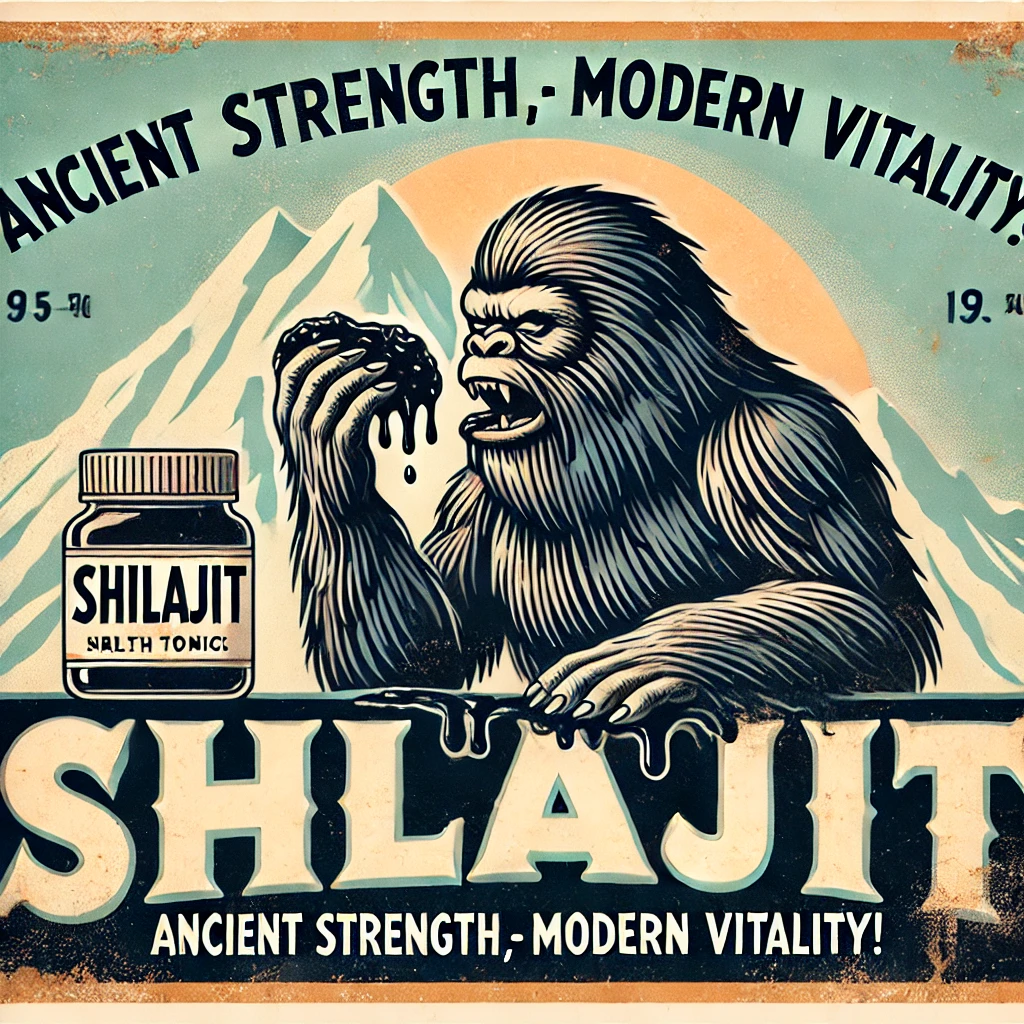
Shilajit honey is a powerful natural health product that combines the benefits of raw honey with shilajit, a mineral-rich resin that has been used in traditional medicine for centuries. This unique blend offers a range of health advantages, making it a popular choice among those seeking natural ways to boost energy, stamina, and overall vitality.
The Ancient History of Shilajit
The origins of shilajit trace back thousands of years to the rugged mountain ranges of the Himalayas, Altai, Caucasus, and other high-altitude regions. This rare, tar-like substance was discovered by local inhabitants who noticed that Himalayan monkeys, known for their vitality, would consume it by licking the rock surfaces. Observing the enhanced energy and longevity of these animals, early healers and scholars began experimenting with shilajit as a medicinal remedy.
In Ayurveda, one of the world’s oldest holistic healing systems, shilajit has been revered for its rejuvenating and life-enhancing properties. Ancient Indian texts, including the Charaka Samhita, describe it as a powerful “Rasayana” (rejuvenator) that promotes strength, mental clarity, and longevity. It was also valued in Traditional Tibetan and Russian medicine for its ability to enhance physical endurance and cognitive function.
Shilajit is primarily found in high-altitude regions such as the Himalayas, the Altai Mountains in Russia, the Caucasus Mountains, and parts of Central Asia. It is formed over centuries from the slow decomposition of plant material trapped in rock layers, undergoing a natural fermentation process due to extreme temperature variations. As it oozes out of rock crevices, it hardens into a resin-like substance, which is then harvested and purified for consumption.
The Rise of Shilajit Honey: A Modern Trend

Recently, shilajit honey has gained mainstream popularity as health-conscious individuals seek natural superfoods to enhance energy, immunity, and overall well-being. With the rise of the biohacking movement, fitness enthusiasts and wellness experts are turning to traditional remedies like shilajit, blending them with honey for a more palatable and accessible supplement.
The appeal of shilajit honey aligns with the global wellness trend favoring ancient, plant-based medicines over synthetic alternatives. Influencers and wellness advocates highlight its use for cognitive enhancement, athletic performance, and anti-aging benefits. It has been particularly embraced by those in the Ayurvedic, holistic health, and longevity-focused communities, further boosting its status as a modern superfood.
How to Buy Shilajit Honey
Due to its increasing demand, shilajit honey is now available in various forms through specialty health stores, online wellness shops, and Ayurvedic suppliers. When purchasing shilajit honey, consider the following:
Purity: Look for products that use genuine Himalayan or Altai mountain shilajit, free from additives or synthetic fillers.
Raw Honey Base: High-quality shilajit honey should use unprocessed, raw honey to retain its natural enzymes and nutrients.
Certifications: Choose brands that test for heavy metals and ensure safe processing methods.
Reputable Sellers: Buy from trusted health and wellness brands that provide transparency about their sourcing and purification process.
The Health Benefits of Shilajit Honey
The combination of honey and shilajit enhances the individual benefits of each component, creating a nutrient-dense superfood. Some of the key benefits include:
Shilajit is renowned for its ability to support mitochondrial function, which is essential for energy production. When combined with the natural sugars in honey, this blend can provide a sustained energy boost without the crash associated with artificial stimulants.
Both honey and shilajit contain antioxidants and antimicrobial properties that may help strengthen the immune system. Honey is well known for its antibacterial effects, while shilajit provides essential minerals that support immune function.
Fulvic acid, a major component of shilajit, is known for its neuroprotective properties. It helps in reducing oxidative stress in the brain, potentially improving focus, memory, and mental clarity. The natural sugars in honey can also offer a quick cognitive boost.
Shilajit is often used by athletes and fitness enthusiasts due to its potential to enhance endurance and muscle recovery. The natural enzymes in honey further support metabolism and digestion, making it a great pre- or post-workout supplement.
Rich in antioxidants, shilajit honey may help combat oxidative stress, which is linked to aging and chronic diseases. The minerals and bioactive compounds in shilajit contribute to cellular regeneration and overall longevity.
How to Use Shilajit Honey
Shilajit honey can be consumed in various ways to maximize its benefits:
- Direct Consumption: Take a teaspoon of shilajit honey on an empty stomach for a quick energy boost.
- In Beverages: Stir into warm water, tea, or smoothies for a nutritious drink.
- With Meals: Drizzle over toast, oatmeal, or yogurt for added nutrients.
According to sources like David Wolfe, health food influencer, Shilijit, is the “perfect survival food.” He says that one 1/2 gram “easily provides enough nutrition for an entire day. Shilajit is a mineral-rich black Jing resinous material.”
While shilajit honey is generally safe for most people, it is important to ensure that the shilajit used is of high quality and free from contaminants. Individuals with certain medical conditions, such as diabetes, should consult their healthcare provider before consuming shilajit honey due to its natural sugar content.
Some other health trends you may never have heard of include drinking kombucha tea, and the use of kefir for fermenting milk. There is