BIG Palliative Care: Denmark’s Nature and Spirituality in Dignified End-of-Life Care

palliative care center, sustainable architecture, end-of-life care, hospice design, reclaimed bricks, sustainably sourced wood, nature in healthcare, holistic care, palliative care hospice, spiritual well-being, compassionate care, sustainable hospice, natural light, healing gardens, dignity in care, peaceful environment, Denmark palliative care, eco-friendly healthcare, end-of-life hospice, spiritual care design, compassionate hospice design
Discover the innovative palliative care center designed by BIG in Denmark, combining sustainable architecture with nature to create a peaceful and dignified environment for end-of-life care.

Palliative care is more than just medical attention for those with serious or terminal illnesses. It is about offering comfort, respect, and a space that fosters emotional, spiritual, and physical well-being in the final stages of life. The best place for one to die is probably at a safe space at home and in nature with your loved ones around. If the person you love does not feel safe in this configuration, as what happened in my family, the best is when you can find an institution that offers the next best thing.

A recent design unveiled by BIG (Bjarke Ingels Group) for a palliative care center and hospice in Denmark highlights how sustainable architecture can harmonize with nature and spirituality to offer an enriched and dignified end-of-life experience.

palliative care center, sustainable architecture, end-of-life care, hospice design, reclaimed bricks, sustainably sourced wood, nature in healthcare, holistic care, palliative care hospice, spiritual well-being, compassionate care, sustainable hospice, natural light, healing gardens, dignity in care, peaceful environment, Denmark palliative care, eco-friendly healthcare, end-of-life hospice, spiritual care design, compassionate hospice design

Bjarke Ingels Group has won the competition to design the new Sankt Lukas Hospice and Lukashuset, a 8,500 m² palliative care center envisioned as a village nestled within nature. Building on the legacy of the Sankt Lukas Foundation, established in the 1930s, this project will significantly expand Denmark’s palliative care capacity, tripling its current facilities to serve approximately 2,100 patients each year.

The architecture and design of palliative care spaces are crucial to creating an environment that promotes peace, dignity, and connection.

Related: most late stage treatments in cancer aren’t worth it

Sustainability in Palliative Care: A Healing Environment

palliative care center, sustainable architecture, end-of-life care, hospice design, reclaimed bricks, sustainably sourced wood, nature in healthcare, holistic care, palliative care hospice, spiritual well-being, compassionate care, sustainable hospice, natural light, healing gardens, dignity in care, peaceful environment, Denmark palliative care, eco-friendly healthcare, end-of-life hospice, spiritual care design, compassionate hospice design

The importance of sustainability in palliative care is not merely about protecting the environment; it’s about creating spaces that promote long-term healing, peace, and connection to the earth. The palliative care center designed by BIG uses natural, reclaimed materials like wood and brick, which not only reduce the environmental footprint of the building but also bring an inherent sense of history and permanence to the space.

palliative care center, sustainable architecture, end-of-life care, hospice design, reclaimed bricks, sustainably sourced wood, nature in healthcare, holistic care, palliative care hospice, spiritual well-being, compassionate care, sustainable hospice, natural light, healing gardens, dignity in care, peaceful environment, Denmark palliative care, eco-friendly healthcare, end-of-life hospice, spiritual care design, compassionate hospice design palliative care center, sustainable architecture, end-of-life care, hospice design, reclaimed bricks, sustainably sourced wood, nature in healthcare, holistic care, palliative care hospice, spiritual well-being, compassionate care, sustainable hospice, natural light, healing gardens, dignity in care, peaceful environment, Denmark palliative care, eco-friendly healthcare, end-of-life hospice, spiritual care design, compassionate hospice design

Related: Canadians want end of life care with hallucinogenic mushrooms

Sustainable architecture, in its essence, recognizes that our well-being is intertwined with the health of the planet. For patients nearing the end of their journey, a space built with care for the earth can provide a profound sense of harmony. The use of natural materials, such as reclaimed bricks and sustainably sourced wood, evokes a sense of warmth and familiarity—creating a comforting, homely atmosphere rather than the cold, sterile feel of a traditional hospital.

This simple yet profound connection to nature and sustainability encourages a sense of groundedness for patients as they reflect on their lives and their place in the larger cycle of existence.

palliative care center, sustainable architecture, end-of-life care, hospice design, reclaimed bricks, sustainably sourced wood, nature in healthcare, holistic care, palliative care hospice, spiritual well-being, compassionate care, sustainable hospice, natural light, healing gardens, dignity in care, peaceful environment, Denmark palliative care, eco-friendly healthcare, end-of-life hospice, spiritual care design, compassionate hospice design

Nature as a Source of Healing and Spiritual Connection

There is an undeniable connection between nature and the human spirit. Throughout history, nature has been seen as a source of comfort and renewal, a place where individuals can find peace and clarity.

In palliative care, a place where people essentially go to die, connecting to the natural world can provide immense emotional and spiritual benefits for patients and their families. Nature acts as a mirror, reflecting the ongoing cycle of life and offering solace in times of uncertainty.

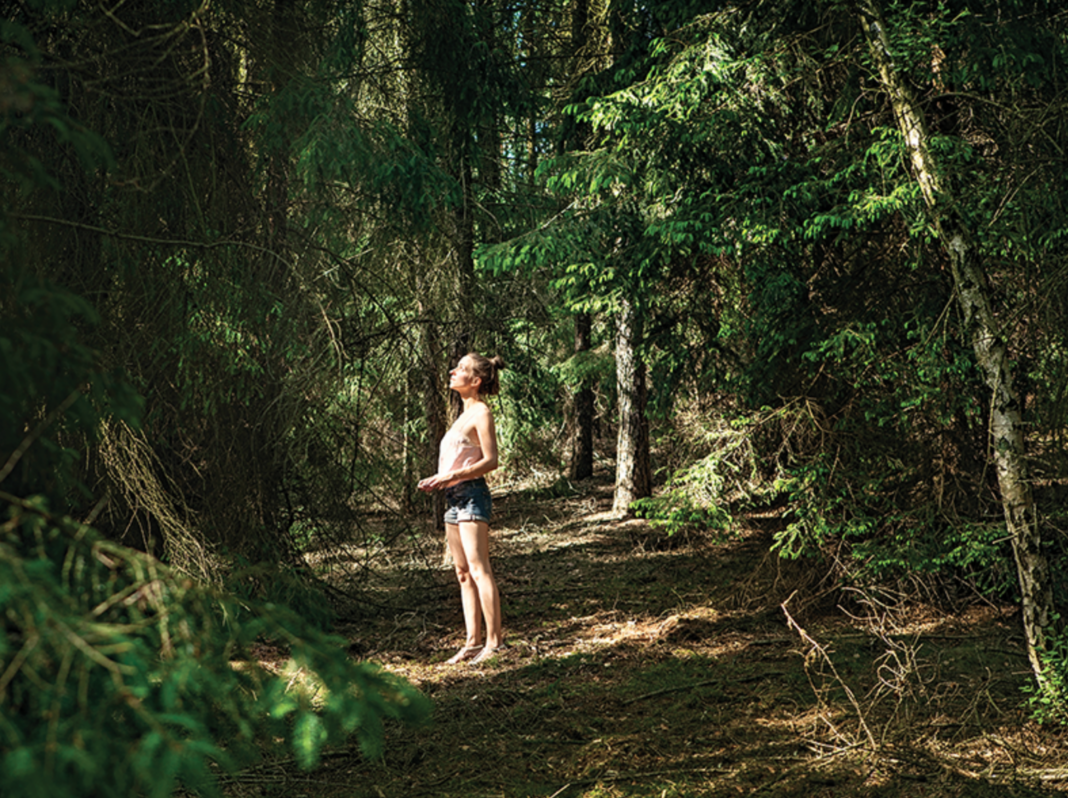
The Danish palliative care center is designed to embrace this connection. The space integrates abundant natural light, views of lush green landscapes, and access to gardens that invite patients and their families to spend time outdoors.

For those facing terminal illness, these natural elements offer moments of reflection, serenity, and spiritual renewal. Whether it’s watching the seasons change through a window, sitting in a garden surrounded by the hum of life, or simply breathing in the fresh air, the experience of nature in a palliative care setting can soothe the soul. This is important for the soul of the sick but also the loved ones that need to traverse the world in a new reality without the one that they know the way they once were.

Bhok Thompson
Bhok Thompsonhttp://www.greenprophet.com
Bhok Thompson is an “eco-tinkerer” who thrives at the intersection of sustainability, business, and cutting-edge technology. With a background in mechanical engineering and a deep fascination with renewable energy, Bhok has dedicated his career to developing innovative solutions that bridge environmental consciousness with profitability. A frequent contributor to Green Prophet, Bhok writes about futuristic green tech, urban sustainability, and the latest trends in eco-friendly startups. His passion for engineering meets his love for business as he mentors young entrepreneurs looking to create scalable, impact-driven companies. Beyond his work, Bhok is an avid collector of vintage mechanical watches, believing they represent an era of precision and craftsmanship that modern technology often overlooks. Reach out: [email protected]

Hot this week

How Renewable Energy is Revolutionizing the Way We Power Our World

Solar has become the star of the transition thanks to modular hardware and straightforward installation. It fits dense cities and remote towns alike. Many companies are turning to rooftop arrays and carport systems - and exploring commercial solar installation as a practical way to lock in future savings.

How does one start prepping?

Faced with an extreme winter storm this year, Americans wonder how to be prepared for catastrophe. Miriam has lived through wars in the Middle East - so she's prepared on giving you a guide to prepping.

Fishermen sue tire manufacturers on behalf of the salmon

A federal trial in San Francisco has brought US tire manufacturers, fishing groups, and environmental scientists into court over a chemical most drivers have never heard of — but which scientists say may be silently reshaping aquatic ecosystems.

Listening to Water: Tarek Atoui’s Next Work for Tate Modern

Born in Beirut, Lebanon in 1980 and now living in Paris, Atoui has spent years building instruments that don’t sit comfortably in concert halls. Many of them involve water, glass, and ceramics — materials that react to sound instead of simply producing it.

Leading Through a Dual-Energy Transition: Balancing Decarbonisation with Energy Security

Experience in one area of the energy industry isn't enough to guarantee readiness across all the others. That's where a structured program like an MBA in energy can come in. Today's advanced curricula explore energy economics, finance, policy, and strategic management alongside the technical subjects. And when pursuing an energy MBA online, professionals can skill up and retrain without having to step out of the labor market -- an important perk at a time when skilled professionals are already in short supply.

Topics

How Renewable Energy is Revolutionizing the Way We Power Our World

Solar has become the star of the transition thanks to modular hardware and straightforward installation. It fits dense cities and remote towns alike. Many companies are turning to rooftop arrays and carport systems - and exploring commercial solar installation as a practical way to lock in future savings.

How does one start prepping?

Faced with an extreme winter storm this year, Americans wonder how to be prepared for catastrophe. Miriam has lived through wars in the Middle East - so she's prepared on giving you a guide to prepping.

Fishermen sue tire manufacturers on behalf of the salmon

A federal trial in San Francisco has brought US tire manufacturers, fishing groups, and environmental scientists into court over a chemical most drivers have never heard of — but which scientists say may be silently reshaping aquatic ecosystems.

Listening to Water: Tarek Atoui’s Next Work for Tate Modern

Born in Beirut, Lebanon in 1980 and now living in Paris, Atoui has spent years building instruments that don’t sit comfortably in concert halls. Many of them involve water, glass, and ceramics — materials that react to sound instead of simply producing it.

Leading Through a Dual-Energy Transition: Balancing Decarbonisation with Energy Security

Experience in one area of the energy industry isn't enough to guarantee readiness across all the others. That's where a structured program like an MBA in energy can come in. Today's advanced curricula explore energy economics, finance, policy, and strategic management alongside the technical subjects. And when pursuing an energy MBA online, professionals can skill up and retrain without having to step out of the labor market -- an important perk at a time when skilled professionals are already in short supply.

From Green Energy to Healthy Societies: Why old systems thinking is becoming relevant again

Across the Middle East and North Africa, large investments are being made in green hydrogen, renewable energy, water infrastructure and sustainability. Most of these efforts are discussed in the context of climate change, decarbonization and economic diversification. That framing is important, but it may not capture their full value.

We saw peace – an interreligious encounter deep in our eyes

They came from Israel, Palestine, Jordan, Iraq, Yemen, Morocco, Tunisia, Lebanon, Egypt… There are Sunni Muslims, Shiite Muslims, Jews (Orthodox and Reform), Orthodox Christians, Coptic Christians, Protestant Christians, Druze, Baha'is, a Scientologist.

Can biochar reduce ‘Forever Chemicals’ in food if it’s used in farms?

Biochar is produced by heating organic material in a low-oxygen environment so it does not burn. This process, known as pyrolysis, transforms plant matter into a stable, carbon-rich material.

Related Articles

Popular Categories