

The fashion industry is one of the world’s biggest polluters, with synthetic dyes playing a major role in environmental destruction. Every year, textile dyeing releases over 200,000 tons of toxic chemicals into waterways, polluting drinking water, harming aquatic life, and devastating ecosystems. Conventional dyeing processes require vast amounts of water, contributing to severe water shortages in many regions. Meanwhile, synthetic dyes are often made from petrochemicals, leading to increased carbon emissions and long-term soil degradation.
The impact of synthetic dyes on individuals is equally alarming. Many dyes contain carcinogenic and hormone-disrupting chemicals, which can lead to skin irritations, respiratory issues, and allergic reactions for both workers and consumers. Prolonged exposure has been linked to neurological damage and reproductive health problems, making it clear that the dyeing industry’s toxic practices are harming not just the planet but also human well-being.
As consumers and brands alike search for sustainable alternatives, one company is leading the charge in transforming the dyeing industry—Algaeing. This innovative company harnesses the power of algae to create eco-friendly, biodegradable dyes, offering a groundbreaking solution to the toxic world of textile coloration.

To scale its impact, Algaeing has partnered with leading fashion brands and textile manufacturers, including Organic Basics. In collaboration with Algaeing, Organic Basics introduced the world’s first undergarment collection dyed with biodegradable algae-based dye. This collection emphasizes sustainability by utilizing algae-derived dyes that are free from harmful chemicals and pesticides.
The Problem with Synthetic Dyes

Synthetic dyes have been the standard in the fashion industry for decades, but they come with a heavy environmental and human cost. The production and use of these dyes contribute to:
Water Pollution: The textile industry is responsible for 20% of global wastewater pollution. Many dyes contain heavy metals, carcinogens, and toxic chemicals that seep into rivers and oceans, affecting both marine life and human health.
High Water Consumption: Dyeing fabrics can consume up to 200 liters of water per kilogram of fabric, a staggering amount that worsens global water scarcity.
Carbon Emissions: The production of synthetic dyes relies on fossil fuels, releasing greenhouse gases that drive climate change.
Harm to Workers: Textile dye workers are frequently exposed to harmful chemicals, leading to respiratory diseases, skin disorders, and even cancer.
Microplastic Pollution: Many synthetic dyes are used in polyester and synthetic textiles, contributing to microplastic pollution in the environment.
With fashion brands and policymakers increasingly prioritizing sustainability, the industry is in desperate need of an eco-friendly alternative. Enter Algaeing—a company proving that nature itself holds the key to cleaner fashion.
What is Algaeing?


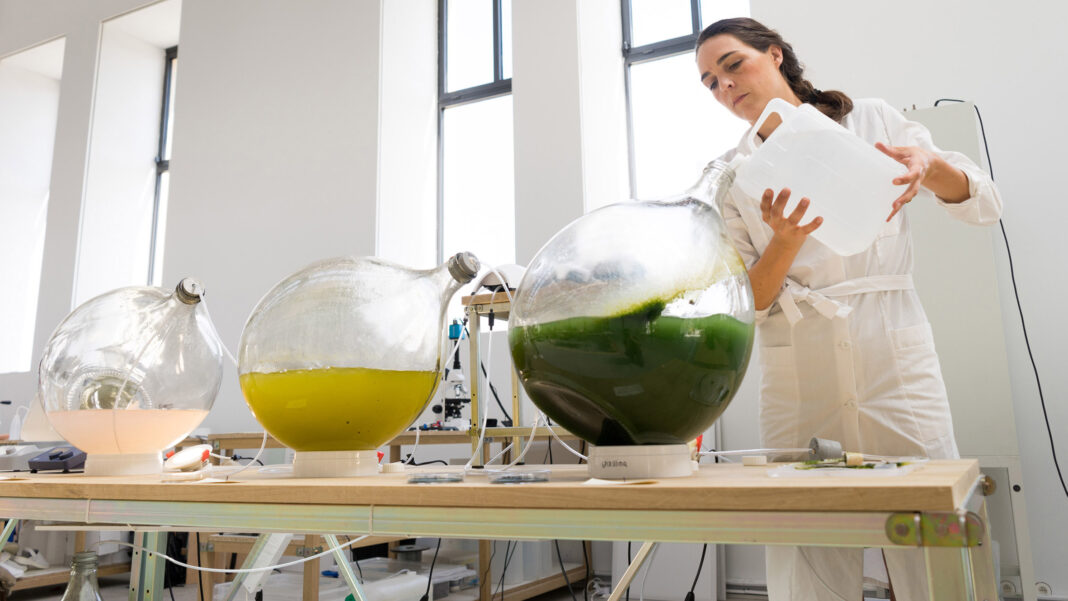
Algaeing is a pioneering biotechnology company that develops and commercializes algae-based dyes and fibers. Instead of relying on synthetic chemicals, the company uses algae—a natural, fast-growing organism that requires minimal resources—to create safe, renewable color solutions. Their patented process not only replaces toxic dyes but also reduces overall environmental impact across the supply chain.

Why Algae-Based Dyes Work
Algaeing’s innovative process offers several advantages over conventional dyeing methods:
- Zero Toxic Waste: Unlike synthetic dyes that release toxic residues, algae dyes are completely biodegradable and safe for ecosystems.
- Minimal Water Usage: Traditional textile dyeing requires excessive amounts of water, while Algaeing’s process reduces water consumption by up to 80%.
- Carbon-Negative Production: Algae naturally absorb carbon dioxide during growth, making the dyeing process carbon-negative and helping combat climate change.
- Biodegradable and Skin-Friendly: Algaeing’s dyes are free from harmful chemicals, making them hypoallergenic, non-toxic, and safe for both workers and consumers.
- Efficient and Scalable: Unlike plant-based dyes, which often struggle with consistency and scalability, Algaeing’s dyes can be produced reliably at a commercial scale.
The Future of Sustainable Fashion
The fashion industry has long been resistant to change, but the urgency of the climate crisis is pushing brands to innovate. Algaeing is partnering with leading textile manufacturers to integrate algae dyes into mainstream fashion, offering a viable alternative that meets both environmental and commercial demands.
With consumers demanding greater transparency and sustainability, brands that adopt Algaeing’s technology can dramatically reduce their carbon footprint and lead the movement toward ethical fashion. As governments worldwide implement stricter regulations on water pollution and carbon emissions, companies that fail to transition to sustainable solutions risk falling behind.
The toxic reality of synthetic dyes is no longer acceptable. With the planet facing an environmental crisis, the fashion industry must embrace innovations like Algaeing’s algae-based dye technology. By shifting away from petrochemical dyes and investing in biodegradable, renewable solutions, we can protect our water, reduce emissions, and create a cleaner, more sustainable future for fashion.
Algaeing is proving that color doesn’t have to come at the cost of the planet. With algae leading the way, the future of textiles is not just green—it’s regenerative.
About Algaeing
Algaeing was founded in Israel by Renana Krebs, a fashion industry veteran who saw the urgent need for sustainable innovation in textiles. The company has since gained international recognition for its eco-friendly dyeing solutions proving that algae-based alternatives can be both commercially viable and environmentally responsible. With ongoing research and partnerships, Algaeing is set to lead the charge toward a cleaner, more sustainable fashion industry.

As of 2025, Algaeing has raised approximately $4.84 million in funding from investors such as Iron Nation Venture Capital, Capital Nature, Purple Orange Ventures, Katapult Ocean, and Closed Loop Partners via pitchbook.com. The company operates with a dedicated team, including co-founders Renana Krebs (CEO) and Dr. Oded Krebs (CTO), along with Ariel Romano serving as CFO and Chief Commercial Officer.
The global textile dyes market was valued at USD 10.68 billion in 2021 and is projected to reach USD 16.08 billion by 2030, growing at a CAGR of 4.7% during the forecast period via polarismarketresearch.com. Algaeing’s innovative solutions position it well to capture a share of this expanding market, especially as demand for sustainable and eco-friendly dyes continues to rise. The company also produced a natural ink.
10 Israeli companies innovating with algae
Israelis have a fascinating with algae, growing it in vats in the desert. Here are 10 Israeli companies or their affiliates leveraging algae in their innovations:
-
Algatech: Located in Kibbutz Ketura, Algatech specializes in cultivating microalgae to produce natural astaxanthin, a potent antioxidant used in supplements and cosmetics.
-
Brevel: This startup focuses on producing neutral-tasting, highly functional algae-based proteins, aiming to enhance plant-based dairy alternatives.
-
BarAlgae: Founded in 2018, BarAlgae utilizes advanced technology to cultivate various microalgae species for applications in aquaculture, nutrition, cosmetics, and more.
-
Univerve: Based in Tel Aviv, Univerve is developing cost-effective systems to convert algae into renewable biofuels, offering a sustainable alternative to fossil fuels.
-
AlgaHealth: This biotech company pioneers the development of microalgae-based nutraceuticals, focusing on producing high-quality fucoxanthin for health and wellness products.
-
Yemoja: Specializing in cultivating unique microalgae strains, Yemoja provides natural ingredients for the cosmetics and food industries, including algae-derived components that enhance plant-based meat products.
-
SimpliiGood: Innovating in the food sector, SimpliiGood creates algae-based meat alternatives, such as chicken schnitzel analogs, offering nutritious and sustainable protein sources.
-
Vaxa: Founded by Dr. Isaac Berzin (who founded the failed but great idea of GreenFuel), Vaxa operates an algae farm in Iceland, producing omega-3 supplements and protein powders from algae, contributing to sustainable nutrition solutions.
-
Seambiotic: Collaborating with global partners, Seambiotic cultivates marine microalgae using CO₂ emissions, aiming to produce biofuels and nutraceuticals while reducing greenhouse gases.
-
GreenFuel Technologies: Founded by Israeli scientist Isaac Berzin, GreenFuel developed processes to grow algae using emissions from fossil fuels, producing biofuels from the harvested algae.
The company is not alone in the space. Living Ink creates black dye and colors from algae. Based in the United States, Living Ink develops environmentally safe and sustainable color pigments derived from algae. Their flagship product, Algae Black, replaces petroleum-based carbon black in various applications, including printing inks and coatings.
Mounid, from Sweden, is developing algae-based inks for textile dyeing. Their innovative approach seeks to replace synthetic dyes with natural, biodegradable alternatives, addressing environmental concerns associated with traditional dyeing methods.
Cellana from Hawaii develops algae-based bioproducts, including pigments and specialty chemicals. Their focus on sustainable algae cultivation supports various applications, such as nutritional supplements and bioenergy.
::Algaeing