


Atmospheric water generators (AWGs) sound like magic: machines that can pull drinking water out of air. The idea is mentioned in the Bible, where the elders would pray for water collected as dew on plants and the catch on turning this into a machine is in the physics. To turn invisible vapor into liquid, you must remove heat, especially the latent heat of condensation. In real machines, that usually means refrigeration (cooling air below its dew point) or heating/desorbing moisture from sorbents. Either way, energy use rises fast as humidity drops. While many solutions exist on the market, the solutions aren’t magic. Too much energy needs to go into the AWG machines to make the water from thin air concept work.
Peer-reviewed assessments put many active AWGs in the rough range of ~0.35 to >1.1 kWh per liter depending on climate and design see this paper. A broader scientific review of atmospheric water harvesting thermodynamics estimates maximum yields around 0.34 to0.73 L/kWh under various assumptions, equivalent to roughly ~1.4 to 2.9 kWh per liter in the “best case” envelope. See PNIH resource. Lab and field results can be lower or higher depending on temperature, humidity, airflow, and heat exchange losses.
The core problems of AWG, water from air generators
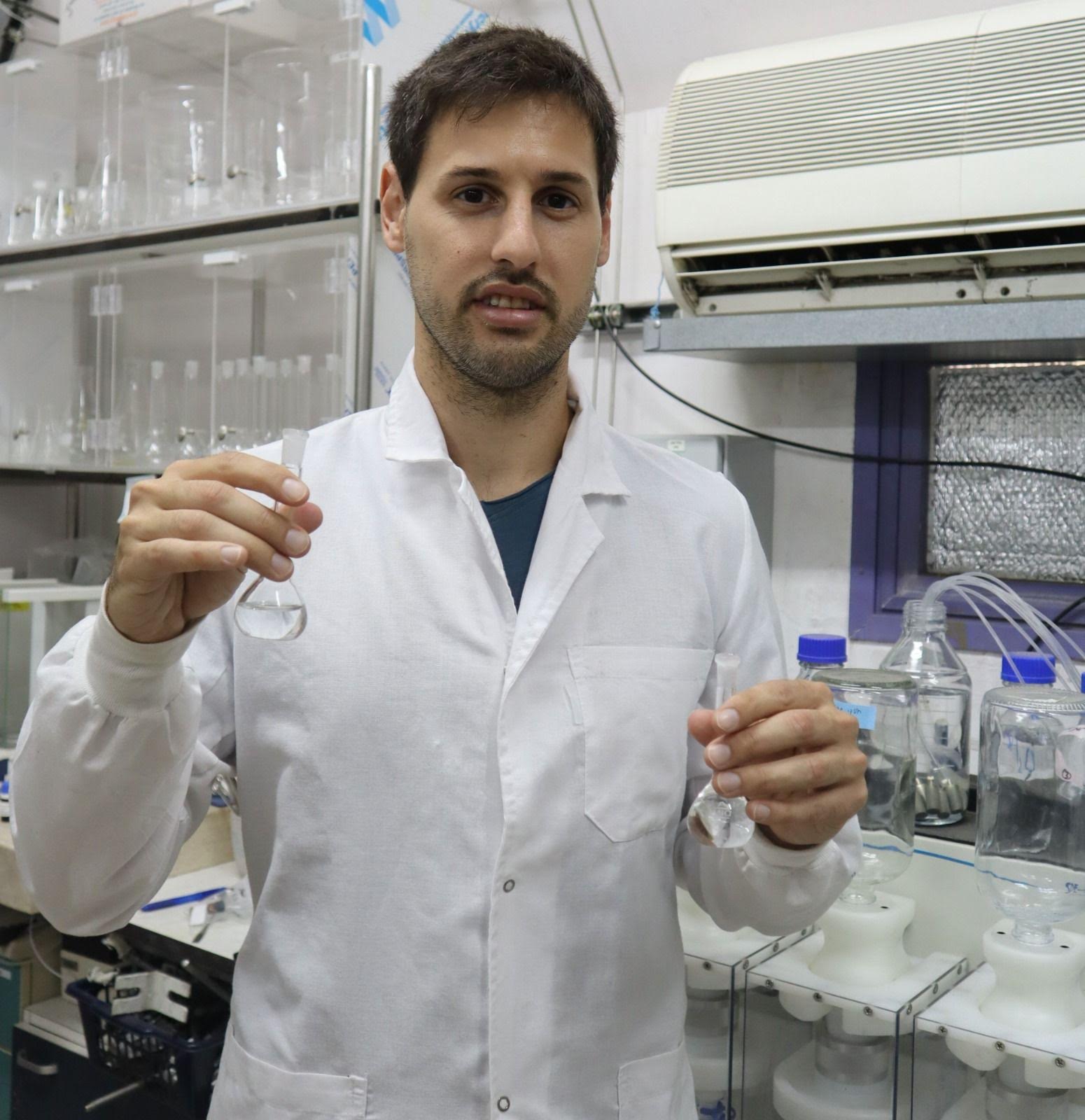
- Low humidity = tiny water per cubic meter of air. The drier the air, the more air you must process to get a liter, which means bigger fans, larger heat exchangers, and more power.
- Cooling penalty. Condensation-based AWGs must cool air below dew point; that’s energy-intensive, especially in hot-dry regions where dew point can be very low.
- Heat management. You must dump heat to the environment (or recover it). Poor heat rejection and frosting risks can crater performance.
- Water quality isn’t “free.” Collected water still needs filtration/UV/mineralization and safe storage, adding energy and maintenance.
So how can AWGs be solved?
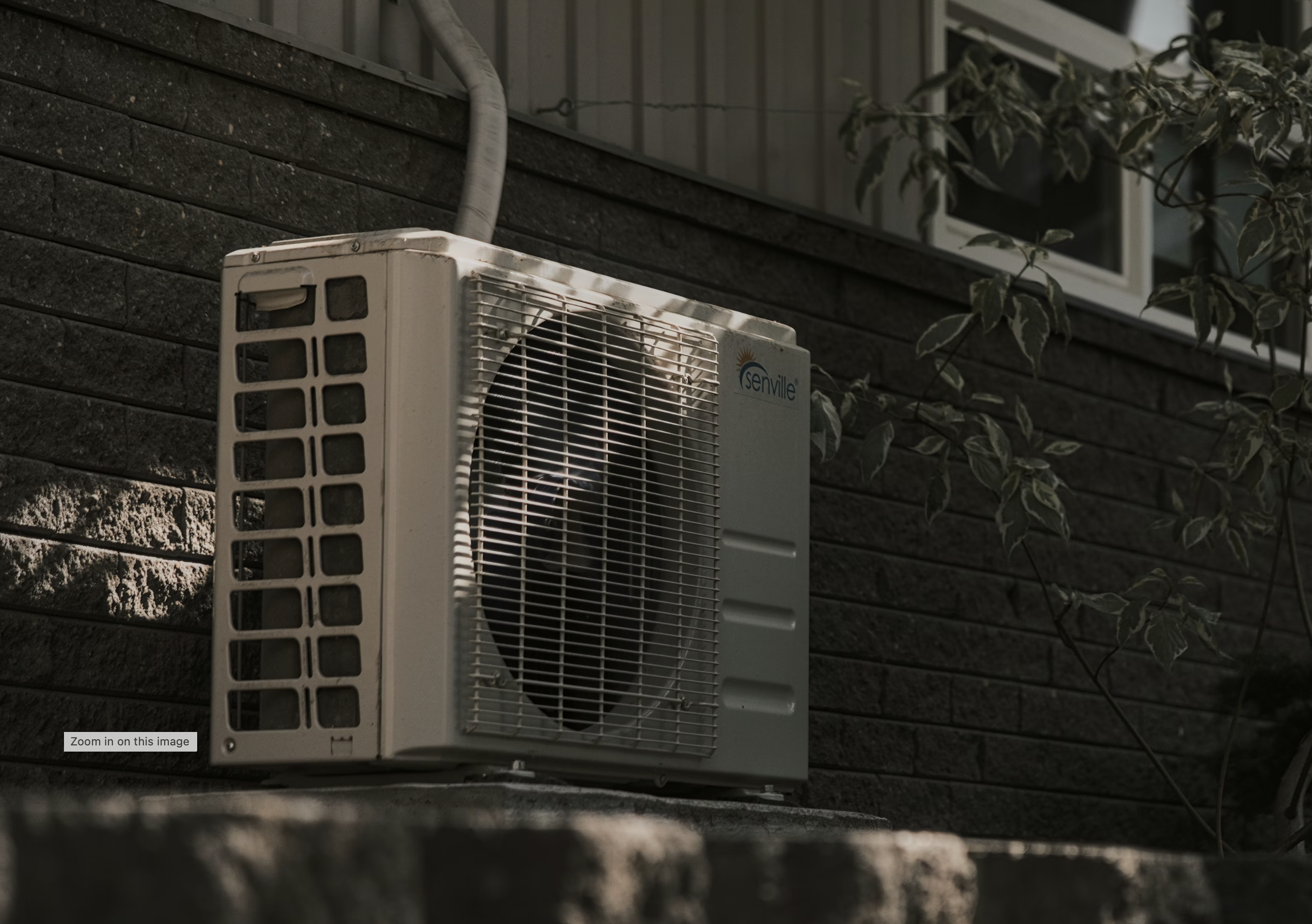
The most promising pathways don’t “beat physics” — they change the system boundary:
- Use low-grade heat or solar thermal to regenerate sorbents instead of running compressors. MOF-based devices have shown solar-driven harvesting in arid climates (Kim et al., in this 2018 Nature article).
- Hybridize with HVAC/dehumidification you already pay for to run. If a building must remove humidity anyway, capturing and polishing that water can be “incremental” rather than “extra.” While it might not run showers, the water can be used to water gardens or flush toilets. See our article on top uses for AC water.
- Raise efficiency via better sorbents + heat recovery. New cycling strategies and materials aim to cut regeneration energy and speed cycles (Kang et al., 2024).
- Target the right use cases. Emergency backup, remote sites, islands, and places where trucking water is expensive can justify higher kWh/L.
10 promising companies in the AWG space

- SOURCE Global (solar “hydropanels”) — promising for off-grid drinking water where sunlight is abundant (SOURCE how it works).
- Watergen — large deployments and claimed efficiency improvements; best fit in warm/humid conditions. See our past article on Watergen.
- Genesis Systems — containerized systems positioned for disaster resilience and humid climates.
- Aquaria — scaling “water from the sky” for housing developments; success depends on cost per liter vs local supply (Time on Aquaria).
- Skysource / Skywater Alliance (WEDEW) — notable for renewable-energy framing and resilience applications (XPRIZE profile).
- AirJoule — one to watch if real-world data confirms lower energy via novel separation/recovery approaches (AirJoule investor deck).
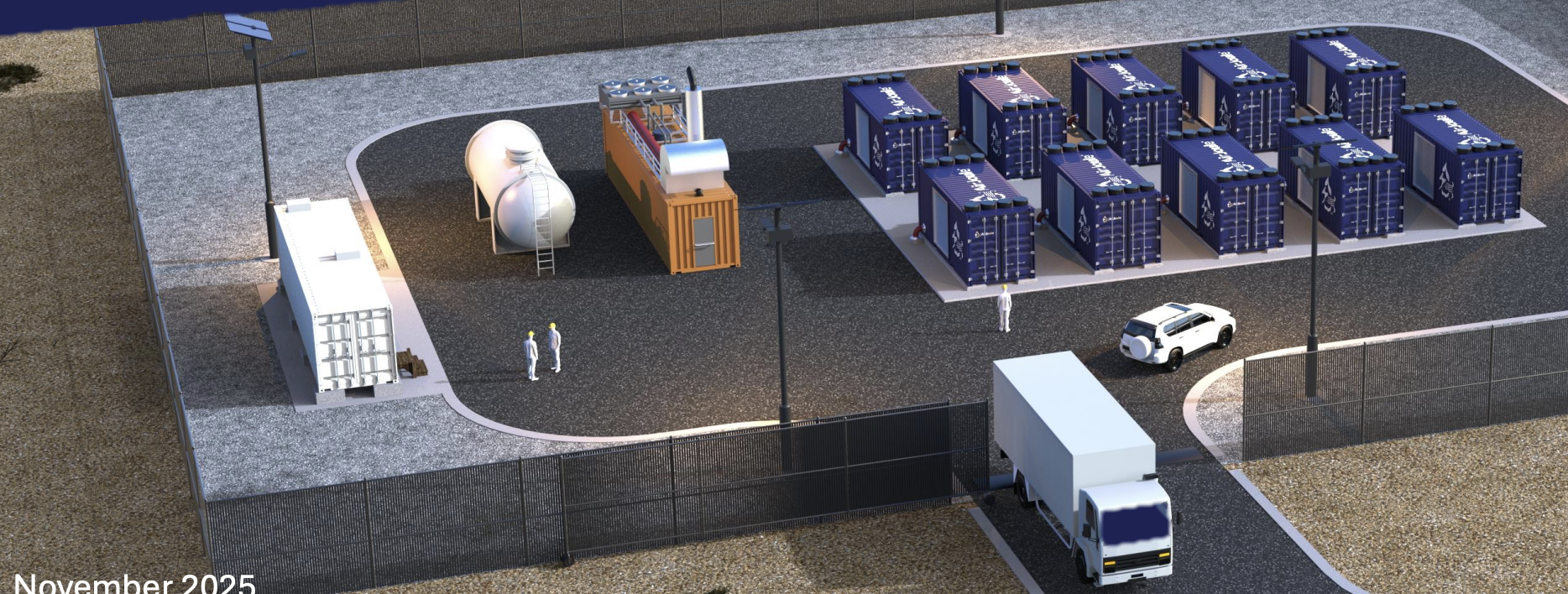
Airjoule - Uravu Labs — interesting liquid-desiccant path tied to renewables and local bottling models (Mongabay India).
- Kara Water — consumer appliances; compelling product story, but energy economics must be transparent (Kara Water).
- EcoloBlue — long-running commercial/home units; performance varies heavily with climate (EcoloBlue specs).
- WaHa from Saudi Arabia is positioning around “water + dry air” and grid-independent operation; worth watching for verified field performance (WaHa). Professor Omar Yaghi, a distinguished chemist from the University of California, Berkeley, and pioneer of reticular chemistry (inventor of Metal-Organic Frameworks/MOFs). Born in Jordan and working in California, he was awarded the 2025 Nobel Prize in Chemistry, shared with Richard Robson and Susumu Kitagawa, for this work. Waha is active in Saudi Arabia and the UAE.
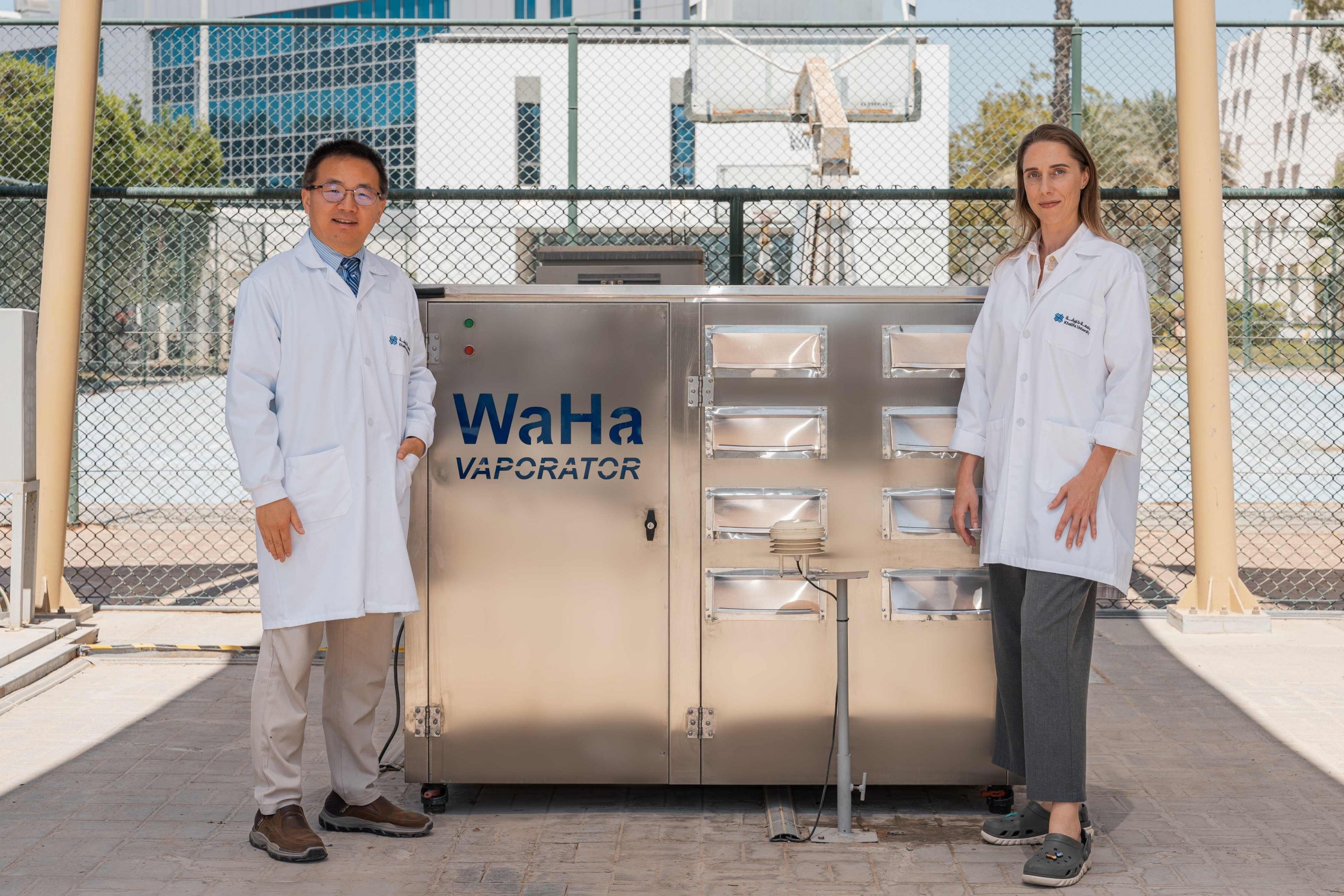
WAHA 
Omar Yahgi, a Jordanian-American Nobel Prize winner who founded Waha
AWGs are rarely the cheapest way to make water where pipelines, wells, or desalination are available. They are commonly used by armies to create water in remote locations where energy isn’t an issue. Diesel or solar does the heavy lifting. But as materials improve, and as systems tap waste heat, solar thermal, or existing dehumidification loads, AWGs can become a practical niche tool, especially for resilient, point-of-use drinking water in the places that need it most in off-grid sites and in emergency settings.

Let’s aim for the day when fusion energy is real, and we can all pull water from the air to drink. Just add some Mayu minerals to make the water work well for your body.