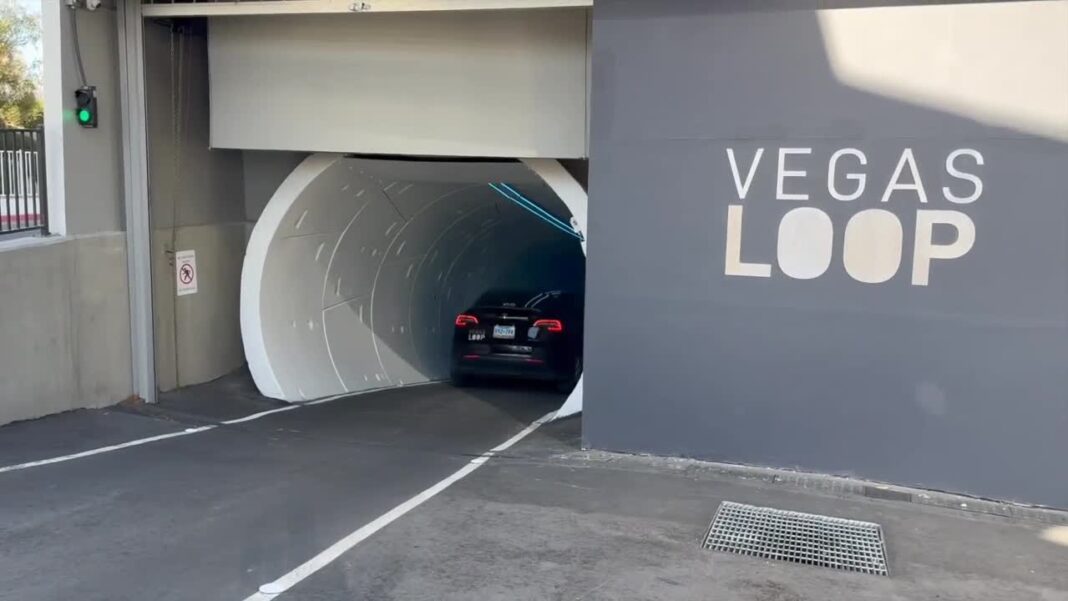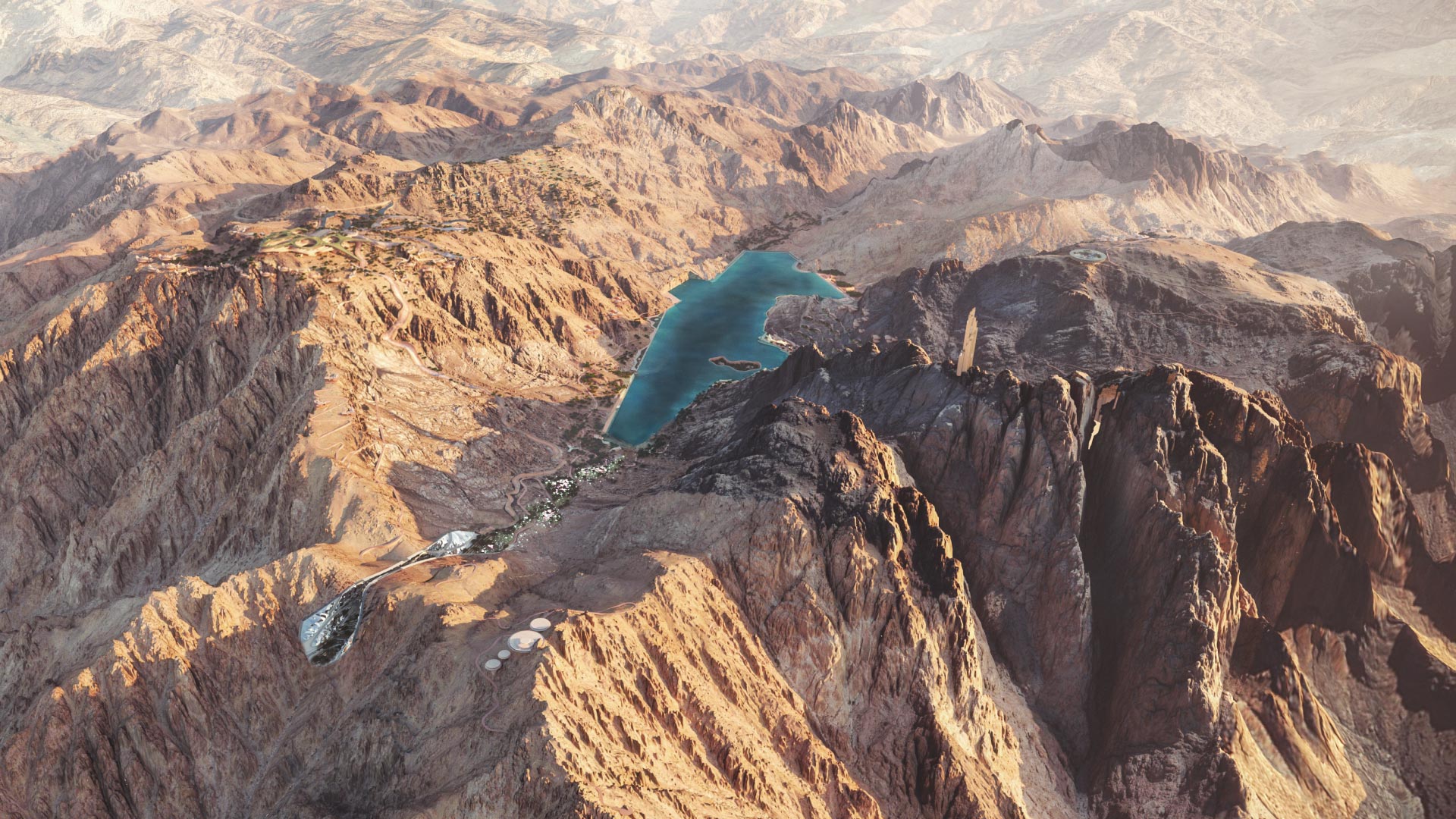


Neom, a bombastic collection of futuristic cities and resorts, has flopped as Saudi oil prices roll back reality. The Saudi plan of hosting the 2029 Asian games to be held at Trojena, a ski report in the desert, has been cancelled.
The 2029 Asian Winter Games were supposed to be Saudi Arabia’s big moment for tourism and Vision 2030, hosted at Trojena, the ambitious mountain ski resort being built inside the $500 billion Neom megaproject in the northwest desert. It would have been the first winter sporting event ever held in an Arab-speaking country, a remarkable geopolitical flex for a nation with essentially no winter sports tradition and barely any snow. (Read here about Snowmax and the dangers of artificial snow).
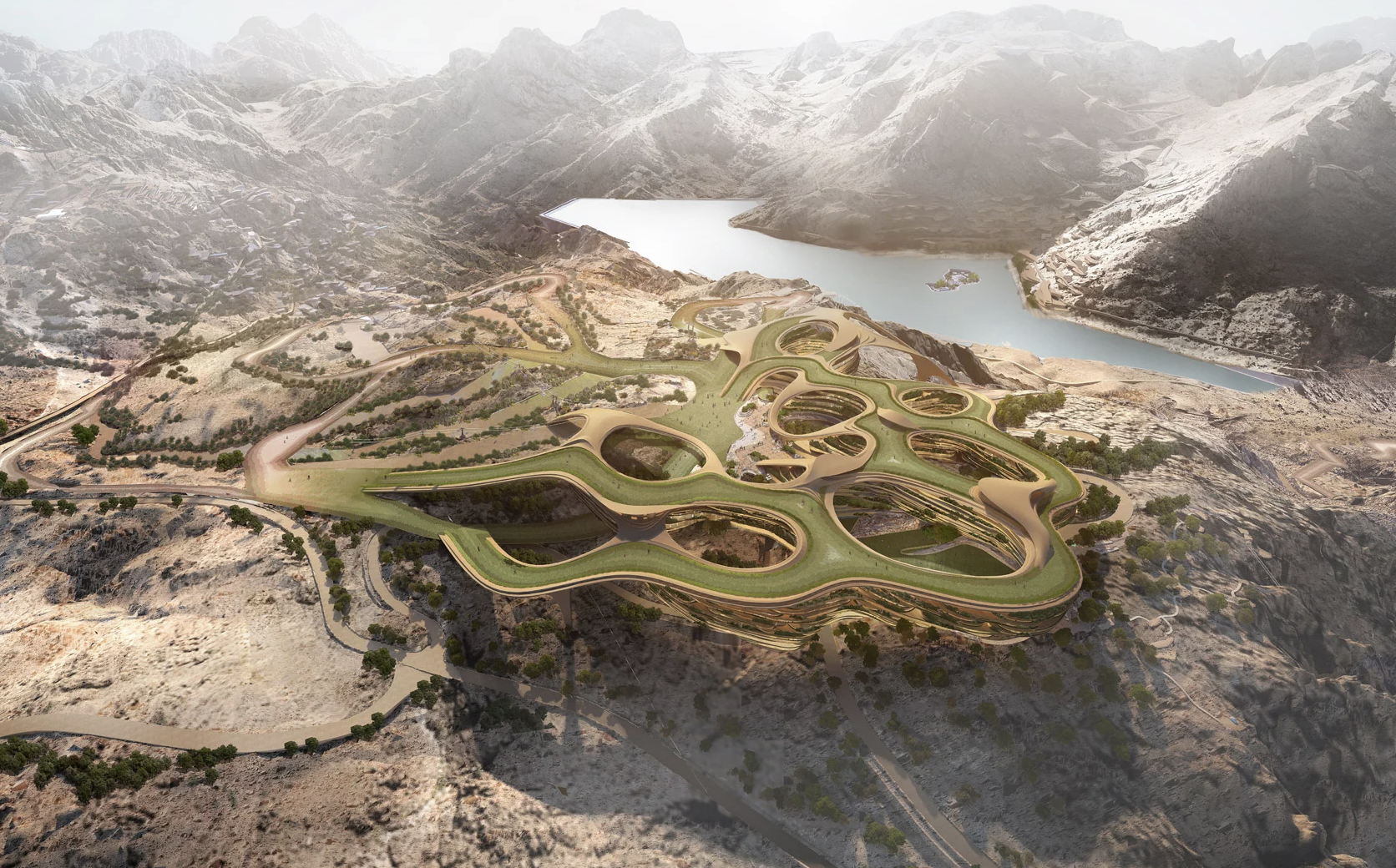
The Olympic Council of Asia announced the games would be postponed last month, and within days announced they would instead move to Almaty, Kazakhstan. Al Arabiya Gulf News gave no reason for the change, but the context is hard to ignore.
With oil prices down, Saudi Arabia is in fiscal trouble, and oil is the core of the problem. The kingdom’s budget deficit widened in the fourth quarter of 2025 to its highest level in five years, as lower oil prices squeezed government finances, according to Arab News.
Saudi Arabia needs crude at around $91 a barrel to balance its budget, but prices have been stuck in the low $60s for months Securities Finance Times, a gap of nearly 30% between the dream and reality.
That gap is starting to show in the kingdom’s grand ambitions of building The Mile, a 15-minute city on the Red Sea.
Saudi officials have signaled a pivot to “wiser” spending, and the government has made clear it will not hesitate to walk away from costly projects that no longer fit its priorities.
Trojena, which was already facing significant construction delays and had missed its original 2026 completion target, appears to be one casualty of that reckoning along with The Line.
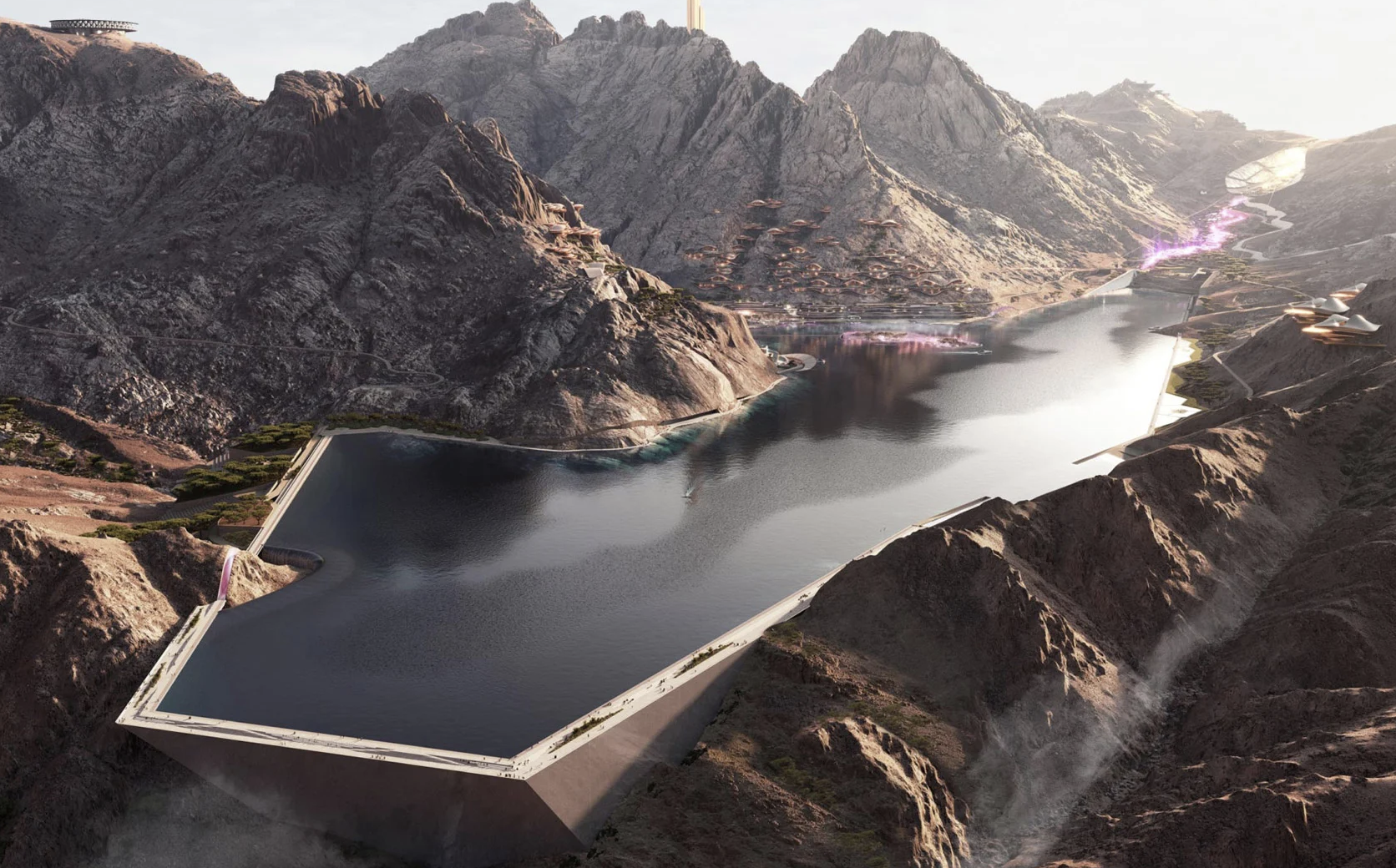
Saudi officials have been quietly reviewing some of the biggest Vision 2030 projects and though they are not canceling them outright, they are stretching timelines and trimming scope.

Almaty, by contrast mades sense. Kazakhstan previously hosted the 2011 Asian Winter Games and the 2017 Winter Universiade, so the infrastructure is already there.
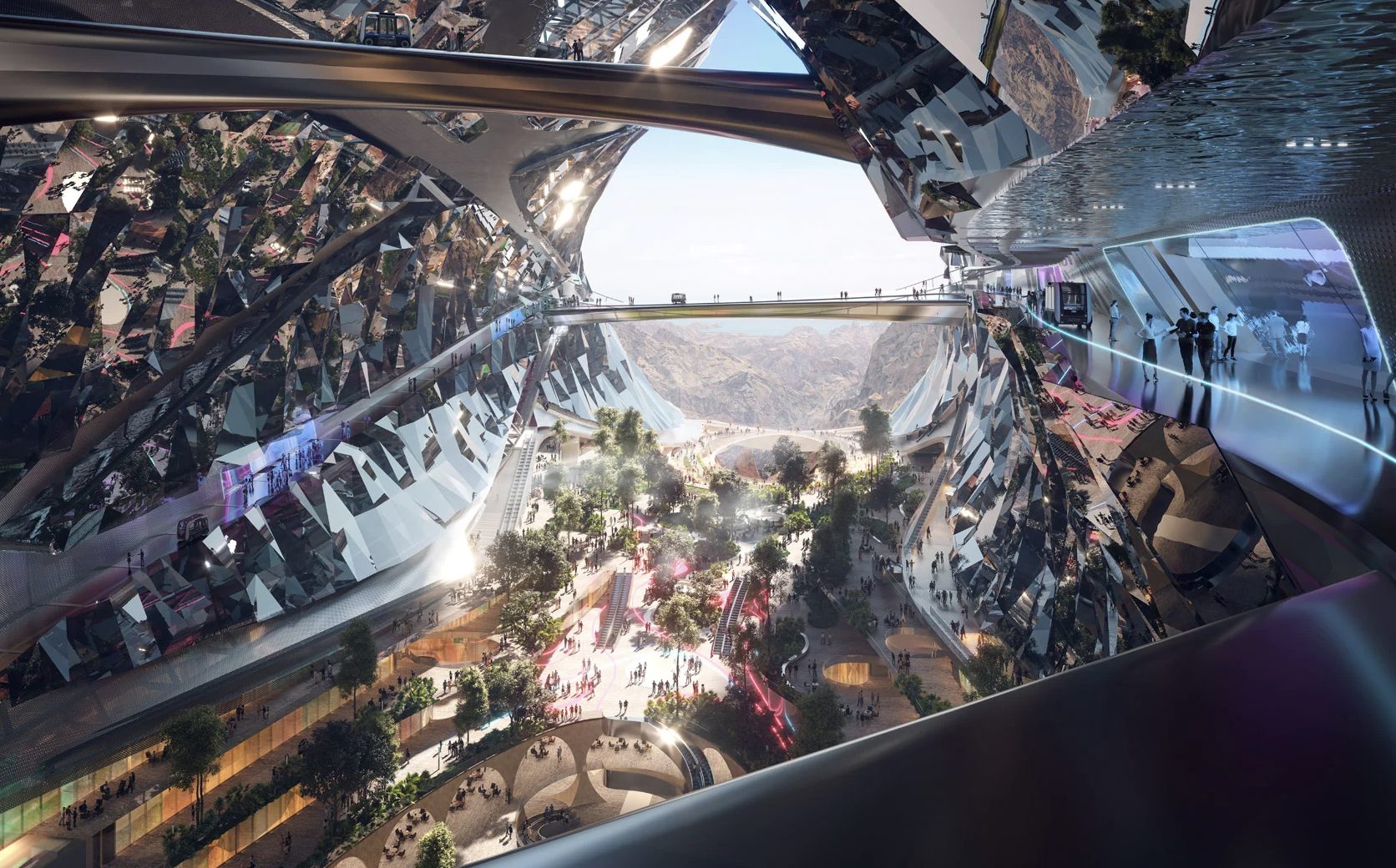
For Saudi Arabia, losing the games is more than a sporting embarrassment. It’s a signal that Vision 2030’s most spectacular promises: a ski resort in the desert, a linear city in the wilderness, a new Las Vegas on the Red Sea were always contingent on oil staying expensive. And one by one, reality is doing the editing that ambition refused to do. If Americans pull through on fusion (see Xcimer), OPEC oil will be over.