

What is the Jewish Climate Trust?

Jewish Climate Trust

We used to think climate work lived in laboratories, policy rooms, and protest signs. But these days it’s living comfortably inside Jewish thought. The Jewish Climate Trust is quietly proving that climate action doesn’t sit outside Judaism — it grows from it. Jewish Climate Trust (JCT) isn’t a think tank that lives only in theory, and it isn’t a charity that writes checks without strategy. It is a values-driven investment in how Jewish life — and Jewish responsibility — shows up in a world already shaped by climate change.

The starting point is simple and uncomfortable: the climate crisis is real, measurable, and accelerating. Denial is not a Jewish position. Despair isn’t either. Judaism teaches obligation without guaranteed success. You are not required to finish the work — but you are not free to abandon it. JCT lives inside that idea: it insists on action without pretending to own the ending.

The focus of the JCT is twofold: putting less carbon into the atmosphere and preparing communities for what is already unfolding.

But there is a third layer that feels distinctly Jewish: co-benefits. Every climate action should strengthen human relationships — between Jews and Jews, Israel and the diaspora, and across borders between people. We see that work in action in Israel’s Arava Center, a cross-border environment research study center that funds desert research, water, cleantech, advancing partners for peace along the way. Climate work, according to the JCT is not only environmental; it is social, political, spiritual, and it’s the moral thing to do.

In North America, JCT has made the largest climate grant ever given in the Jewish world, funding Adamah to accelerate Jewish climate leadership. This includes expanding the Jewish Climate Leadership Coalition, building regional hubs, and integrating climate into young leadership training. They also helped launch a Green Business Network, which is growing faster than anticipated.

Green Prophet founded a chapter of Green Drinks in Israel in 2009. Adamah is continuing the spirit with their next meet-up in Boston in February.

The goal is cultural change — not a single project, but a shift in how Jewish institutions understand responsibility.

In Israel, JCT is funding major research on climate preparedness and security. Climate awareness in Israel is not only about nature — it is about stability, health, migration, food systems, and national resilience. The JCT is pushing Israel to think ahead rather than react too late.
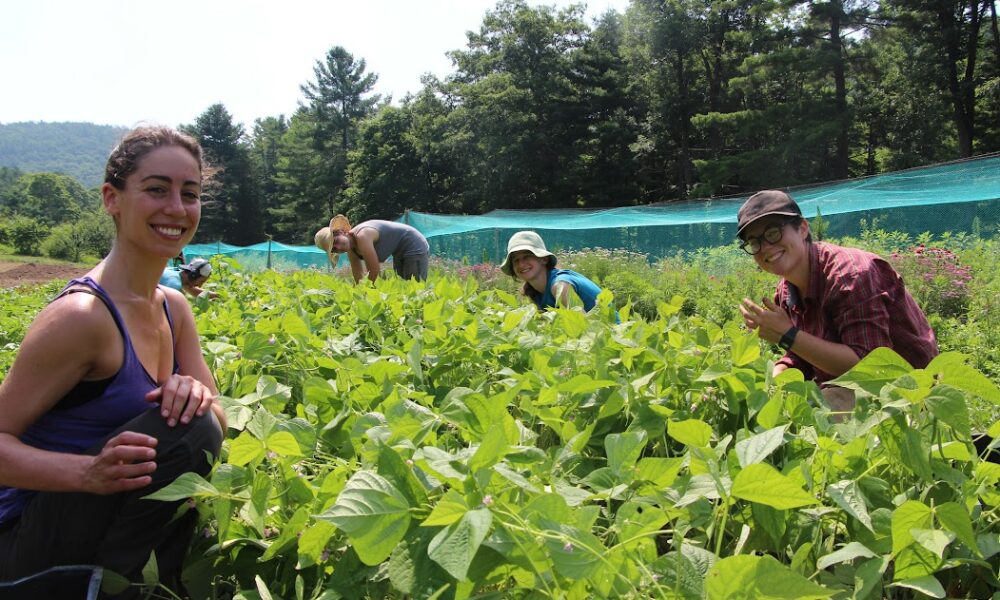
Adamah people on the farm

Regionally, JCT is supporting the Center for Applied Environmental Diplomacy at the Arava Institute — one of the most important cross-border environmental cooperation platforms in the Middle East. When USAID funding was lost, years of trust-building between Israelis, Palestinians, Jordanians, and international partners were suddenly at risk. JCT stepped in with a significant multi-year commitment, joined by private stakeholders, to keep this fragile but vital ecosystem alive.
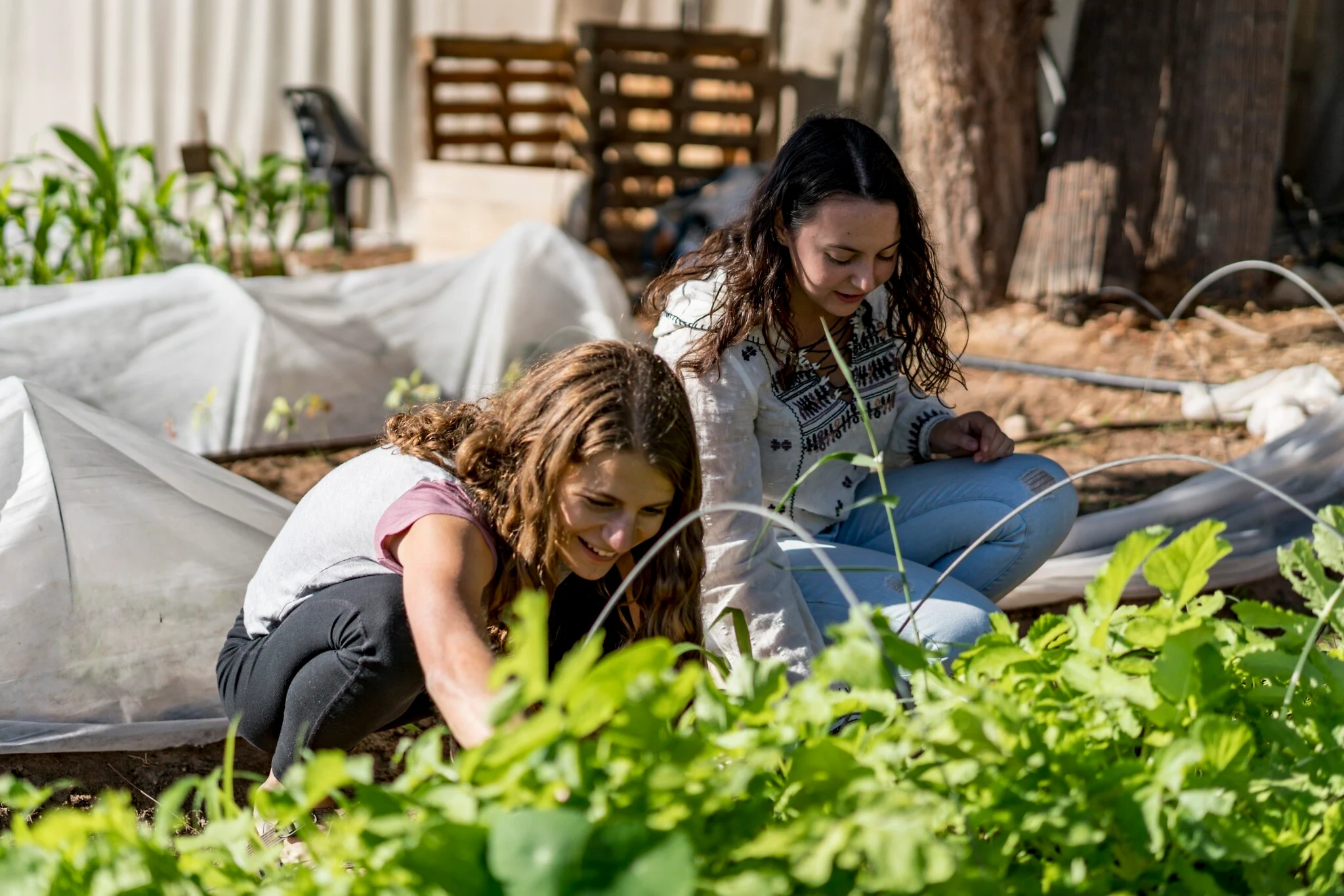
Israelis and Palestinians work together at the Arava
Israelis and Palestinians work together at the Arava Center

Jewish Climate Trust has quickly attracted the attention and support of some of the most influential voices in Jewish philanthropy, drawing backing from prominent family foundations and business leaders connected to the Bronfman and Schusterman philanthropic networks, alongside climate-focused investors and community builders aligned with founding leader Nigel Savage. Together, these donors have committed many millions of dollars to build a serious, long-term climate platform for the Jewish world — not as a symbolic gesture, but as a strategic intervention in one of the defining challenges of this generation.
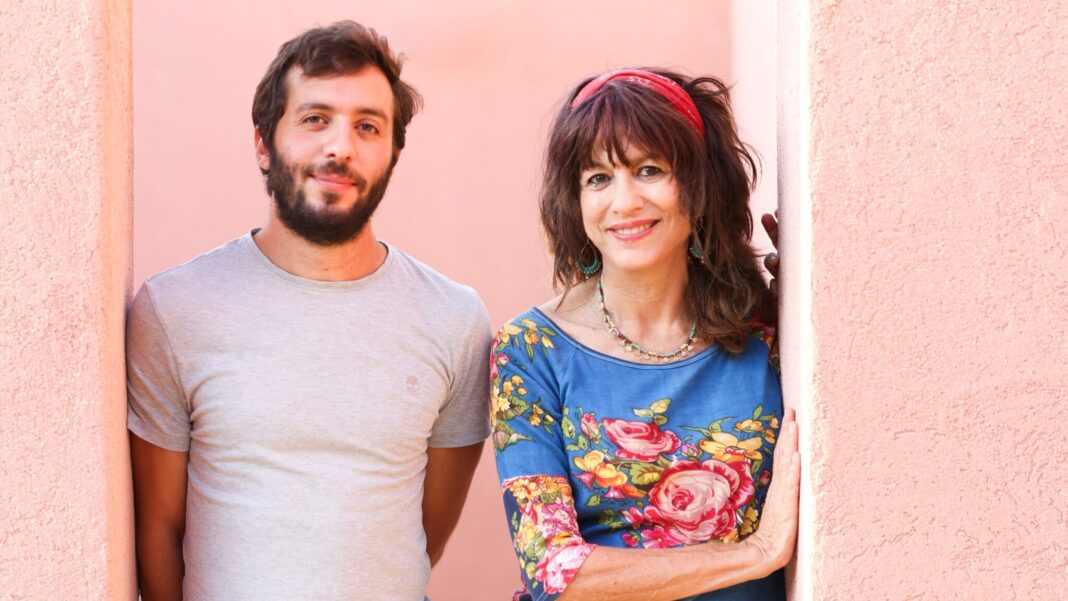
::Jewish Climate Trust

TRENDING

Everything is better when you spend 5 days in a cave

She spent 5 days in a cave in the dark. See what it did to her body.

Why Health Systems Are Reaching a Turning Point

Health emerges from a continuous energy and material flow from water through food to human physiology. Technical energy systems support this cycle through water treatment, agriculture, and infrastructure.

From Green Energy to Healthy Societies: Why old systems thinking is becoming relevant again

Across the Middle East and North Africa, large investments are being made in green hydrogen, renewable energy, water infrastructure and sustainability. Most of these efforts are discussed in the context of climate change, decarbonization and economic diversification. That framing is important, but it may not capture their full value.

Kabbalah sages once lived on carob and now the superfruit returns as a modern prebiotic

From Rabbi Shimon’s cave to a global marketplace hungry for sustainable nutrition, carob’s revival reminds us that sometimes the future of food grows from the oldest roots of all.

Blackdot’s painless AI-based tattoos will make inked skin less taboo?

Blackdot’s AI-powered tattoo machine promises precision and less pain, but sparks debate over health risks, artistry, and spirituality. From religious prohibitions to smart tattoos, the future of ink is being rewritten by technology.

Turning Your Energy Consultancy into an LLC: 4 Legal Steps for Founders in Texas

If you are starting a renewable energy business in Texas, learn how to start an LLC by the books.

Tracking the Impacts of a Hydroelectric Dam Along the Tigris River

For the next two months, I'll be taking a break from my usual Green Prophet posts to report on a transnational environmental issue: the Ilısu Dam currently under construction in Turkey, and the ways it will transform life along the Tigris River.

6 Payment Processors With the Fastest Onboarding for SMBs

Get your SMB up and running fast with these 6 payment processors. Compare the quickest onboarding options to start accepting customer payments without delay.

Qatar’s climate hypocrisy rides the London Underground

Qatar remains a master of doublethink—burning gas by the megaton while selling “sustainability” to a world desperate for clean air. Wake up from your slumber people.

How Quality of Hire Shapes Modern Recruitment

A 2024 survey by Deloitte found that 76% of talent leaders now consider long-term retention and workforce contribution among their most important hiring success metrics—far surpassing time-to-fill or cost-per-hire. As the expectations for new hires deepen, companies must also confront the inherent challenges in redefining and accurately measuring hiring quality.

8 Team-Building Exercises to Start the Week Off 

Team building to change the world! The best renewable energy companies are ones that function.

Thank you, LinkedIn — and what your Jobs on the Rise report means for sustainable careers

While “green jobs” aren’t always labeled as such, many of the fastest-growing roles are directly enabling the energy transition, climate resilience, and lower-carbon systems: Number one on their list is Artificial Intelligence engineers. But what does that mean? Vibe coding Claude? 

Somali pirates steal oil tankers

The pirates often stage their heists out of Somalia, a lawless country, with a weak central government that is grappling with a violent Islamist insurgency. Using speedboats that swarm the targets, the machine-gun-toting pirates take control of merchant ships and then hold the vessels, crew and cargo for ransom.

Related Articles

Popular Categories