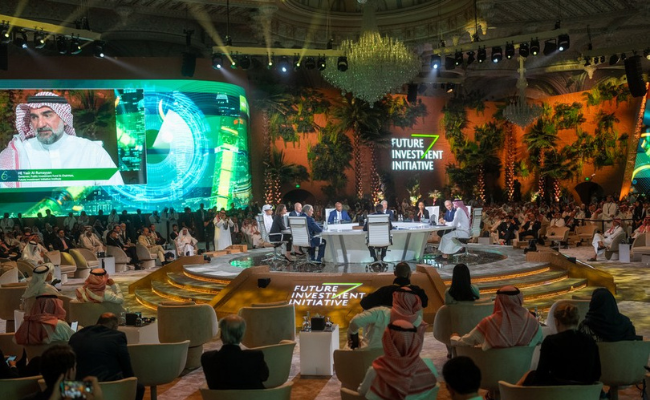
As world leaders and billionaires descend on Riyadh for this year’s Future Investment Initiative — better known as “Davos in the Desert” — we wonder where the planet fairs in all this political business talk. Saudi Arabia’s Vision 2030 plan has turned the kingdom into an unlikely global stage for innovation and investment, drawing over 20 heads of state, 50 ministers, and hundreds of financiers, tech executives, and policy shapers.
Some of the “diplomats” include Syria’s newest leader, Ahmed al-Sharaa, also known by his nom de guerre Abu Mohammad al-Julani, a Syrian politician, revolutionary, and former leader of Al Qaeda, that once had a bounty of $10 million USD on his head. We can see where this is going.
I am always hopeful, if not naive. Can this gathering of powerbrokers truly help save the planet, or is it another round of green-tinted self-congratulation? The event’s stated goal is to explore “new pathways for global prosperity.” In practice, that has meant spotlighting artificial intelligence, clean energy, healthtech, and new financial models.
The 2025 program dedicates half its panels to technology — a smart move given AI’s potential to optimize energy grids, improve climate modeling, and make sustainable materials scalable. Yet the conference’s foundation remains an oil-wealth economy seeking reinvention.
That contradiction — a fossil-fuel kingdom hosting a climate-focused summit — is what makes Davos in the Desert both fascinating and ridiculous.
Those attending read like a cross-section of global capital: sovereign wealth fund managers, CEOs of major banks, and tech visionaries courting Middle Eastern investment. Delegations from Africa, Asia, and Europe are also there, positioning their nations for partnership in a rapidly diversifying Gulf. Deals worth billions will likely be announced — infrastructure, AI, renewables, even biotech.
Yet the “green” voice remains muted. Few grassroots environmentalists or Indigenous leaders will sit beside the financiers. And while Saudi Arabia is investing heavily in solar, hydrogen, and reforestation, the absence of climate justice advocates, biodiversity scientists, and youth voices limits what the event can achieve beyond rhetoric.
Who Should Be Invited Next Year?
If Davos in the Desert wants to pivot from an elite networking forum to a genuine force for ecological regeneration, the guest list must evolve. Imagine Indigenous guardians of the Amazon, coral reef scientists, African solar entrepreneurs, and women leading rewilding projects in the Sahel sharing the stage with Wall Street executives. These are the people who embody solutions already working on the ground — the missing link between boardroom strategy and planetary repair. Or real, proven climate tech leaders who don’t mince words? Where do the voices of reason get lost when big money is on the table?
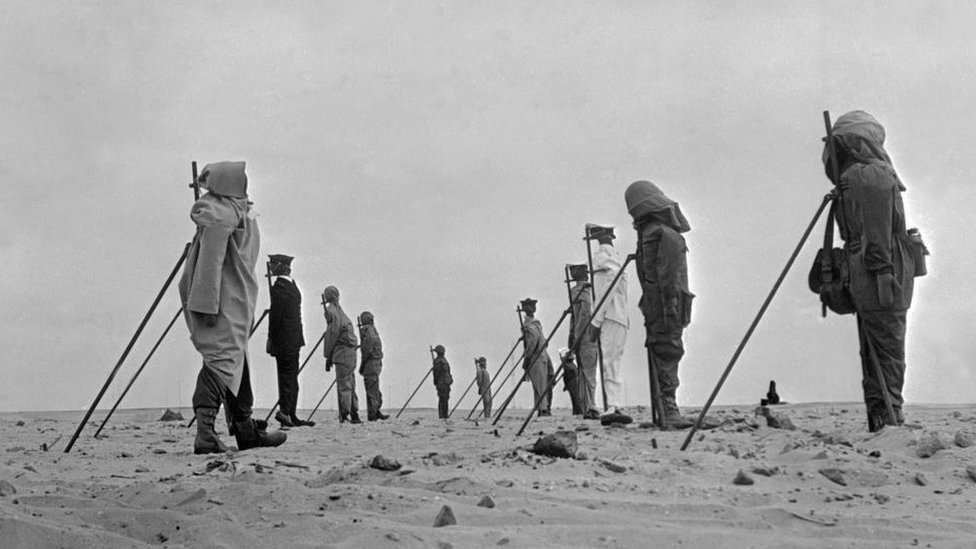
Saudi Arabia’s desert may seem an unlikely place to host a green renaissance, but it could become one as we showed with the investment in the company iyris, a greenhouse tech developed by foreigners from the UK and Turkey. Water scarcity, heat, and rapid urbanization make the region a living laboratory for resilience. If the FII community directs even a fraction of its capital toward desert greening, regenerative agriculture, and circular infrastructure, it could turn the Gulf into a model for climate adaptation. Oil is not going to last forever. Wells may keep getting “released” but the moment we fix fusion and have limitless energy, the Gulf Countries will become obsolete. Their fancy cities will look like a mirage.
To save the planet, investment summits like this must go beyond pledges. They must measure success in restored ecosystems, revived species, and resilient communities — not just in GDP growth. Until then, Davos in the Desert remains but a mirage: shimmering with possibility, but still waiting for its true oasis moment.
Read more on Green Prophet about Saudi Arabia’s Vision 2030, AI in climate innovation, and how deserts could lead the next green revolution.