Al Gore warned in An Inconvenient Truth: “We are witnessing a collision between our civilization and the Earth.” In Brussels, President Ursula von der Leyen often echoes that urgency. But behind the podium, a series of fresh EU moves points the other way—toward loosening rules, delaying targets, and giving industry more “breathing space.” It’s the kind of slow-turn that watchdogs call corporate or climate capture.
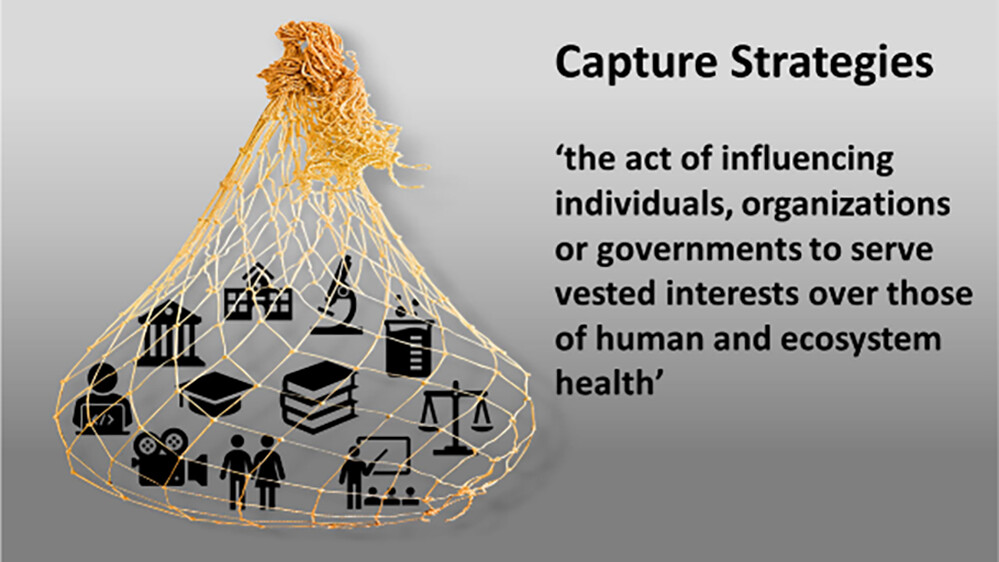
A new peer-reviewed paper in Environmental Science & Technology Letters synthesizes decades of evidence on how powerful sectors shape the institutions meant to regulate them. The authors—led by Prof. Alex Ford—warn that such influence will obstruct progress on the UN’s “triple planetary crisis” of climate change, biodiversity loss, and chemical pollution. Their description of subtle, systemic steering reads like a checklist for Europe’s latest policy pivots.
In June, the Commission hit the brakes on the flagship anti-greenwashing law—the Green Claims Directive—saying the file had become too burdensome for small firms and signaling it could be shelved. That pause/withdrawal would weaken proof requirements for “carbon-neutral,” “biodegradable,” and similar claims—an own goal for consumer trust.
Through the summer, the executive also opened the door to further “simplifications” of environmental law after waves of industry criticism—reducing the scope of corporate sustainability reporting and easing due-diligence expectations in supply chains, while entertaining calls to soften other green files. The EU Ombudsman is reviewing whether these weakenings advanced without adequate public input.
Member states, for their part, are pressing to dilute or delay other pillars. A majority have pushed for more changes to the EU’s anti-deforestation law before its rollout, arguing producers can’t meet requirements—despite the law being a world-first attempt to curb imported forest loss. And as the New York Climate Week conversations ramp up, the bloc is struggling to agree the 2040 climate target—diplomats say a deal has slipped, risking credibility just as the world compares notes on ambition. Another failing of a mammoth EU organization not able to stand for anything in unity?
None of this proves intent to stall climate action. But the pattern—weakening consumer protections against greenwashing, trimming corporate accountability, softening land-use safeguards, and hesitating on the next-decade target—mirrors the “tactics of delay” described in the capture literature. As the new study notes, influence is often quiet and procedural, not headline-grabbing.
Climate Week exists to turn targets into timelines and timelines into budgets. If the EU wants to model leadership, the path is straightforward: restore a strong Green Claims law with independent verification; close loopholes in supply-chain due diligence instead of widening them; protect the integrity of the anti-deforestation regime; and lock in a science-based 2040 goal that keeps 1.5°C within reach.