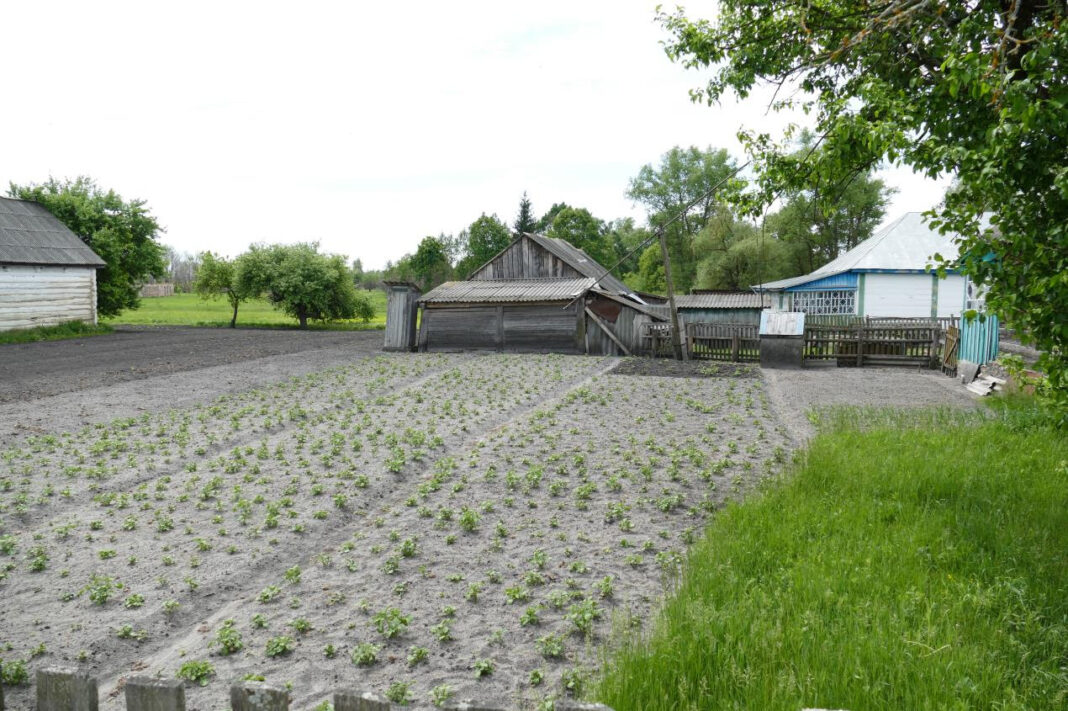
Bringing back the farm after a nuclear meltdown

Bring back the farm after a nuclear meltdown

Thousands of hectares of Chornobyl-affected farmland, long deemed too dangerous for cultivation in northern Ukraine can safely return to production, according to new research.

The study, led by the University of Portsmouth and the Ukrainian Institute of Agricultural Radiology, developed a method for the safe reassessment of farmland abandoned after the 1986 nuclear accident.

Published in the Journal of Environmental Radioactivity, the research opens the door to potentially reclaiming large areas land for agricultural use – land that has remained officially off-limits for over three decades due to radioactive contamination.
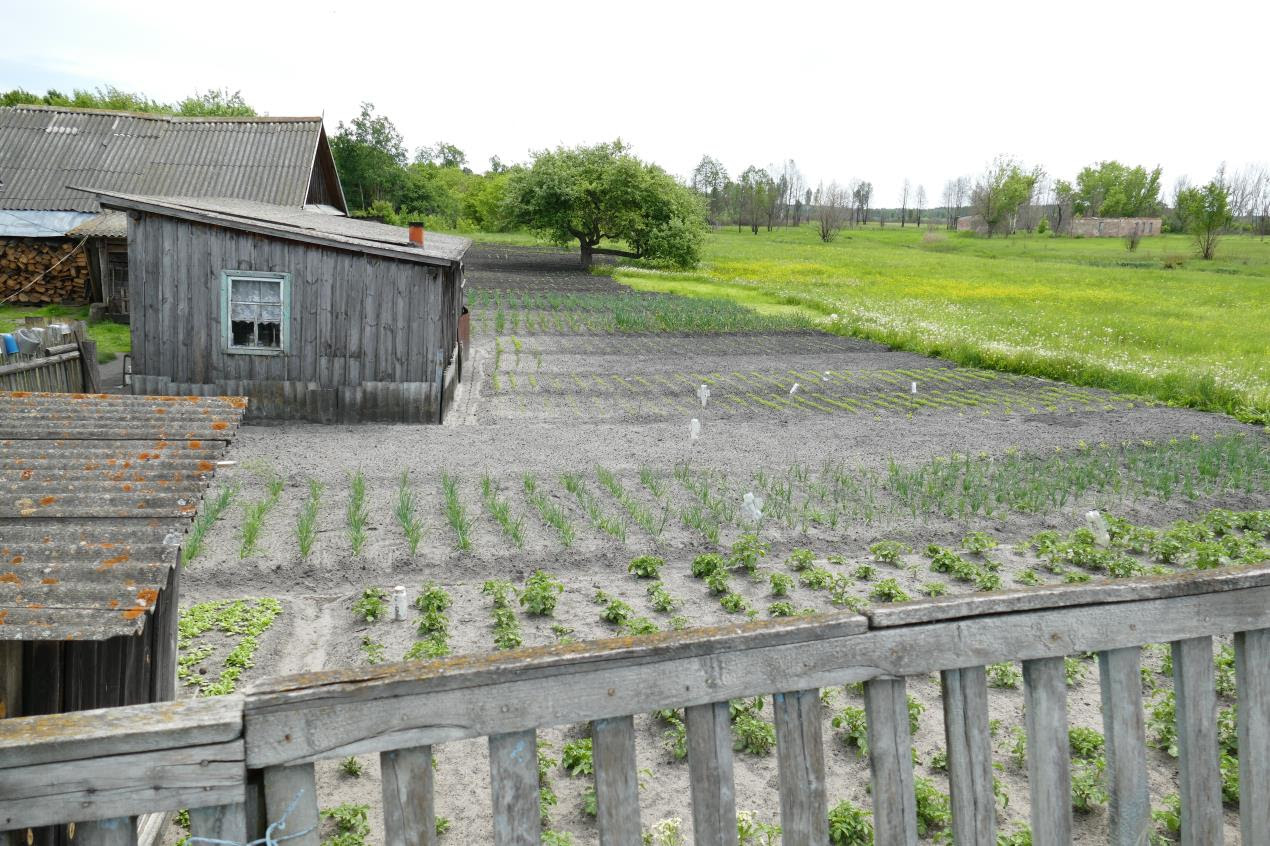
Since the Chornobyl disaster, large regions of northern Ukraine were designated as too hazardous for farming. The 4200 square kilometre “Chornobyl Exclusion Zone” around the nuclear site remains uninhabited and is now one of Europe’s largest nature reserves.

Related: The radioactive church in Japan

A second 2000 square km area – the “Zone of Obligatory Resettlement” – was never fully abandoned. The area is home to thousands of people, has schools and shops but no official investment or use of land is allowed.

Since the 1990’s scientists in Ukraine and overseas have been saying that the land can be safely used again despite contamination by radiocaesium and radiostrontium. But political complexities have meant that the land remains officially abandoned. That hasn’t stopped a few farmers taking matters into their own hands and beginning unofficial production in some areas. The new study has confirmed that the farmers were right – crops can be grown safely in most areas.

Using a 100-hectare test site in the Zhytomyr region, the researchers developed a simple yet robust protocol to evaluate contamination levels and predict the uptake of radioactive substances by common crops such as potatoes, cereals, maize, and sunflowers.

By analysing soil samples and measuring external gamma radiation, the researchers confirmed that the effective radiation dose to agricultural workers is well below Ukraine’s national safety threshold, and significantly lower than background radiation levels experienced naturally all over the world.

The findings show that, with proper monitoring and adherence to Ukrainian food safety regulations, many crops can be safely grown in these previously restricted zones.
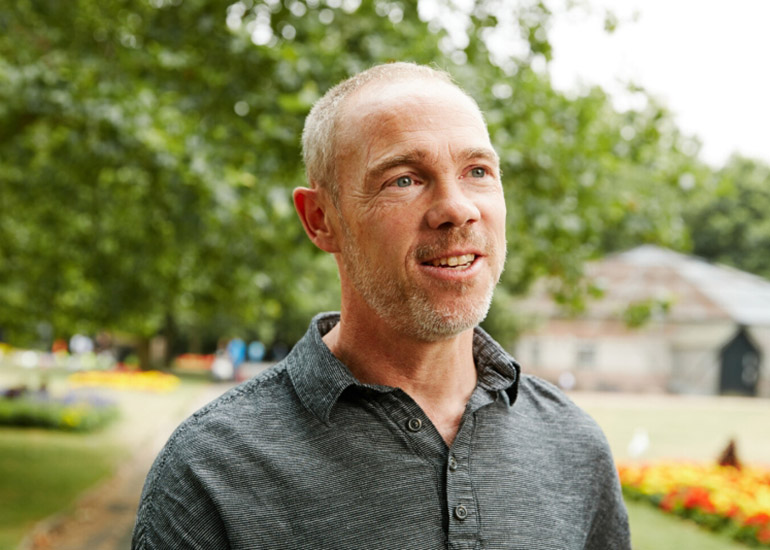
Jim Smith, radiation researcher

Professor Jim Smith from the University of Portsmouth was lead author of the study. He said: “This research is important for communities affected by the Chornobyl disaster. Since 1986 there has been a lot of misinformation about radiation risks from Chornobyl which has negatively impacted on people still living in abandoned areas. We now have a validated, science-based approach for bringing valuable farmland back into official production while demonstrating safety for both consumers and workers.”

The team hopes this protocol can serve as a model for other regions worldwide dealing with long-term radioactive contamination. With careful implementation and community involvement, the researchers believe Ukraine could safely reclaim up to 20,000 hectares of agricultural land, contributing to food security and rural development.

“This isn’t just about Chornobyl”, said Professor Smith. “It’s about applying science and evidence to ensure people are protected, while making sure land isn’t needlessly left to waste.”

Karin Kloosterman
Karin Kloostermanhttp://www.greenprophet.com
Karin Kloosterman is an award-winning journalist, innovation strategist, and founder of Green Prophet, one of the Middle East’s pioneering sustainability platforms. She has ranked in the Top 10 of Verizon innovation competitions, participated in NASA-linked challenges, and spoken worldwide on climate, food security, and future resilience. With an IoT technology patent, features in Canada’s National Post, and leadership inside teams building next-generation agricultural and planetary systems — including Mars-farming concepts — Karin operates at the intersection of storytelling, science, and systems change. She doesn’t report on the future – she helps design it. Reach out directly to [email protected]

LEAVE A REPLY

Please enter your comment!
Please enter your name here

TRENDING

Can biochar reduce ‘Forever Chemicals’ in food if it’s used in farms?

Biochar is produced by heating organic material in a low-oxygen environment so it does not burn. This process, known as pyrolysis, transforms plant matter into a stable, carbon-rich material.

Egypt building nuclear power

Egypt is building a nuclear energy plant, expected to go online in 2026 when countries like Germany have shut down all its domestic nuclear power. The El Dabaa Nuclear Power Plant is the first nuclear power plant planned for Egypt and will be located at El Dabaa, Matrouh Governorate, Egypt, about 320 kilometers northwest of Cairo. 

EU’s CAP reform continues trend of supporting small farmers in hour of need

Despite mounting political opposition, growing scientific criticism and even the retreat of many former industrial supporters like Nestlé and Danone, certain member-states and supermarket chains continue to prop up Nutri-Score. The Commission must therefore remain vigilant to ensure these attempts do not undermine farmers, distort fair competition or compromise the integrity of the single market – particularly as other pressing threats loom on the horizon.

How Israel’s Strikes Avert Iran’s Environmental Threat

The strikes on Iran have sparked fierce debate, but from Israel’s perspective, the choice was easy: either accept the risks of a nuclear Iran or act decisively to stop it.

These glasses see microplastics on the farm

Conventional detection methods, such as sample taken and looking under a microscope to count the bits is time-consuming, labor-intensive, and often ineffective at identifying small particles, making them impractical for large-scale monitoring. 

Qatar’s climate hypocrisy rides the London Underground

Qatar remains a master of doublethink—burning gas by the megaton while selling “sustainability” to a world desperate for clean air. Wake up from your slumber people.

How Quality of Hire Shapes Modern Recruitment

A 2024 survey by Deloitte found that 76% of talent leaders now consider long-term retention and workforce contribution among their most important hiring success metrics—far surpassing time-to-fill or cost-per-hire. As the expectations for new hires deepen, companies must also confront the inherent challenges in redefining and accurately measuring hiring quality.

8 Team-Building Exercises to Start the Week Off 

Team building to change the world! The best renewable energy companies are ones that function.

Thank you, LinkedIn — and what your Jobs on the Rise report means for sustainable careers

While “green jobs” aren’t always labeled as such, many of the fastest-growing roles are directly enabling the energy transition, climate resilience, and lower-carbon systems: Number one on their list is Artificial Intelligence engineers. But what does that mean? Vibe coding Claude? 

Somali pirates steal oil tankers

The pirates often stage their heists out of Somalia, a lawless country, with a weak central government that is grappling with a violent Islamist insurgency. Using speedboats that swarm the targets, the machine-gun-toting pirates take control of merchant ships and then hold the vessels, crew and cargo for ransom.

Leopoldo Alejandro Betancourt López Turned Ocean Plastic Into Profitable Sunglasses

Few fashion accessories carry the environmental burden of sunglasses. Most frames are constructed from petroleum-based plastics and acrylic polymers that linger in landfills for centuries, shedding microplastics into soil and waterways long after they've been discarded. Leopoldo Alejandro Betancourt López, president of the Spanish eyewear brand Hawkers, saw this problem differently than most industry executives.

Why Dr. Tony Jacob Sees Texas Business Egos as Warning Signs

Everything's bigger in Texas. Except business egos.  Dr. Tony Jacob figured...

Israel and America Sign Renewable Energy Cooperation Deal

Other announcements made at the conference include the Timna Renewable Energy Park, which will be a center for R&D, and the AORA Solar Thermal Module at Kibbutz Samar, the world's first commercial hybrid solar gas-turbine power plant that is already nearing completion. Solel Solar Systems announced it was beginning construction of a 50 MW solar field in Lebrija, Spain, and Brightsource Energy made a pre-conference announcement that it had inked the world's largest solar deal to date with Southern California Edison (SCE).

Related Articles

Popular Categories