A museum for Middle East soil

Four years on, the Emirates Soil Museum has carved out a reputation for itself as a go-to place of learning about environmental protection and sustainable development in the UAE and beyond.

If you think of the Middle East, sand, not soil comes to mind. But the complex ecosystem which includes Turkey, Lebanon, Israel, Iraq, Iran and the United Arab Emirates has a rich soil tradition, the Levant especially as it is once considered the bread basket of the planet, and it’s where emmer wheat was first cultivated.

Now the United Arab Emirates has declared they will build a soil museum of the Middle East. Like seed banks, dispersed in underground vaults and fridges throughout the world, a soil bank can help us know more about the complex and rich ecosystems of the east.

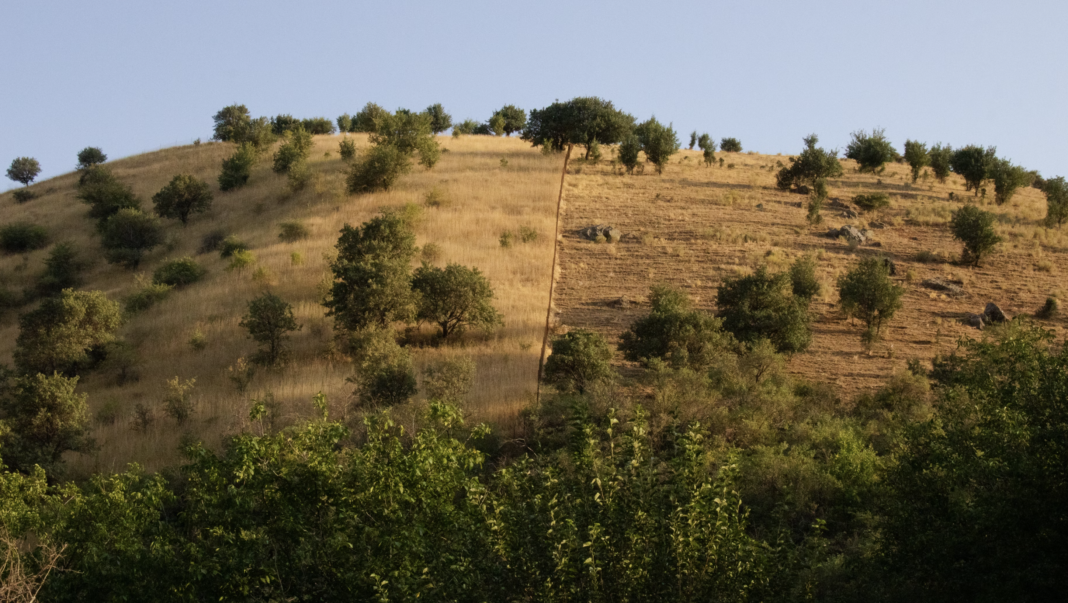
Soil in Uzbekistan
Soil in Uzbekistan

Designed to promote soil conservation and responsible resource management in arid environments, the guide will serve as a blueprint for institutions across the region. Backed by ADFD funding, the guide will be transformed into a practical training and capacity-building programme featuring technical workshops and scientific mentoring. ICBA will lead the technical delivery, drawing on its expertise in sustainable agriculture and its success in launching and operating the Emirates Soil Museum.

Soil in Lebanon

The Abu Dhabi Fund for Development (ADFD) and the International Center for Biosaline Agriculture (ICBA) will fund and develop the Middle East and North Africa’s first comprehensive guide for establishing and operating soil museums.

Mohamed Saif Al Suwaidi, Director General of ADFD, said: “This initiative reflects our unwavering commitment to environmental sustainability and knowledge partnerships. We believe science-backed solutions like this museum guide can shape regional resilience and inform effective policies for generations to come.”

Four years on, the Emirates Soil Museum has carved out a reputation for itself as a go-to place of learning about environmental protection and sustainable development in the UAE and beyond.

Four years on, the Emirates Soil Museum has carved out a reputation for itself as a go-to place of learning about environmental protection and sustainable development in the UAE and beyond. Four years on, the Emirates Soil Museum has carved out a reputation for itself as a go-to place of learning about environmental protection and sustainable development in the UAE and beyond.

The agreement also outlines the organization of an international scientific symposium on 5 December 2025 to coincide with World Soil Day, with the participation of over 200 experts, researchers, and decision-makers from around the world to discuss soil, salinity, and climate change issues in arid regions.

Established in December 2016 with support from ADFD, Emirates Soil Museum is the first specialized soil museum in the region. Located at ICBA’s headquarters in Dubai, the museum aims to raise awareness about the role of soil in the environment, agriculture, and food security, while showcasing the diversity of soil types in the UAE.

Soil bank in the UAE

Since its launch, the museum has welcomed more than 13,500 visitors from various sectors of society and has become a reference center for environmental awareness and non-traditional education. Time for a wider understanding of soil and how it sustains life.

::Emirates Soil Museum

Karin Kloosterman
Karin Kloostermanhttp://www.greenprophet.com
Karin Kloosterman is an award-winning journalist, innovation strategist, and founder of Green Prophet, one of the Middle East’s pioneering sustainability platforms. She has ranked in the Top 10 of Verizon innovation competitions, participated in NASA-linked challenges, and spoken worldwide on climate, food security, and future resilience. With an IoT technology patent, features in Canada’s National Post, and leadership inside teams building next-generation agricultural and planetary systems — including Mars-farming concepts — Karin operates at the intersection of storytelling, science, and systems change. She doesn’t report on the future – she helps design it. Reach out directly to [email protected]

TRENDING

What are AWG air-water generators, and why they aren’t a golden-bullet solution (yet)

Atmospheric water generators (AWGs) sound like magic: machines that can pull drinking water out of air. The idea is mentioned in the Bible, where the elders would pray for water collected as dew on plants and the catch on turning this into a machine is in the physics. To turn invisible vapor into liquid, you must remove heat, especially the latent heat of condensation.

Can biochar reduce ‘Forever Chemicals’ in food if it’s used in farms?

Biochar is produced by heating organic material in a low-oxygen environment so it does not burn. This process, known as pyrolysis, transforms plant matter into a stable, carbon-rich material.

Medical cannabis Syqe lays off 30% of its workforce

This backing gave Syqe financial muscle and strategic reach—but also raises reputational and strategic risks, given tobacco’s fraught public perception in the health space. Imagine if McDonald’s bought into a regenerative kale farm. The cash infusion could scale production, but people would always wonder if the lettuce was being served with a side of fries. 

Dubai overfishing: 13 years after Tafline’s warning

In 2012, Green Prophet sounded the alarm about depleted Gulf fish stocks and weak enforcement in Dubai. Revisit Tafline Laylin’s original piece here: Dubai Finally Gets Serious About Overfishing.

Soil has hidden antibiotics ready to be found –– and the new race to find them

Most bacteria in soil cannot be cultured in the...

Should You Invest in the Private Market?

startustartup Unlike public stock exchanges, which offer daily trading, strict...

How to build a 100-year-company

Kongō Gumi is a Japanese construction company, purportedly founded in 578 A.D., making it the world's oldest documented company. What can we learn about building sustainable businesses from them?

From Pilot Plant to Global Stage: How Aduro Clean Technologies’ 2026 Expansion Signals a Turning Point for Chemical Recycling Investors Like Yazan Al Homsi

The company's Next Generation Process (NGP) Pilot Plant in London, Ontario, has officially moved into initial operating campaigns, generating the kind of structured, repeatable data that separates laboratory promise from commercial viability.

How AI Helps SaaS Companies Reduce Repetitive Customer Support Work

SaaS products are designed for large numbers of users with different levels of experience, and also in renewable energy.

Pulling Water from the Air

Faced with water shortage in Amman, Laurie digs up...

Turning Your Energy Consultancy into an LLC: 4 Legal Steps for Founders in Texas

If you are starting a renewable energy business in Texas, learn how to start an LLC by the books.

Tracking the Impacts of a Hydroelectric Dam Along the Tigris River

For the next two months, I'll be taking a break from my usual Green Prophet posts to report on a transnational environmental issue: the Ilısu Dam currently under construction in Turkey, and the ways it will transform life along the Tigris River.

6 Payment Processors With the Fastest Onboarding for SMBs

Get your SMB up and running fast with these 6 payment processors. Compare the quickest onboarding options to start accepting customer payments without delay.

Related Articles

Popular Categories