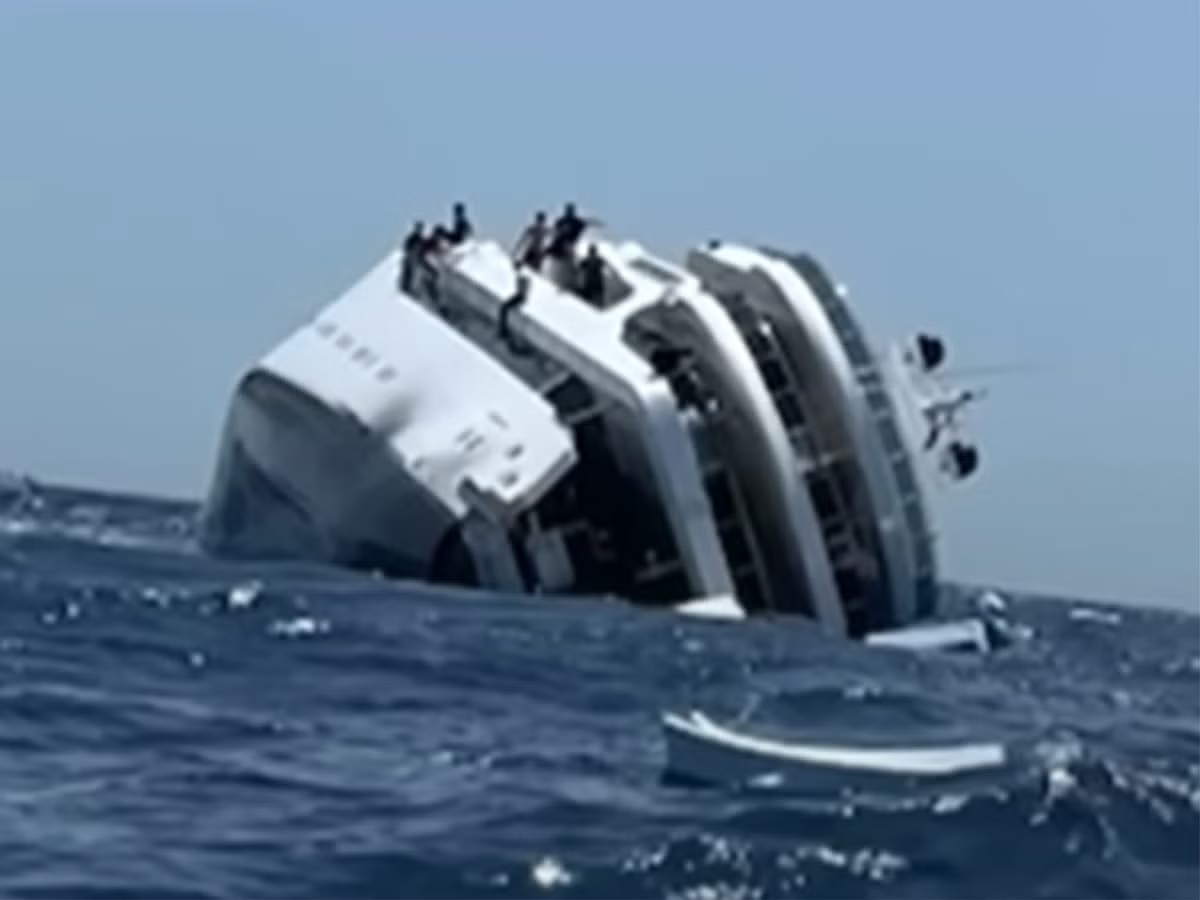
- Carlton Queen Dive boat sinks in Egypt in 2023
Diving is a beautiful hobby and pastime. It’s a sport that connects you with nature, new habitats and people, and gives you an opportunity to learn about marine life and the importance of saving the marine habitat, like kelp forests. But diving is a dangerous sport –– not only because you can be going 100 feet underwater kept alive by a tank but because there are hazards you can’t control connected to the safety of the dive ship you might choose. There is no place in the world where so many dive ships sink as in Egypt.
The busy location on the Red Sea is a favorite because of the location close to Europe, the charm of the Egyptian people, the gorgeous Red Sea and area around Sinai and the low cost. Low wages paid to divemasters and crew means a good price for customers, but it does not bode well necessarily for safety considerations. We interview a survivor’s family here.
A recent disaster on the Red Sea

Location of the Sea Story tragedy on the Red Sea A 44-person live aboard ship sunk off the Red Sea coast last week. Four people have died and seven people are still unaccounted for. We wrote about the possible reasons for the accident. One past customer of the company, a diver, has said that the boat My Sea Story wasn’t suited for open water areas. And that safety concerns were not in place when she vacationed with the company a few years ago. We interviewed a survivor’s family here and the re
Diver and researcher Jan-Philipp Lauer from Germany reached out to Green Prophet and said the ”that stability issues may have contributed to the sinking of the Sea Story. This should be further investigated.”
He tells Green Prophet: “Following last year’s Carlton Queen accident, I worked with Taucher.Net to shed light on why these accidents keep happening.”
Taucher.Net is a Scuba diving platform.
Live aboard in Sharm el Sheikh Egypt
“Kiel University of Applied Sciences worked with us and Justus Schiszler wrote his bachelor thesis about diving liveaboard vessel safety (download it here). He also performed stability calculations on Carlton Queen based on photos.
“The calculations based on these photos showed that Carlton Queen’s stability was likely significantly lower than what would be considered adequate for a seagoing vessel. The same is, unfortunately, true for many diving liveaboards. There are no stability calculations for many of them.”
David Taylor, from Treswell in Nottinghamshire, thought he and his son Christian thought they were going to die when they realised they were trapped below deck on the Carlton Queen diving boat last year. “I started to lose the plot. I really was panicking we were going to die. There was no way to get out,” he told British media.
Make sure your liveaboard knows this safety audit checklist

Safety checklist underwater An inspection checklist before you dive can be found here.
The checklist is intended for maritime surveyors as many requirements are too technical for non-experts. It constitutes a stopgap measure since the same level of safety cannot be reached if a vessel is not built to appropriate classification society standards. For example, vessels with wooden hulls are not permissible under SOLAS.
“Since the bachelor thesis was completed,” Lauer adds, “we made significant progress with an independent audit program for diving liveaboards. A first version of an audit checklist is available on my website.
In summary, the thesis found:
- 1 fatality every 37.8 accidents in shipping, for example cruise ships and container ships, which must all be SOLAS-compliant.
- 1.2 or 2 fatalities per accident in diving liveaboard vessels (depending on the exclusion/inclusion of the Conception accident)
This difference, Lauer notes on his website, “in the level of safety offered by shipping versus diving liveaboards is alarming.”
Lauer notes on his website that since the sinking of the Titanic, strict regulations were put in place to ensure another accident wouldn’t lead to catastrophic loss of life like we saw back then. Safety of Life at Sea (SOLAS) was born.
SOLAS is an international maritime treaty designed to establish minimum safety standards for ship construction, equipment, and operation of ships and large boats. SOLAS is currently only mandatory for commercial vessels bigger than 500 gross tons or commercial vessels on international voyages (with some more exceptions). Smaller vessels can comply with SOLAS voluntarily. However, liveaboard vessels are generally smaller than 500 gross tons and do not engage in international voyages and thus SOLAS is not mandatory for them. Only national regulations apply to them.
None of the vessels involved in recent Red Sea and South Asian dive boat accidents were SOLAS certified.
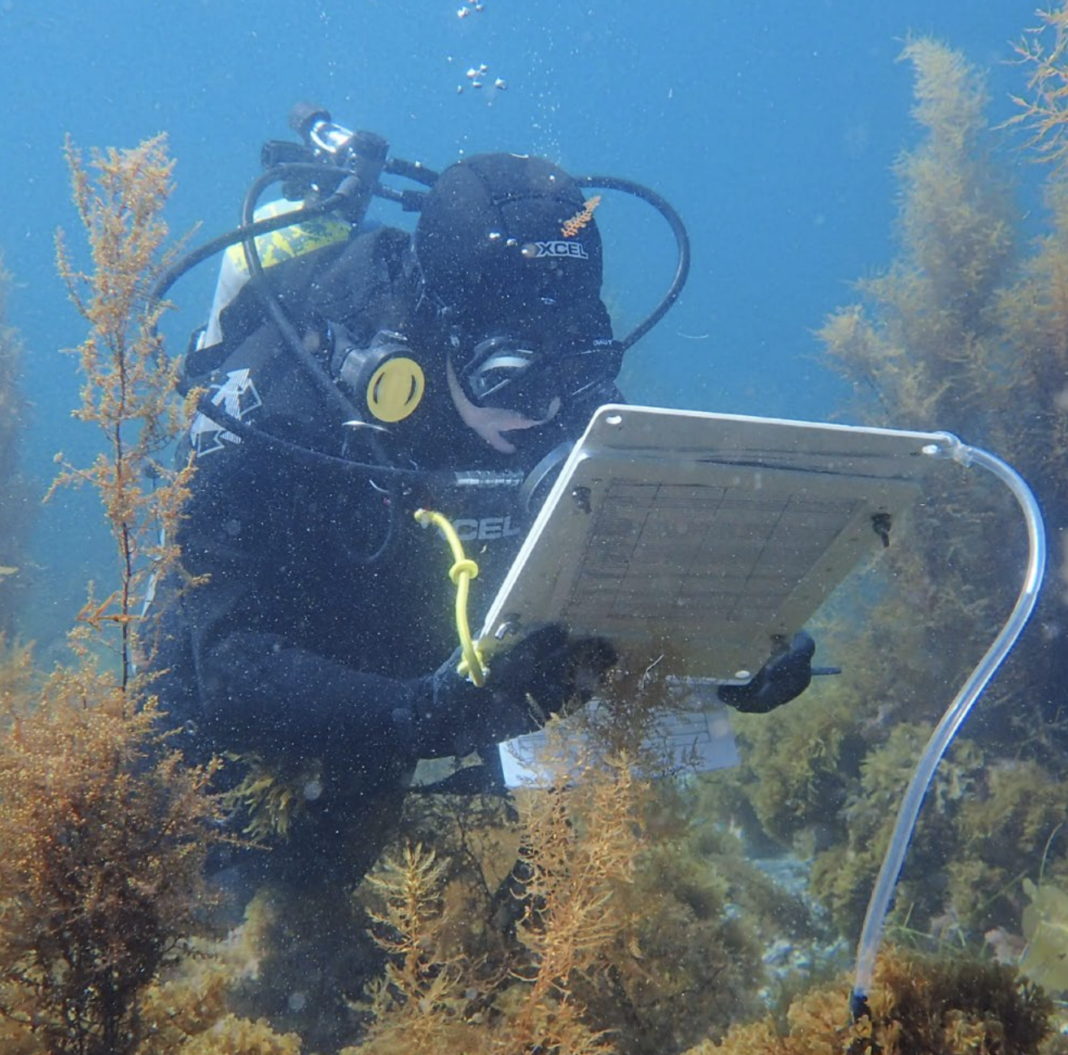
Diving live aboard safety concerns in Egypt spurs thesis and safety checklist

Impact Investing
- Act
- Agriculture
- Ancient
- Animals
- Archeology
- Architecture
- Art
- Artificial Intelligence
- Beauty
- Book Reviews
- Business
- Cities
- Climate
- Craft
- Design
- Eco Alert
- Economy
- Energy
- Fashion
- Food
- Gardening
- Good Job
- Health
- Home
- Lifestyle
- Nature
- Peace
- Politics
- Recipe
- Religion
- Science
- Stuff
- Sustainable
- Tech
- Technology
- Transportation
- Travel
- Water
- العربية
More
Popular Categories
Previous article

Next article