

The Middle East North American beauty market is estimated at $60 billion by 2025 and it currently sits at $46 billion USD according to The Middle East Market Report. MENA countries include Saudi Arabia, the United Arab Emirates, Kuwait, Oman, Jordan Lebanon, Syria, Israel, Tunisia, Afghanistan, Libya, Morocco, Greece and sometimes Turkey.
Currently valued at $46 billion, the MENA beauty industry is projected to grow to $60 billion by 2025, driven by a young, addicted population and rising incomes.

There is a growing demand for “A-beauty” (Arab beauty) products that cater specifically to regional preferences and color palettes, and skin tone, and a surge in local brands like Saudi-based Asteri and Omani luxury fragrance house Amouage. Israeli-conceived Moroccan Oil and Yes To products are some better known ones in the mainstream.
One standout trend is the region’s focus on heritage and local ingredients, with many consumers in places like Saudi Arabia prioritizing brands that preserve cultural traditions. See the folk Bedouin beauty products of Miriam Aborkeek.
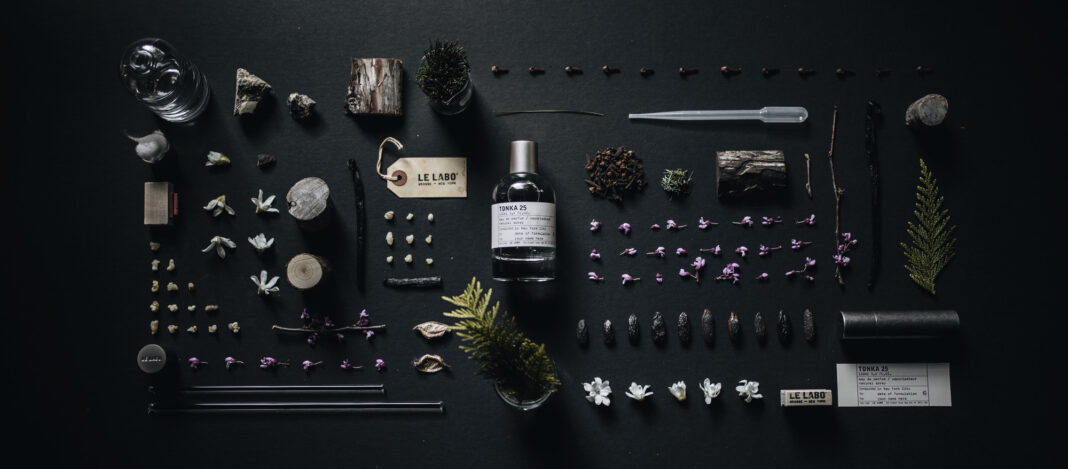
We prefer natural perfumes like Le Labo as they don’t engage with and mess with your endocrine system.

E-commerce is expected to hit $50 billion by 2025, driven by high online engagement, particularly in Saudi Arabia, where 82% of the population consumes digital content regularly.
Beauty categories such as skincare, make-up, and fragrance will see double-digit growth, with the global fragrance market expected to reach $7.21 billion by 2032, largely influenced by the UAE and Saudi Arabia.