Sea creatures and reefs are taking blood pressure medication and laxatives

artificial reef in Eilat, Israel
An artificial reef in Eilat, Israel

Coral reef hunters find 10 human pharmaceuticals in the Red Sea

Coral reefs are being bathed in common household pharmaceuticals from blood pressure medication to laxatives antidepressants: A new study from Tel Aviv University at the Red Sea detected traces of 10 common medications in coral samples collected from both shallow and deep sites in the Gulf of Eilat.

Sulfamethoxazole, an antibiotic used for respiratory and urinary tract infections, was found in as many as 93% of the sampled corals.

The researchers obtained a list of the most commonly used pharmaceuticals in Israel from their health services. Testing for 18 of these compounds, they detected 10 of them in the coral samples. Not even a single sample, retrieved from either shallow or deep water, was found to be drug-free.

The 10 pharmaceuticals found in the corals belonged to different categories: antibiotics, blood pressure medications, antiplatelet agents, calcium channel blockers, laxatives, proton pump inhibitors, statins, and antidepressants.
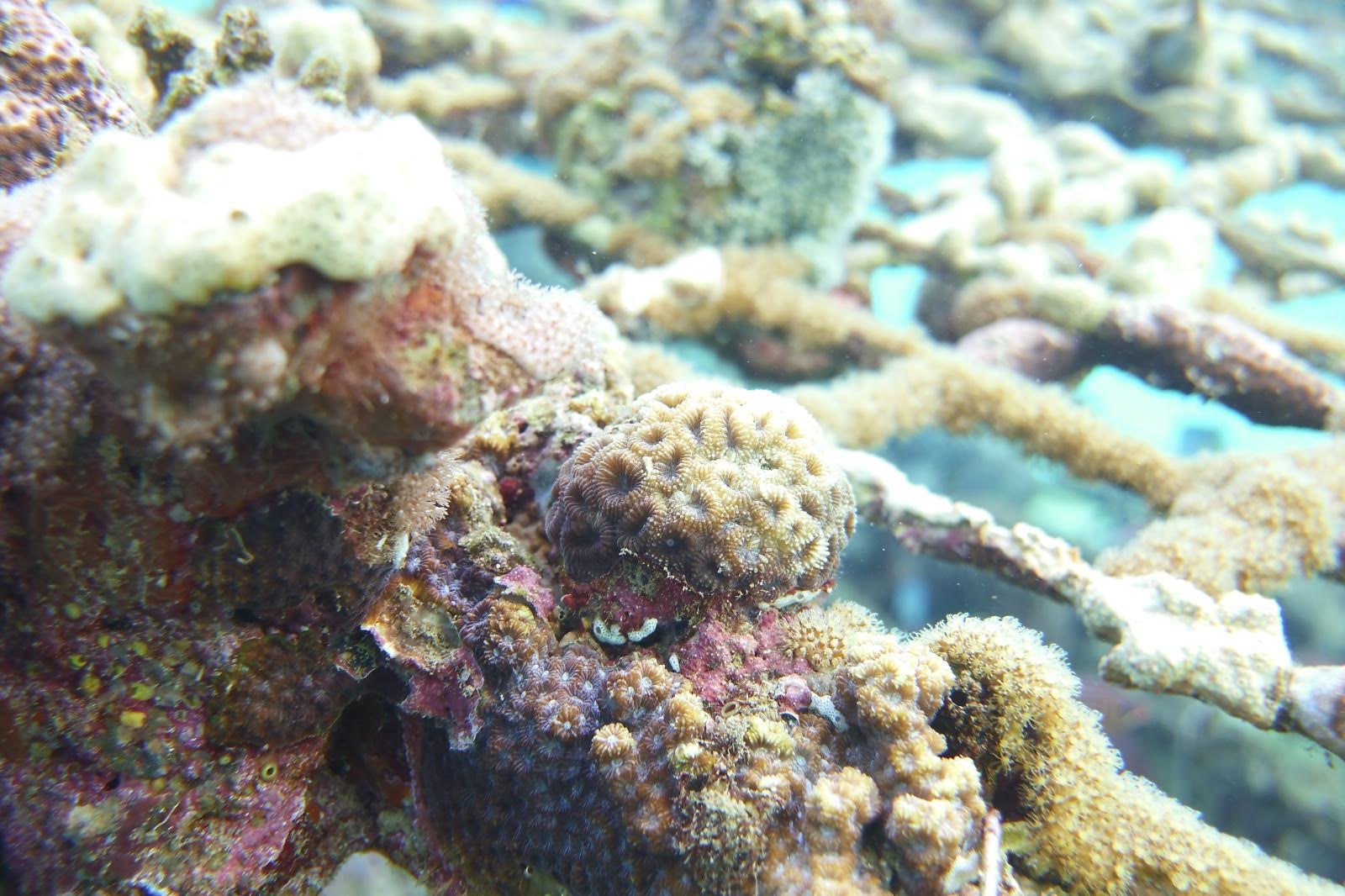
Studied coral genera Acropora sp. and Favites sp. growing on artificial substrates in the Underground Restaurant study site.

The alarming study was led by Prof. Noa Shenkar and her PhD student Gal Navon, in collaboration with the Hydrochemistry laboratory led by Prof. Dror Avisar. The results were published in the prestigious journal Environmental Pollution.

“In this first-of-its-kind study, we conducted a large-scale investigation for detection of pharmaceuticals in corals,” says Prof. Shenkar. “We sampled 96 reef-building stony corals representing two types, Acropora sp. and Favites sp.in shallow sites (5-12 meters) as well as deeper sites beyond the limits of recreational diving (30-40 meters).

Coral reefs, the depths and the drugs they are exposed to

“We were surprised to find an extensive presence of medications even in the deep-water corals – which usually escape contaminations affecting corals in shallower areas.”

“What does the presence of pharmaceuticals in corals actually mean? Clearly, the corals did not receive a prescription for antibiotics from their doctor,” explains Prof. Shenkar. “These medications are taken by humans to affect a certain receptor or biological pathway, and they can also impact other organisms.
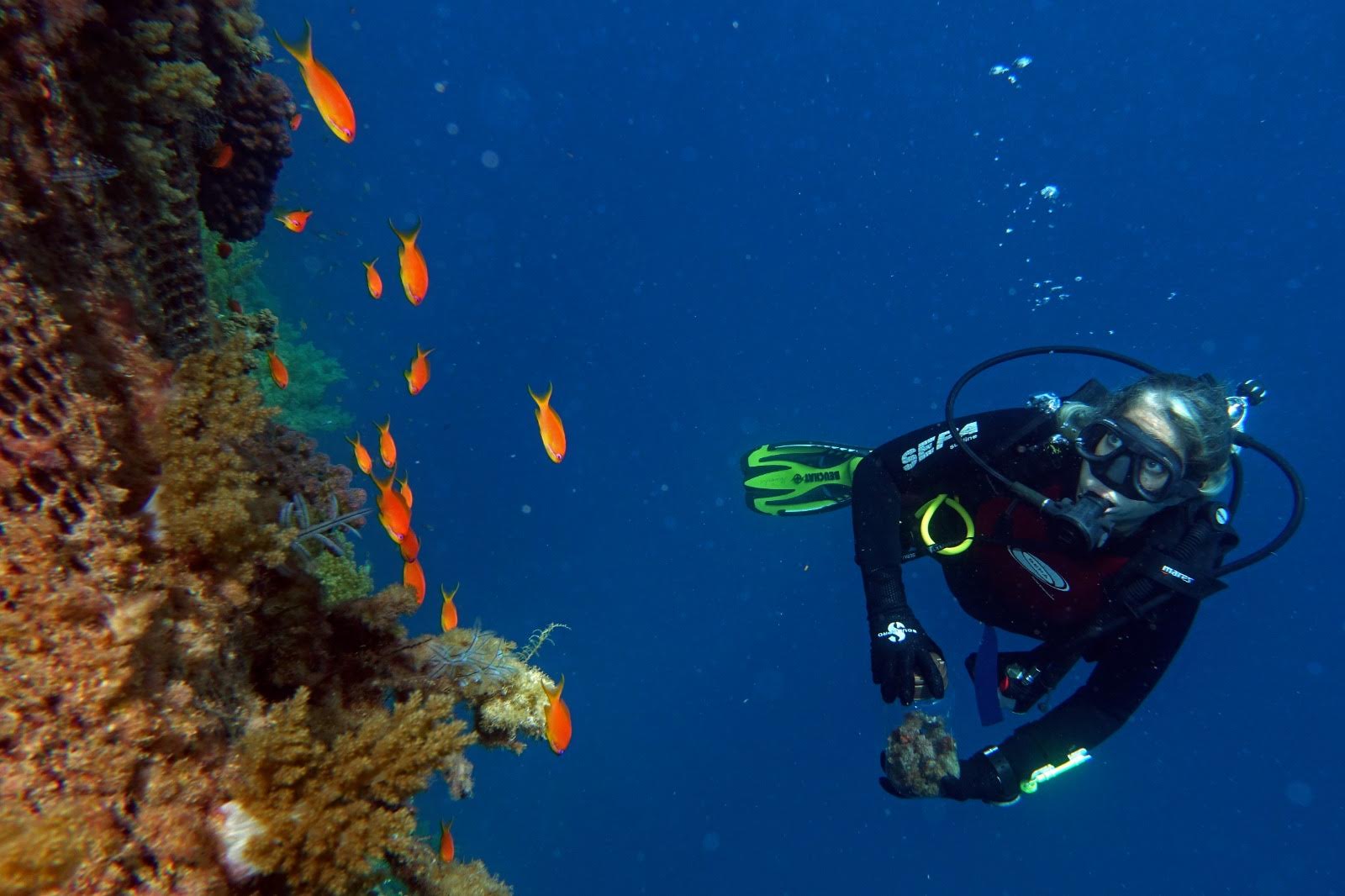
Noa Shenkar
Noa Shenkar underwater
Noa Shenkar
Noa Shenkar

“Previous studies, conducted by both our lab and others, have revealed many examples of this negative impact: estrogen from birth control contraceptive pills induces female features in male fish, impairing reproduction in certain species; Prozac makes some crabs aggressive and reckless; and antidepressants damage the memory and learning abilities of squids.

“There is no reason to believe that corals should be immune to such effects. For instance, if our pharmaceuticals should disrupt the spawning synchrony of coral populations, it would take us a long time to notice the problem, and when we do, it might be too late.”
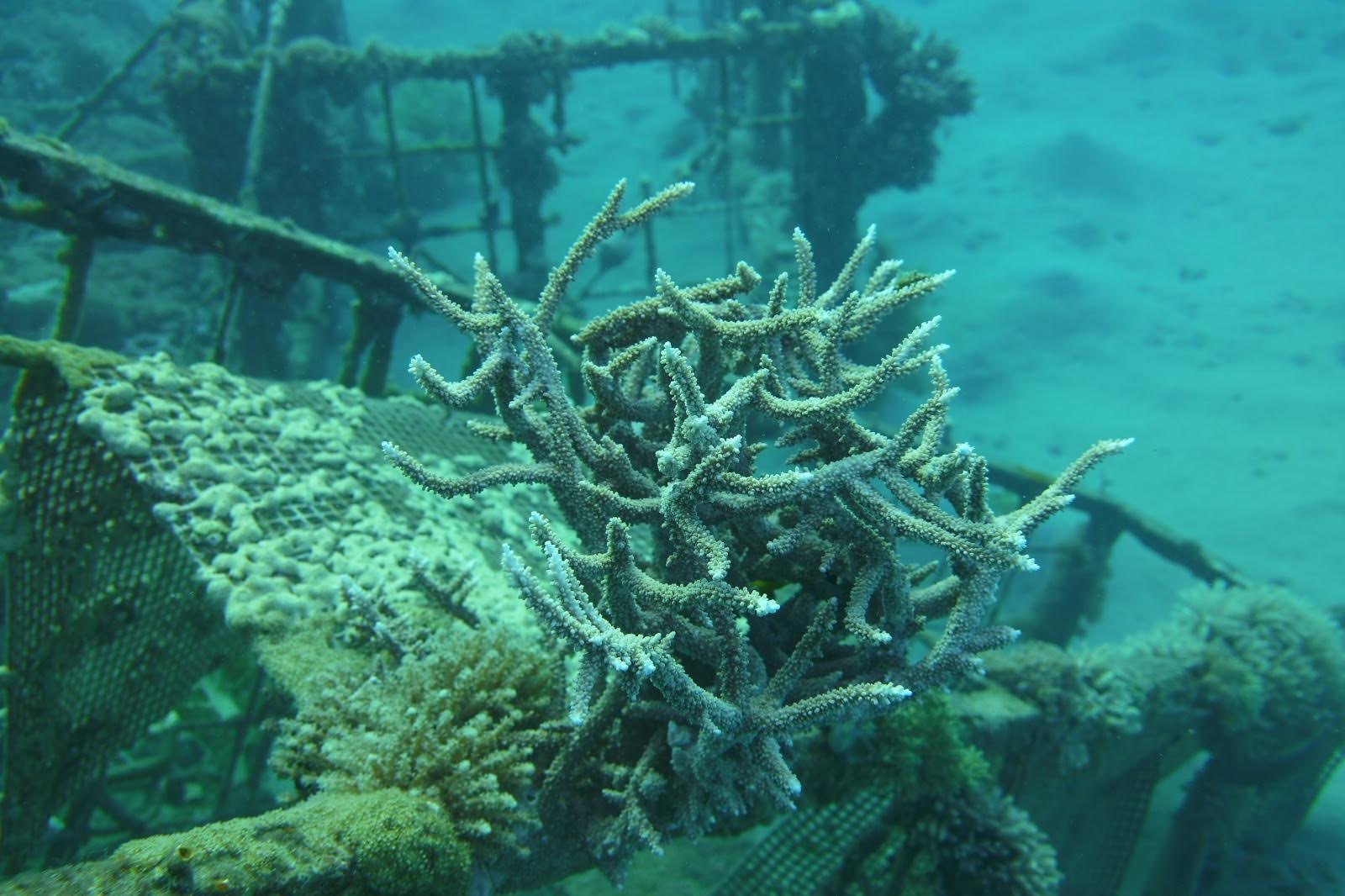
Studied coral genera Acropora sp. and Favites sp. growing on artificial substrates in the Underground Restaurant study site.

“Stony corals build coral reefs, and the types we studied are very common in the Gulf of Eilat,” adds Gal Navon. “Coral reefs are a cornerstone of marine biodiversity. They provide food, shelter, and spawning sites to numerous species, and support the human fishing and tourism industries. Today this delicate ecosystem is under pressure as a result of climate change, pollution, and overfishing. The presence of pharmaceuticals in coral tissues adds another layer of concern, indicating that human activities even contaminate faraway marine environments.”

“Clearly these medications save lives, and we have no intention of requesting people to reduce their use,” says Prof. Shenkar. “However, we must develop new sewage treatment methods that can effectively handle pharmaceutical compounds. Also, each of us must dispose of old medications in ways that do not harm the environment. Ultimately these drugs come back to us. I know people who avoid medications, but when they eat a fish, they might unknowingly consume a ‘cocktail’ of drug residues absorbed by the fish from the marine environment.”

Houthi attacks on Red Sea vessels make the Red Sea more vulnerable than it ever was.

Karin Kloosterman
Karin Kloostermanhttp://www.greenprophet.com
Karin Kloosterman is an award-winning journalist, innovation strategist, and founder of Green Prophet, one of the Middle East’s pioneering sustainability platforms. She has ranked in the Top 10 of Verizon innovation competitions, participated in NASA-linked challenges, and spoken worldwide on climate, food security, and future resilience. With an IoT technology patent, features in Canada’s National Post, and leadership inside teams building next-generation agricultural and planetary systems — including Mars-farming concepts — Karin operates at the intersection of storytelling, science, and systems change. She doesn’t report on the future – she helps design it. Reach out directly to [email protected]

Hot this week

How Renewable Energy is Revolutionizing the Way We Power Our World

Solar has become the star of the transition thanks to modular hardware and straightforward installation. It fits dense cities and remote towns alike. Many companies are turning to rooftop arrays and carport systems - and exploring commercial solar installation as a practical way to lock in future savings.

How does one start prepping?

Faced with an extreme winter storm this year, Americans wonder how to be prepared for catastrophe. Miriam has lived through wars in the Middle East - so she's prepared on giving you a guide to prepping.

Fishermen sue tire manufacturers on behalf of the salmon

A federal trial in San Francisco has brought US tire manufacturers, fishing groups, and environmental scientists into court over a chemical most drivers have never heard of — but which scientists say may be silently reshaping aquatic ecosystems.

Listening to Water: Tarek Atoui’s Next Work for Tate Modern

Born in Beirut, Lebanon in 1980 and now living in Paris, Atoui has spent years building instruments that don’t sit comfortably in concert halls. Many of them involve water, glass, and ceramics — materials that react to sound instead of simply producing it.

Leading Through a Dual-Energy Transition: Balancing Decarbonisation with Energy Security

Experience in one area of the energy industry isn't enough to guarantee readiness across all the others. That's where a structured program like an MBA in energy can come in. Today's advanced curricula explore energy economics, finance, policy, and strategic management alongside the technical subjects. And when pursuing an energy MBA online, professionals can skill up and retrain without having to step out of the labor market -- an important perk at a time when skilled professionals are already in short supply.

Topics

How Renewable Energy is Revolutionizing the Way We Power Our World

Solar has become the star of the transition thanks to modular hardware and straightforward installation. It fits dense cities and remote towns alike. Many companies are turning to rooftop arrays and carport systems - and exploring commercial solar installation as a practical way to lock in future savings.

How does one start prepping?

Faced with an extreme winter storm this year, Americans wonder how to be prepared for catastrophe. Miriam has lived through wars in the Middle East - so she's prepared on giving you a guide to prepping.

Fishermen sue tire manufacturers on behalf of the salmon

A federal trial in San Francisco has brought US tire manufacturers, fishing groups, and environmental scientists into court over a chemical most drivers have never heard of — but which scientists say may be silently reshaping aquatic ecosystems.

Listening to Water: Tarek Atoui’s Next Work for Tate Modern

Born in Beirut, Lebanon in 1980 and now living in Paris, Atoui has spent years building instruments that don’t sit comfortably in concert halls. Many of them involve water, glass, and ceramics — materials that react to sound instead of simply producing it.

Leading Through a Dual-Energy Transition: Balancing Decarbonisation with Energy Security

Experience in one area of the energy industry isn't enough to guarantee readiness across all the others. That's where a structured program like an MBA in energy can come in. Today's advanced curricula explore energy economics, finance, policy, and strategic management alongside the technical subjects. And when pursuing an energy MBA online, professionals can skill up and retrain without having to step out of the labor market -- an important perk at a time when skilled professionals are already in short supply.

From Green Energy to Healthy Societies: Why old systems thinking is becoming relevant again

Across the Middle East and North Africa, large investments are being made in green hydrogen, renewable energy, water infrastructure and sustainability. Most of these efforts are discussed in the context of climate change, decarbonization and economic diversification. That framing is important, but it may not capture their full value.

We saw peace – an interreligious encounter deep in our eyes

They came from Israel, Palestine, Jordan, Iraq, Yemen, Morocco, Tunisia, Lebanon, Egypt… There are Sunni Muslims, Shiite Muslims, Jews (Orthodox and Reform), Orthodox Christians, Coptic Christians, Protestant Christians, Druze, Baha'is, a Scientologist.

Can biochar reduce ‘Forever Chemicals’ in food if it’s used in farms?

Biochar is produced by heating organic material in a low-oxygen environment so it does not burn. This process, known as pyrolysis, transforms plant matter into a stable, carbon-rich material.

Related Articles

Popular Categories