

6 natural methods for softening hard water

Softening hard water might be better for your body

Hard water is common in many households and it happens when rainwater percolates through mineral-rich rock formations, particularly those abundant in calcium and magnesium. While these minerals are generally harmless and even beneficial for health, their heightened concentrations can trigger various issues, ranging from limescale accumulation in your appliances to soap not working. Ever see people who bathe in natural springs that are naturally soft water? Their hair shines. Let’s uncover six natural ways to soften hard water at home.

What makes water hard?

Hard water means by elevated mineral content such as limestone, chalk, or gypsum. The primary minerals responsible for water hardness are calcium (Ca2+) and magnesium (Mg2+). In industrial settings, hard water can lead to boiler malfunctions, while in homes, it may manifest as soap scum and clog up laundry and shower valves. Your machines might stop working.

Considering the health implications of consuming hard water, there is a delicate balance between positive and negative effects inside our bodies. On the positive side, hard water can serve as a nutrient source, providing essential minerals like calcium and magnesium that contribute to healthy bones, teeth, and overall bodily functions. Studies suggest there may be potential cardiovascular benefits, indicating that minerals like magnesium in hard water might offer protection against heart disease. Some people might prefer the taste of hard water.

On the flip side, excessive mineral content in hard water can lead to digestive issues, kidney stone formation, and adverse effects on the skin and hair. The mineral deposits left on the skin and hair by hard water can result in dryness and a less-than-smooth texture, particularly problematic for individuals with certain skin conditions.

Benefits of Soft Water
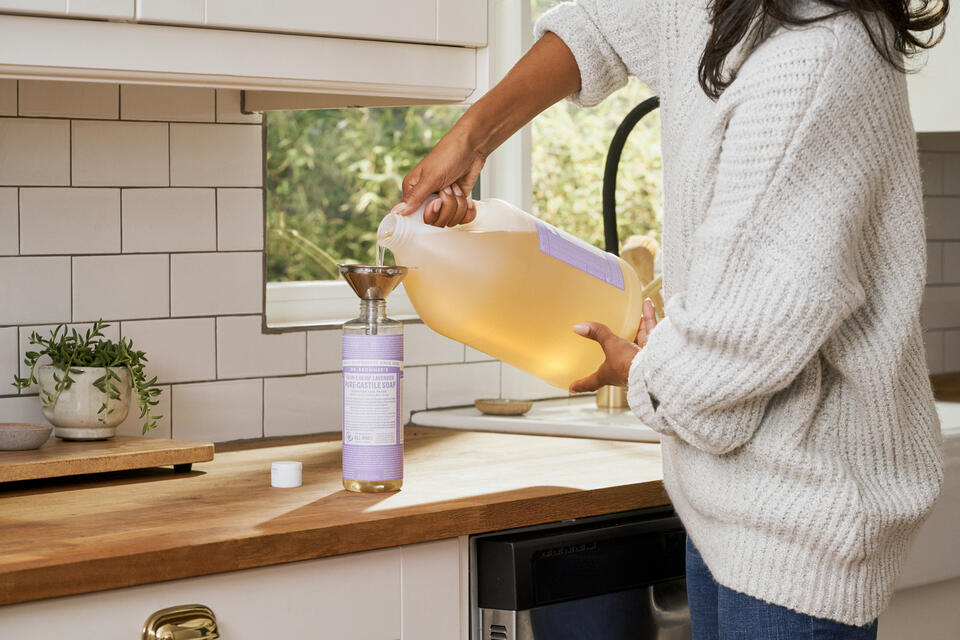
Castille Soap by Dr. Bronner
Castille sopa by Dr. Bronner is not very soapy so to get more lather, use soft water

The choice between soft and hard water often hinges on personal preferences and the specific needs of a household. Soft water, achieved by reducing the mineral content, offers several advantages:

  1. Improved Lathering: Soft water allows for more effective lathering, facilitating the use of less soap for various purposes, from washing dishes and clothes to personal hygiene. You get get soapier!
  2. Reduced Scale Buildup: Unlike hard water, soft water doesn’t leave behind mineral deposits such as limescale on fixtures, appliances, and plumbing.
  3. Extended Appliance Lifespan: Soft water contributes to the longevity of appliances like water heaters, dishwashers, and washing machines by reducing scale buildup and maintenance requirements.
  4. Efficient Cleaning: Cleaning chemicals are more effective in soft water as they don’t react with minerals, ensuring a more thorough and efficient cleaning process.

6 Natural Ways to Soften Hard Water

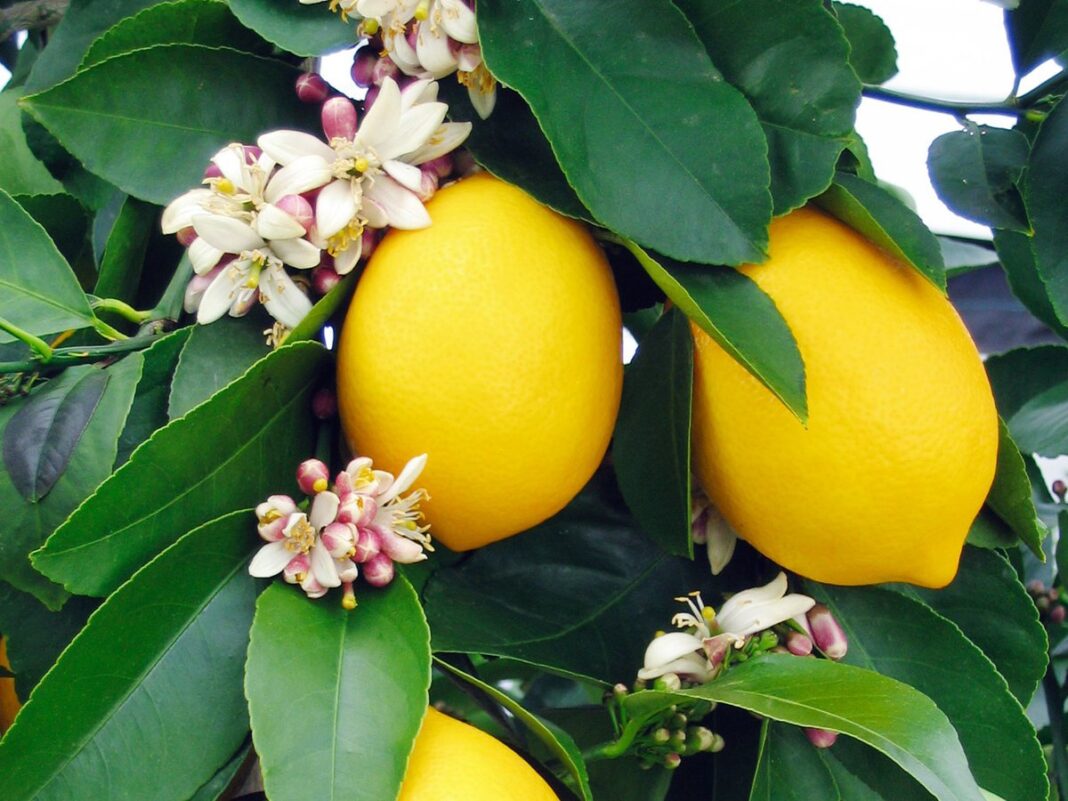
Lemon cleaner also makes water soft

While the installation of a water softener is a direct solution to hard water, you can collect soft water from air conditioners, and there are also natural methods to consider:

  1. Boiling and Cooling: Boiling hard water for a few minutes and letting it cool before use can improve its taste temporarily. Though it doesn’t eliminate minerals entirely, it provides a quick remedy. You will see a buildup on the kettle indicating that the hardness is coming out of your water.
  2. Using Baking Soda: Adding half a cup of baking soda to the washing machine along with regular detergent minimizes the effects of hard water on laundry. It will allow you to use less soap as well. Go for an ecological kind if you can. Ecover or Dr. Bronner is popular at health food stores.
  3. Vinegar Treatment: Adding a cup of vinegar to the washing machine during the rinse cycle softens clothes, and soaking faucets and showerheads in vinegar overnight dissolves mineral deposits. If buildup is happening in your toilet causing a dark stain in the bottom of the bowl, attempt to drain the water from the bowl and add the highest concentration of vinegar you can find. Allow it to dissolve the hardness for an hour or so.
  4. Using Citrus Fruits: Applying lemon juice to faucets and fixtures and rinsing with water helps combat limescale and adds a pleasant scent.
  5. Distillation: Boiling water to create steam, which is then condensed to remove unwanted minerals, offers a methodical approach to softening water. However, it’s energy-intensive. But water distillation is a great water treatment idea if you are using a product like Mayu for remineralizing your water.
  6. Using the rain. For those with regulations permitting, collecting rainwater for household purposes, such as watering plants and outdoor cleaning, offers a sustainable alternative to relying on hard tap water.

Hot this week

How Renewable Energy is Revolutionizing the Way We Power Our World

Solar has become the star of the transition thanks to modular hardware and straightforward installation. It fits dense cities and remote towns alike. Many companies are turning to rooftop arrays and carport systems - and exploring commercial solar installation as a practical way to lock in future savings.

How does one start prepping?

Faced with an extreme winter storm this year, Americans wonder how to be prepared for catastrophe. Miriam has lived through wars in the Middle East - so she's prepared on giving you a guide to prepping.

Fishermen sue tire manufacturers on behalf of the salmon

A federal trial in San Francisco has brought US tire manufacturers, fishing groups, and environmental scientists into court over a chemical most drivers have never heard of — but which scientists say may be silently reshaping aquatic ecosystems.

Listening to Water: Tarek Atoui’s Next Work for Tate Modern

Born in Beirut, Lebanon in 1980 and now living in Paris, Atoui has spent years building instruments that don’t sit comfortably in concert halls. Many of them involve water, glass, and ceramics — materials that react to sound instead of simply producing it.

Leading Through a Dual-Energy Transition: Balancing Decarbonisation with Energy Security

Experience in one area of the energy industry isn't enough to guarantee readiness across all the others. That's where a structured program like an MBA in energy can come in. Today's advanced curricula explore energy economics, finance, policy, and strategic management alongside the technical subjects. And when pursuing an energy MBA online, professionals can skill up and retrain without having to step out of the labor market -- an important perk at a time when skilled professionals are already in short supply.

Topics

How Renewable Energy is Revolutionizing the Way We Power Our World

Solar has become the star of the transition thanks to modular hardware and straightforward installation. It fits dense cities and remote towns alike. Many companies are turning to rooftop arrays and carport systems - and exploring commercial solar installation as a practical way to lock in future savings.

How does one start prepping?

Faced with an extreme winter storm this year, Americans wonder how to be prepared for catastrophe. Miriam has lived through wars in the Middle East - so she's prepared on giving you a guide to prepping.

Fishermen sue tire manufacturers on behalf of the salmon

A federal trial in San Francisco has brought US tire manufacturers, fishing groups, and environmental scientists into court over a chemical most drivers have never heard of — but which scientists say may be silently reshaping aquatic ecosystems.

Listening to Water: Tarek Atoui’s Next Work for Tate Modern

Born in Beirut, Lebanon in 1980 and now living in Paris, Atoui has spent years building instruments that don’t sit comfortably in concert halls. Many of them involve water, glass, and ceramics — materials that react to sound instead of simply producing it.

Leading Through a Dual-Energy Transition: Balancing Decarbonisation with Energy Security

Experience in one area of the energy industry isn't enough to guarantee readiness across all the others. That's where a structured program like an MBA in energy can come in. Today's advanced curricula explore energy economics, finance, policy, and strategic management alongside the technical subjects. And when pursuing an energy MBA online, professionals can skill up and retrain without having to step out of the labor market -- an important perk at a time when skilled professionals are already in short supply.

From Green Energy to Healthy Societies: Why old systems thinking is becoming relevant again

Across the Middle East and North Africa, large investments are being made in green hydrogen, renewable energy, water infrastructure and sustainability. Most of these efforts are discussed in the context of climate change, decarbonization and economic diversification. That framing is important, but it may not capture their full value.

We saw peace – an interreligious encounter deep in our eyes

They came from Israel, Palestine, Jordan, Iraq, Yemen, Morocco, Tunisia, Lebanon, Egypt… There are Sunni Muslims, Shiite Muslims, Jews (Orthodox and Reform), Orthodox Christians, Coptic Christians, Protestant Christians, Druze, Baha'is, a Scientologist.

Can biochar reduce ‘Forever Chemicals’ in food if it’s used in farms?

Biochar is produced by heating organic material in a low-oxygen environment so it does not burn. This process, known as pyrolysis, transforms plant matter into a stable, carbon-rich material.

Related Articles

Popular Categories