Greenpeace says COP28 is for making oil and gas the past

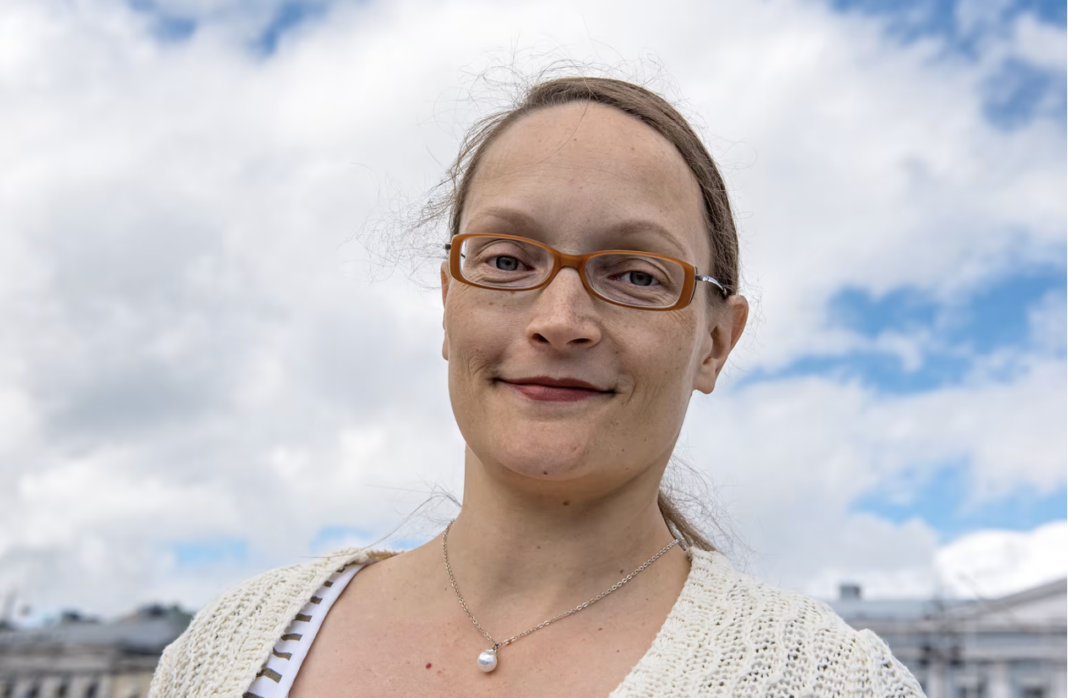
Kaisa Kosonen, Greenpeace
Kaisa Kosonen, Greenpeace, “This is truly a unique moment in time”

Greenpeace is always the thorn in a polluter’s or whale hunter’s side: Looming over the 28th UN Climate Conference (COP28) is whether governments will finally heed the calls, that grow stronger by the day, to phase out fossil fuels and deliver on climate justice, writes Greenpeace.

“While the causes and consequences of climate change have never been felt so deeply, the solutions have never been more in reach. The question is no longer how but when? Those serious about a livable planet have the tools needed to deliver the climate action needed: COP28 must agree to end the fossil fuel era,” says Greenpeace. 

Greenpeace’s wish list for COP28 in the UAE:

  • For the Paris Agreement warming limit to be kept within reach, the COP28 decision text must hold an uncompromised commitment to a just and rapid phase out of all fossil fuels, with an immediate end to new coal, oil and gas. 
  • The Global Stocktake must conclude with outcomes that kick-start transformative action across the board to limit temperatures to 1.5ºC and respond to increasing climate impacts with justice.
  • A credible finance package that responds to growing needs is essential. It must include the launch of a new Loss and Damage Fund, and move us closer to making polluters pay for the destruction and harm they have caused.

“This is truly a unique moment in time. Solutions are now here, bigger and cheaper than ever before, ready to replace fossil fuels and bring us greater security.  But it won’t happen fast enough unless governments regulate oil, coal and gas out of the way. COP28 can be the turning point, when governments act on the science, commit to protecting their own citizens, and agree to make fossil fuels history,” says Kaisa Kosonen, Head of the Greenpeace COP28 delegation.

“In yet another year of record temperatures, delaying climate action would be catastrophic for the communities for whom navigating the impacts of the climate crisis is a daily reality,” says Ghiwa Nakat, Executive Director, Greenpeace MENA.

Ghiwa Nakat
Ghiwa Nakat, Greenpeace MENA

“The COP28 Presidency stated that reducing fossil fuels is both inevitable and essential, but we now need to see actions that support what we already know to be necessary – a total phase out of fossil fuels. We need to take this ambition seriously and agree to the equitable phaseout of all fossil fuels including oil, gas and coal – and for the worst fossil fuel polluters to be held responsible for the crisis they have caused.

“People with the least resources to defend themselves are immersed in a constant struggle for survival: farmers seeing their harvests fail, desert nomads whose oases are disappearing, Ahwari women in the marshlands of Southern Iraq whose livelihoods have been devastated by drought,” says Nakat. “Every passing day without real change becomes a sentence of hardship or even death for these communities. Ending this suffering is the essence of climate justice.”

From what I have learned by attending climate events is that COP isn’t where decisions are really made and where action is taken. It’s a media and political spectacle. What happens at COP28 is when the work has been done – work that has been going on the year previous with teams and boots on the ground in various UN working groups. Still, I hope Greenpeace does like it always does – it’s a group that pushes the envelope a little further to some reality that the planet can live with. The UN shows time and time again that it can’t be accountable for all its moving parts and it can’t always hold every nation’s interest at heart.

:: Briefing on Greenpeace COP28 demands


Karin Kloosterman
Karin Kloostermanhttp://www.greenprophet.com
Karin Kloosterman is an award-winning journalist, innovation strategist, and founder of Green Prophet, one of the Middle East’s pioneering sustainability platforms. She has ranked in the Top 10 of Verizon innovation competitions, participated in NASA-linked challenges, and spoken worldwide on climate, food security, and future resilience. With an IoT technology patent, features in Canada’s National Post, and leadership inside teams building next-generation agricultural and planetary systems — including Mars-farming concepts — Karin operates at the intersection of storytelling, science, and systems change. She doesn’t report on the future – she helps design it. Reach out directly to [email protected]

Hot this week

The Fitness App Revolution: Building the Future of Wellness Through Strategic Development

In an era where smartphones are ubiquitous and health consciousness is at an all-time high, the fitness industry has undergone a radical digital transformation. Fitness applications have moved far beyond simple pedometers, evolving into comprehensive wellness platforms that serve as personal trainers, nutritionists, and community hubs right in our pockets.

A Brief History of Basil From India to Italy

Beloved, fortunate, sweet, and royal; an herb with a long and storied history in Asia and across the world. Called by many names, basil has featured in previous Green Prophet articles, so enjoy another serving, a brief history of basil.

How Renewable Energy is Revolutionizing the Way We Power Our World

Solar has become the star of the transition thanks to modular hardware and straightforward installation. It fits dense cities and remote towns alike. Many companies are turning to rooftop arrays and carport systems - and exploring commercial solar installation as a practical way to lock in future savings.

How does one start prepping?

Faced with an extreme winter storm this year, Americans wonder how to be prepared for catastrophe. Miriam has lived through wars in the Middle East - so she's prepared on giving you a guide to prepping.

Fishermen sue tire manufacturers on behalf of the salmon

A federal trial in San Francisco has brought US tire manufacturers, fishing groups, and environmental scientists into court over a chemical most drivers have never heard of — but which scientists say may be silently reshaping aquatic ecosystems.

Topics

The Fitness App Revolution: Building the Future of Wellness Through Strategic Development

In an era where smartphones are ubiquitous and health consciousness is at an all-time high, the fitness industry has undergone a radical digital transformation. Fitness applications have moved far beyond simple pedometers, evolving into comprehensive wellness platforms that serve as personal trainers, nutritionists, and community hubs right in our pockets.

A Brief History of Basil From India to Italy

Beloved, fortunate, sweet, and royal; an herb with a long and storied history in Asia and across the world. Called by many names, basil has featured in previous Green Prophet articles, so enjoy another serving, a brief history of basil.

How Renewable Energy is Revolutionizing the Way We Power Our World

Solar has become the star of the transition thanks to modular hardware and straightforward installation. It fits dense cities and remote towns alike. Many companies are turning to rooftop arrays and carport systems - and exploring commercial solar installation as a practical way to lock in future savings.

How does one start prepping?

Faced with an extreme winter storm this year, Americans wonder how to be prepared for catastrophe. Miriam has lived through wars in the Middle East - so she's prepared on giving you a guide to prepping.

Fishermen sue tire manufacturers on behalf of the salmon

A federal trial in San Francisco has brought US tire manufacturers, fishing groups, and environmental scientists into court over a chemical most drivers have never heard of — but which scientists say may be silently reshaping aquatic ecosystems.

Listening to Water: Tarek Atoui’s Next Work for Tate Modern

Born in Beirut, Lebanon in 1980 and now living in Paris, Atoui has spent years building instruments that don’t sit comfortably in concert halls. Many of them involve water, glass, and ceramics — materials that react to sound instead of simply producing it.

Leading Through a Dual-Energy Transition: Balancing Decarbonisation with Energy Security

Experience in one area of the energy industry isn't enough to guarantee readiness across all the others. That's where a structured program like an MBA in energy can come in. Today's advanced curricula explore energy economics, finance, policy, and strategic management alongside the technical subjects. And when pursuing an energy MBA online, professionals can skill up and retrain without having to step out of the labor market -- an important perk at a time when skilled professionals are already in short supply.

From Green Energy to Healthy Societies: Why old systems thinking is becoming relevant again

Across the Middle East and North Africa, large investments are being made in green hydrogen, renewable energy, water infrastructure and sustainability. Most of these efforts are discussed in the context of climate change, decarbonization and economic diversification. That framing is important, but it may not capture their full value.

Related Articles

Popular Categories