At one point Reddit users agreed that a 12-story residential building in Bat Yam, Israel is the ugliest building in the world. Don’t worry Bat Yam: Amman nearby in Jordan is the 3rd ugliest city. But still, the rumor circulated around the globe and whether it’s true or not is a matter of opinion. We went over to film the building so you can decide for yourself.

The Bat Yam building is called the Nahum Tower, and it was once a center for local life and creativity in Bat Yam. Why is this important and part of the sustainability discussion? Sustainable architecture is not just a question of use of local, low carbon materials and emissions-free building technology.
Buildings also need to be beautiful if they are to last for a long time, say researchers from Denmark: “If buildings speak to our senses, we look after them better,” they write.
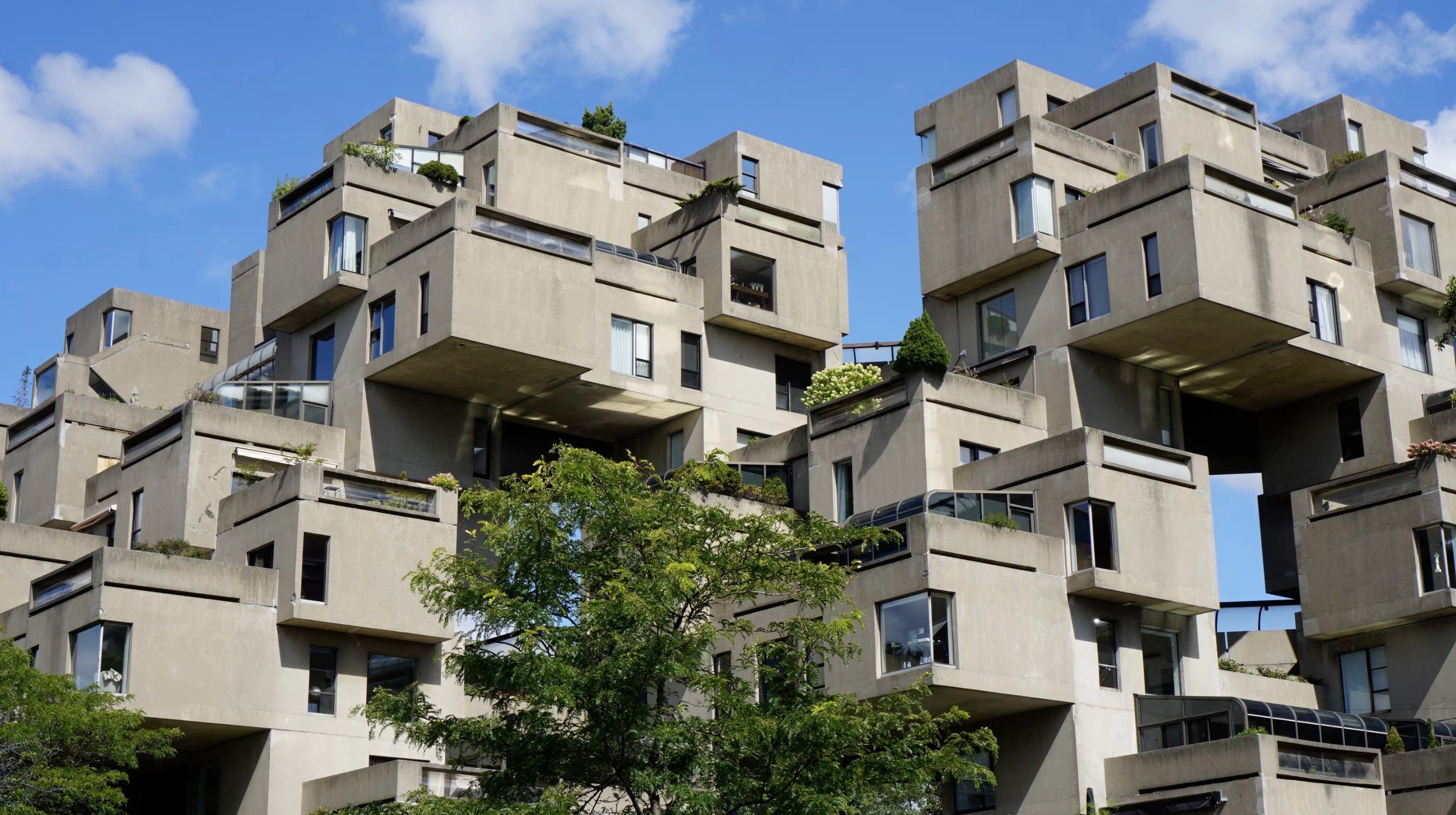
Constructed in the 1970s and resembling a Soviet-era residential block, the Brutalist style building in Bat Yam has become an eyesore – like most other apartment buildings in the area of Tel Aviv – because residents build over their balconies and hang air conditioners and junk such as plastic storage cabinets wherever they please. This contrasts with Moshe Safdie’s 1967 Brutalist building built for the Montreal Expo. I’ve visited it and see how vision and maintenance can preserve the intent of the architect?
As for the Nahum Tower in Bat Yam, “I’ve seen uglier buildings in Australia. This one is pretty unremarkable,” writes one Reddit reader. “I’ve seen uglier ones in Israel, in almost every city,” writes another. Others comment that it’s ugly compared to the price of a cost of an apartment.
The Bat Yam building today overlooks a large network of shopping centers and clinics, which include disintegrating wedding halls, and a car park.
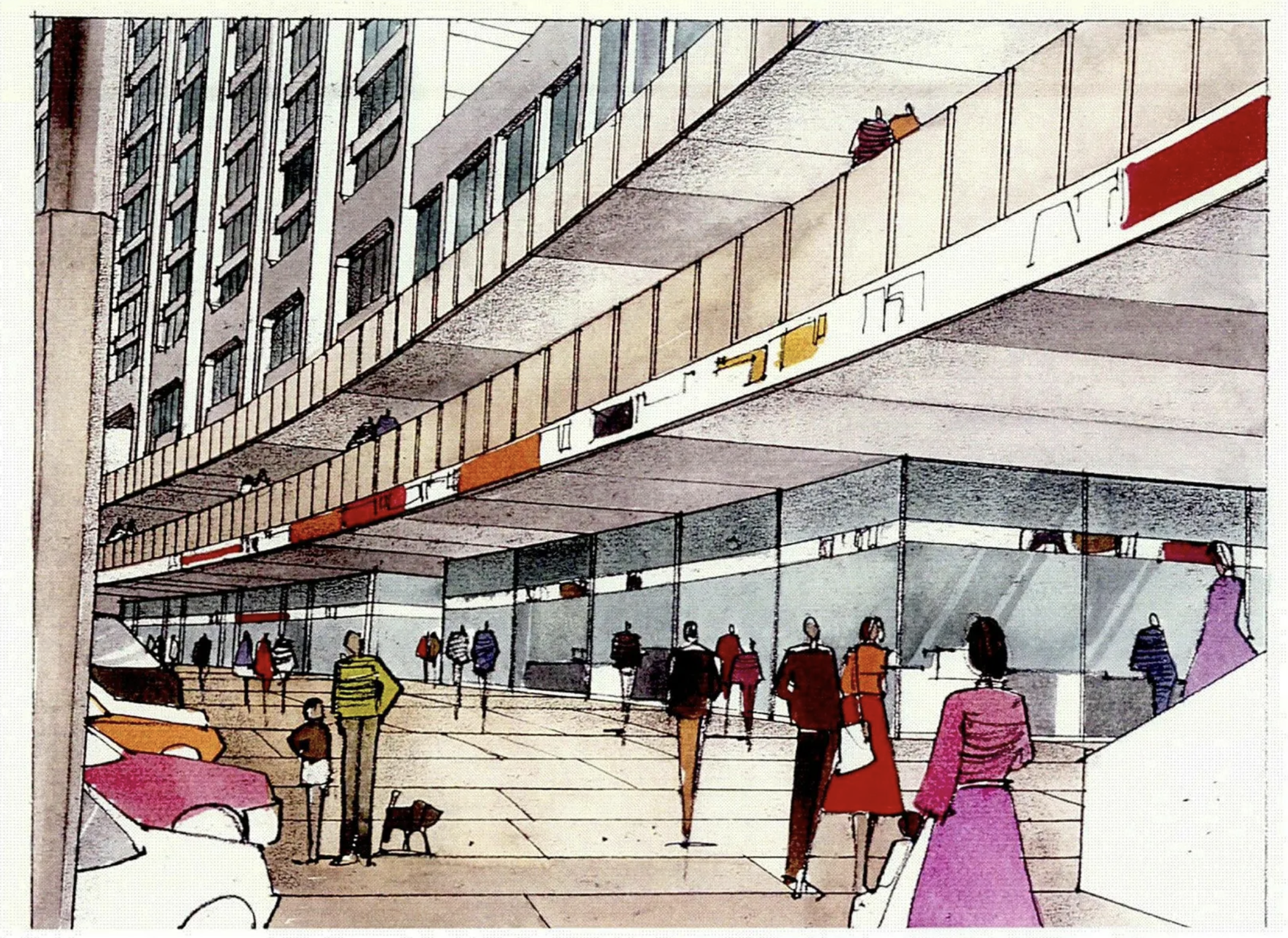
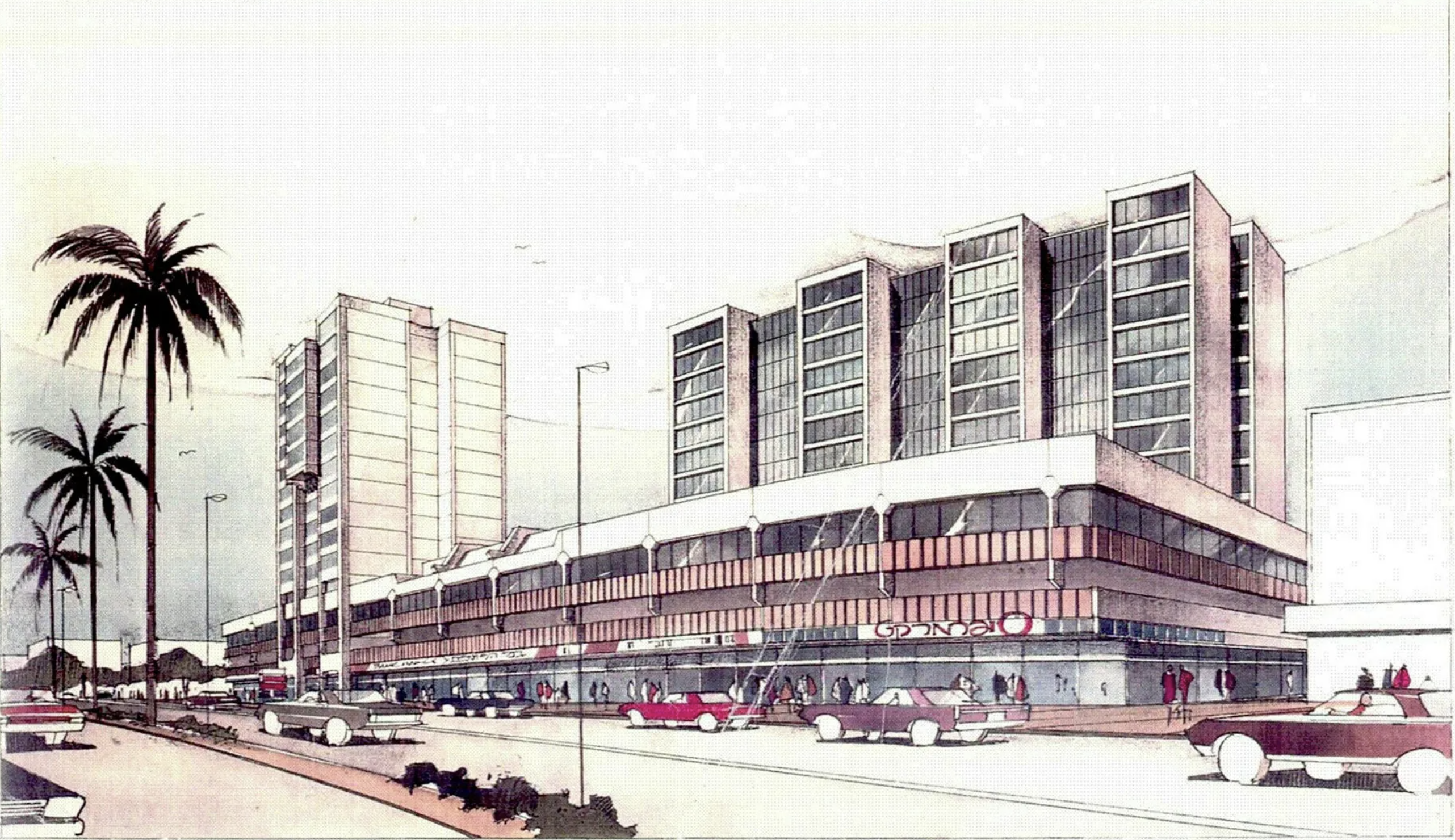
As you can see above, the original sketch by the architect Marion Greenhouse, was not that bad. Done in a Brutalist style, common in Israel, what the architect didn’t plan for was the Israeli concept of “trisim” or plastic shutters that would cover the open spaces to make room for extra living space. Oftentimes the shutters are broken or malfunctioning, and there is no city bylaw telling residents how their balconies should look.
The ugly Nahum building was filmed by a drone and published by a user on Reddit, where it earned the first place in the ranking, scoring higher than a Soviet building in Sofia in Bulgaria, slums in the city of Manila in the Philippines or buildings in Cape Town in South Africa.
In his memoirs, Greenhouse wrote about the project and that it was interrupted in the middle, lending reasons to why the building never looked the way it was intended: “The bankruptcy was due to the fact that they didn’t listen to me … I recommended to the developers that they build it in stages, starting with the commercial areas, and with the money they got from the sale of shops and the cinema they could finance construction of the residential tower. They told me that maybe I understand architecture, but I don’t understand business.”
Today, the cost of housing is astronomical in Israel where the cost of living doesn’t match the salaries, unless you work in hightech or the wedding industry.
With a general disregard for making apartments attractive, visitors to Tel Aviv will notice how many of the older residential buildings are crumbling apart, and full of junk on balconies and roofs. Beautiful cities aren’t born they are made. Consider that Paris has bylaws for keeping it beautiful: I’ve rented apartments there for a couple months of my life and notes from the owners were very clear: No watering the plants after 7am (so the water doesn’t drip on people below), and no hanging laundry in the windows or off the front balconies. All laundry must air dry on the roof.
If you hang out your laundry or carpets in Kuwait face a serious fine about $1000 as a fee against “visual pollution.”
Tel Aviv and Israelis in general don’t might hanging out their laundry in public. In fact, it’s encouraged. Where I live in Jaffa, it’s not uncommon to see strings of it hanging from small apartment flat windows on devices that attach to the windows. Even to see laundry hung in public spaces on lines between trees. Hanging laundry to air dry is a good thing. It means less power for electric dryers is used. But one of the problems in Tel Aviv is that it can be dusty. So know when to hang.
But back to the ugly question: what is the balance between respecting the things we own if they are maintained and physically attractive? Could we argue that better looking buildings are more likely to be cared for and protected? Let’s look to a Sicilian window below.

When the clothes go out in towns in Sicily, it looks like a celebration. They use a standard yellow or blue striped drape that gives uniformity, shade and also privacy to your tighty whities. Sicilians also fill their balconies with plants, and use quality ceramic pots and water their plants regularly so they stay alive.
The environmental artist Ran Morin once told me that he does not want to replicate Oranger Suspendu at hotel lobbies around the world, even though he’s been asked. “Do you know how hard it is keeping one tree alive,” he once told me when I ran into him in Jerusalem. Something to think about before we plant on balconies. Last thought so you are more informed here is an article on how to grow an olive tree in a container.