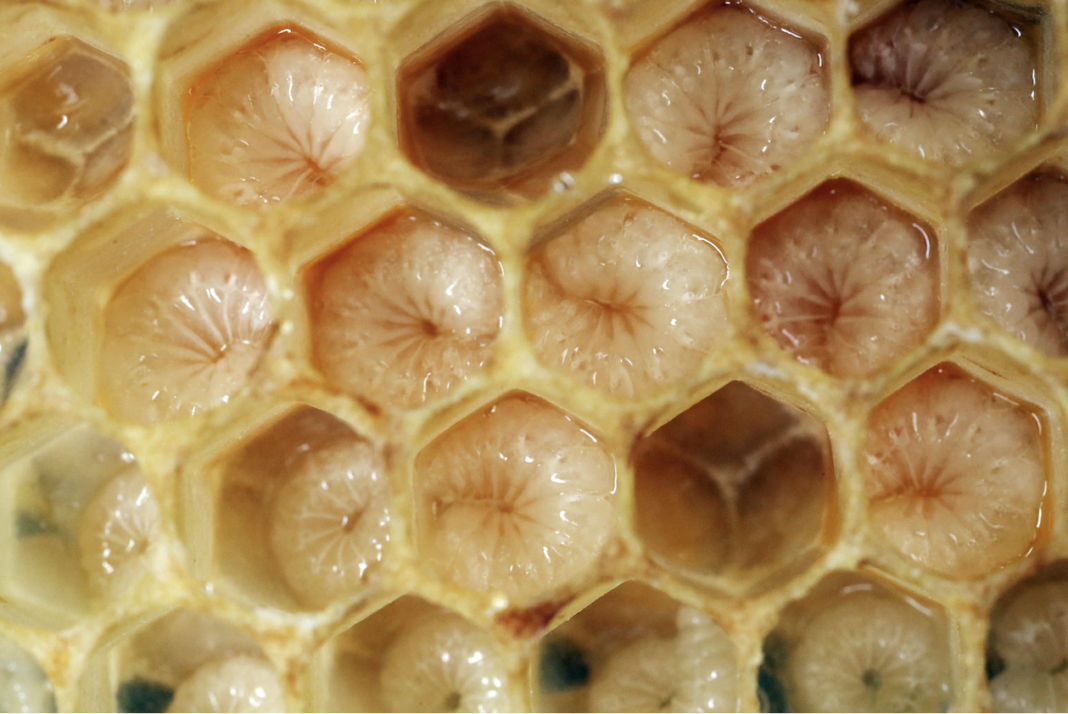
Scientists from around the world are racing around the clock to see what insect larvae, or worms, eat plastic. Research has confirmed that insects do eat plastic. Moth insect larvae and beetle insect larvae are eating polystyrene plastics.
Now is your chance to see if you can test some plastics and larvae at home. Superworms are beetle larvae you find at pet stores, grown for feeding reptiles and birds. If you aren’t queasy about, give a superworm a life in the process of testing your plastic-eating hypotheses.
After you try it with superworms see if you can find other insect larvae that will eat plastic. Read this story here on wax moth saliva to get the background information if you are planning on using this idea for your science experiment.
Examples of polyethylene plastics
- bottle caps
- PVC pipes
- ramen noodles package
- water bottle
- produce bag
- cereal box liners
- soda bottle
- projector sheet
- park benches
- detergent bottles
Try your own plastic-eating superworm experiment at home
Do worms eat plastic?

- Buy live superworms at Petsmart
- Place them in screen-covered Ball jars
- Set up pilots as below
- Weigh worms, frass (worm poop), and plastics until moths emerge
- Share your findings in the comments section below or with your Biology teacher
Pilot 1: Conditions: 5 worms per jar under 2 light regiments (darkness, natural light).
Plastics: water bottle (Polyethylene teraphthalate (PET)), soda bottle (PET colored), PVC tubing (Poly(Diallyl phthalate (PDAP))), bottle caps (Ethylene/Vinyl Acetate(EVAC)), and projector sheet (Hydroxypropyl methyl cellulose).
Pilot 2: Conditions: 5 worms per jar under 2 light regimes (natural, UV light).
Plastics: grocery bag (polyethylene, high density(HDPE(1))), produce bag (HDPE(2)), Ramen package (polypropylene, isotactic), bottle caps (EVAC), green mesh (HDPE(3)), and chocolate mold (polystyrene(PS)).
Controls: 5 worms per jar, under all 3 light conditions (darkness, natural and UV light), with NO plastics.
Pilot 3: Conditions: 10 worms per ball jar, under most favorable light regimes (natural and UV light)
Plastics: grocery bag (HDPE(1)), Ramen package (PP), produce bag (HDPE(2)), and bottle caps (EVAC).
Pilot 4: best conditions, highest performing plastics
Conditions: 10 worms, under UV light conditions. Plastic: produce bag (HDPE(1)) Replication: 3 replicates, one control worm jar (no plastics).
(Above experiment idea via SUNY)