

Frankincense resin could slow Covid impact

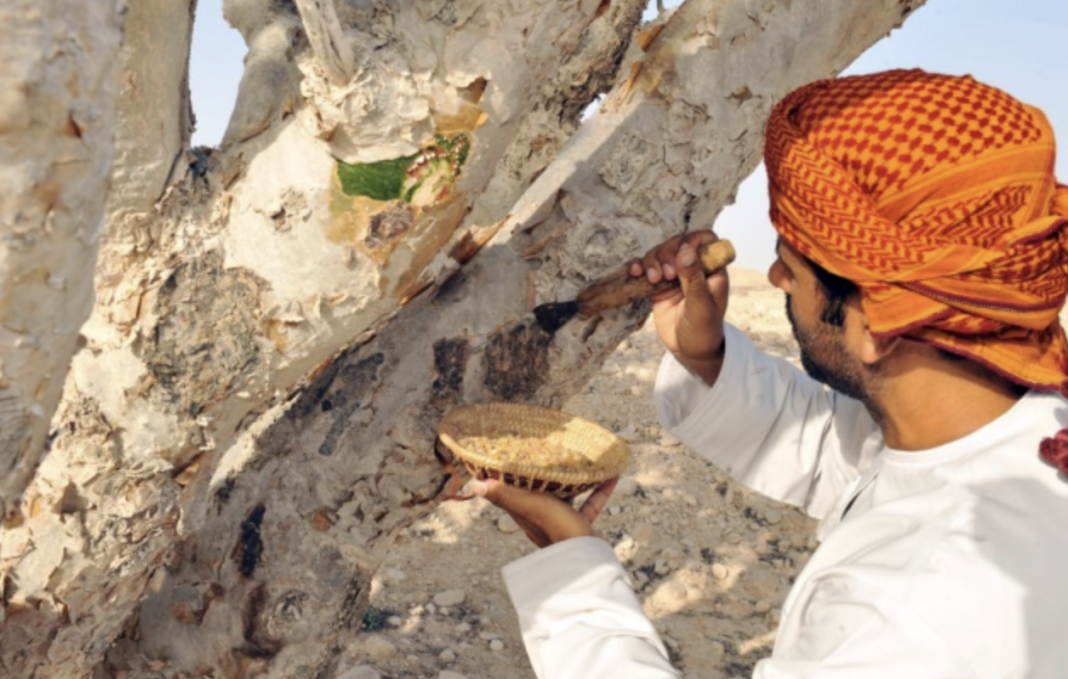
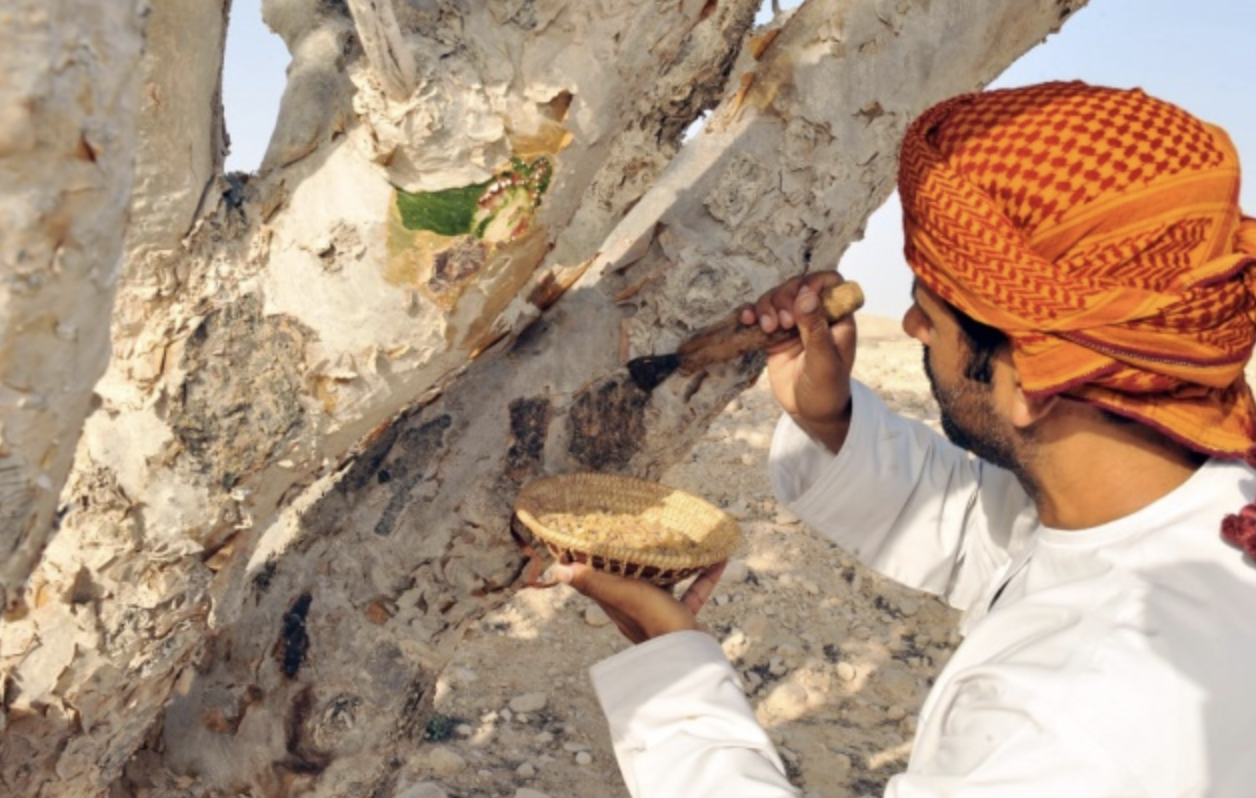
Plants from the past and used in the Bible may help us against modern ailments. Research studies to produce medicines capable of fighting COVID-19 from frankincense trees in Oman are being jointly undertaken by the University of Nizwa in Oman and the University of Oxford in England according to the Bahrain News Agency.

Ancient trees and plants from the Holy Land in Israel and written about in biblical times may have the power to heal modern ailments. We have heard a lot recently about CBD and THC from the cannabis plant but there are thousands of natural sources of medicine all around us waiting to be discovered. A recent UN report list 12 wild plants in need of protecting and one of them is based on this new research. 

The new research project is looking to isolate certain key compounds from frankincense – known for its healing properties – and to use them to make antibiotics.

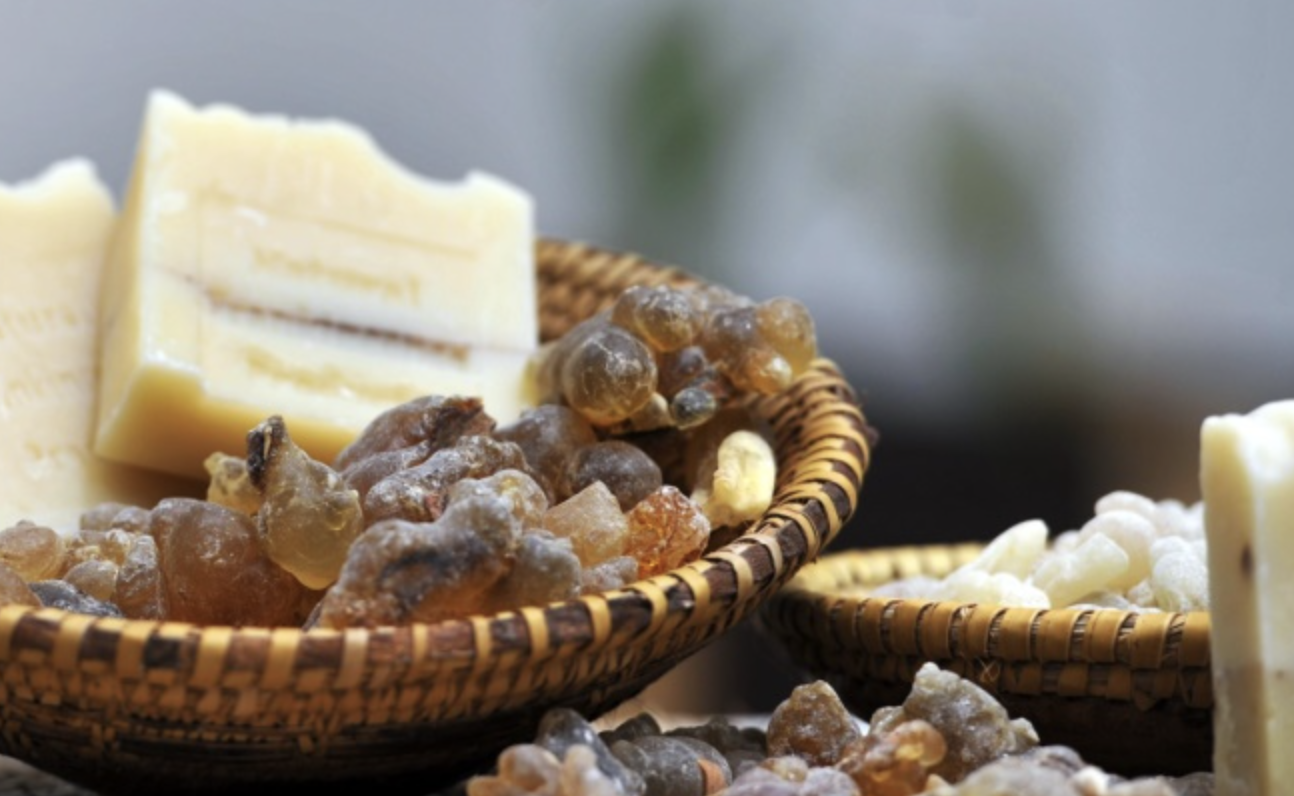
The resin contains large numbers of naturally occurring chemicals that could be used to inhibit the ability of the COVID-19 virus to infect people, the researchers suspect.
“We realised that the properties of these compounds being anti-inflammatory can be very beneficial, because we could use these to inhibit the m-protease protein in the COVID virus,” Dr Ahmed Sulaiman Al Harrasi, the Vice Chancellor for Research and Graduate Studies at the University of Nizwa, said.

“This protein is present in the spike protein of the virus, which is used to enter the host cells, such as the lungs, in the case of humans. We ran models of the m-protease, in which we treated this with our active drugs,” he added. “We could see a very strong binding between the two, which means the inhibition of the virus by these compounds could be very strong.”

The project is led by Dr Al Harrasi, who also serves as the Chair of the Natural and Medical Sciences Research Centre, which he helped found, and is conducting this research, and Dr Christopher Schofield, the Head of Organic Chemistry at Oxford. 

“It starts with the isolation of active ingredients from the frankincense resin,”Al Harrasi said.

“It then has to go through several procedures conducted here. Some of these are self-developed methodologies and protocols that helped us isolate these bioactive components, purify them, and then characterise them. We came to know their structure through different spectroscopic techniques such as nuclear resonance, X-rays and mass spectrometry. Various techniques are used to identify and elucidate the structure of those components used to make drugs isolated from frankincense.”

The resin was chosen for this research as it contains a high number of boswellic acids, known to be excellent anti-inflammatory components, which have been used to treat ailments such as diabetes, cancer, joint pain and Crohn’s disease.

“Some of these are about to reach pharmacy shelves as real drugs.”

The next step of the research will involve testing the quality and strength of the compounds isolated from frankincense.

Protecting wild plants

There are wild ingredients found in your home that are now under threat and which could be the medicine of the future. Brazil nuts, argan oil, and shea butter are now classified among a dozen wild, threatened and at risk plants known as flagship species that need protecting.

A new report published by the UN called Wild Check: Assessing risks and opportunities of trade in wild plant ingredients, sheds light on twelve flagship species – the so-called “wild dozen” – that are hidden in our everyday products.

Thousands of species are at risk primarily due to habitat loss, as well as other factors such as climate change and over-exploitation.

Of the 21 percent of medicinal and aromatic plant species whose vulnerability status has been assessed, nine percent are considered threatened with extinction. About 1 billion of the world’s most vulnerable people are thought to depend on them for their livelihoods.
 

LEAVE A REPLY

Please enter your comment!
Please enter your name here

TRENDING

The Air Tea Kettle creates a new way to meet plants and herbalism

Air Tea is a new technology. Instead of drinking tea, you inhale herbal vapor through warm air extraction. There is no water and no combustion. The warm air releases essential oils that are often lost in hot water and digestion.

Make safe herbal anti-acne products and masks

The FDA is recalling certain acne medications for cancer link. Our herbalist Miriam Kresh takes her decades of experience and creates a guide to natural acne care.

Ayahuasca in 2025: Where the Sacred Vine Still Grows

But with popularity comes complexity. Indigenous leaders and activists have raised concerns about cultural appropriation, overharvesting of ayahuasca vines, and the commercialization of sacred traditions. Some Amazonian communities are pushing back, creating frameworks for reciprocity and ethical sourcing.  Organizations like The Indigenous Medicine Conservation Fund are advocating for fair compensation, intellectual property protection, and cultural sovereignty for the original stewards of the medicine.

Shilajit honey is a superfood discovered by monkeys

Shilajit honey is a powerful natural health product that...

Fans in the toilet slow down poop droplets from making you sick

A new study published in Risk Analysis found that bioaerosol concentrations of two bacteria -- Escherichia coli (E. coli) and Staphylococcus aureus (S. aureus) -- exceeded acceptable levels established by the Centers for Disease Control (CDC) after toilet flushing. Inhaling these biological particles can produce symptoms like abdominal cramps, nausea, diarrhea, and vomiting. 

6 Payment Processors With the Fastest Onboarding for SMBs

Get your SMB up and running fast with these 6 payment processors. Compare the quickest onboarding options to start accepting customer payments without delay.

Qatar’s climate hypocrisy rides the London Underground

Qatar remains a master of doublethink—burning gas by the megaton while selling “sustainability” to a world desperate for clean air. Wake up from your slumber people.

How Quality of Hire Shapes Modern Recruitment

A 2024 survey by Deloitte found that 76% of talent leaders now consider long-term retention and workforce contribution among their most important hiring success metrics—far surpassing time-to-fill or cost-per-hire. As the expectations for new hires deepen, companies must also confront the inherent challenges in redefining and accurately measuring hiring quality.

8 Team-Building Exercises to Start the Week Off 

Team building to change the world! The best renewable energy companies are ones that function.

Thank you, LinkedIn — and what your Jobs on the Rise report means for sustainable careers

While “green jobs” aren’t always labeled as such, many of the fastest-growing roles are directly enabling the energy transition, climate resilience, and lower-carbon systems: Number one on their list is Artificial Intelligence engineers. But what does that mean? Vibe coding Claude? 

Somali pirates steal oil tankers

The pirates often stage their heists out of Somalia, a lawless country, with a weak central government that is grappling with a violent Islamist insurgency. Using speedboats that swarm the targets, the machine-gun-toting pirates take control of merchant ships and then hold the vessels, crew and cargo for ransom.

Leopoldo Alejandro Betancourt López Turned Ocean Plastic Into Profitable Sunglasses

Few fashion accessories carry the environmental burden of sunglasses. Most frames are constructed from petroleum-based plastics and acrylic polymers that linger in landfills for centuries, shedding microplastics into soil and waterways long after they've been discarded. Leopoldo Alejandro Betancourt López, president of the Spanish eyewear brand Hawkers, saw this problem differently than most industry executives.

Why Dr. Tony Jacob Sees Texas Business Egos as Warning Signs

Everything's bigger in Texas. Except business egos.  Dr. Tony Jacob figured...

Related Articles

Popular Categories