Slow Food rallies against fake meat and techno fixes at COP26

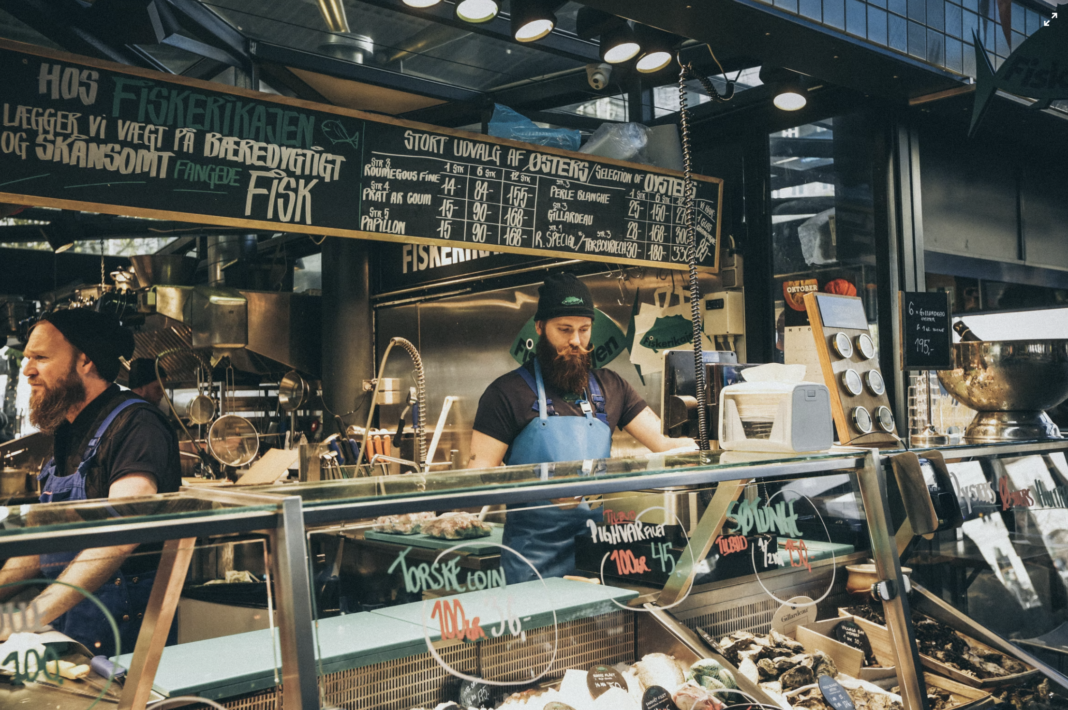
Slow Food deli in europe
Slow Food is an organization that promotes local food and traditional cooking. It was founded by Carlo Petrini in Italy in 1986 and has since spread worldwide.

Environmentalists caution that we need to slow carbon emissions quickly or risk a catastrophic change to our climate. With world leaders and non-profit organisations meeting this month at COP26 in Glasgow, one thing is certain, say representatives from the Slow Food movement, based in Italy: 

The same old corporate solutions of a tech fix such as hydroponics and fake meat (see Leonardo Dicaprio and meatballs) will not save us from climate change. 

This announcement was made by Slow Food after a two-day summit on nature and land use to slow carbon emissions was concluded. 

Slow Food leaders say we are just about sustainable agriculture without considering the food system as a whole. The proposed solutions that emerged seemed to go in two different and separate directions, presented as complementary: reforestation on the one hand and technological innovation in agriculture on the other.
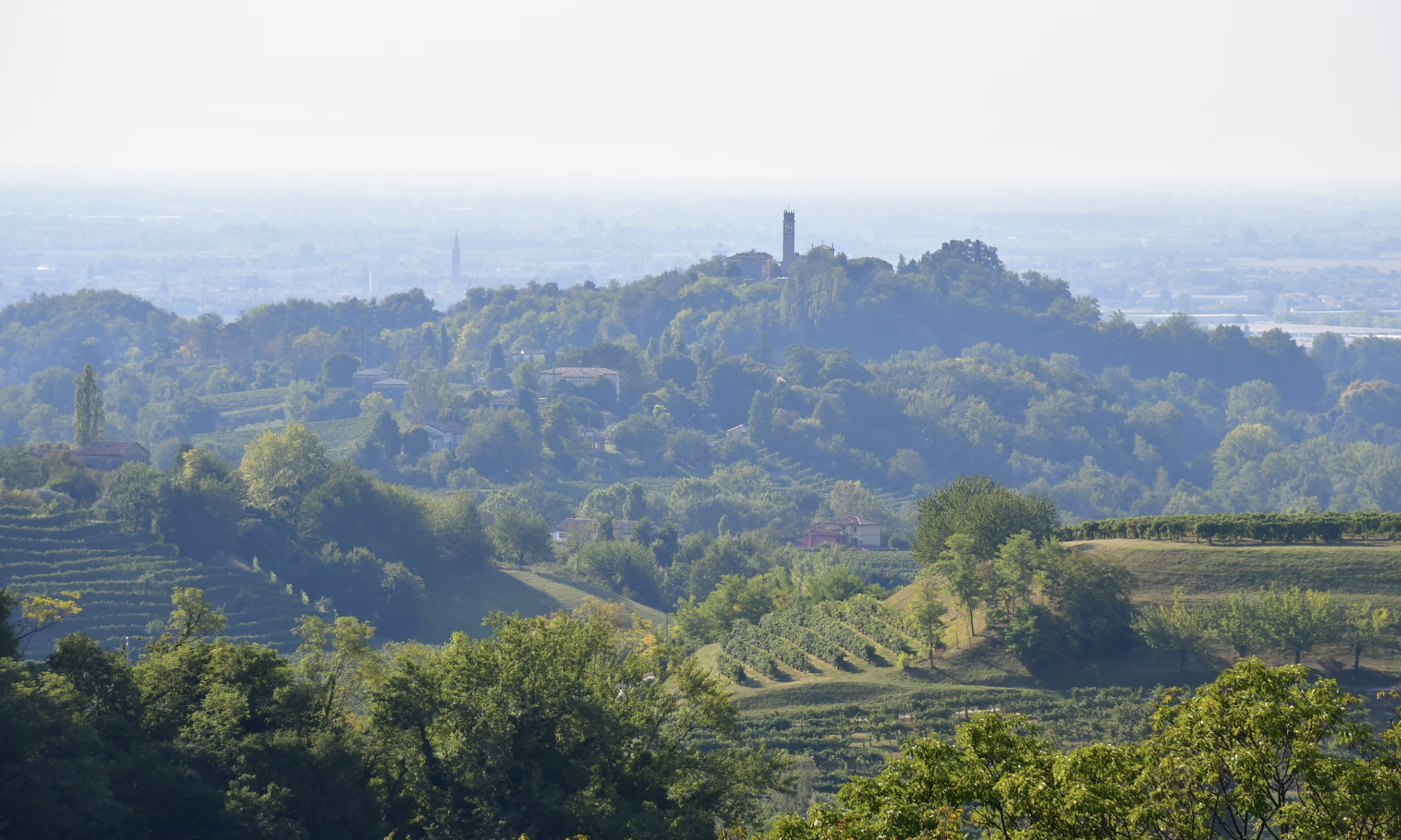
agroecology Italy
Le Colline del Prosecco di Conegliano e Valdobbiadene. Located in North-Eastern Italy, the property includes part of the winegrowing landscape of the Prosecco wine production area.

“The only approach that can effectively contribute to building a truly sustainable food system is that of agroecology,” Slow Food makes clear. “It should be recognized as a central tool to tackle the multiple crises we face, including the climate crisis: agroecology is rooted in rebuilding relationships between agriculture and the environment, and between food systems and society.

If not agroecology and regenerative agriculture we are witnessing the recycling of an old model, which keeps considering food as a series of commodities to be produced on a large scale, with monocultures assisted by futuristic technologies that will make farmers increasingly dependent on large multinational companies and their patents.

To shift our global economy to a low carbon model, authorities want to continue following the corporate narrative of high tech, centralised industrialised farming and fake meat, Slow Food criticises.  

Karin Kloosterman, entrepreneur, founder of flux, and Green Prophet
Tech fixes will not set us free from climate change: Slow Food

“One of the events at COP today was about ‘Accelerating a just rural transition to sustainable agriculture’. For us, a just transition must be based on biodiversity, agroecology and social justice – and not on techno-fixes,” says Marta Messa, Director of Slow Food Europe, comments: 

She adds: “Agricultural ecosystems must be restored in harmony with the natural environment. Techno fixes are a false solution, they are not based on the real innovations that communities come up with to be resilient. We want to see by the end of COP26 binding commitments and no empty promises”. 

Agroecology, or regenerative farming, is sustainable farming that works with nature. Ecology is the study of relationships between plants, animals, people, and their environment – and the balance between these relationships. Agroecology is the application of ecological concepts and principals in farming.

I think one of the problems about the climate change discussion at COP26 or in general is that we give too much power and credence to the United Nations, a highly politicised group that is slow to move and even slower to take action. But if not them, who else can influence large companies and governments to shift away from fossil fuels? How can we connect one-by-one, but as a whole, to make a shift? Do we keep screaming like Greta or do we start taking action in a new way – using old tools like agroecology? 


Karin Kloosterman
Karin Kloostermanhttp://www.greenprophet.com
Karin Kloosterman is an award-winning journalist, innovation strategist, and founder of Green Prophet, one of the Middle East’s pioneering sustainability platforms. She has ranked in the Top 10 of Verizon innovation competitions, participated in NASA-linked challenges, and spoken worldwide on climate, food security, and future resilience. With an IoT technology patent, features in Canada’s National Post, and leadership inside teams building next-generation agricultural and planetary systems — including Mars-farming concepts — Karin operates at the intersection of storytelling, science, and systems change. She doesn’t report on the future – she helps design it. Reach out directly to [email protected]

TRENDING

Huge Fish Nursery Discovered Under Freezing Arctic Seas

In 2019, an underwater robot camera exploring the seabed...

Remilk makes cloned milk so cows don’t need to suffer and it’s hormone-free

This week, Israel’s precision-fermentation milk from Remilk is finally appearing on supermarket shelves. Staff members have been posting photos in Hebrew, smiling, tasting, and clearly enjoying the moment — not because it’s science fiction, but because it tastes like the real thing.

The US leaves 66 United Nations organizations to “put America first”

The world needs a reset and to restart well intentioned cooperation projects from start. Because right now the UN and EU projects look like software built on code from the 80s, rickety, patched, slow to adapt, and prone to crashing under the weight of outdated assumptions.

Turkey named as climate change COP31 home in 2026

Murat Kurum as President-Designate of COP31

Ancient air trapped in Canadian salt bubbles foretells climate future

Opening these samples is like cracking open air that existed long before dinosaurs, before forests, before animals of any kind. As lead researcher Justin Park put it: “It’s an incredible feeling to crack open a sample of air that’s a billion years older than the dinosaurs.”

Should You Invest in the Private Market?

startustartup Unlike public stock exchanges, which offer daily trading, strict...

How to build a 100-year-company

Kongō Gumi is a Japanese construction company, purportedly founded in 578 A.D., making it the world's oldest documented company. What can we learn about building sustainable businesses from them?

From Pilot Plant to Global Stage: How Aduro Clean Technologies’ 2026 Expansion Signals a Turning Point for Chemical Recycling Investors Like Yazan Al Homsi

The company's Next Generation Process (NGP) Pilot Plant in London, Ontario, has officially moved into initial operating campaigns, generating the kind of structured, repeatable data that separates laboratory promise from commercial viability.

How AI Helps SaaS Companies Reduce Repetitive Customer Support Work

SaaS products are designed for large numbers of users with different levels of experience, and also in renewable energy.

Pulling Water from the Air

Faced with water shortage in Amman, Laurie digs up...

Turning Your Energy Consultancy into an LLC: 4 Legal Steps for Founders in Texas

If you are starting a renewable energy business in Texas, learn how to start an LLC by the books.

Tracking the Impacts of a Hydroelectric Dam Along the Tigris River

For the next two months, I'll be taking a break from my usual Green Prophet posts to report on a transnational environmental issue: the Ilısu Dam currently under construction in Turkey, and the ways it will transform life along the Tigris River.

6 Payment Processors With the Fastest Onboarding for SMBs

Get your SMB up and running fast with these 6 payment processors. Compare the quickest onboarding options to start accepting customer payments without delay.

Related Articles

Popular Categories