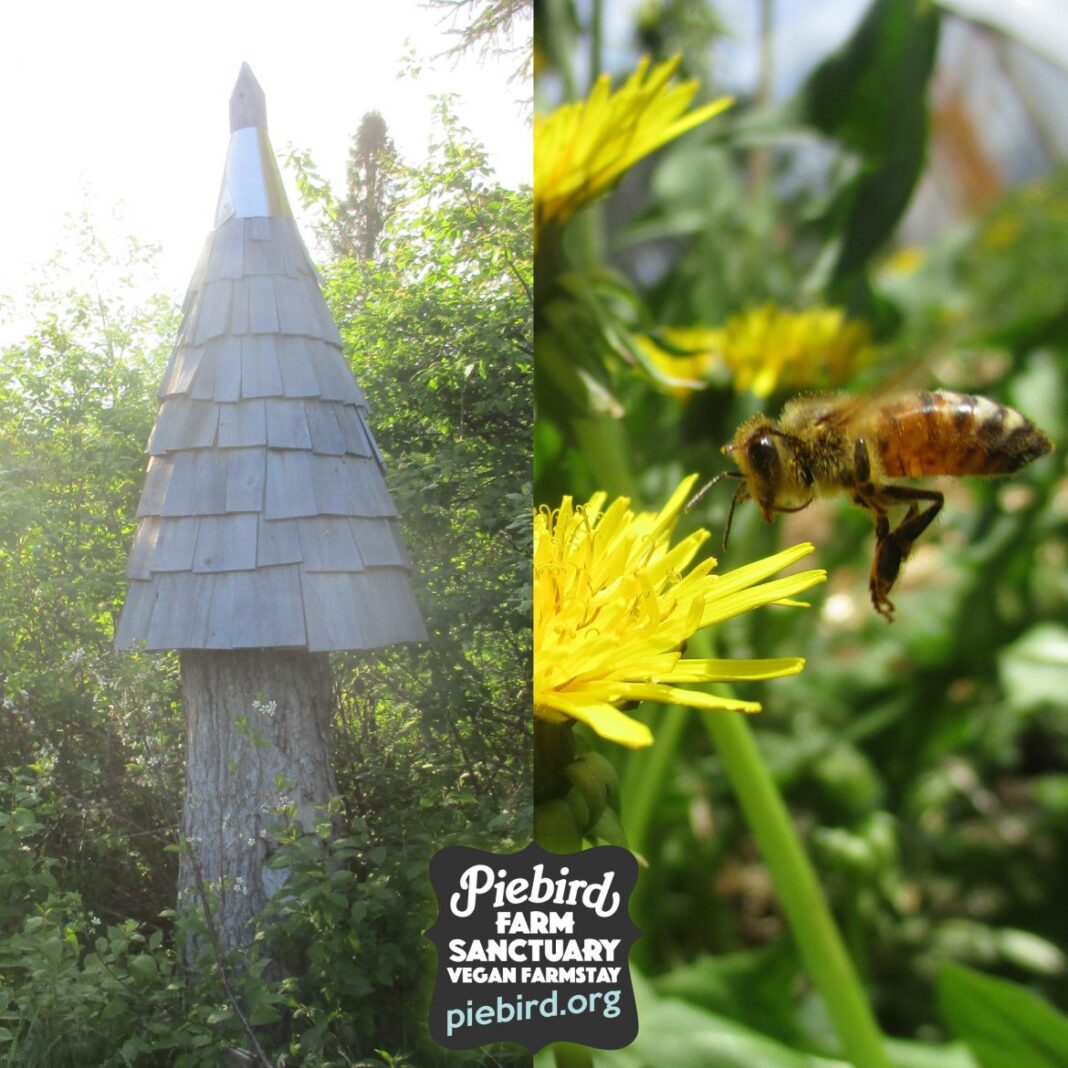


Honey is a magical elixir. Mystical even. And our love for it goes way back to the earliest signs of advanced civilization. Archeologists have found pots of it in ancient tombs in Egypt placed there as a gift to the gods because it was so loved.
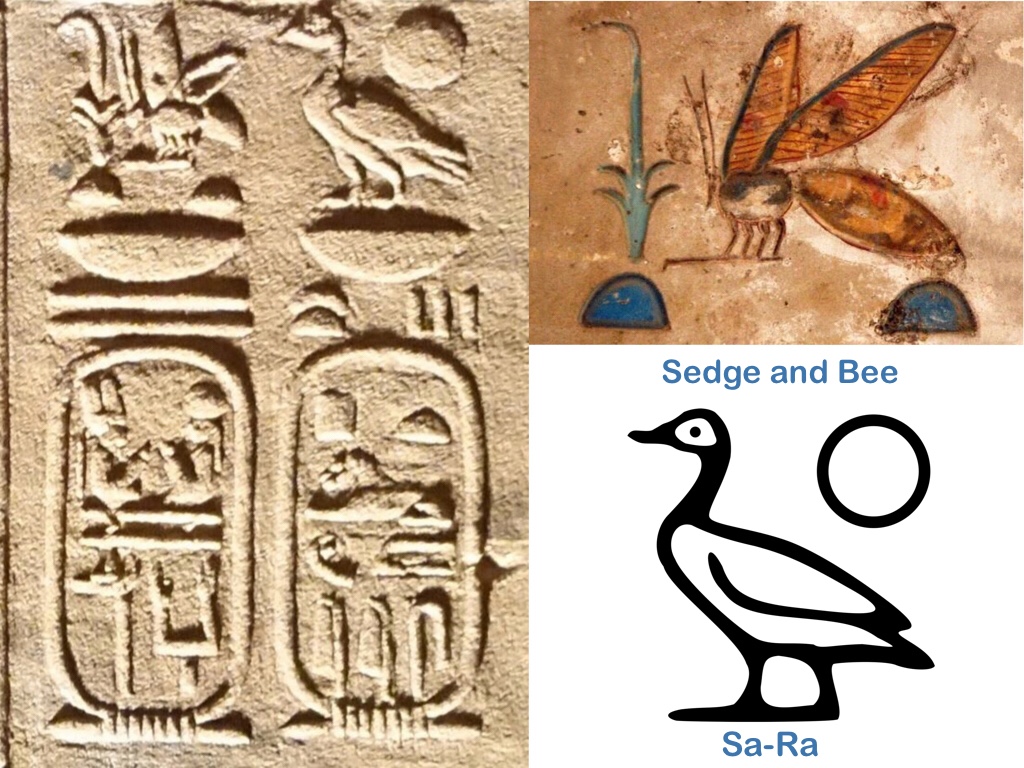
Honey experts and beekeepers I’ve met say that honey can last forever, well at least 3,000 years –– the world’s oldest sample, which is still perfectly fine for us to eat.
So there is no doubt that with news of honey health benefits as a natural immune system protector in your tea, and as a great energy source –– that we have learned to love and revere our honey, seeking out new flower blossom flavors, sources, stories and recipes we can share.
What’s clear is that we love honey. Agreed? Then it seems almost inconceivable, evil even, that the world’s honeybees are facing a massive breakdown, with hive die-offs left, right and center from Bee Colony Collapse Disorder. Everywhere we turn we face another disaster story –– and companies trying to profit from fixing it. Plenty of articles can be found online about how without the bees as major pollinators our food system would collapse.
But is this the whole story? That we’ve messed up our planet, and because of neonics and climate change and our voracious appetite, bees are kicking the bucket?
Related: Syria’s beehive houses keep the shade
This summer I visited a couple of bee farms. One conventional, and one very much out of the ordinary – in a good way (jump to PieBird if you are from the BuzzFeed era and can’t read more than this). First, I took my kids to Board’s Honeybee Farm in Ontario where we learned about how they are working with local farmers to keep the fields and bees healthy. But the bees they are raising are not local. They are imports from Italy. And they need to be replenished regularly, especially after the winter.
They even had stickers advertising Flow Hives, those automatic honey collector hives, making it super easy for anyone to be a beekeeper. The Boards are good people who give to the community, and they make great honey and honey products, and we buy them all the time.
While I’d done their tour out of the old school bus before (always time to update my bee know-how), this time I was listening harder and asking more questions and learned something not talked about much: that the biggest “bee” pollinators on our planet are not the honeybees, but another group of bees entirely and they are called solitary bees. These are bees who do not build hives. Some 70% of them live in holes in the ground. Others find way to burrow into small protective spaces. A way to save them is by leaving parts of your lawns un-mowed, building nests for them, and by planting wildflowers that they love.
For instance, a single red mason bee solitary bee is equivalent to 120 worker honeybees in the pollination power it provides. This was news to me. And why isn’t this story getting out?
“Our love for honey has led to us wanting to save the thing we are exploiting,” are words I was told by my new and dear friend Yan, part of an extraordinary couple to Sherry Milford, both living in Nipissing, Ontario. There they run an animal sanctuary and vegan farmstay + bed and breakfast called PieBird, and among the goats they comb, and chickens and ducks they tend to (without eating their eggs), they run a honeybee sanctuary.
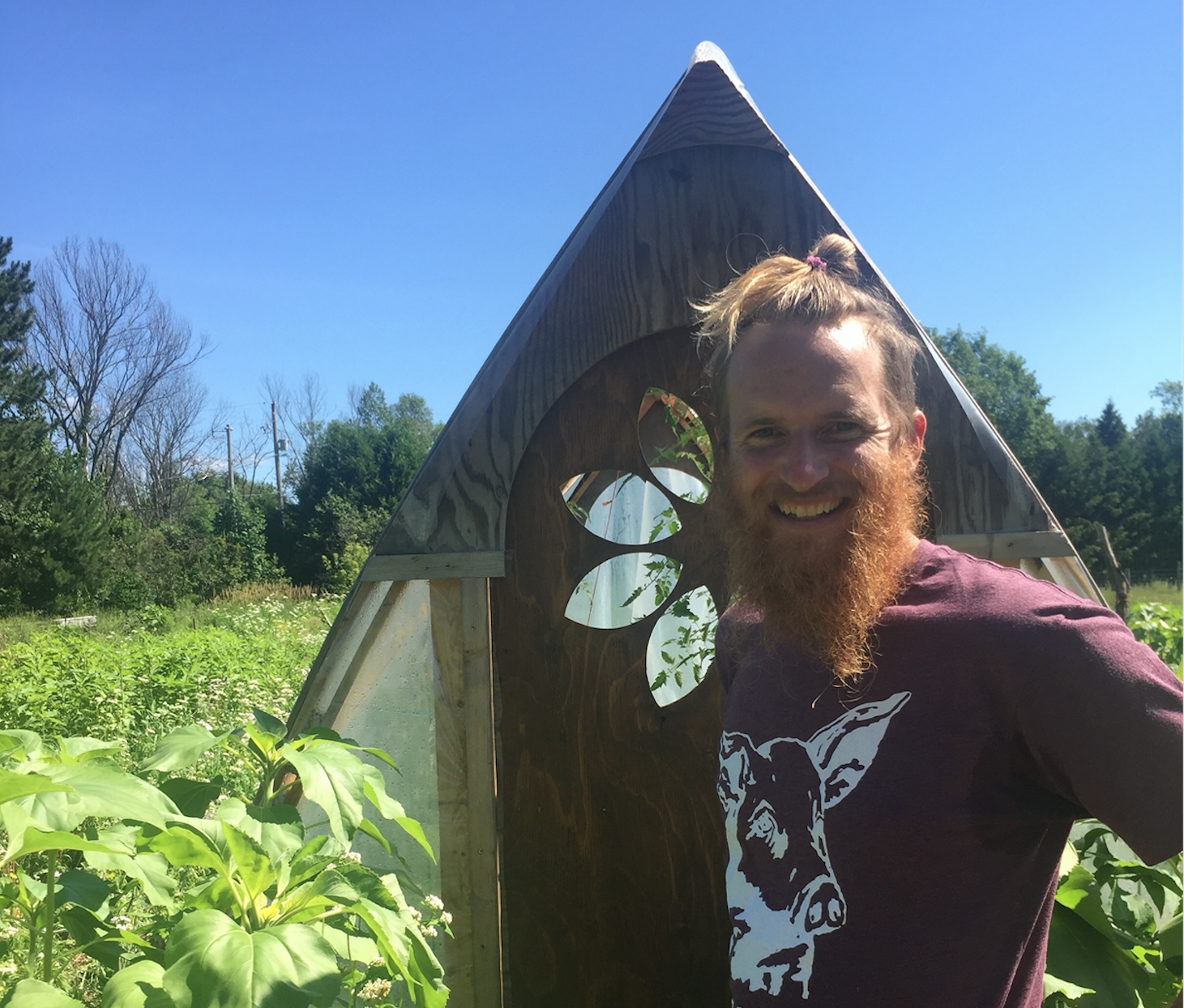


It’s a sanctuary for honeybees, where the bees are allowed to do their thing, where the queens can come and go as they like, and no-one but the baby bees are eating the honey. I’ve known for years that vegans don’t eat honey, an idea that sounded absurd until I talked with Yan.
“Humans can learn a lot from our bee friends,” he tells me. See him in the video below.
I urge you to support the honeybees by supporting people like Yan and Sherry at PieBird. They offer sanctuary to honeybees, but more importantly they are an essential voice for the bees. Together, they live a life of a legend, while operating their small paradise about 4 hours north of Toronto. Sherry and Yan walk the walk, and talk the talk.
A video that I love about them from a few years back:
https://www.youtube.com/watch?v=0p3ce16_mzU
WHAT CAN YOU DO TO SAVE HONEYBEES?
Sponsor a hive, of course, or some other animals via [email protected]. And if you can’t support their important mission with your cash, share this story and support some solitary bees. Over on GrowWild in the UK, you can learn how to create habitat for solitary bees, like the one pictured below. It’s a great project to start in cities and obviously for kids, while you teach them about the bees.

I am not suggesting that we all stop eating honey today to protect honeybees for tomorrow. I am not that radical, though I am inclined to become a vegan only until I remember how much I love cheese. But maybe as we eat it, on holidays or whenever, remember that when it comes to cheese, meat or eggs — there are animals who are serving us. And that most industries are not protecting the welfare of the animals they exploit. Find honey that’s been gathered and prepared with some ethics in mind, preferably not the big supermarket pasteurized honey. Not sure? Take our honey test here.
If you want to be part of the solution educate yourself: get online and find a beehive to visit (read about the day Miriam toured an apiary and got swarmed!), donate to a bee sanctuary (Piebird is a great one –[email protected]) – ask Yan if you can adopt a hive in the name of one of your loved ones! Buy organic fruit and veggies free from pesticides (neonicotinoids or neonics especially) when you can, and start building habitat for solitary bees. Or, you could always be a rapper like this guy.
::PieBird