


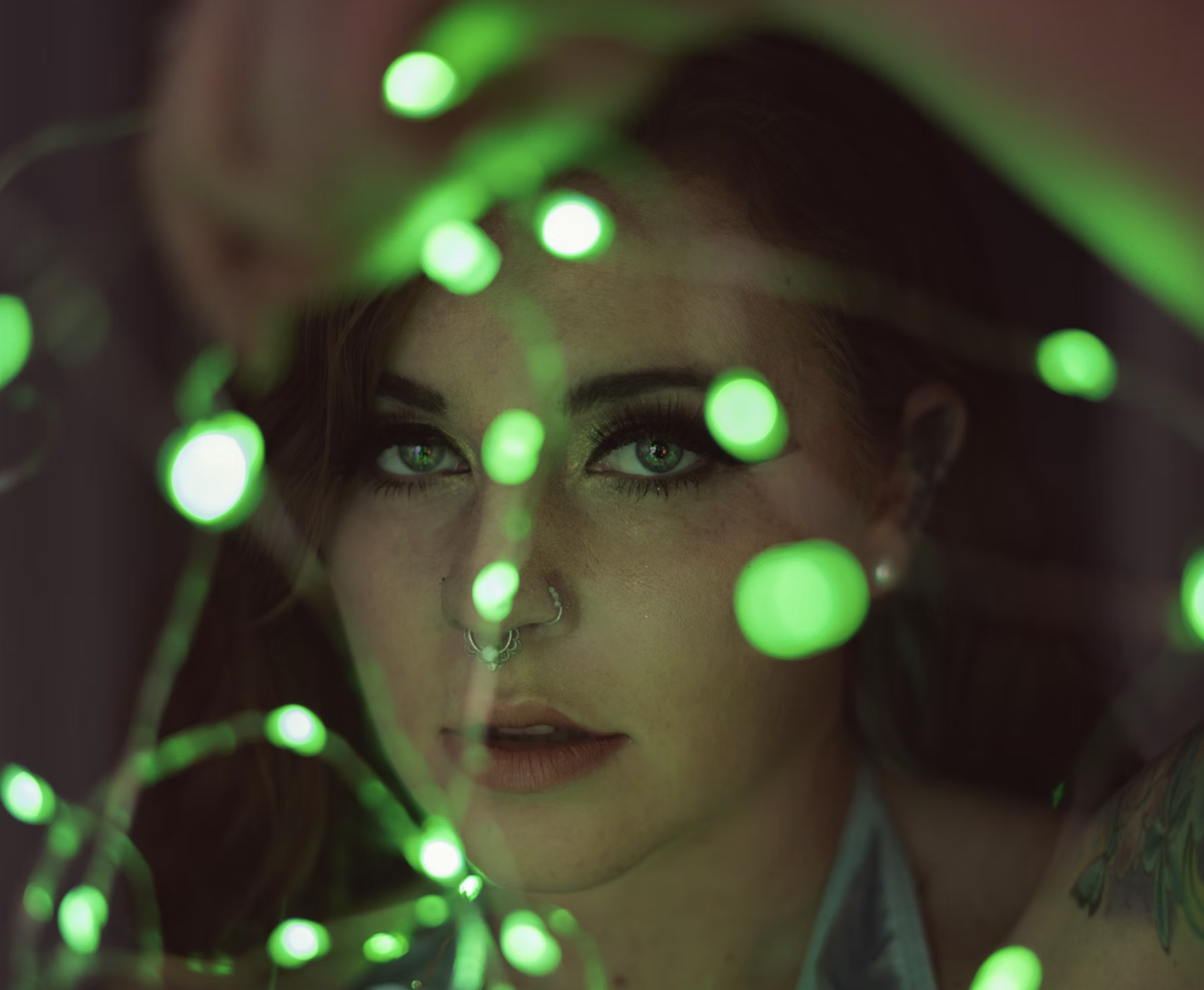
In teddy bears, iPhones and baby sleep monitors: turn off those LED lights at night before they affect your sleep cycles and health!
Professor Abraham Haim, an authority on the biological effects of light pollution, presented his findings at the International Congress of Zoology (ICZ) in Haifa Israel.
World experts discussed, “Light Pollution and its Ecophysiological Consequences” and came to a consensus that light pollution does have health consequences.
Professor Haim’s team studied the effect of night light on blind mole rats and seeing rats. He presented his research findings indicating that the biological effects of nocturnal lights included damage to metabolic rates, body mass, oxygen consumption and the level of certain hormones including melatonin– which is known to impact sleep cycles and mood and is believed to suppress some cancers and tumors.
Studies seemed to indicate that the short-wavelength blueish light emitted by Light Emitting Diodes (LEDs) has an especially strong effect. Ever since humans brought light into their homes in the form of candles and oil lamps, we’ve considered artificial lights to be a positive influence in our lives. World religions reinforced this belief with the miracles of menorahs, eternal flames and the light of the world.
Up through the invention of incandescent bulbs indoor lights had a color which was warmer (redder) than natural sunlight. This changed somewhat with the advent of greenish florescent lights. But a more dramatic change came very recently with the invention of efficient white light Light Emitting Diodes (LEDs).
The history of LED lights
H.J. Round was working in the UK’s Marconi labs when he noticed electroluminescence of a cat’s-whisker silicon carbide diode in 1907.
LEDs which followed in 1927 were so dim as to be impractical until Biard and Pittman of Texas Instruments made the first practical red LED in 1961. The color of an LED is proportional to the bandgap voltage which is proportional to energy which is proportional to the chances of burning out your LED before you can say, “Hey, look what I invented!”
Decades passed with only dim red and yellow-green LEDs commercially available. Finally in 1993 Shuji Nakamura worked for Nichia Corporation in Japan and combined blue LEDs with a yellow-white phosphor to produce the first white light LEDs. He moved to the University of Santa Barbara and won the millennium prize for inventing brighter green, blue and white LEDs as well as the blue lasers which make blue-ray video players possible.
The problem with LED lights
We may have learned this in grade school, a perfect mix of the primary colors red, blue and green will make white. Existing red LEDs along with Nakamura’s bright green and blue LEDs finally made this possible.
Only that’s not how most white LEDs work. After years hovering just the other side of impossible, blue LEDs became more efficient than their red and green grandparents. So most white LEDs are actually deep blue LEDs with Nakamura’s yellow-white phosphor coating. Yellow-white + blue = white.
But even though our eyes try to average it out, the strong blue spectral component remains. And that’s where the trouble comes from. It seems that the human biological clock evolved around fire so isn’t as easily fooled by reddish-yellow incandescent lights. Blue light is different: As soon as it hits our pineal gland, our melatonin levels fade and our biological clocks are reset to wake-up time. That’s all fine if you’re only exposed to blue light shortly before sunrise.
But blue-white LEDs aren’t just inside eco-efficient LED fixtures. They’re in your television and the mobile phone you use to checked your Facebook status and the iPad you use to read your bedtime novel. My son’s teddy bear, baby monitor and night light all contained blue or blue-white LEDs. And all of these devices emit enough blue light to potentially effect hormone levels and sleep patterns or cause other biological effects.
Alternatives to LED lights?
Electron Stimulated Luminescence (ESL) lights are one alternative which can replace both mercury-laden CFLs and expensive blue-white LEDs but they aren’t yet easy to find and their bulky shape makes them a poor fit for many of the tight spots where LEDs shine. It is possible that by refining LED composition and control circuits, an efficient white LED will be invented which does make use of a warmer balance of red, green and blue LEDs. LEDs are rugged, efficient, long-lasting and very bright but nearly every new technology has a hidden downside which must be studied and balanced against the advantages. LEDs are no different.




I have had major problems with compact fluorescents which were installed last year. Total Programmed Cell Death in all leaves by High Light Stress. This year no leaves in canopy but epicormic branches & leaves round base & creeping up trunk. Council do not agree but I am a Biologist and had one loads of research they have not! The light are on all night, not giving the leaves any to to repair or recover.They they changing them to LEDs next year and I continue to be worried! Had this tree for 28 years,so sad.
It seems like some studies are running light years behind technological evolution. The blue spike is gone already longtime in the state of the art white leds. Bad quality stuff and more important, bad driver electronics have a much higher impact on the health effects leds may present.
Not all LEDs have high blue spike spectrums. GaN on GaN LEDs show a low blue spectrum, precisely at the frequency that evidently most impacts circadian rhythms. As the fundamental chip technology evolves, this spectrum problem will go away.
I’ve removed all the post-its I’d slapped on these buggers (they did help darken the bedroom), handed the husband your story Brian, and am now awaiting his tech re-locations so I can sleep without a pinched-from-first-class diva sleep mask.
Thank you, thank you, thank you for giving him 3rd party verification that these lights are demon eyes!
So, its any light not LED, Turn all lights off (including blue LEDs)when sleeping. On the plus side , the LED “Haters” will now have(only)one more, so called studies to point at.