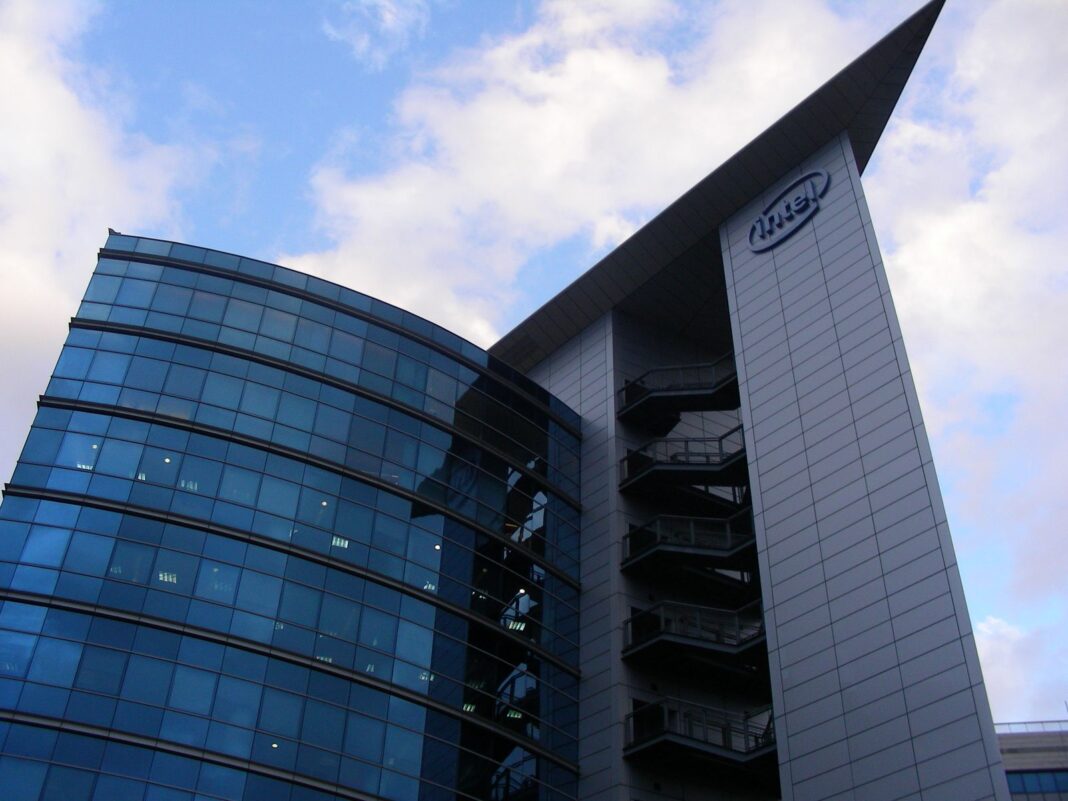

 Think of Israel and high tech, and the first word that pops into most minds is…Intel. Since setting up shop in the country in 1974, Intel Israel has been responsible for developing the Pentium and Centrino chips which power most PCs around the world.
But in the future, if you put together Intel and Israel, the first word that will probably spring to mind is… ‘green.’ That’s because recently in Haifa, Intel Israel dedicated the country’s most environmentally-friendly office building. Dubbed IDC9, the 11-storey, $110 million facility has a double distinction. It is Israel’s first LEED-certified green building and it has been awarded Gold – the second-highest rating in the LEED certification system.
Standing for Leadership in Energy and Environmental Design, the American LEED is a voluntary, consensus-based standard for developing high-performance, sustainable buildings. The US Green Building Council initiated the LEED standard to encourage ecologically-sound construction in that country. There are barely a handful of LEED-certified buildings in Israel.
However, with the IDC9 Intel made a strategic decision to go full throttle in Israel after years of evaluating ‘green’ design standards and steadily incorporating green building concepts and practices into the construction of its buildings.
A slew of green elements
Industry, Trade and Labor Minister Binyamin Ben-Eliezer praised the move at a gala dedication ceremony held at the site earlier this summer, which was also attended by Environmental Protection Minister Gilad Erdan.
Ben-Eliezer stressed the “natural and necessary connection between business and environmental protection,” that Intel Israel was displaying in its investment in the building, which also conforms to the Standards Institution of Israel standard 5281 for ‘Outstanding Green Building,’ which addresses four main areas: Energy, water savings, land, and various ecological issues.
The complex LEED system rates buildings according to their environmental properties, including water and energy consumption, interior conditions and more. It takes into account everything from construction materials, energy management and natural light to bike racks and showers.
The facility incorporates a slew of green elements, beginning at the construction level. Construction waste was separated at source into its component parts and recycled. About 13 percent of the construction materials came from recycled sources. The structure was constructed on a previous parking site to prevent damage to natural assets. These measures are expected to result in a reduction of 17% in total energy consumption.
In addition, an energy-saving technique has been used in the facility’s server room. Spread over 7,535 square feet, the space will house up to 15,000 computers. The heat generated from these computers will be recycled for hot water and winter heating. The room uses energy-efficient lighting and is equipped with motion detectors that turn off the lights when it’s not in use. The building’s data center has also been designed to save energy. It features Intel Xeon processors, which reduce power consumption.
The building boasts wide and double glazed windows, patios and reflective shelves, which allow natural light to filter inside. More than 75% of its high-use areas are exposed to natural light with the help of automatic control systems that regulate the flow. Automatic sensors control the levels of artificial lighting according to the natural light, and employees can control lighting and temperatures in their offices via their personal computers. Fresh air is monitored by CO2 sensors that track the number of people on each floor.
The roof of the facility is covered with vegetation and heat-reflecting materials to lower interior temperatures. The roof garden provides enough thermal insulation to lower the heat load by 17 cooling tons. A special control system installed in the facility reduces water consumption for gardening needs by 55%, compared with average summer consumption. Water condensed by air conditioners is collected and used for gardening. The facility has also installed standard water-saving sanitary systems such as faucets, showers, toilets and urinals to achieve 30% reduction in water usage.
Economic benefits, minimal environmental impact
According to Intel’s principle engineer, Ted Reichelt, it was a long process to convince everyone at the company to invest in the LEED certification, especially since in an environment where construction costs are increasing and every dollar is carefully scrutinized, spending money on ‘certification’ can easily plummet to the bottom of the construction priority list.
“Our construction managers started hearing more about other projects being LEED-certified, and this created greater internal acceptance of the idea; additionally, the costs associated with the LEED certification started to fall,” says Reichelt. Intel hopes that the experience with the Haifa building will lead to other office buildings being LEED-certified and eventually to Intel’s first LEED certified fabrication plant.
“Intel is committed to incorporating environmental protection principles in the construction of its new facilities, as well as making strategic enhancements in existing facilities so that they meet the highest standards,” David Perlmutter, executive vice president and general manager of Intel Architecture Group, said in a statement that continued, “We seek to assign equal importance to economic, social and environmental goals. The IDC9 building in Haifa provides Intel with economic benefits with minimal environmental impact.”
According to Maxine Fassberg, vice president of Intel Corporation and general manager of Intel Israel, the company was working “unrelentingly to find innovative solutions for reducing our environmental footprint. The building provides our employees with a safe, green and healthy environment, which saves energy and natural resources for the benefit of the building occupants and the environment,” Fassberg adds.
The city of Haifa is also enthralled with the new Intel facility, with Mayor Yona Yahav stating, “Intel management’s confidence in the city’s ability to support the green building, positions Haifa as Intel’s largest development center in the world. We are proud to have helped Intel Israel achieve this status.”
Apart from the Haifa development center, Intel Israel has centers in Yakum, Jerusalem and Petah Tikva, and two production plants (in Kiryat Gat and Jerusalem). Life has turned greener for the more than 6,000 workers, as well as several thousand additional external employees, who earn their living at Intel Israel.
:: image via Santosh and story via ISRAEL21C
More Green Building News: