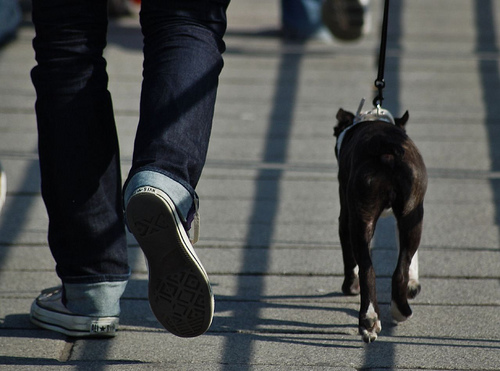
 City councils world-wide are watching as municipal workers in the Israeli city of Petach Tikva are DNA-testing dog droppings in order to identify and fine irresponsible pet owners. Update in 2021: the pilot project has come to life in Tel Aviv.
Under a six-month trial program residents are being asked to voluntarily bring their dogs into a city veterinarian who will take a saliva sample from the dogs to gather DNA. The sample will be sent to a lab in order to assemble a database of dog DNA. The registry will enable the municipality to identify dog feces left on sidewalks. Workers will just bag a sample of the offending material when they find it underfoot, mail it into the lab for identification, and a fine will be sent on to the dog’s registered owner.
But, the program comes with benefits for the animals’ caretakers as well. Coupons for pet food and toys will be distributed to the owners of registered dogs whose feces isn’t found on Petach Tikva sidewalks. The city’s chief veterinarian, Tika Bar-On, came up with the idea for the experiment and says her “goal is to get the residents involved, and tell them that together, we can make our environment clean.”
Bar-On told reporters she hopes the canine DNA registry will further research on canine genetic diseases, aid in identifying pedigrees and help identify stray pooches. That last part means dog owners wouldn’t need to put electronic tags in their dogs if the program were to become widespread.
If the program works, it could spread rapidly – and submitting a doggie DNA sample could become mandatory in many municipalities. Australia’s largest DNA testing company, Genetic Technologies, has already submitted proposals to implement the scheme in several cities Down Under and several Sydney council-members have already spoken out in favor of the idea. Cities in America and Europe are likely to see similar registries should the Israeli and Australian programs prove effective.
Read all about the un-green aspects of doogie do:
Clean Up After Fido




 Earth Future is a collection of very worthy short stories. It is immediately clear that Guy Dauncey is not writing from a literary and imaginative viewpoint: he is really telling us stories about how the world could be, using some real social tools and shifts, and in one or 2 stories, how bad the world (meaning both the natural world and the cohesion of the human community) currently is and will continue to become if we don’t act upon the pollution, greed, and other corrupting factors now.



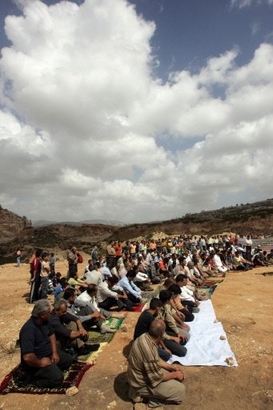


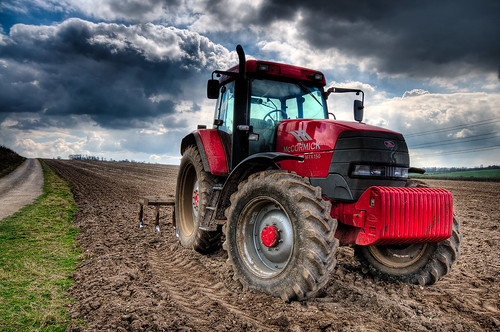 Last Friday, World Vision and the United States Agency for International Development (USAID) celebrated the achievements of a three year project that has helped hundreds of Lebanese farmers grow organic agriculture in

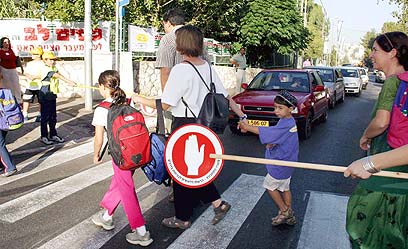
 If you live near a school, then you know what 8 am and afternoon pick up times mean for the environment. With all of those parents driving their individual children to and from school, the carbon emissions associated with getting elementary, middle, and high school students to school can be pretty detrimental.