“In the midst of uncertain time, renewable energy remains consistent and steadfast in its expansion,” said Francesco La Camera, IRENA’s Director-General. “A more decentralised energy system, with a growing share of renewables and more market players, is structurally more resilient.”
Health insurance is a regulated financial product. Insurers operate under binding contracts, overseen by state insurance commissioners, that legally obligate them to pay claims meeting policy terms. Policyholders who believe a covered claim was wrongfully denied have legal recourse through state regulatory channels.
The New Zealand Merino Company, now rebranded as Zentera, has quietly removed the phrase “world’s leading ethical wool brand” from its website, a notable change that comes after a disturbing investigation by PETA Asia-Pacific into the company’s ZQ-certified wool supply chain, PETA reports to Green Prophet.
Somehow vegetables with short seasons excite the imagination and appetite more sharply than produce that’s available all year around. Good Middle Eastern cooks have many recipes for delicate fava beans, and this turmeric-fragrant soup is one.
“In the midst of uncertain time, renewable energy remains consistent and steadfast in its expansion,” said Francesco La Camera, IRENA’s Director-General. “A more decentralised energy system, with a growing share of renewables and more market players, is structurally more resilient.”
Health insurance is a regulated financial product. Insurers operate under binding contracts, overseen by state insurance commissioners, that legally obligate them to pay claims meeting policy terms. Policyholders who believe a covered claim was wrongfully denied have legal recourse through state regulatory channels.
The New Zealand Merino Company, now rebranded as Zentera, has quietly removed the phrase “world’s leading ethical wool brand” from its website, a notable change that comes after a disturbing investigation by PETA Asia-Pacific into the company’s ZQ-certified wool supply chain, PETA reports to Green Prophet.
Somehow vegetables with short seasons excite the imagination and appetite more sharply than produce that’s available all year around. Good Middle Eastern cooks have many recipes for delicate fava beans, and this turmeric-fragrant soup is one.
“In the midst of uncertain time, renewable energy remains consistent and steadfast in its expansion,” said Francesco La Camera, IRENA’s Director-General. “A more decentralised energy system, with a growing share of renewables and more market players, is structurally more resilient.”
Health insurance is a regulated financial product. Insurers operate under binding contracts, overseen by state insurance commissioners, that legally obligate them to pay claims meeting policy terms. Policyholders who believe a covered claim was wrongfully denied have legal recourse through state regulatory channels.
The New Zealand Merino Company, now rebranded as Zentera, has quietly removed the phrase “world’s leading ethical wool brand” from its website, a notable change that comes after a disturbing investigation by PETA Asia-Pacific into the company’s ZQ-certified wool supply chain, PETA reports to Green Prophet.
Somehow vegetables with short seasons excite the imagination and appetite more sharply than produce that’s available all year around. Good Middle Eastern cooks have many recipes for delicate fava beans, and this turmeric-fragrant soup is one.
“In the midst of uncertain time, renewable energy remains consistent and steadfast in its expansion,” said Francesco La Camera, IRENA’s Director-General. “A more decentralised energy system, with a growing share of renewables and more market players, is structurally more resilient.”
Health insurance is a regulated financial product. Insurers operate under binding contracts, overseen by state insurance commissioners, that legally obligate them to pay claims meeting policy terms. Policyholders who believe a covered claim was wrongfully denied have legal recourse through state regulatory channels.
The New Zealand Merino Company, now rebranded as Zentera, has quietly removed the phrase “world’s leading ethical wool brand” from its website, a notable change that comes after a disturbing investigation by PETA Asia-Pacific into the company’s ZQ-certified wool supply chain, PETA reports to Green Prophet.
Somehow vegetables with short seasons excite the imagination and appetite more sharply than produce that’s available all year around. Good Middle Eastern cooks have many recipes for delicate fava beans, and this turmeric-fragrant soup is one.
“In the midst of uncertain time, renewable energy remains consistent and steadfast in its expansion,” said Francesco La Camera, IRENA’s Director-General. “A more decentralised energy system, with a growing share of renewables and more market players, is structurally more resilient.”
Health insurance is a regulated financial product. Insurers operate under binding contracts, overseen by state insurance commissioners, that legally obligate them to pay claims meeting policy terms. Policyholders who believe a covered claim was wrongfully denied have legal recourse through state regulatory channels.
The New Zealand Merino Company, now rebranded as Zentera, has quietly removed the phrase “world’s leading ethical wool brand” from its website, a notable change that comes after a disturbing investigation by PETA Asia-Pacific into the company’s ZQ-certified wool supply chain, PETA reports to Green Prophet.
Somehow vegetables with short seasons excite the imagination and appetite more sharply than produce that’s available all year around. Good Middle Eastern cooks have many recipes for delicate fava beans, and this turmeric-fragrant soup is one.
“In the midst of uncertain time, renewable energy remains consistent and steadfast in its expansion,” said Francesco La Camera, IRENA’s Director-General. “A more decentralised energy system, with a growing share of renewables and more market players, is structurally more resilient.”
Health insurance is a regulated financial product. Insurers operate under binding contracts, overseen by state insurance commissioners, that legally obligate them to pay claims meeting policy terms. Policyholders who believe a covered claim was wrongfully denied have legal recourse through state regulatory channels.
The New Zealand Merino Company, now rebranded as Zentera, has quietly removed the phrase “world’s leading ethical wool brand” from its website, a notable change that comes after a disturbing investigation by PETA Asia-Pacific into the company’s ZQ-certified wool supply chain, PETA reports to Green Prophet.
Somehow vegetables with short seasons excite the imagination and appetite more sharply than produce that’s available all year around. Good Middle Eastern cooks have many recipes for delicate fava beans, and this turmeric-fragrant soup is one.
“In the midst of uncertain time, renewable energy remains consistent and steadfast in its expansion,” said Francesco La Camera, IRENA’s Director-General. “A more decentralised energy system, with a growing share of renewables and more market players, is structurally more resilient.”
Health insurance is a regulated financial product. Insurers operate under binding contracts, overseen by state insurance commissioners, that legally obligate them to pay claims meeting policy terms. Policyholders who believe a covered claim was wrongfully denied have legal recourse through state regulatory channels.
The New Zealand Merino Company, now rebranded as Zentera, has quietly removed the phrase “world’s leading ethical wool brand” from its website, a notable change that comes after a disturbing investigation by PETA Asia-Pacific into the company’s ZQ-certified wool supply chain, PETA reports to Green Prophet.
Somehow vegetables with short seasons excite the imagination and appetite more sharply than produce that’s available all year around. Good Middle Eastern cooks have many recipes for delicate fava beans, and this turmeric-fragrant soup is one.
“In the midst of uncertain time, renewable energy remains consistent and steadfast in its expansion,” said Francesco La Camera, IRENA’s Director-General. “A more decentralised energy system, with a growing share of renewables and more market players, is structurally more resilient.”
Health insurance is a regulated financial product. Insurers operate under binding contracts, overseen by state insurance commissioners, that legally obligate them to pay claims meeting policy terms. Policyholders who believe a covered claim was wrongfully denied have legal recourse through state regulatory channels.
The New Zealand Merino Company, now rebranded as Zentera, has quietly removed the phrase “world’s leading ethical wool brand” from its website, a notable change that comes after a disturbing investigation by PETA Asia-Pacific into the company’s ZQ-certified wool supply chain, PETA reports to Green Prophet.
Somehow vegetables with short seasons excite the imagination and appetite more sharply than produce that’s available all year around. Good Middle Eastern cooks have many recipes for delicate fava beans, and this turmeric-fragrant soup is one.
As Turkey houses Hamas and gives up its hope of joining the European Union it ramps up its collaborations on energy with Russia on nuclear power plants, and now in the news –– with China. Ankara and Beijing said they will finalize a deal on a new nuclear power plant in Turkey “in a few months,” says Turkish Energy and Natural Resources Minister Alparslan Bayraktar who told a Chinese broadcaster during his visit to the country.
Collaboration between Turkey and China in nuclear energy started in 2016, and since then negotiations have taken place to build nuclear reactors in Turkey, one of which will be located in the Thrace region in the northwest of the country. Local turks have tried to stop the developments but to no avail.
Bayraktar said the “landmark project” will be finalized with the unknown company and China’s National Energy Administration (NEA).
Nuclear energy plays an important role in reaching Turkey’s 2053 net zero emission target, according to Turkey. To this end, the country is planning to build nuclear power plants in two other locations after the first plant at Akkuyu, which is under construction in the Mediterranean province of Mersin.
Bayraktar considers three major issues that the country faces in tackling energy markets: security of supply, excessive import dependency, and climate change challenges.
A recent study showed how most young people would accept a higher rate of power if it were supplied by renewable energy. Nuclear energy is not a renewable energy. It is dangerous energy for people and planet.
He explained that security of supply is essential to meet the growing demand in the country, and much investment is welcomed in various sections of the energy supply chain to cope with this demand growth.
Turkey currently imports almost 70% of its primary energy resources, and the country’s energy policy is actively addressing this issue by promoting local resources, particularly renewables.
It’s the second event in a week: severe turbulence has hit a Qatar Airways plane from from Doha, Qatar to London. Eight people people were taken to hospital in Dublin, where the plane landed.
The Dublin airport said six passengers and six crew members had reported injuries during the incident on the flight while it was airborne over Turkey. The event happened five days after a British man died of a suspected heart attack and dozens of people were injured when a Singapore Airlines flight from London encountered severe turbulence. Some authorities say that in-air turbulence will be more and more common, an effect of climate change.
Climate change is significantly impacting aviation, as we see in recent events, particularly by increasing the frequency and intensity of turbulence.
Turbulence, the irregular motion of air caused by various atmospheric conditions, poses a risk to passenger safety and comfort, as well as operational costs for airlines. The primary link between climate change and turbulence lies in the warming of the atmosphere and the resultant alterations in wind patterns.
One major factor is the increased atmospheric temperatures due to climate change, which enhances the energy available in the atmosphere. This heightened energy can intensify the jet stream—a fast-flowing air current in the upper atmosphere that influences weather patterns and flight routes. As the jet stream becomes stronger and more erratic, the boundary between different air masses becomes more turbulent, leading to a higher incidence of clear-air turbulence (CAT). CAT occurs in clear skies and is particularly dangerous because it is difficult to predict and detect.
Studies indicate that turbulence could become two to three times more common by the middle of the 21st century if current climate trends continue. This increase is expected across various flight levels and global regions, but especially over the North Atlantic, a heavily trafficked air corridor between North America and Europe.
The mechanism driving this change involves the alteration of vertical and horizontal temperature gradients, which destabilize the atmosphere.
Climate change influences weather patterns, leading to more frequent and severe storms. These storms contribute to convective turbulence, which forms within storm clouds and can be extremely severe. As global temperatures rise, the atmosphere can hold more moisture, intensifying storm systems and their associated turbulence.
Russia is building Uzbekistan nuclear power plants near the border with Kazakhstan on the shores of Lake Tuzkan and near the Shardara reservoir — a source of drinking water for a city nearby.
Countries like Canada have enjoyed almost “endless” nuclear power going to the electricity grid, along with hydro-electric power and natural gas. Hydro-electric power in Canada is so ubiquitous that Canadians typically say hydro instead of electricity.
But nuclear has its risks and most environmentalists are pushing for renewables from solar energy, wind, geothermal over nuclear which continues to pose threats from accidents, and emit radiation thousands of years after the nuclear rods are spent.
It will be the first such project in post-Soviet Central Asia, Uzbek President Shavkat Mirziyoyev said on Monday at a meeting with visiting Russian President Vladimir Putin.
The nuclear deal aims to showcase Russia’s ability to export for energy during western sanctions.
Mirziyoyev said Tashkent will buy more oil and gas from Russia and described Putin’s visit as “historic”.
“It heralds the beginning of a new age in the comprehensive strategic partnership and alliance relations between our countries,” he said.
Putin also called Tashkent Moscow’s “strategic partner and reliable ally”.
According to the Climate Action Network, Uzbekistan plans to build a nuclear power plant 40 km from the border with Kazakhstan and the country’s most populous Turkestan region.
Construction is planned in the Jizzakh region on the shores of Lake Tuzkan. Next to it, just a few tens of kilometers away, is the Shardara reservoir — a source of drinking water for the whole city, as well as a reservoir of strategic importance, located on the transboundary Syr Darya River, pictured below by NASA.
Local activists constantly talk about the fact that the area is seismically active. Despite this, the authorities declare that there are no risks of building and operating a nuclear power plant, referring to the results of the studies.
Greenpeace activists hit the streets of Bangkok with a visually stunning march and laid down the challenge to South East Asias governments to set binding renewable energy and energy efficiency targets, and explore CO2 emission reduction technologies.
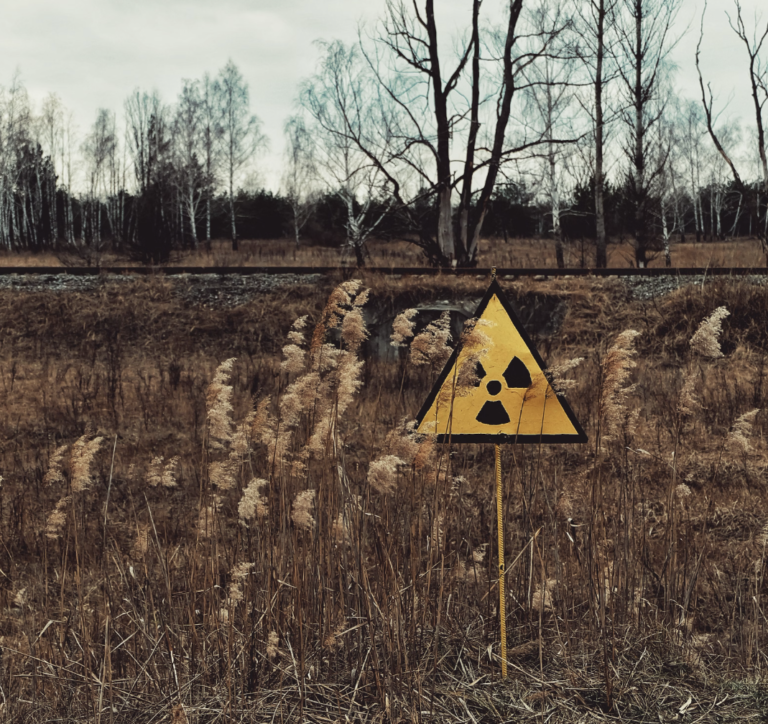
Russia experienced the worst possible effects from nuclear energy: the Chernobyl disaster (1986) which caused serious radiation sickness and contamination. Between 50 and 185 million curies of radionuclides escaped into the atmosphere. Millions of acres of forest and farmland were contaminated, livestock was born deformed, and humans suffered long-term negative health effects.
Serious nuclear power plant accidents also include the Fukushima nuclear disaster in Japan (2011), the Three Mile Island accident in the US (1979), and the SL-1 accident in the US (1961).
According to Greenpeace, nuclear energy has no place in a safe, clean, sustainable future: “Nuclear energy is both expensive and dangerous, and just because nuclear pollution is invisible doesn’t mean it’s clean. Renewable energy is better for the environment, the economy, and doesn’t come with the risk of a nuclear meltdown.”
Greenpeace held die-ins in Turkey in 2015 to oppose nuclear energy, with the effects only prolonging the development, not stopping it.
Citizens in Uzbekistan do not enjoy freedom of speech so we can expect there to be no dissent against nuclear energy. Interesting to see how Syr Dayra River people will react.
The World Bank, Abu Dhabi’s Masdar, and the Government of Uzbekistan have signed a financial package to fund a 250-megawatt (MW) solar photovoltaic plant with a 63-MW battery energy storage system for commercial scale battery storage. The project aims to expand clean and reliable electricity access to approximately 75,000 households.
The project marks Central Asia’s first renewable energy initiative with an integrated BESS battery component. Introducing the innovative BESS component will improve the efficiency and flexibility of the power system, providing greater security of supply and helping to mitigate the intermittency of renewable generation.
The financing package includes up to $53 million loan from IFC and loans for up to $106 million from the Asian Development Bank (ADB), Dutch Entrepreneurial Development Bank (FMO) and Japan International Cooperation Agency (JICA). The financing will support the construction and operation of the new plant. IFC will also provide interest rate swaps for the entire debt amount, allowing the project to effectively manage interest rate risks.
The World Bank is providing a guarantee of up to $12 million to support the government’s payment obligations under the project. The investment package also includes blended finance support in the form of concessional senior loans of $20 million each from the Canada-IFC Blended Climate Finance Program and ADB-managed Leading Asia’s Private Sector Infrastructure Fund (LEAP).
Watergen, an Israeli company generates water from air in Bukhara
The solar power plant, which will be constructed in the Alat district of the Bukhara region, is projected to cut over 327,000 metric tons of CO2 emissions annually by generating more than 585 gigawatt hours of renewable energy per year.
To address the increasing demand for energy in Uzbekistan’s economy and among its citizens, the government aims to scale up renewable energy generation by up to 25 GW, or 40 percent of the country’s overall electricity consumption, by 2030. These efforts support the country’s clean energy transition and decarbonization, as well as its economic growth. In this context, the World Bank Group is helping Uzbekistan develop 2,000 MW of solar and 500 MW of wind energy by attracting private sector investments.
The solar power plant project will be implemented through a project company Nur Bukhara Solar PV LLC FE owned by Masdar, which is responsible for developing, financing, building, owning, operating, and maintaining the solar plant and BESS.
The project company is committed to selling electricity to the state-owned National Electric Grid of Uzbekistan JSC under a 25-year Power Purchase Agreement for the project, including a 10-year operating term for the BESS component, signed by these two entities.
With the new project to be implemented in Bukhara region, the renewable energy generation capacity supported by the World Bank Group’s operations will increase to about 1.3 gigawatts.
About the Canada-IFC Blended Climate Finance Program
The Canada-IFC Blended Climate Finance Program aims to mobilize private capital for global climate action and reflects Canada’s commitment under the 2015 Paris Agreement to support developing countries in their transition to sustainable and resilient low-carbon economies. In 2021, Canada doubled its international climate finance commitment to $5.3 billion over the next five years.
About Masdar
Established in 2006, Masdar based in the United Arab Emirates has developed and partnered in projects in over 40 countries, helping them to achieve their clean energy objectives and advance sustainable development. Masdar is jointly owned by Abu Dhabi National Oil Company (ADNOC), Mubadala Investment Company (Mubadala), and Abu Dhabi National Energy Company (TAQA), and under this ownership, the company is targeting a renewable energy portfolio capacity of at least 100 gigawatts (GW) by 2030. The company built a model zero-energy city called Masdar City which was a failed experiment.
About Bukhara
Bukhara was an important region for Diaspora Jews. Following the Soviet capture of Bukhara and the creation of the Soviet Social Republics of Uzbekistan and Tajikistan, synagogues were destroyed or closed down, and were replaced by Soviet institutions. Consequently many Bukharan Jews fled to the West. Many live in Israel today.
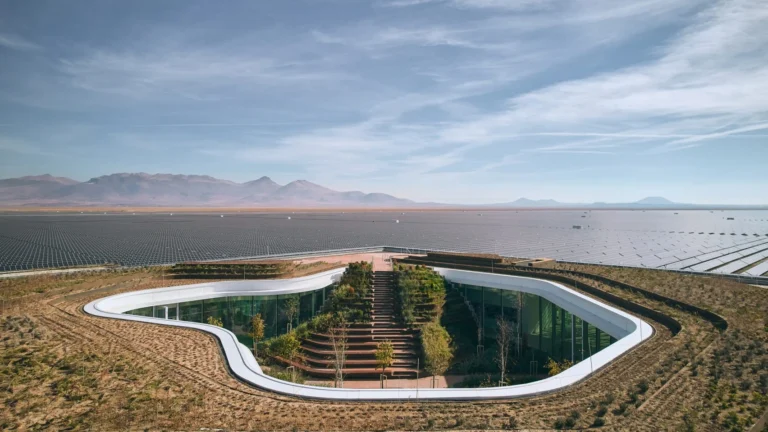
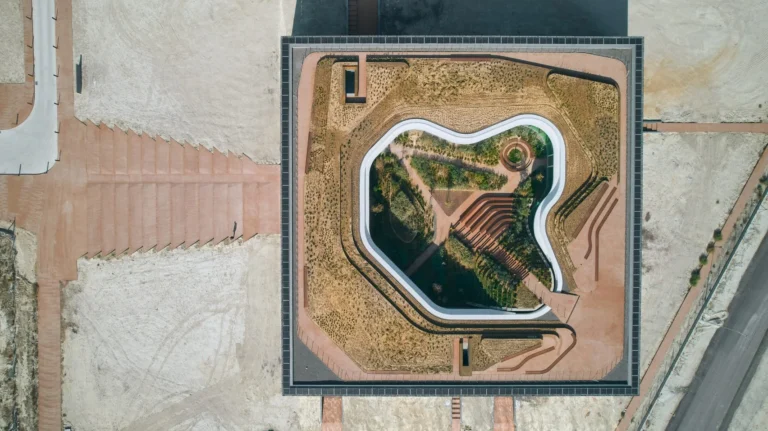
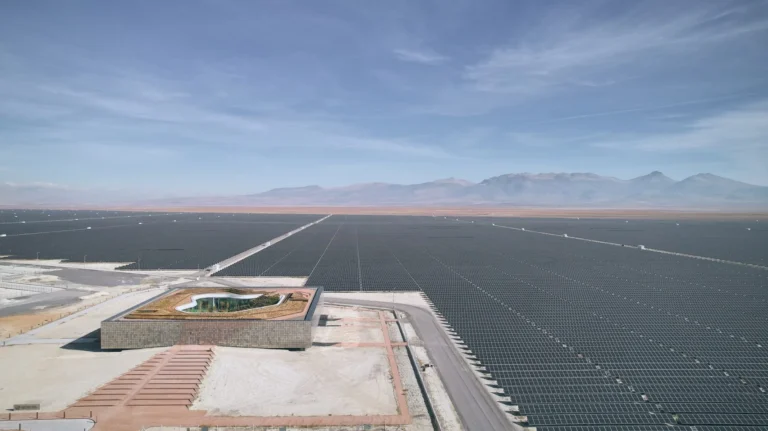
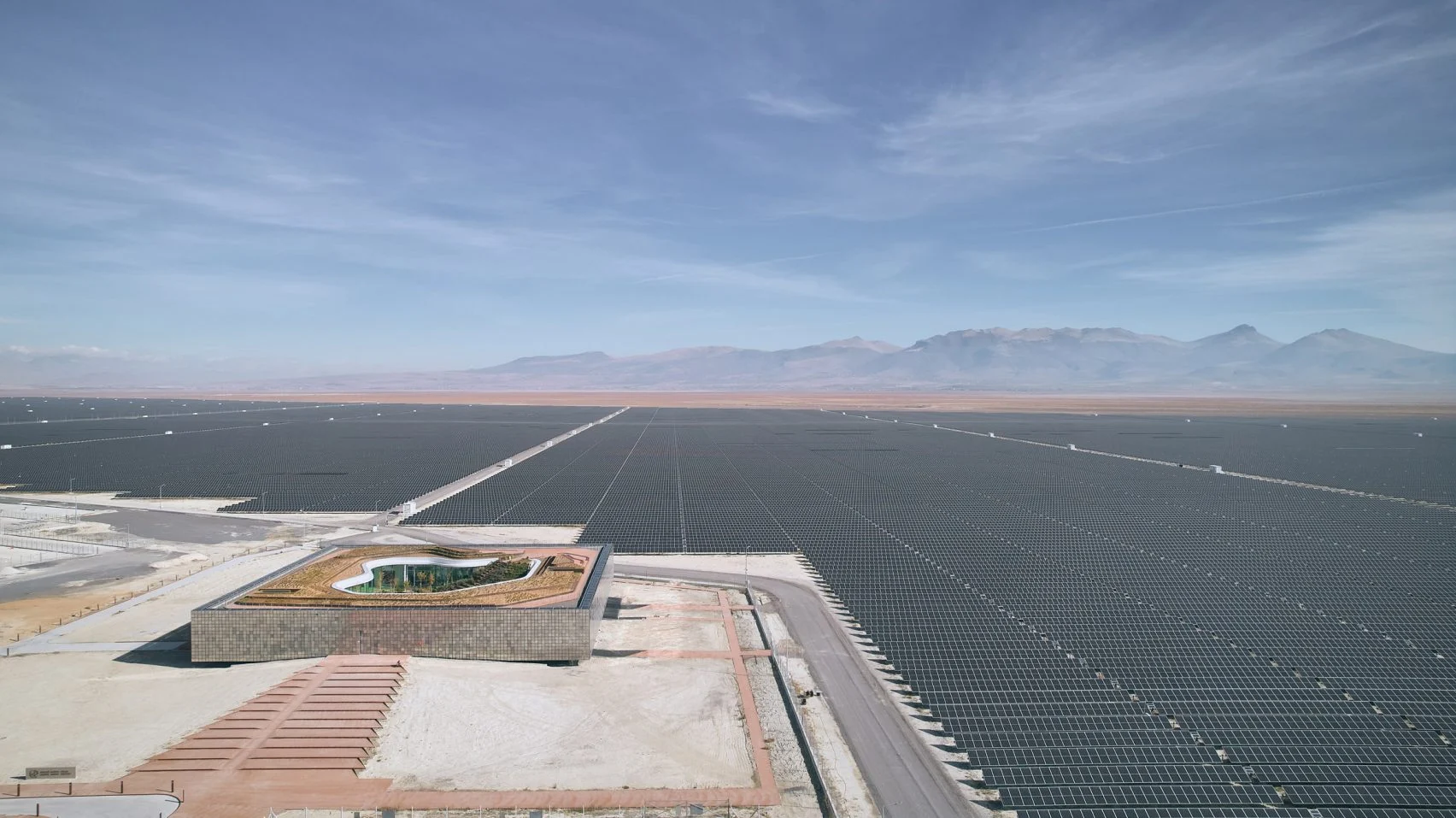
A new solar energy park in Turkey. Named Central Control Building, it is designed by Bilgin Architects to act as a centralised location from which to monitor and control the expansive field of 3.2 million solar panels.
It’s easy to put your mouth on your money before you start your career, yet Turkey has captured the sentiment of youth in a new study that find Turkish youth will pay 10% more on renewable energy.
The study involved participants with an average age of 24, comprising 45% male and 55% female. Most participants (74 %) were associate degree and undergraduate students, followed by graduate students (15 %) and doctoral students (11 %).
The study published in Energy for Sustainable Development found a positive result – that youth are willing to pay more for renewable energy, and this will influence future decisions about budgeting and developing renewable energy,
The study led by student Furkan Acikgoz was supervised by Prof. Ozlem Yorulmaz of Turkey.
Turkey protestors against nuclear energy.
The researchers write: “Public acceptance of renewable energy will accelerate the transition from energy sources that cause high emissions to environmentally friendly energy sources to combat climate change. For this reason, it is crucial to investigate the adoption intentions of different target audiences.”
They targeted Turkish university students, who are the future decision-makers.
As an emerging economy, Turkey has a chronic current account deficit issue, and energy imports are the primary cause of this imbalance, the researchers point out. For many years, the country’s potential in renewables, especially in solar, hydro, and geothermal energy, remained untapped, leading to extensive debates.
Fossil fuels, including oil, natural gas, and coal made up 81.3 percent of the primary energy supply of Turkey in 2022. The rest is supplied by 31.6 GW of hydroelectric, 25.75 GW of natural gas, 21.3 GW of coal, 11.45 GW of wind, 9.93 GW of solar, 1.7 GW of geothermal, and approximately 2 GW of biomass power plant installed capacity.
The mosquitos inside a tennis-court-sized cage didn’t carry the malaria parasite and couldn’t get at the people sleeping in surrounding pods, but could smell them.
Mosquitos know no borders. They can bite you in Canada and Cambodia. In some countries they are a nuisance but in Ethiopia they can be deadly – carrying malaria or zika. And not all people are bit in the same way. An ambitious field trial in Zambia investigated why mosquitoes seem to find some people more appetizing than others. This study may open the way so that new repellant can be made to mask the smell that mosquitos love, protecting children and everyone from annoying and deadly bites.
In the study, researchers invited volunteers into individual sleeping pods that were connected to a giant mosquito enclosure housing the mosquito Anopheles gambiae, which transmit deadly malaria.
Infrared cameras tracked the mozzies’ movements and found they were most attracted to people whose scents were “enriched for a class of molecules called airborne carboxylic acids, and also other compounds that are produced by the bacteria that live on our skin”, says biologist and study co-author Conor McMeniman.
The lead author is Diego Giraldo from Johns Hopkins University, Baltimore.
Miriam Kresh from Green Prophet knows how to make natural bug bite relief
The findings could be used to develop more-effective repellents, he says, “but also potentially turn the mosquito’s sense of smell against them, by engineering synthetic blends to lure mosquitoes into traps for mass control purposes.”
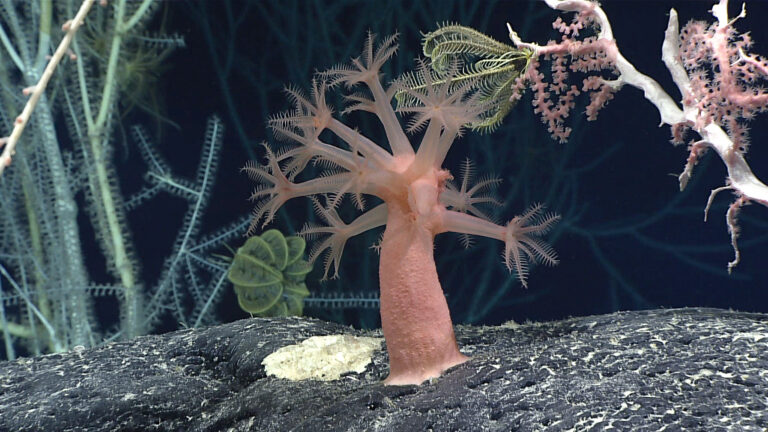
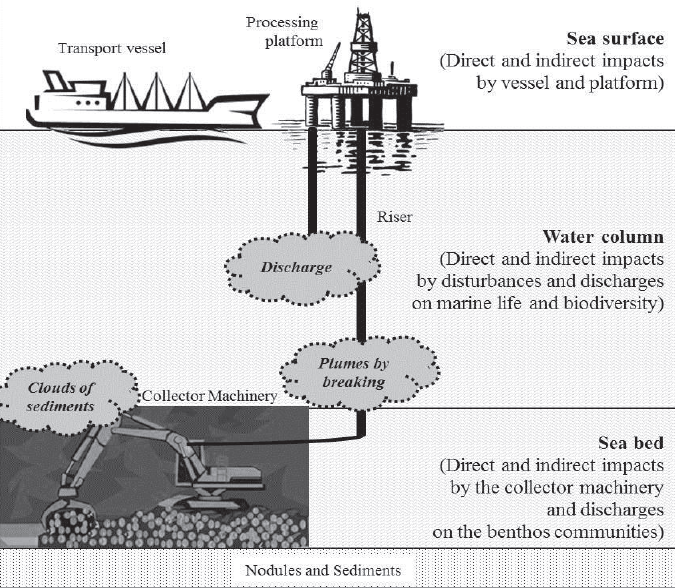
Soft creatures from the deep would be impacted by deep sea mining. Norway will accelerate the hunt for precious metals which are in high demand for green technologies.
Deep sea mining is catastrophic for sea creatures, plants and their surrounding ecosystems. Knowing this Norway has still decided to go ahead with the commercial practice. Swiss-based WWF has decided to sue the Government of Norway through its Norway-based NGO WWF-Norway.
“We believe the government is violating Norwegian law by now opening up for a new and potentially destructive industry without adequately assessing the consequences. It will set a dangerous precedent if we allow the government to ignore its own rules, override all environmental advice, and manage our common natural resources blindly,” says WWF-Norway CEO Karoline Andaur.
The government was given a two-week deadline to respond to the notice of the lawsuit when it was first launched in April, but failed to reply. “We hoped the notice of a lawsuit would prompt the government to reconsider and withdraw its controversial decision. Unfortunately, WWF-Norway sees no other options but to proceed with legal action,” says Andaur.
No legal basis for opening decision
WWF-Norway believes that the strategic impact assessment by the Ministry of Energy, which underpins the government’s decision, fails to meet the minimum requirements of the Subsea Minerals Act 2-2. Consequently, there is no legal basis for the decision to open these areas for mining activity. This concern was also highlighted by the government expert body, the Norwegian Environment Agency, in its public consultation response.
Significant international opposition
Norway is among the first countries to open areas for seabed mining, despite warnings from national and international experts, as well as significant criticism from the EU and global research communities. A Canadian company is also trying to kickstart deep sea mining.
“While other countries opt for a moratorium to gather sufficient knowledge about the deep sea environments to assess the consequences of mining and ensure the effective protection of the marine environment, the Norwegian Offshore Directorate has already invited industry proposals for extraction licenses. This approach is both arrogant and cynical, damaging Norway’s reputation as a responsible ocean steward,” says Andaur.
Green Prophet’s editor, biologist and environmental activist Karin Kloosterman says that “Norway of all people should have reverence for the life-sustaining seas around us. Deep sea mining for the extraction of minerals such as lithium for electric cars and batteries ruins the environment, instead of helping it.”
Norway’s modern manufacturing and welfare system rely on a financial reserve produced by exploitation of natural resources, particularly North Sea oil.
In January 2024, Norway approved commercial deep-sea mining following a study commissioned by the government concluding it would have minimal impact, reported Reuters. “We believe that a thorough process has been carried out with broad involvement, and that the applicable requirements have been followed.
The World Wide Fund for Nature (WWF) is a Swiss-based international non-governmental organization founded in 1961 that works in the field of wilderness preservation and the reduction of human impact on the environment. It is currently based in Gland, in the canton of Vaud.
The founders were a diverse group of passionate environmentalists, including Sir Julian Huxley, Max Nicholson, Peter Scott, and Prince Bernhard of Lippe-Biesterfeld. They aimed to address the growing threats to wildlife and the environment, emphasizing the need for global conservation efforts.
WWF’s establishment in Switzerland is historically significant. Switzerland’s reputation for neutrality and stability provided an ideal base for an international organization.
Kon-Tiki expedition The Kon-Tiki expedition was a 1947 journey by raft across the Pacific Ocean from South America to the Polynesian islands, led by Norwegian explorer and writer Thor Heyerdahl. The raft was named Kon-Tiki after the Inca god Viracocha, for whom “Kon-Tiki” was said to be an old name.
Norway’s connection to WWF is also noteworthy. Norwegian environmentalist Thor Heyerdahl, known for his Kon-Tiki expedition, was among the early supporters of WWF. Norway has been active in WWF’s efforts, particularly in marine conservation and sustainable development, which is ironic given its current move to mine the sea.
ESG environment social governance is an investment business concept.
With growing environmental concerns and heightened awareness among consumers, businesses that prioritise sustainability gain a competitive edge. They stand to gain not just environmentally but economically as well. Embracing sustainable practices can lead to cost savings, improved brand loyalty and happier customers. However, it is important to note that being sustainable is only beneficial if your customers can see and appreciate your efforts. Here are some practical ways to boost your business’s sustainability and ensure your customers notice.
Publish A Sustainability Report
One of the most effective ways to demonstrate your commitment to sustainability is by publishing a sustainability report or statement. This document allows you to outline your environmental goals, achievements and ongoing efforts. It can cover a range of topics, from reducing carbon emissions to promoting fair trade and conserving resources.
A great way to get this message across is by promoting it on social media. Extract key points and statistics to share on social platforms such as LinkedIn and Instagram. By consistently communicating your sustainability efforts, you reinforce your brand’s commitment to the environment. You will be keeping the topic at the forefront of your customers’ minds.
Install Solar Panels
Estee Lauder in Canada sets up solar power on the roof of the manufacturing facility. Businesses can do this as well as individuals.
Installing solar panels is a highly visible and impactful way to showcase your dedication to renewable energy. Solar panels are becoming increasingly popular due to their efficiency and the long-term savings they offer on energy costs. Companies like AR Power provide a range of options, including ground mounted panels and solar carports. These make it easier for businesses of all sizes to adopt solar energy.
Not only do solar panels reduce your carbon footprint, but they also serve as a powerful visual statement. Promote your solar installations through photos and videos on your website and social media platforms. You can even host events or offer tours to show customers and stakeholders your green energy initiatives in action.
Use Recycled Packaging
Green newspaper in Japan filled with seeds that grow flowers when composted
For instance, using eco-friendly food wrapping paper offers a sustainable choice for packaging, helping to reduce environmental impact while maintaining product freshness. Searching for terms like “food wrapping paper Australia” or “eco-friendly packaging near me” should already provide a list of manufacturers that you can check out.
Packaging is often the first physical interaction a customer has with your product. This is a prime opportunity to communicate your environmental values. Switching to recycled packaging materials is a straightforward way to make a significant impact. Ensure that your packaging is not only made from recycled materials but is also recyclable, compostable or biodegradable.
Include clear information on your packaging about its sustainable attributes and how customers can recycle it. This transparency not only helps the environment but also builds trust with your customers. Highlighting these details in your marketing materials and product descriptions can further enhance your eco-friendly image.
Provide Electric Company Vehicles
A Tesla Cybertruck is the easiest way to save money on gas and you can power it up with solar energy from your home
Transportation is a major contributor to corporate carbon emissions. If your business uses company vehicles, consider transitioning to electric cars. EVs produce zero emissions and can significantly reduce your company’s environmental impact. Moreover, they act as mobile billboards for your sustainability efforts, especially if they carry your company branding.
The visibility of electric vehicles in your fleet sends a strong message to the public and your clients about your commitment to reducing emissions. Promote your EVs through social media posts, blog articles and press releases. You can also encourage employees to share their experiences driving electric vehicles to add a personal touch to your sustainability narrative.
In Conclusion
Improving your business’s reputation for sustainability requires both action and communication. While implementing eco-friendly practices is important, it is equally important to ensure your customers are aware of these efforts. Avoid the pitfall of greenwashing—making false or exaggerated claims about your sustainability. Instead, be transparent, honest and consistent in your communications.
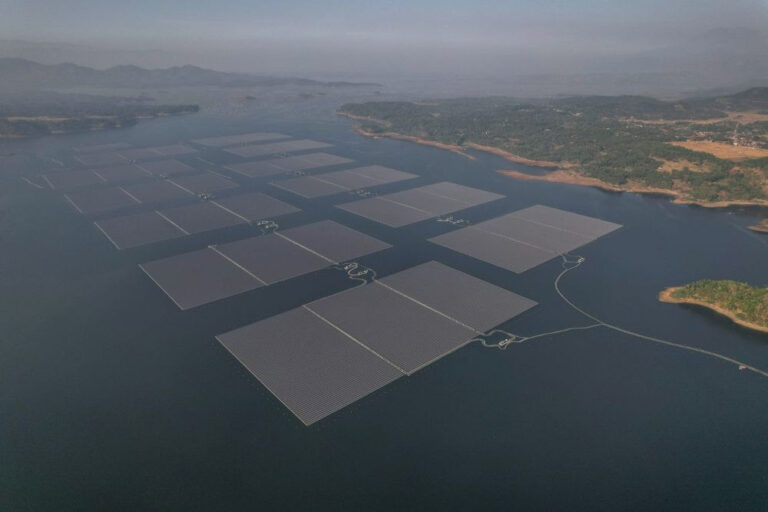
A floating solar panel plant in Indonesia. Renewable energy companies are vulnerable to cyber attacks.
In the age of climate awareness, more businesses are taking positive action, with a recent Xerox report finding that the number of American companies with formal green programs has risen to 54%. In Canada, 68.4% of Canadian businesses or organizations across the economy have at least one green practice. Interestingly, small and medium-sized businesses are at the forefront of this. In line with this, a recent survey on QuickBooks outlined how 72% of all small business respondents consider sustainability necessary. On top of this, 3 out of 5 are already taking active steps to reduce their environmental impact. Since SMEs make up 90% of all businesses worldwide, the wave of green business is growing.
One way that more businesses are going green is by embracing online solutions that eliminate the need for physical practices that consume natural resources. This includes utilizing digital workspaces, opting for digital documentation, and optimizing cashless transactions. That said, going web-based requires that businesses adopt cybersecurity plans. Cybersecurity plans to implement various protocols and tools that thwart malicious online parties are a must-have in today’s digital environment. Among the most prevalent cybersecurity tools today are virtual private networks or VPNs.
Understanding the role of VPNs in cybersecurity
Cyberattackers are focusing on small businesses as more operations have gone digital. An Identity Theft Resource Center (ITRC) report revealed that small businesses are in the crosshairs of cybercrime. As of 2023, cyberattacks on small businesses broke record-high numbers, with up to 73% reporting a data breach. Following such incidents, respondents shared that they experienced financial hits, higher employee turnover rates, and loss of customers. For green businesses, experts, such as those from the ERM Sustainability Institute, note that such an attack can severely hurt and even negate ongoing green efforts. For example, a hacker can infiltrate online procedures, such as shipping or manufacturing communications, forcing a business to turn to other suppliers who may not follow the same green values. In some cases, the financial impact of such a hack is so significant that businesses cannot keep shouldering the higher upfront costs that their green initiatives require, like solar panels or green shipping.
Unfortunately, human error is a leading cause of vulnerability many hackers exploit in small businesses. A study by Stanford University says that up to 88% of all hacks are due to innocent employee mistakes. This is why more businesses are learning that apart from more offensive inclusions in their cybersecurity plans, they also need more passive employee-based answers. A secure VPN addresses this issue, as upon installation, it automatically encrypts all the data a user sends and creates an encrypted tunnel through which all data can travel. In a private VPN, the provider can offer critical features such as a kill switch, a dark web monitor, a meshnet, and threat protection. These help ensure your outgoing data is protected, sneaky threats are blocked, and you can be alerted should any of your data end up on malicious sites. These run independently with little to no human intervention, making them convenient for all employees to use. For a green business, a VPN represents a relatively small investment in protecting its core values and processes.
How to choose a green-focused VPN provider
For starters, it’s essential to understand that web-based solutions still have an environmental impact. Studies show that using free social media for just five minutes daily can produce emissions equivalent to 20 kilograms of carbon annually. That said, considering the average person spends almost an hour on social media daily, we can assume these emissions are higher. This number can be even more significant among businesses needing to stay active on social media throughout the day. With this reality in mind, choosing a green-minded VPN is less about finding a faultless provider and more about finding one actively working to improve its eco-friendly efforts.
One telling aspect to look at is a VPN’s programs in terms of carbon emissions. In trusted providers, this is done via partnerships with organizations that can help offset emissions. Typically, these offsets are completed via mindful investments into green projects, such as large-scale reforestation efforts. Carbon emissions can also be offset among larger providers by making direct investments in eco-initiatives. These investments often go into renewable energy sources, like wind farms, which can also power the VPN provider’s network.
Another factor to consider when choosing a VPN is how it optimizes its servers. Remember, servers are the heart of any online-based service, requiring significant energy to run and maintain. Among VPN providers, one way of keeping this in check is by leveraging server locations so that they’re closer to renewable energy suppliers. Aside from this, some providers use servers that require less energy to begin with. Also called green computing, this concept embraces low-power hardware that doesn’t demand as much for upkeep.
In closing, VPNs are an affordable cybersecurity solution that can safeguard your green business from threats that can exploit and destroy it. Since many VPN providers also prioritize green efforts, you can rest assured that your data, practices, and values are intact.
Imagine waking up every morning with a familiar ache in your joints, the kind that makes getting out of bed an accomplishment in itself. For many people with chronic illnesses like arthritis and diabetes, this is a daily reality. The search for comfort, companionship, and even a sense of purpose becomes paramount. This is where our feline friends come in, offering more than just purrs and headbutts.
The Healing Power of Purrs
Cats have long been cherished for their independent yet affectionate nature. They weave themselves into our lives with a grace that seems almost magical. But beyond their enchanting presence, there’s a tangible benefit to having a cat around when managing chronic illnesses.
Reducing Stress and Anxiety
One of the primary ways cats help manage chronic conditions is by reducing stress and anxiety. Their calm demeanor and rhythmic purring can have a soothing effect on our nervous system. Scientific studies have shown that the frequency of a cat’s purr, which ranges between 20-140 Hz, can promote healing and reduce stress. For someone with arthritis, where stress can exacerbate symptoms, this can be incredibly beneficial.
Lowering Blood Pressure
Interacting with a cat can also lead to lower blood pressure. The simple act of petting a cat releases oxytocin, a hormone associated with love and bonding. This helps to reduce cortisol, the stress hormone, and lower blood pressure. For diabetics, managing stress levels is crucial, as stress can affect blood sugar levels.
Encouraging Physical Activity
While cats are known for their love of lounging, they also encourage physical activity in their owners. Playing with a cat, even in short bursts, can be a gentle way to keep moving without overexertion. This is particularly helpful for arthritis sufferers who need to maintain joint flexibility without causing further pain.
Companionship and Routine
Chronic illnesses often come with a sense of isolation and loneliness. Cats, with their independent yet loving nature, provide consistent companionship. Their need for routine – regular feeding times, play sessions, and grooming – helps establish a daily rhythm for their owners. This routine can be grounding and provide a sense of purpose, especially on days when the weight of illness feels overwhelming.
Specific Benefits for Arthritis Sufferers
Cats help arthritis
Arthritis, a condition characterized by inflammation and pain in the joints, can make daily tasks feel insurmountable. The presence of a cat can ease some of these challenges in unique ways.
Warmth and Comfort
Cats are natural heat sources. They love to curl up in warm spots, and their body heat can provide comfort to aching joints. This natural warmth can act like a heating pad, easing stiffness and pain. Imagine a cozy evening with a purring cat nestled on your lap, their warmth seeping into your joints, bringing a gentle relief from the day’s discomfort.
Encouraging Movement
As mentioned earlier, gentle play with a cat can encourage movement. Even simple activities like dangling a toy for your cat or encouraging them to chase a laser pointer can get you moving. This kind of light exercise is crucial for maintaining joint health and flexibility without the risk of overdoing it.
Specific Benefits for Diabetics
Managing diabetes involves careful attention to diet, exercise, and stress levels. Cats can assist in this multifaceted approach to health management.
Emotional Support
The emotional support provided by cats can’t be overstated. The presence of a loving pet can alleviate feelings of depression and anxiety, common in individuals managing chronic illnesses. This emotional stability is crucial for maintaining consistent routines and sticking to dietary and exercise plans.
Encouraging Routine
Cats thrive on routine, and their need for regular feeding times can help diabetics maintain a consistent schedule for their own meals and medication. This regularity is vital in managing blood sugar levels effectively. A cat’s insistence on being fed at the same time every day can serve as a gentle reminder for owners to take care of their own nutritional needs.
Promoting a Healthy Lifestyle
Cats, by their very nature, encourage a lifestyle that can be beneficial for diabetics. The need for daily care, grooming, and interaction promotes a sense of responsibility and routine. Additionally, the calming presence of a cat can help mitigate the effects of stress on blood sugar levels.
Choosing the Right Cat
When considering a cat to help manage a chronic illness, it’s important to choose a breed that matches your lifestyle and needs. Some cat breeds are known for their particularly affectionate and calm nature, which can be especially beneficial.
Cat Breeds
Ragdolls: Known for their docile and affectionate nature, Ragdolls are excellent companions for those seeking a calm and loving pet. Their gentle demeanor and tendency to go limp when held can be incredibly soothing.
Maine Coons: These gentle giants are known for their friendly and sociable nature. They are good with children and other pets, making them great for a household seeking an interactive and affectionate cat.
British Shorthairs: With their easygoing nature, British Shorthairs are ideal for those who prefer a low-maintenance yet affectionate pet. They are known for being loyal and calm, making them perfect companions.
Sphynx: Despite their unusual appearance, Sphynx cats are known for their warmth and affectionate nature. They crave human attention and can provide significant emotional support.
Scottish Folds: Known for their unique folded ears and sweet disposition, Scottish Folds are loving and adaptable. They can be particularly comforting to have around due to their friendly nature.
Conclusion
The bond between humans and cats is a testament to the healing power of companionship. For those managing chronic illnesses like arthritis and diabetes, the presence of a cat can offer comfort, reduce stress, and promote a healthier lifestyle. The rhythmic purrs, the gentle nudges, and the consistent routine a cat brings can make a world of difference in the daily management of these conditions. So, if you’re considering a feline friend, remember that they offer more than just companionship – they bring a sense of calm, warmth, and a daily reminder that you are not alone in your journey.
Acute myeloid leukemia (AML) is a rare cancer that affects one’s bone marrow and blood. It’s an aggressive cancer that, left untreated, may be life-threatening. AML typically affects people age 60 and older, but it can affect younger adults and children, according to Yale Medicine.
Here is her announcement on Youtube:
We do not wish ill health on anyone, but let’s take a look at the Assad’s family history.
Bashar al-Assad is labeled as a dictator due to his autocratic style of governance and the repressive measures his regime has employed to maintain power in Syria. Here are some key reasons why he is regarded as such:
Consolidation of Power:
Bashar al-Assad inherited the presidency from his father, Hafez al-Assad, who ruled Syria for three decades with an iron fist. Bashar’s ascension to power in 2000 was facilitated through constitutional changes, ensuring his unchallenged leadership. We visited Syria in 2018 and people were terrified about saying anything against Hafez al-Assad’s grip of power. His poster was plastered everywhere, even in small villages as an ever-watching eye.
The Assad regime has systematically dismantled political opposition, rendering Syria effectively a one-party state dominated by the Ba’ath Party. Elections are widely viewed as neither free nor fair.
Suppression of Dissent:
The Syrian government has a long history of suppressing political dissent through surveillance, arbitrary arrests, torture, and extrajudicial killings. The security apparatus under Assad has targeted activists, journalists, and perceived opponents ruthlessly.
The crackdown on the 2011 Arab Spring protests in Syria was particularly brutal. Peaceful demonstrations calling for democratic reforms were met with lethal force, leading to widespread violence and the eventual descent into civil war.
Civil War and Human Rights Violations:
Assad’s response to the uprising and subsequent civil war has involved significant human rights abuses. His regime has been accused of committing war crimes, including the use of chemical weapons against civilians, indiscriminate bombings, and sieges of rebel-held areas, resulting in massive civilian casualties.
Reports by various human rights organizations and international bodies have documented widespread torture, mass detentions, and the targeting of medical facilities and aid workers.
There is no freedom of press in Syria. Reporters Without Borders ranked Syria 179th out of 180 countries in the world on its 2024 Press Freedom Index.
Control Over State Institutions:
The Assad regime maintains tight control over the military, judiciary, and media. State institutions function to serve the interests of the ruling elite, with little regard for democratic norms or the rule of law.
Independent media is virtually non-existent in Syria, and the regime controls the flow of information through censorship and propaganda.
Cult of Personality:
Similar to other dictatorial regimes, the Assad regime has cultivated a cult of personality around Bashar al-Assad. His image and propaganda portray him as the protector of the nation against foreign conspiracies and terrorism, reinforcing his grip on power.
The 50th edition of Freedom in the World, the annual report published by Freedom House since 1973, designates Syria as “Worst of the Worst” among the “Not Free” countries.
Bashar al-Assad – who after more than a decade in hiding now travels freely to China and the United Arab Emirates is known as a dictator due to his authoritarian rule, suppression of political opposition, human rights abuses, and the centralization of power within his regime, all of which contribute to a lack of democratic governance in Syria.
A facade of shimmering steel panels envelops this control centre that Istanbul studio Bilgin Architects has created in the plains of Karapinar, Turkey.
The Turkish government has signed a USD 1 billion (EUR 919 million) agreement with the World Bank to initiate a program promoting the expansion of renewable energy in the country.
Announced on Thursday, the initiative aims to increase Turkey’s installed renewable energy capacity, support sustainable development, and combat climate change. It will focus on creating a domestic market for distributed solar energy and launching a pilot project for battery energy storage.
The program will be executed by the Development and Investment Bank of Turkey (TKYB) and the Industrial Development Bank of Turkey (TSKB). Funding will be provided through loans from the World Bank’s International Bank for Reconstruction and Development (IBRD) and the Clean Technology Fund, with additional grant funding available under the Energy Sector Management Assistance Programme.
In late 2022, Turkey set a goal to raise its total power capacity to approximately 190 GW by 2035, with wind and solar making up nearly 75% of the new additions. The solar capacity target is 52.9 GW, and installed battery storage is aimed to reach 7.5 GW.
Turkey has a dynamic history with renewable energy, driven by its diverse geography and growing energy needs. The country’s efforts to harness renewable resources began in earnest in the early 2000s, with a significant focus on hydroelectric power due to Turkey’s ample rivers and mountainous terrain. Hydropower remains a cornerstone of Turkey’s renewable energy portfolio, accounting for a substantial portion of its energy mix.
A new solar energy park in Turkey
In recent years, Turkey has expanded its renewable energy strategy to include wind and solar power. The government introduced policies and incentives to attract investment in these sectors, resulting in rapid growth. For instance, Turkey’s wind energy capacity has seen a significant increase, with installations concentrated in regions with high wind potential like the Aegean and Marmara. Similarly, solar energy has gained momentum, especially in the sunny southern and central parts of the country. As of the late 2010s, Turkey’s renewable energy sector began to see substantial private sector participation, supported by favorable feed-in tariffs and regulatory frameworks.
However, Turkey’s energy strategy also includes mixed opinions on nuclear power. Proponents argue that nuclear energy is essential for reducing dependence on imported fossil fuels and ensuring a stable, reliable energy supply. The Akkuyu Nuclear Power Plant, Turkey’s first nuclear facility, is a centerpiece of this strategy. It is being constructed with significant Russian investment and expertise, and once operational, it is expected to provide a substantial portion of Turkey’s electricity needs. Advocates emphasize that nuclear energy is a low-carbon option that can help Turkey meet its climate goals.
On the other hand, opponents raise concerns about the environmental risks and long-term safety of nuclear energy. They argue that Turkey should prioritize its abundant renewable resources instead of investing in nuclear power, which poses potential risks such as radioactive waste and the possibility of nuclear accidents. Critics also point to geopolitical and economic issues, including dependence on foreign technology and fuel, which could undermine energy sovereignty.
The debate over nuclear energy in Turkey reflects broader global discussions about the role of nuclear power in a sustainable energy future. While renewable energy sources like wind, solar, and hydro are generally viewed as safer and more sustainable, nuclear energy’s potential to provide large-scale, low-carbon power makes it a contentious but critical part of Turkey’s energy landscape.
Turkey’s troubling history supporting terrorism
As Turkey continues to pursue its ambitious renewable energy targets, the interplay between expanding renewable capacity and incorporating nuclear energy will shape its path towards a sustainable and secure energy future. The government’s recent agreement with the World Bank underscores a commitment to enhancing renewable energy deployment, which, alongside the debate on nuclear energy, highlights the complexity and diversity of Turkey’s energy strategy.
Turkey’s involvement in supporting certain organizations labeled as terrorist groups by various countries and international bodies has been a contentious issue. Critics argue that Turkey has provided logistical, financial, and political support to groups like Hamas and factions within the Syrian opposition, which some classify as terrorist organizations.
This alleged support is seen as part of Turkey’s broader strategic aims in the Middle East, including countering Kurdish militant groups and expanding its influence in regional conflicts. The Turkish government, however, refutes these claims, asserting that its actions are aimed at ensuring national security and regional stability. The Turkish leader Erdogen recently stated that he is holding 1000 Hamas terrorists at Turkish hospitals. He is also sheltering Hamas leaders and leaders from the Hezbollah.
Turkey would like to be part of the European Union. Recent alliances with Russia, North Korea and China suggest that Turkey is heading more towards the despots than a free democracy in the west. The EU has not agreed to let Turkey become a part of the union. Turkey has tried through environment trials and policies. So far it’s failed.
While efforts to curb illegal deforestation in Brazil are bearing fruit – the South American giant slashed forest loss by 36% last year – alarming signs continue to emerge concerning one of our planet’s most important biomes. Recent analysis shows that in some parts of the Amazon rainforest, wildfires in February exceeded average levels by a factor of five, with Marcio Astrini, the executive secretary of Brazil’s Climate Observatory, even cautioning dramatically that “we are losing the Amazon rainforest.”
The fires, experts have warned, are being fuelled by deforestation and extreme drought exacerbated by the return of El Niño but ultimately resulting from climate change – an ecological plague which will only worsen should the Amazon be lost as a carbon sink. Earlier this year, scientists published a study warning that this vital rainforest is approaching a tipping point, notably concluding that nearly half of the ‘planet’s lungs’ could be threatened by mid-century in the absence of significant intervention to address the interconnected menaces of climate change, drought and deforestation.
The Amazon is too important to fail
Given its significant, irreplaceable contribution to our planet, the Amazon simply cannot be lost. Spanning nearly seven million square kilometres – roughly the surface area of Australia – the South American rainforest’s monumental size allows it to act as one of the world’s largest carbon sinks. According to University of Sao Paulo scientist and deforestation researcher Carlos Nobre, the Amazon stores over 150 billion metric tons of CO2– half of which is absorbed by its trees, which represent some 20% of vegetation-captured carbon globally.
Concerningly, deforestation and wildfires are releasing significant amounts of its stored carbon back into the atmosphere, with the Amazon now a net emitter of CO2. Beyond its climate warming impact, this release of carbon is triggering more intense droughts, creating a vicious cycle that threatens to degrade the Amazon into a Savanna-like grassland habitat if action is not taken—with devastating consequences for the environment, including rain cycle disruption spanning the wider region, widespread animal and plant biodiversity loss, and the inability to meet the Paris Agreement’s global warming and emissions reductions targets.
New conservation model for fight ahead
Under these circumstances, dramatic action will be needed to turn the tide. This gargantuan undertaking must notably involve a new breed of forest conservation projects that take into account the needs and economic realities of local communities, such as the Mejuruá Project, highlighted in a recent opinion article penned by Rubens Barbosa, former Brazilian ambassador to the U.S. and to the U.K.
Noting that conservation efforts incorporating this social, community-focused model remain in short supply, Barbosa has qualified Mejuruá as “one of the most innovative projects” yet announced in the Amazon and a “paradigm to be replicated” in endangered ecosystems around the world. Based in the Carauari, Juruá, and Jutaí municipalities in the heart of the State of Amazonas, Mejuruá is combining sustainable forest management, biodiversity protection and socioeconomic initiatives across a 903,000-hectare area of tropical rainforest; as Barbosa emphasized, the project is anchored in an overarching ambition to “support local communities, including indigenous people,” in generating sustainable value from their wealth of natural resources.
The project is built on the conception that the only perpetual sustainable formula to preserve forest is centred on local communities’ education (including indigenous people), employment and governance participation. Furthermore, according to this new paradigm/model, the project is required to build also the infrastructure (equipment, saw mill, bio-energy plant, port, roads, schools, digital connection, etc.) that allows to carry out all activities aimed to actively preserve the forest, support bio-diversity conservancy and ensure long-term social and economic development for local communities.
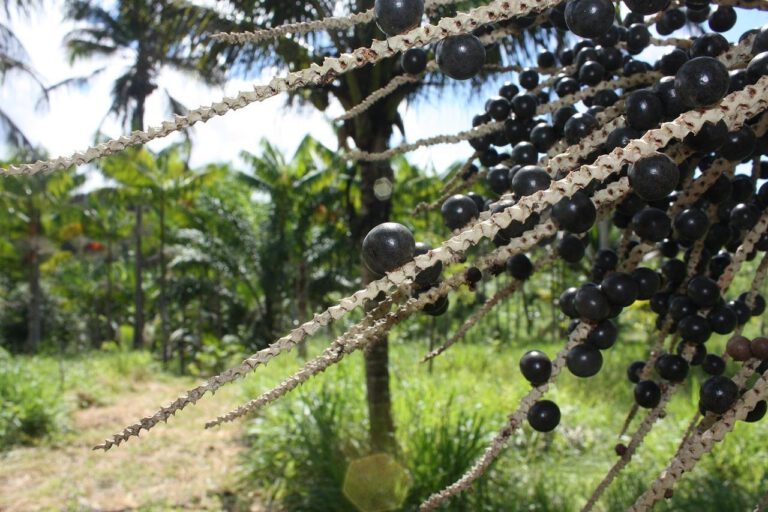
Drawing on its biodiversity-rich land and strong local partnerships, the Mejuruá Project will create green jobs for the surrounding communities – including in the production of biomass energy and açaí berries – while implementing what Barbosa describes as a “self-sustainable economic profile” that will simultaneously ensure residents’ long-term social empowerment and ecosystem conservation.
Holistic interventions leading way forward
Indeed, offering local communities such a sustainable economic lifeline is key. The Brazilian Amazon is one of the country’s most deprived regions, which has long left many residents with no viable alternatives to abandoning damaged farmland and clearing ever greater swaths of forest area, thus exacerbating soil degradation, hindering climate action and undermining livelihoods.
The careful, sustainable cultivation of crops like açai and cacao can lift countless families out of poverty while avoiding large-scale deforestation. Soaring international demand for açai in recent years has provided a significant economic boon for local Amazonian farmers; however, with intensive practices emerging as a new biodiversity threat, conservation funding – such as the Soros Economic Development Fund’s recent $15 million investment in the Amazon Biodiversity Fund (ABF) – should support small regional businesses producing within their ecosystem’s natural boundaries.
Complementing sustainable agriculture is the direct fight against illegal deforestation, with innovative interventions increasingly drawing on advanced monitoring technologies. The Brazilian Government is notably using satellite imagery provided by Planet, with the country’s Federal Police receiving daily detection alerts and precise geolocation to inform their targeted crackdown on illegal environmental activity. When paired with artificial intelligence (AI), satellite solutions allow authorities to access and analyse vast quantities of real-time forest data, with initiatives such as Project Guacamaya in the Colombian Amazon showcasing the revolutionary potential of tech-enhanced conservation efforts.
Reducing systemic drivers of environmental degradation in the Amazon, such as conflict, remains an equally crucial piece of the puzzle moving forward. Following years of accelerated deforestation driven by armed groups amid environmental conflicts and an ineffective military response from the Colombian Government, researchers from Del Rosario University have developed a novel approach to this crisis, offering local communities and governments new conflict resolution tools to bring lasting peace and curb deforestation in the region.
By combining this wide range of future-fit conservation initiatives with high-level political cooperation – exemplified by the new €1 billion Franco-Brazilian investment programme announced during President Macron’s state visit in March – international efforts to save the Amazon will hopefully rise to the occasion and preserve this critical biome for generations to come.
When should you switch from active treatment to palliative care? A new study gives answers.
If anyone who has ever had cancer or who has helped someone with the disease, any ray of hope pushes you forward to finding a new miracle treatment. But looking at numbers of late stage cancer treatments and outcomes, a group of researchers suggest most interventions do not help bring forward a positive outcome.
The study came out of Yale Cancer Center (YCC) and The University of Texas MD Anderson Cancer Center.
The study, which joins a growing body of research on end-of-life cancer treatment, published May 16 in JAMA Oncology.
The results were based on examination of health records for 78,446 adult patients from 280 United States cancer clinics between 2015 and 2019. The study focused on patients with metastatic and advanced tumors in six common cancers: breast, colorectal, non-small cell lung (NSCLC), pancreas, kidney, and urothelial.
“We wanted to find out if oncologic treatment of very advanced tumors is associated with improved survival or if there are times when it’s futile to continue care and instead oncologists should shift focus to palliative and supportive care,” said Maureen Canavan, PhD, associate research scientist, first author of the study, and a YCC member.
The researchers combed through patient health records to learn whether those with advanced disease who received systemic treatments — such as immunotherapies, targeted therapies, or hormonal therapies — benefitted by having better survival rates. They did not, the researchers found.
The findings revealed no statistically significant survival benefit for patients treated at practices that used more systemic therapy compared with those that used less. This finding was observed across all cancer types studied.
“Since we don’t see an improved survival benefit, oncologists should revisit their goals of care conversations with patients, and this information in the study should be explained to patients,” said Canavan, who is also an epidemiologist at the Yale Cancer Outcomes, Public Policy, and Effectiveness Research Center (COPPER). “We hope this information can help inform oncologists when they are deciding whether or not to continue treatment or transition patients who have metastatic disease to supportive care.”
The recent study builds on their previous 2022 work, also published in JAMA Oncology, that charted a gradual decline in chemotherapy use at end-of-life, but a corresponding uptick in use of the newer immunotherapy treatments. That study reported that the use of systemic treatment overall held steady at 17% in that time period (2015 to 2019).
The current study concluded, as have others, that oncologic treatment at end of life deserves re-evaluation. By identifying when additional therapy may be futile and improving communication skills around goals of care, oncologists may be able to better align treatment with patient preferences and improve end-of-life care.
In a landmark collaboration, Colossal Biosciences and Re:wild have joined forces to tackle the global extinction crisis head-on. The partnership was unveiled during a recent virtual discussion moderated by Lindsay Nikole, a zoologist and science communicator on Colossal’s Youth Advisory Board. The conversation, which featured Matt James, chief animal officer at Colossal Biosciences, and Barney Long, senior director of conservation strategies at Re:wild, shed light on how the two organizations seek to revolutionize species conservation by merging cutting-edge de-extinction technology with proven conservation strategies.
Colossal Biosciences, a biotechnology powerhouse based in Dallas, is at the vanguard of applying advanced genetic technologies to conservation. With a team stacked with Ph.D. researchers specializing in genetics, genomics, and cell biology, Colossal is pioneering innovative tools to resurrect extinct species and fortify the populations of those teetering on the brink of extinction.
During the discussion, James declared, “Our mission is to make extinction a relic of the past. By harnessing the power of cutting-edge science, we are developing solutions that can have a profound, tangible impact on species conservation. This partnership with Re:wild allows us to channel our expertise and resources into projects that can make the greatest difference.”
Re:wild, a globally respected conservation organization, brings decades of experience protecting and restoring the planet’s most vulnerable species and ecosystems. Long emphasized the urgency of the partnership in addressing the mounting challenges facing biodiversity.
“When we started talking to Colossal, the idea of using new technologies, bringing in new tools into our toolbox to help these species, looking at those conservation breeding programs and how we can speed them up through some of these technologies or restore lost genes into populations to kind of walk back inbreeding, et cetera, just opens up a huge amount of really exciting possibilities and new tools in our toolkit for saving and recovering endangered species,” said Long.
Colossal Biosciences and Re:wild’s 10-Year Plan
The Living Coral BioBank, a method for helping coral reefs rewild
The partnership’s ambitious 10-year plan, as discussed by James and Long, aims to prioritize projects that can deliver the most immediate and profound impact on species conservation. However, the success of these initiatives hinges not only on scientific breakthroughs, but also on the engagement and support of local communities.
“It really starts with the local stakeholders,” said James. “They must be on board, not just on board, but a part of the solution and they must benefit from the solution. So that’s really where projects like that advisory committee are coming in. It’s becoming a model for the way that we’re going to move forward with almost every program that we have.”
The alliance between Colossal Biosciences and Re:wild comes at a critical juncture in the global fight against biodiversity loss. According to the International Union for Conservation of Nature, over 44,000 species are currently threatened with extinction, representing 28% of all assessed species. This staggering figure underscores the urgent need for innovative solutions and collaborative efforts to stem the tide of species loss.
As the partnership takes shape, the conservation community is watching with keen interest. The prospect of reviving extinct species and bolstering the populations of those on the precipice of disappearance has ignited the imagination of conservationists worldwide.
The partnership’s impact is set to extend far beyond the confines of individual species. By pioneering new technologies and methodologies, Colossal Biosciences and Re:wild are laying the groundwork for a new era of conservation — one that is proactive, adaptive, and deeply rooted in the power of collaboration.
“One of the things that we’re really troubled with, which is a great problem to have, is that we have so many different potential projects that we could focus on so many ways that we could apply our technologies in a meaningful way to species in need,” said James. “But that becomes a prioritization challenge. And Re:wild is one of the leading organizations in the world when it comes to conservation planning and implementation.
“And so early on we identified Re:wild as someone that we should be aligned with, somebody that we could work closely with in order to provide guidance for how we can leverage technologies in the most meaningful way for nature. And so my first few conversations with Barney were really exciting. It’s sort of kid in the candy store stuff when we start talking about where could we go with these things, what are the dreams we both have for species?”
As the world grapples with the accelerating loss of biodiversity, the alliance between Colossal Biosciences and Re:wild offers hope. Their bold vision and unwavering commitment to species conservation serve as a clarion call for all those who refuse to accept extinction as an inevitability.
As the partnership embarks on its groundbreaking journey, the eyes of the world are upon them. With their combined expertise, passion, and determination, Colossal Biosciences and Re:wild are poised to reshape the landscape of conservation and offer a lifeline to countless species that were once thought lost forever. The future of biodiversity hangs in the balance, and this remarkable collaboration, as illuminated by the recent discussion moderated by Lindsay Nikole, may just be the key to tipping the scales in favor of life.
Said James, “Barney and I sat down with our teams and in really an amazingly short period of time, we’re able to hammer out a 10-year conservation plan for how we think Colossal and Re:wild should be behaving in the conservation space and what species we could impact. And so I think that was really a testament for what a strong partnership we have and how much alignment there is between our two organizations.”



















 A facade of shimmering steel panels envelops this control centre that Istanbul studio Bilgin Architects has created in the