“Water, water everywhere/Nor any drop to drink…”
Those immortal words in the poem “Rime of the Ancient Mariner,” by 18th century English romantic poet Samuel Taylor Coleridge only help the emphasize the reality of the water crises that countries in the Middle East and other arid regions are now facing. As annual rainfall amounts become scarcer and scarcer, due to severe climate changes attributed to global warming, the availability of fresh drinking water in the entire region is likely to decrease even more in the next few years.
Recently governmental authorities in the Hashemite Kingdom of Jordan expressed grave concern that the country’s known water reserves would not be adequate enough to supply the populations’ needs. In neighboring Israel, which agreed to supply the Kingdom with part of the Jordan River’s annual flow in the peace agreement between countries, the level of Lake Kinneret and its coastal and mountain aquifers have now reached what is being called the “black level” in which irreparable damage, including pollution and salt water contamination will result if they are not replenished by more adequate rainfall.
Without tapping into ground aquifers, Jordan’s main sources for fresh water have been annual rainfall and water from the Jodan and Yarmuk rivers, both of which have been reduced significantly in recent years.
Both Jordan and Israel, as well as many other countries in the region, are considering desalination of seawater as a viable solution to a water problem that as gone from chronic to acute. Jordan’s water problem is much more serious that Israel’s, and even as far back as the late 1990’s the daily water allotment per family was only 22 gallons per day, as compared to 65 gallons per household in Saudi Arabia and 78 gallons per household in Israel.
And that was when the regional water problem was less acute than it is now!


 Usually the advertising industry is not considered to be a very ecological industry. Think about the amount of useless junk mail you get to your mailbox each day wasting tons of paper which most of it won’t be recycled. Think of all the huge advertising billboard posters on highways. Now think Eco-design. And specifically urban design.
 Over the past few months companies are joining Twitter or consulting advisors about joining Twitter in droves. If you haven’t heard of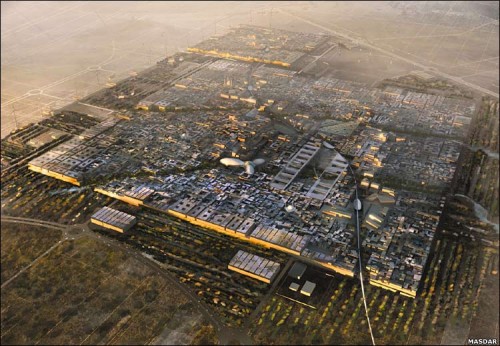


 When shopping for gifts for people that we care about, we usually want the gifts to convey a variety of things – affection, devotion, a desire to make the other person happy, and also a demonstration that we care about the other person’s wellbeing. Giving a gift that is more environmentally friendly is one way to demonstrate that you care about your loved one’s wellbeing because it shows devotion to their present and to their future.



 Consumption is, in general, not very green. It often involves the wasteful use of resources, fossil fuels for transportation, and non environmentally friendly materials. While a general reduction in consumption would be ideal, though, there will always be certain purchases that are necessary and there will always be people who are not willing to cut back. Which is where Tal Ater’s initiative –