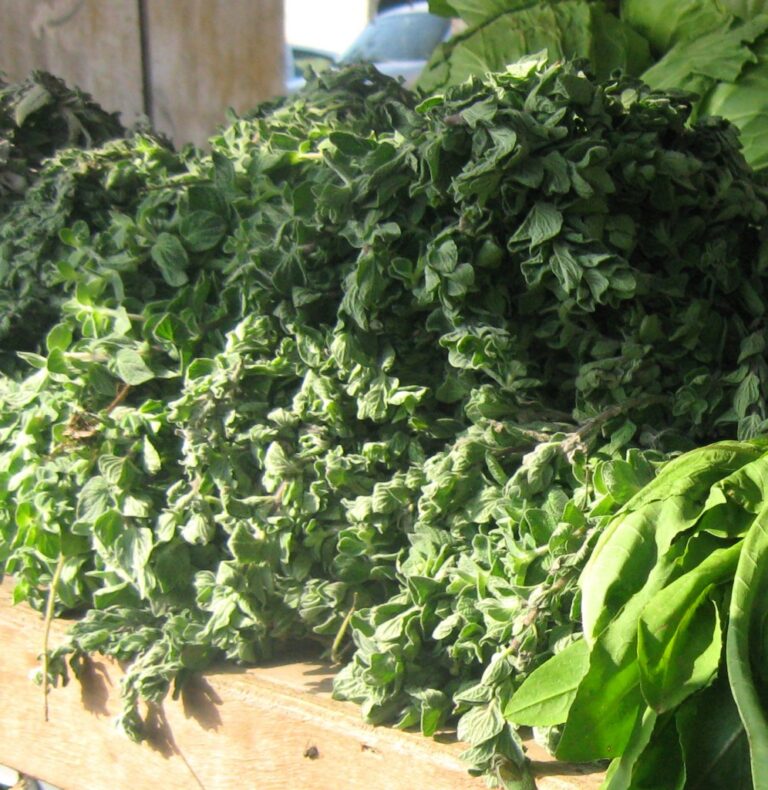
Fresh za’atar at Ramla Open-Air Market
Chef Moshe Basson created this pungent, chunky pesto in just a few minutes, right under our eyes.
Za’atar (Arabic: زعتر, also romanized as zaatar, za’tar, zatar, zatr, zahatar or satar) is a generic name for a family of related Middle Eastern herbs from the genera oregano, calamintha, thyme, and savory.
It is also the name for a condiment made from the dried herbs, mixed together with sesame seeds, and often salt, as well as other spices and enjoyed as a seasoning or like salt in Middle Eastern cuisine. Used in Arab cuisine since medieval times, both the herb and spice mixture are popular throughout the Middle East and Levant. Today, Slow Food chef, Basson gives us his surprising and mouth-watering alternative: a recipe for za’atar pesto.
Za’atar Pesto Recipe
Ingredients:
1 cup toasted, blanched almonds
3/4 cup fresh, rinsed, za’atar leaves (in season right now at open-air markets), patted dry and stripped off the stalks
1 teaspoon salt
1 teaspoon powdered sumac (rhus coriaria, an edible Middle-Eastern variety of sumac with a lemony flavor)
2 large, fresh garlic cloves
1 cup olive oil
1/4 cup lemon juice
Method:
1. Place the almonds in a food processor. Whizz till they’re coarsely ground, not pasty.
2. Add the za’atar next. This sequence is important: if you grind the za’atar first, it will liquify too much. Process for a few seconds.
3. Add the salt, sumac, garlic cloves, olive oil, and lemon juice. Process for a few minutes, till you have obtained a spreadable pesto.
Enjoy it as a flavorful shmear on sandwiches, to top pasta as with basil pesto, or as a dip for raw vegetables.
And remember…za’atar is a protected plant in the wild, so buy it from a farmed source.
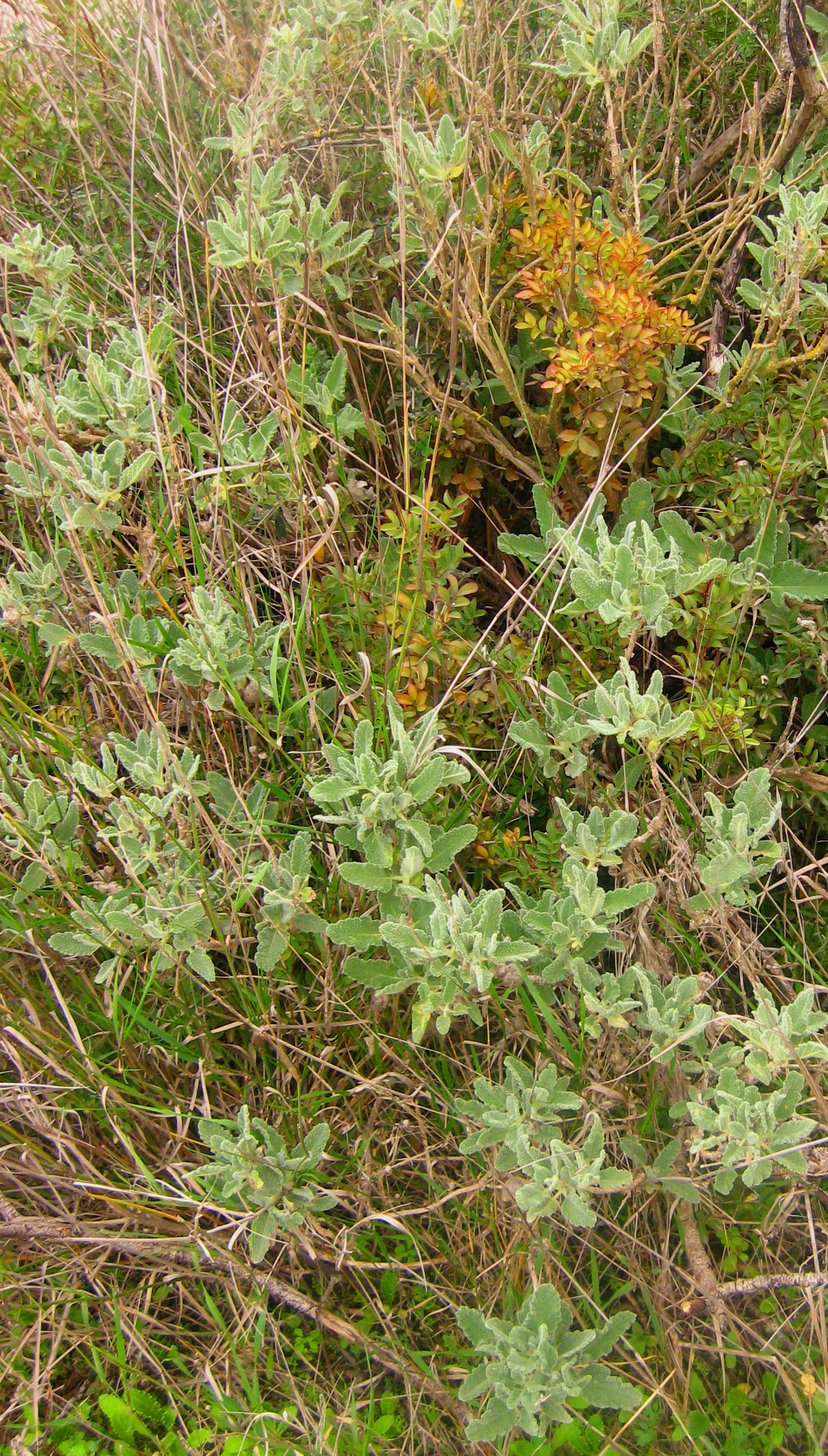 Wild Za’atar
More about pesto and sustainable agriculture in Israel here:










 IsraWinexpo 2010