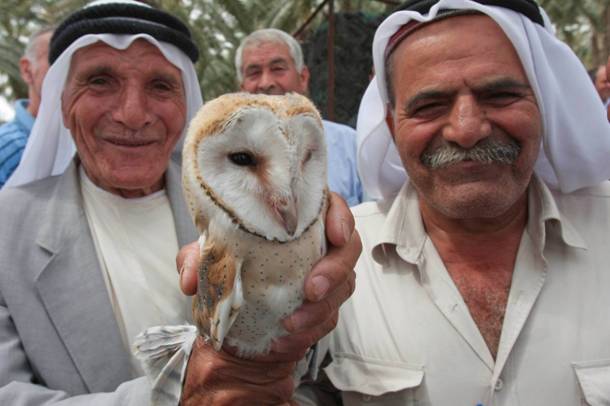

Barn owls as biological control. Arab farmers in the Levant use nesting boxes to encourage the owls to move in. This means much less pesticide to control rodents.
Known for his work with birds and other feathery friends Prof. Yossi Leshem of Tel Aviv University is showing how nature can provide the best medicine — not only for pest problems, but also for diplomacy. For decades, Prof. Leshem has been pioneering environmentally-friendly techniques in pest control, using owls and birds to keep populations of predatory mice at bay in farmer’s fields in Israel.
Over the years, his projects have extended to Europe, North America and more locally in the Middle East. This year, farmers from Jordan and the Palestinian Authority were joined in the project by 50 Israeli-Arab farmers — showing that natural pesticide control is not just good for the environment, it’s good for peace as well. (Warning: ridiculously cute owlet picture below)
Today, through Webcams trained on owl nests, thousands of nature enthusiasts can track the progress of owl and predatory bird nesting boxes Prof. Leshem and his colleagues have set up in various locations, tools to reduce the use of dangerous pesticides. Owls, if given good homes and the right conditions, can control the damage caused by mice and other small mammals to farmer’s fields, he says.
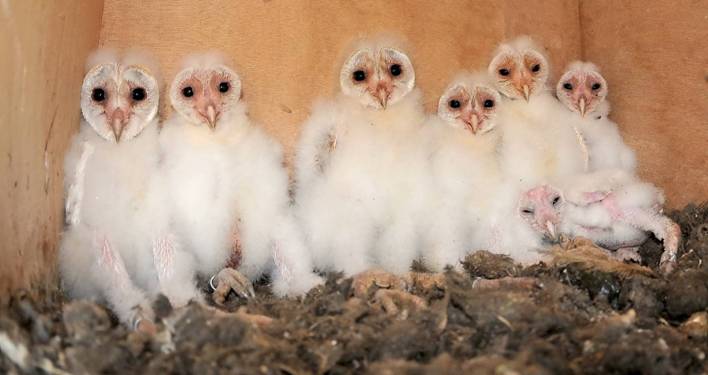 Baby barn owls. Are these faces only a mother could love?
“We were pleasantly surprised by the birds at the Tirat Tzvi kibbutz. The barn owls that nested in the water tower successfully raised four nestlings,” he says. “We noted the abundance of rodents in the kibbutz fields and decided to raise another brood. They can be seen on the Internet site, where the nestlings can be seen with their first feathers.
“This has been an exceptionally successful year for the barn owls,” Prof. Leshem concludes.
Watch a video about the project below:
[youtube]http://www.youtube.com/watch?v=ZJDVohcnfHQ[/youtube]
Almost 1,900 nesting boxes have been placed all over the country, about 600 of them in the Bet Shean Valley and the Jezreel Valley in Israel. Barn owls have occupied almost 80% of the nesting boxes, and many farmers are now enjoying the services of these “unique pest controllers,” he says.
On another note, owls have a mixed rap depending on the country. They are considered unclean in Islam, and a bad omen in the Middle East. Iran legends suggest they bring illness to children. So getting this project off the ground required some cultural sensitivity, Prof. Leshem said.

 Some Aloe Vera gelato I saw in Milan…but I wasn’t brave enough to taste it!
 The plot thickens: The Egypt Government says Red Sea oil spill is not a rig spill. The warmer weather has just released old oil, now surfacing. Or it’s come from passing tanker. Image via
 Engineering students from Israel’s Technion have developed an anaerobic digester to help solve fuel and pollution problems in Nepal.
 A kibbutz company in Israel leases 100 acres of land off of Bedouins in the Negev Desert to plant new solar panel project. Image via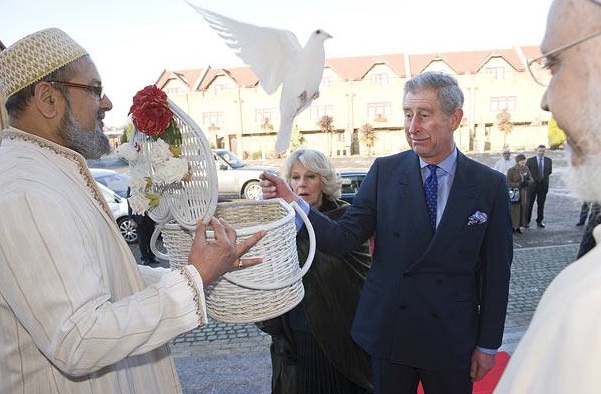
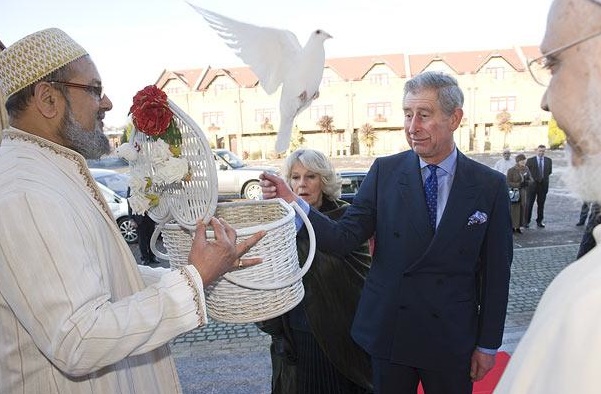 Prince Charles delivers a speech targeted to Muslim population and how it mobilize to quell environmental problems, such as over-population in the developing world. Image via the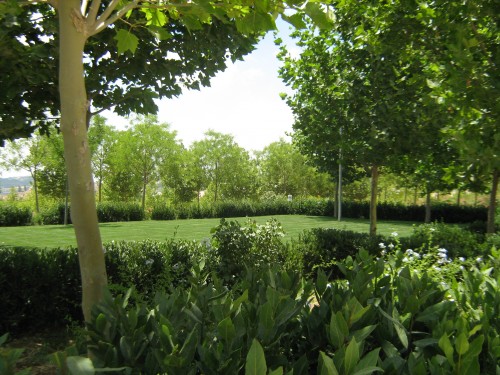
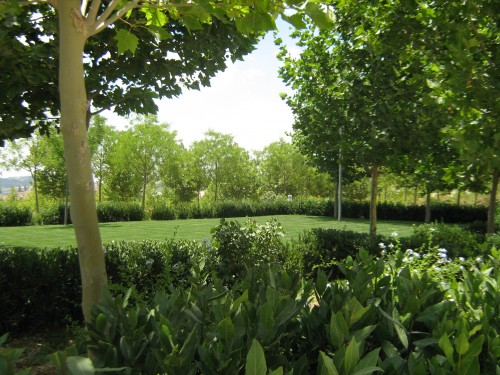 A green oasis in Amman – the King Hussein Park, Jordan.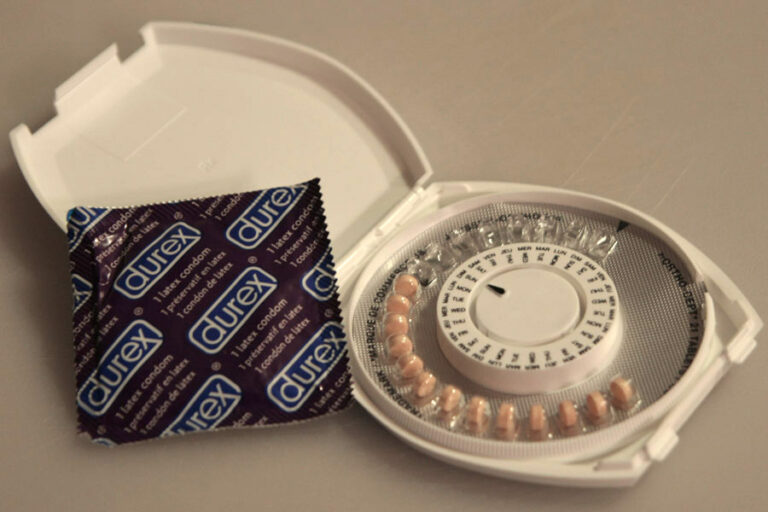
 A birth control for men is in the works. It complies with strict religious traditions in Judaism, and it could control population growth in the Middle East and developing nations.
 Once you could lose your life if you fell in. Rowing in cleaner waters? The Yarkon River has been upgraded – so they say!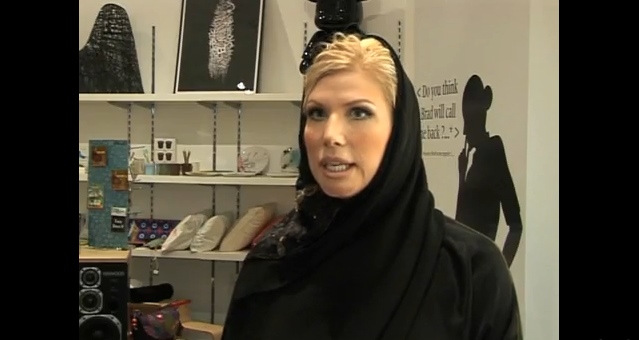
 OnePure’s halal products are gelatin-free, and feel good on women who live in the Middle East.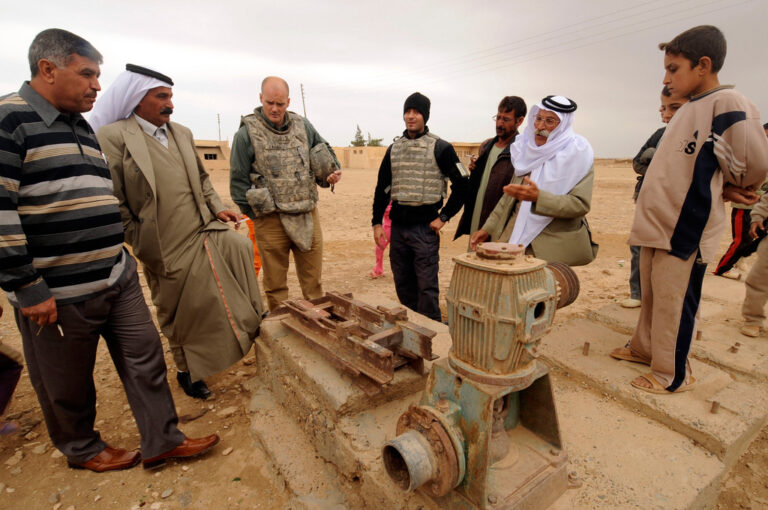




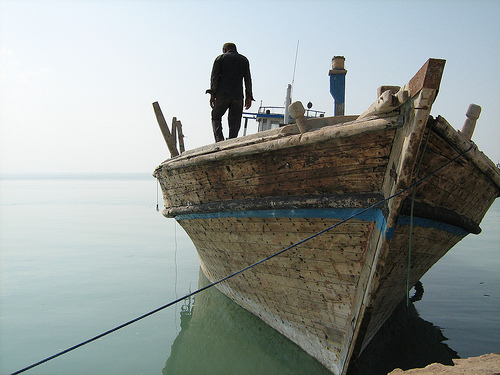
 A Bahraini dhow in drydock. No fish. Maybe it’s time to go back to racing camels?