The Green Abu Dhabi Art Show will soon be using one of the world’s universal languages – art – to spread the message of environmentalism.
The color green will have a different artistic meaning at the Green Abu Dhabi Art Show starting this Wednesday (October 13th). Instead of referring to the artists’ color palettes, it will apply to their environmental intentions. The three week exhibition will focus on educating the community about the environment and sustainability, and summon the whole UAE to “paint the town green”.
Israeli and Turkish delegations joined European and American counterparts in Spain to draw attention to environmental factors causing a killer disease.
Strengthening community will be an integral part of a sustainable future. A “community of angels” in my notes referred to the delegates from more than 20 countries in the European Union, Israel, Turkey and the United States who convened in Castelldefels to discuss Pulmonary Hypertension. The European Pulmonary Hypertension Association conference took place just outside of Barcelona from Sept. 18-20th.
Dr. Iris Tal and I represented the Israel Pulmonary Hypertension Association at the gathering. There, patients, caregivers and clinicians discussed treatment options, drug accessibility, standards of care, research horizons and general support for the victims of the illness.
Israel’s Environmental Protection Ministry threatens to enforce their will in Palestinian territory, where the plans for Rawabi are not as green as Palestinian/Qatari developers profess.
Israel’s excess extraction from the Jordan River (as well as other factors) could soon kill it altogether with serious ramifications for Israelis, Jordanians, and Palestinians. There is no question that one nation’s poor environmental decisions can impact on another. As such, every community owes it to the rest of the world as well as their own citizens to maintain the existing and create built environments modestly and sustainably.
Thus the planned city Rawabi in Palestine raises concerns. Although we applaud the Palestinian Authority’s goal to create short and long term jobs and improve the quality of life for Palestinians living between Ramallah and Nablus, there is something fishy about the big Palestinian/Qatari rush to erect Rawabi without first addressing basic concerns.
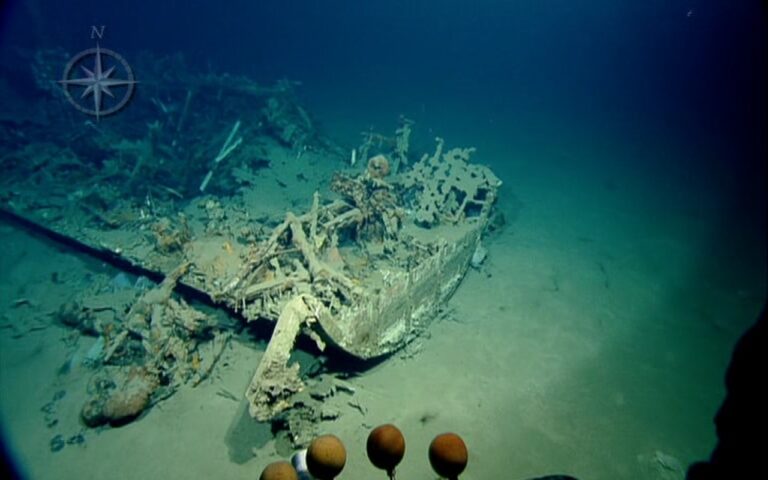
Along with a coral reef that scientists did not know existed, this shipwreck is one of two discovered by Nautilus robots in September.
When the Nautilus of Titanic fame left Haifa in early September, the researchers on board aimed to scour deeper beneath the Mediterranean Sea’s surface than had previously been possible. Within two and a half weeks, the ship’s advanced robots were exploring at unprecedented depths of 1.7km. At 7oo m, the scientists from Leon H. Charney School of Marine Sciences led by Zvi Ben Avraham were astounded to discover a coral reef that extends a few kilometers approximately 40km off Tel Aviv’s shore.
They announced this discovery after returning from their expedition towards the end of September, as did we, but they have since released images of a world never before seen. Not only do they hope that this precious reef will give government greater impetus to protect the Mediterranean in the form of marine reserves and other anthropogenic limits, but they also hope to learn more about the mechanism of coral survival both historically and within the context of current climate changes.
Is taking down this year’s sukkah already getting you thinking about next year’s?
Have the end of the Jewish holidays, return to work, and impending cold weather got you down? Fantasizing about next year’s warm evenings spent inside an outdoor sukkah (or temporary booth) might help fight that feeling. This year’s much-publicized Sukkah City design competition in New York’s Union Square might have inspired you to go above and beyond the call of sukkah duty next year and bring some serious design quality to your booth.
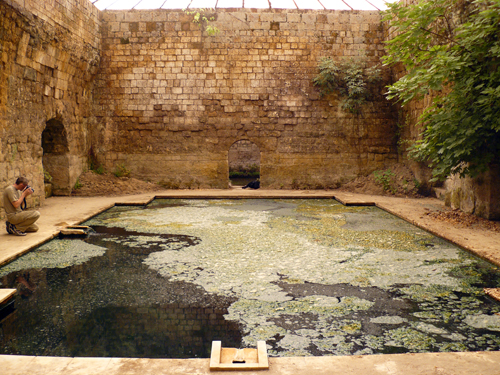
Allianoi Roman baths in better days. Is flooding this site for irrigation a “massacre” or unavoidable water reservoir project?
In a planned act that seems to be no different than bulldozing ancient archeological sites in Libya the Turkish government is going through with work to flood the ancient Roman hot springs spa of Allianoi. The site sits in a valley that will be flooded by a dam that will create a reservoir with a capacity to irrigate 8,000 hectares of farmland. The project, reported in Lebanon’s Daily Star includes wall painting frescoes and columns as well as beautiful mosaic floors. Even though efforts are being made to protect the site by covering it with a special coating and layers of sand (as Tafline reported), no effort was made on behalf of the Turkish authorities to let archeologists do a complete excavation of the site, which will soon be covered by at least 17 meters of water when the Yorganli Dam is completed.
Taiji, Japan is the scene of the bloody dolphin slaughter revealed by “The Cove.” It is also the source of Egypt and Saudi Arabia’s dolphin imports.
In 2008, Taiji in Japan slaughtered 1,700 dolphins. The international community swarmed to action after one of the most powerful works of journalism, “The Cove,” depicted the bloodletting in a documentary that won an academy award in 2009. This year, while 57 bottlenose dolphins have escaped Taiji’s slaughter, they have been doomed to yet another cruel and unnatural fate.
We recently showed footage of four bottlenose dolphins trapped in an Egyptian swimming pool 1/10th the recommended size, where they were serving quarantine time before being transferred to a new dolphinarium in Hurghada. It has since emerged that not only were these dolphins imported from the scene of “The Cove,” but Saudi Arabia received four as well.
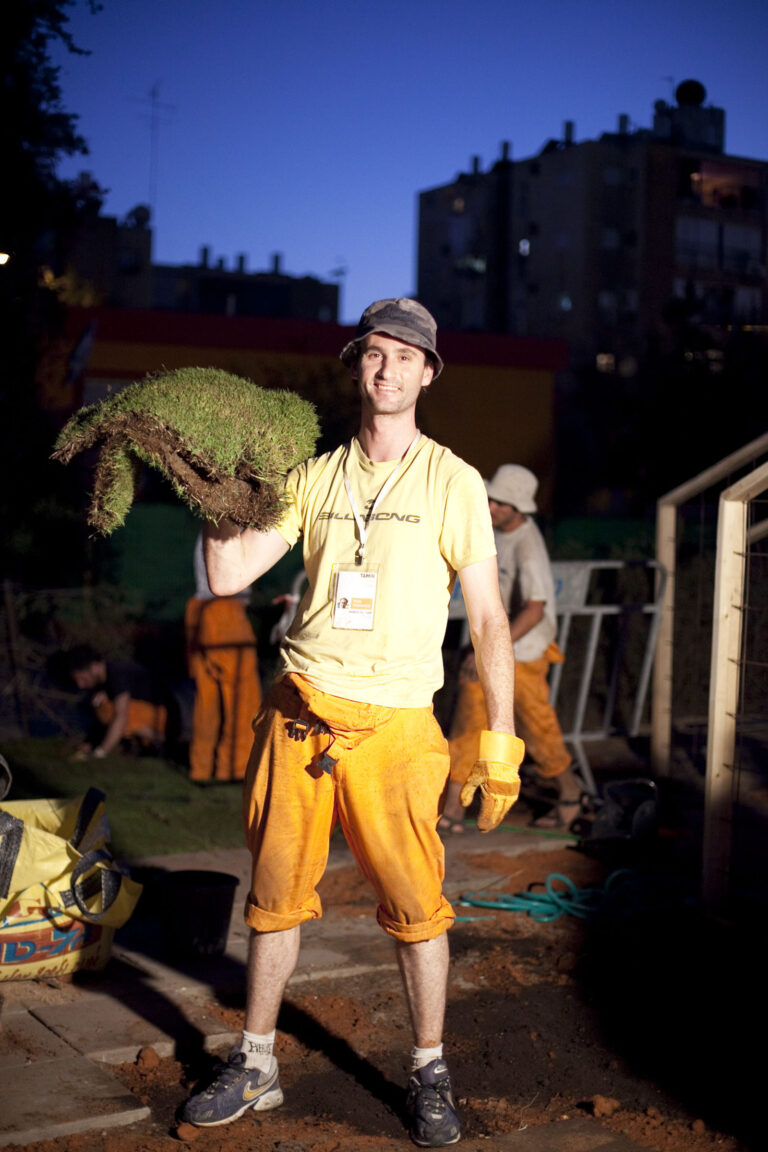
This was demonstrated last week during the 72 Hour Urban Action Initiative that tasked 120 architectural students from 19 countries with the formidable task of livening up Israel’s “crummy” city Bat Yam.
In just three days and three nights, ten teams worked tirelessly to infuse otherwise abandoned or monotonous buildings with colorful, uplifting oomph.
Their combined efforts were so impressive that the judges were hard-pressed to award only one first prize, so they awarded two instead, as well as an honorable mention.
Eran talks about popularizing metal recycling in Israel and other Koala Recycling Solutions projects.
After excitedly learning a few weeks ago that a new organization, Koala Recycling Solutions, was tackling the metal recycling issue in Israel, we decided to get in touch with its CEO, Eran Hilerowicz, to learn more. Here’s what he had to say about his inspiration for founding the company, why it was needed, what Koala does, and more.
How was Koala founded, and what was the inspiration?
I was first “infected” by the ecological “bug” while I was traveling in Australia and New Zealand. I got accustomed to recycling everything and everywhere. When I returned to Israel after 9 months I automatically started recycling everything possible. I quickly realized there is no way to recycle household metals. During my electrical engineering studies in Tel Aviv University and while working in an Israeli Hi-Tech company as a verification engineer, I took a non-for credit environmental leadership course given by the Student Union. This course gave me the push to leave the Hi-Tech industry and do what I truly enjoy. One year later, Koala Recycling Solutions Ltd was founded.
Koala Recycling Solutions was named after the tree hugging bear.
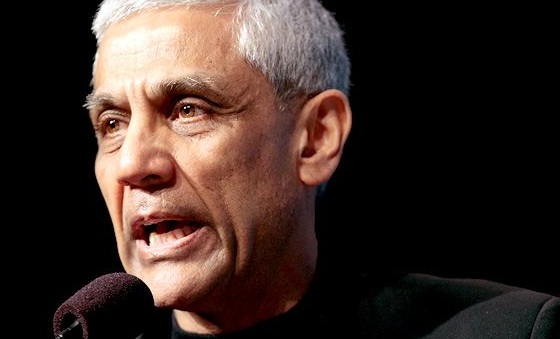
They have the power to stop multi-million solar installations in the Mojave Desert and shut down coal-powered factories for a day and sometimes forever. But celebrity clean tech investor Vinod Khosla, founder of Sun Microsystems from Khosla Ventures, says that environmentalists, though with good intentions can “do more damage than they know.”
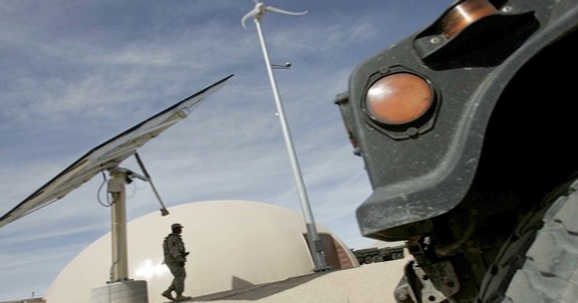
The US Army in Afghanistan recognizes that going green solves fuel supply problems for troops.
Logistical supply line problems in military forces have been the downfall of armies since organized warfare began. The US Army goes green as a tactical move: Recent attacks against US military and NATO fuel convoys in Afghanistan have resulted in US military seeking ways to incorporate renewable energy into field units in order to have less dependence on fossil fuels, according to a recent article in the NY Times.
Some of this equipment running on solar energy include portable solar panels that fold up into boxes; energy-conserving lights; solar tent shields that provide shade and electricity; and solar chargers for computers and communications equipment. This desire to use solar and other forms of renewable energy in the military, stems from recent innovations in renewable energy technology that enable these portable “field units” to be used in areas where logistical dependence on supplies of fossil fuel is difficult, if not downright dangerous due to terror attacks by insurgent combatants. What fuel supplies that are available are more needed for military vehicles, including trucks, personnel carriers and attack vehicles.
A new clean tech center in Israel’s south, Israeli-Palestinian collaboration on clean water, investment trends and more headlines related to Israeli cleantech and the environment.
Construction on a proposed wind farm in the Golan Heights is set to begin soon. BrightSource Energy received an unexpected shout out from US President Barack Obama and SolarEdge raised $25 million. For these stories and more, see this week’s headlines below.
More sustainable than anything pumped out by Isaac Mizrahi? Israel’s Kobi Levi takes design to a new level of comedy with this series of shoes.
We love it when design takes a giant club and whacks a genre over the head, rising thereby to quivering new artistic heights. We’ve featured some stellar funk in the past, such as this eco-fashion designer, and these two architectural art cum power-plant installations. But nothing we have written about comes close to the g-spot of subverted vision, humor, and exceptional quality that Kobi Levi’s shoes wear so effortlessly.
An interview that is supposed to shed light on Masdar’s real progress does little more than reorganize the project’s rhetoric
Following a recent New York Times article that at once lauds and mocks the infamous Masdar Project, and a new Masdar Institute student’s claim that she feels like she is “living on a spaceship,” Middle East Architect (MEA) was granted an exclusive interview with Gerard Evenden, a senior partner of the architectural firm Foster and Partners.
Designed to shed light on what is actually happening in Masdar, the interview instead smacks of a carefully polished press release orated by a presidential candidate. Rather than provide any concrete details about the project’s progress or setbacks, Mr. Evenden promotes a vague philosophy that relies on flexibility and experiential growth.
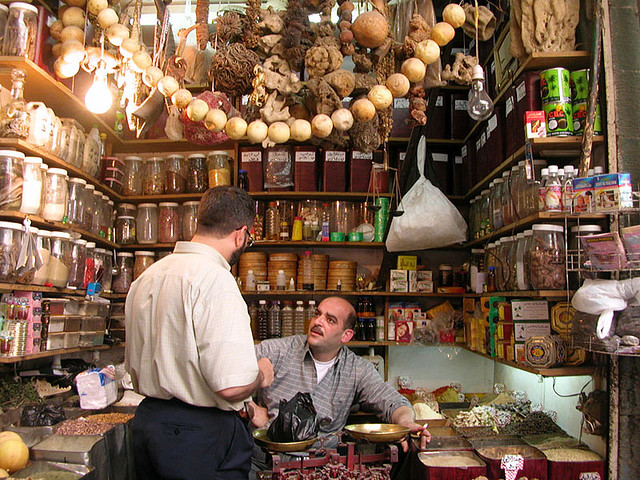
Within Islam there are many herbs, plants and fruits that are believed to have medicinal and healing properties. Olive, pomegranate, dates and figs are amongst those that are directly mentioned in the Quran as blessed foods. However, there is only one that can stake a claim as a super food and that is black cumin, fennel flower, or ‘Habbat ul Sawda’ as it is known in Arabic.
According to hadith, or Muslim teachings, Muhammed is believed to have said: “In the black seed is healing for every disease except death.” (Sahih Bukhari)
Indigenous to the Mediterranean region, the black seed plant (Nigella sativa, also Roman coriander) has been used medicinally by Muslims and non-Muslims alike for hundreds of years. In fact the earliest written reference to the black cumin is in the book of Isaiah in the Old Testament where Isaiah talks of the harvesting of the black seed.
It was also mentioned in the Bible as the curative ‘black seed’ and has been used by Asian herbalists and the Romans for culinary purposes. However it never really held any place of importance until the rise of Islam.
Black cumin seeds and oil – a superfood
Within Arabo-Islamic culture, the black seed has been prescribed for various ailments including fever, asthma, chronic headaches, diabetes, digestion, back pain, infections and rheumatism. In fact, since its rise in popularity in the Seventh century the black seed has remained a staple of family medicine within the Muslim world. The black seed is believed to have 100 components and is a significant sources of fatty acids, proteins, carbohydrates, vitamins and minerals.
Whenever I get a cold or flu, the first things that gets added to my hot drinks is black cumin and although it leaves no taste in the drink- the trick is to chew the seeds rather than just swallow them whole.
They have a slightly bitter and peppery taste but nothing too strong so it is a relatively pain-free medicine. My mother constantly tells me about its amazing properties and it seems that there science out there to back it up.
Black cumin revives natural medicine
Black seed has been scientifically proven to demonstrate strong anti-bacterial, antioxidant, anti-inflammatory and antiviral properties which support its claims to be of medicinal value for various ailments. There was also interesting studies carried out which found that black cumin had inhibitory effects on carcinogens and was also helpful for fighting tumours.
You can buy black cumin oil which is considered a potent anti-oxidant for treating cancer. Note that this comes from a different plant to the popular blackseedoil, which also contains lots of antioxidants that can help protect your skin when used topically.
Nigella sativa has been used as traditional medicine for centuries. The crude oil and thymoquinone (TQ) extracted from its seeds and oil are effective against many diseases like cancer, cardiovascular complications, diabetes, asthma, kidney disease, breast and pancreatic cancer.
Black cumin is effective against cancer in blood system, lung, kidney, liver, prostate, breast, cervix, skin with much safety. The molecular mechanisms behind its anticancer role is still not clearly understood, however, some studies showed that thymoquinone has antioxidant role and improves body’s defense system, according to this study.
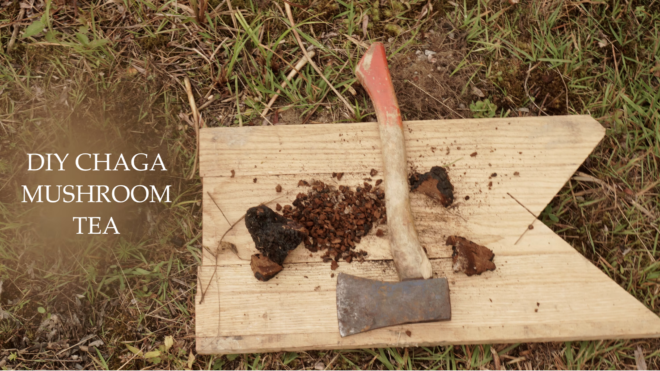
The issue with treating cancer however means that one needs to be “proactive” in consuming disease fighting foods before the cancer gets rooted. Oftentimes people react with natural medicines such as CBD oil, black cumin, chaga tea, juicing, or apricot seeds hoping that the mix will stop the cancer. All of us need to take care of our health today with a balanced diet, heavy in Mediterrean food to stop cancer before it starts.
A rise in interest of Mediterranean cuisine and herbs has highlighted the uses of the black seed which seems to be enjoying a revival in popularity across the Muslim world and in the West.
Like CBD oil is added to drinks in America, black cumin seed has been introduced to recipes and is even an ingredient in Evoca cola which is also known as ‘Islam Cola’. The extract is said to be tasteless.
Evoca is a London-based soft drinks company, and is sold in the United Kingdom, The Channel Islands, Europe and the Far East.
Black seed can also be used as a spice and particularly as a substitute to pepper: although with its additional properties it really does give flavour with added health benefits.

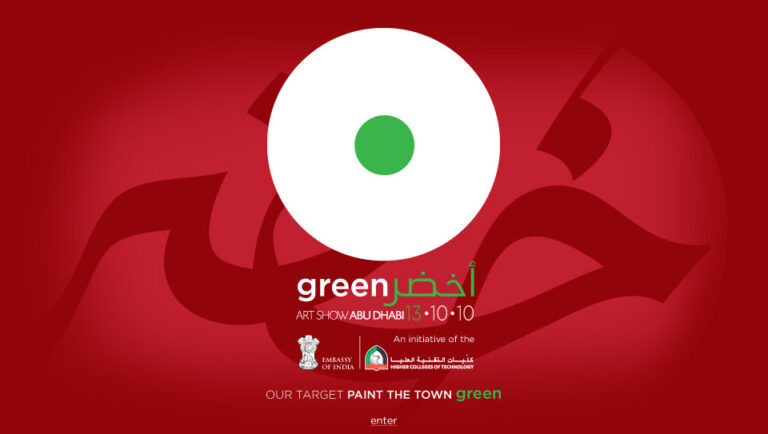
 The Green Abu Dhabi Art Show will soon be using one of the world’s universal languages – art – to spread the message of environmentalism.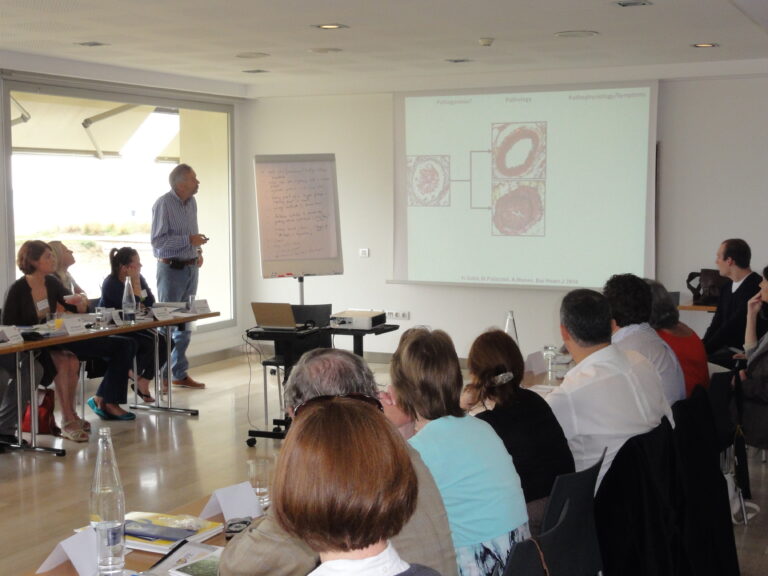







 The US Army in Afghanistan recognizes that going green solves fuel supply problems for troops.