
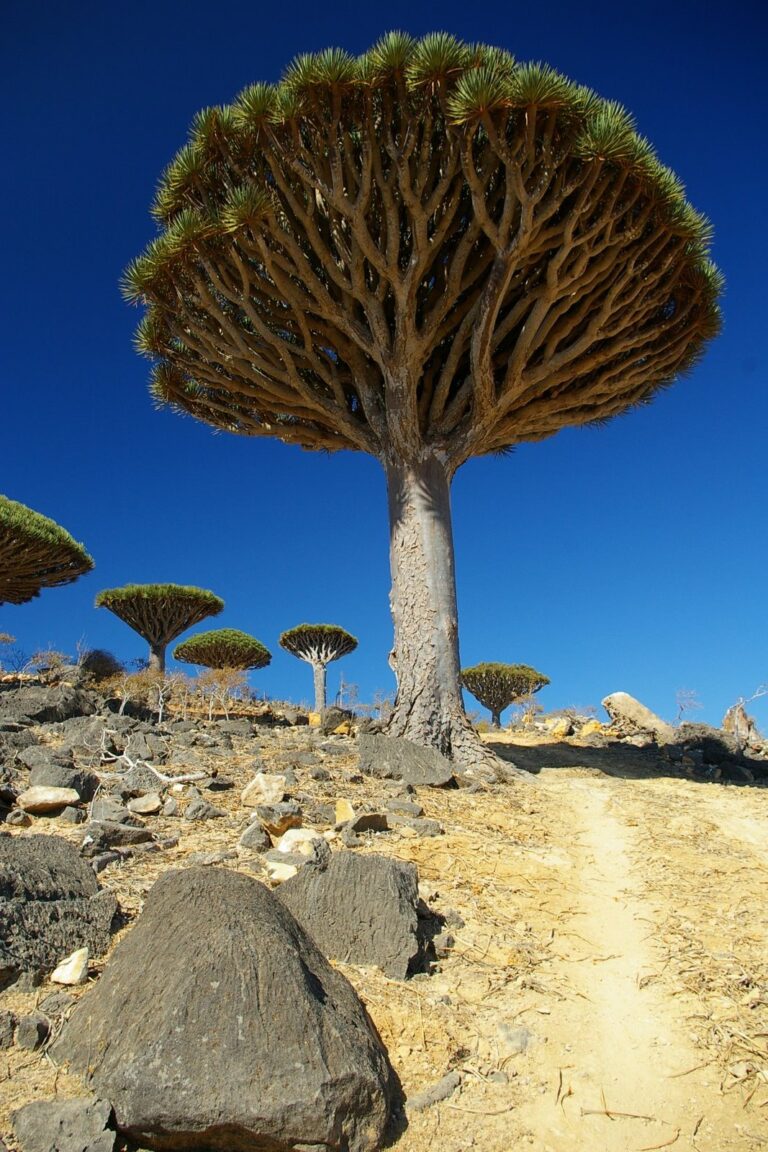
In the alien and isolated landscape of the Socotra Island, just off the coast of Yemen, biodiversity is in a struggle for survival
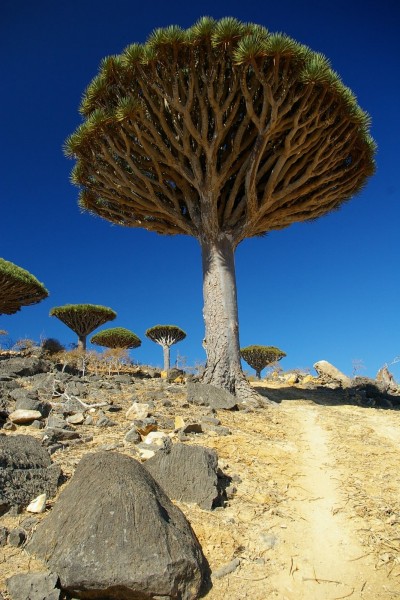
Declared an UNESCO world heritage site in July 2008, the Socotra Archipelago which is located in the northwest Indian Ocean is home to some of the rarest species in the world.
According to UNESCO data, 37% of Socotra’s 825 plant species, 90% of its reptile species and 95% of its land snail species do not occur anywhere else in the world.
Recent reports however, have raised concerns that climate change is adversely affecting Socotra’s indigenous flora and fauna which could disappear altogether if conservation isn’t made a top priority in the country.
Locals state that a reduction in mist and cloud cover over the last couple of years means that iconic plants such as the dragon’s blood tree are already on the decline.
The tiny chain of islands, near the Gulf of Aden, has been described as the most alien landscape in the world due to it’s truly unmatched species of flora and fauna. In fact, there literally isn’t anywhere like Socotra and if the endemic species it hosts aren’t protected they will be lost forever.

 The concept is Hollywood-esque: An unknown event has devastated Earth’s biosphere, causing a radiation storm that is rapidly driving all biological life on the planet to extinction.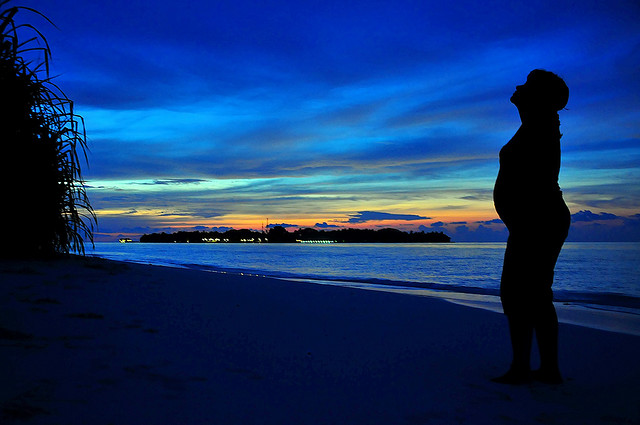
 Environmental factors can change the genes of a fetus, leading to illness later in childhood.



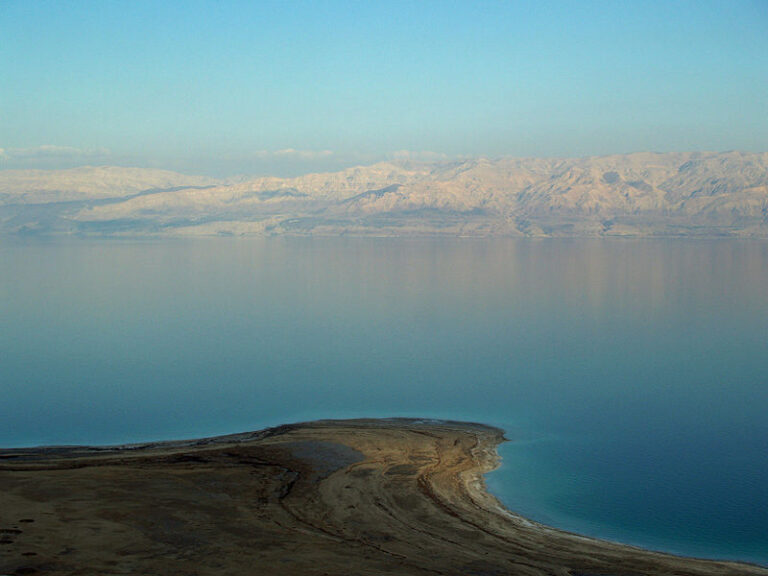


 The Arava Institue works with Palestinians and Israelis to cooperatively solve the region’s environmental challenges

 Plastic bottles might not work in the Emirate Palace Hotel – but opulent jewelry decor isn’t fitting either. Image via AFP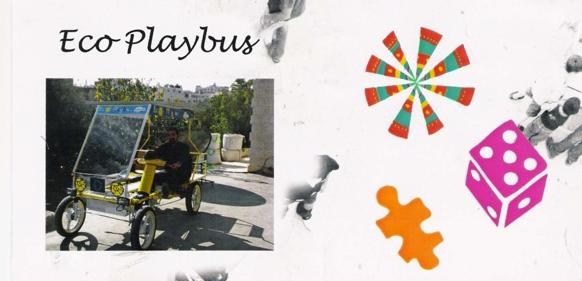
 Built by Palestinian engineers, the toy-carrying Eco-Playbus is powered by solar and cycling power