Home Blog Page 554

Editor of Arabic Environmental Magazine Scoops Top Eco Prize

4

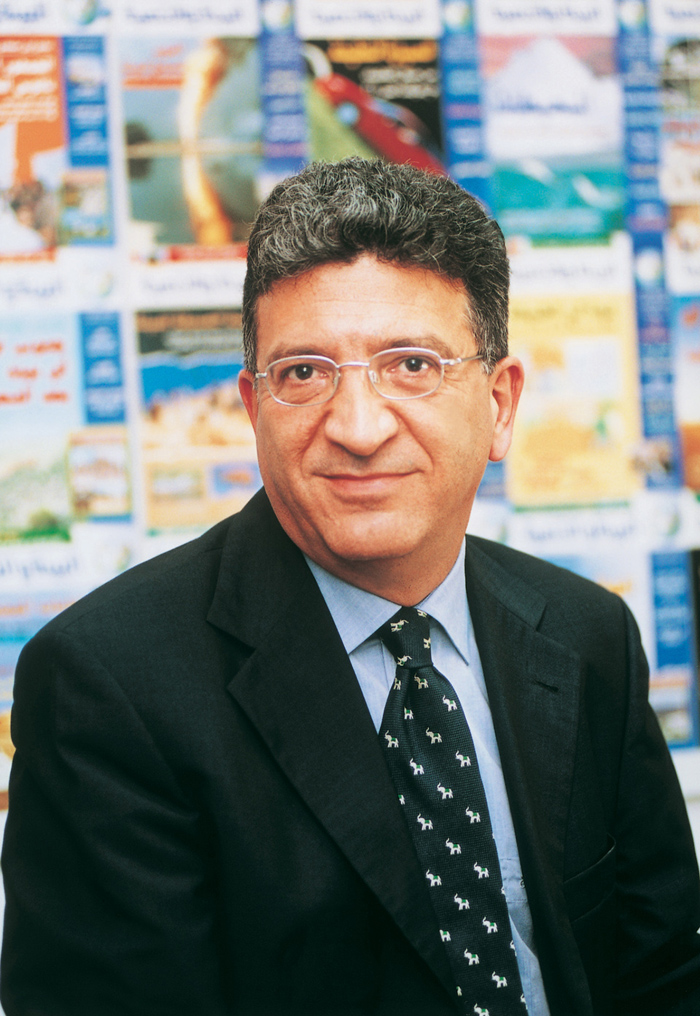
The editor of the Arabic-language magazine Al-Bia Wal-Tanmia was awarded the Zayed International Prize for environmental action leading to positive change in society

Najib Saab, the Editor-in-Chief of the magazine Al-Bia Wal-Tanmia (Environment and Development) and secretary general of AFED (Arab Forum for Environment and Development) won the Zayed International Prize for the role he has played in raising awareness about environmental concerns in the Arab world.

UAE minister of Environment and Water, Dr Rashid Ahmed bin Fahd, explained that Najib Saab had secured the award because his influential and successful magazine had “triggered unprecedented environmental awareness at all levels” and “built a new relationship between policy-makers and people of the Arab world with the issues of environment and sustainability, and placed the environment high on the national and regional agenda.” The prize will be handed out next week in a ceremony in Dubai.

Negev Oil Shale Plant To Shut Down, Switch To Natural Gas

0

shale oil

Israel Chemicals Ltd. has plans to replace its Mishor Rotem oil shale plant with more viable natural gas.

Initially installed in 1978 as a pilot project, the Mishor Rotem oil shale plant will soon be shut down. Globes reports that Israel Chemicals Ltd. – which purchases the energy generated by approximately half a million tons of oil shale each year – sites a low profit margin as a major cause behind the move.

A newer, cleaner, natural gas plant will take its place. This does not bode well for Israel Energy Initiatives. Though that company has plans to use in-situ technology to extract oil shale reserves in the Adullam district, compared to open-pit mining, ICL has sent a clear message: oil shale is neither clean nor profitable.

UAE Sustainability Conference Inspires Change

1

The Green Sheikh, who attended the event, encouraged everyone to get out of their comfort zones to help create a more sustainable UAE

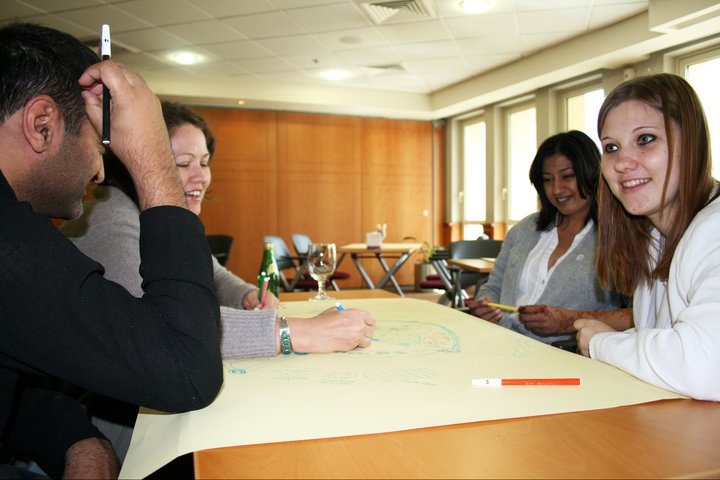
The main problem with a lot of green events and green conferences is that they end up preaching to the choir. The green-savvy will attend to learn more but it’s very hard to convince new people with no prior interest in the issue to give up their time to discuss a brand new topic. This is where the SustainabilityCamp conference in the UAE comes in.

Two weeks ago, it brought together people with interests in health, education, art and youth issues to discuss the interconnectedness of sustainability issues and what they can do to make their city and country more sustainable.

Keeping Buildings Pearly Green From Design To Operation

3

estidama pearl professional consultant
Irina Forster is one of  186 new professionals qualified to oversee building projects according to the Estidama Pearl Rating system.

Rola questions – with good reason – whether Arab governments are sincere about sustainability. While certain of them such as Qatar and Abu Dhabi are making some effort to reconcile their fossil addiction, others continue to spend on profligate projects like Dubai’s destructive World Islands. Abu Dhabi, rated one of the world’s best cities, continues its baby steps towards a healthier, smarter Emirate but it remains to be seen whether their belated enlightenment will stay the worst that climate change has in store. In the meantime, hoorah for Estidama Pearls.

Eco-Sexy Nutrition: An Apple a Day Increases Lifespan by 10%

2

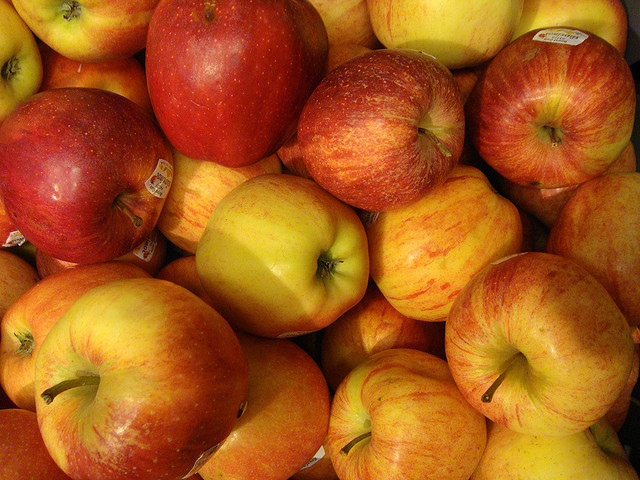
bushel of apples photoApples have long been hailed as a pop culture super food and aphrodisiac.

Nutritious and delicious, apples now have more promising benefits to impart: increasing lifespan by up to 10%. Research published in ACS’s Journal of Agriculture and Food Chemistry reports that, “consumption of a healthful antioxidant substance in apples extends the average lifespan of test animals, and does so by 10 percent. The new results, obtained with fruit flies — stand-ins for humans in hundreds of research projects each year — bolster similar findings on apple antioxidants in other animal tests.”

Did GlassPoint Get the Glass House Idea in the Middle East?

1

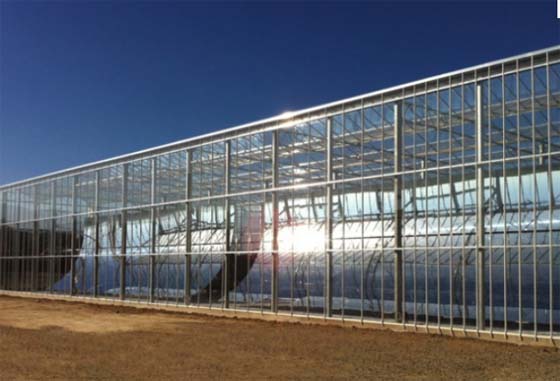
In the deserts with the best solar insolation in the world, dust and drought are also the greatest enemy. GlassPoint is pioneering the solution – put the solar in a Glass House – only after an attempted sale in Middle Eastern oil fields. Instead of merely being just another solar CSP company, GlassPoint is now the very first solar company in the world that will make solar power in a greenhouse. The GlassPoint Glass house solar project will make its debut in a depleted oil field in California.

But, as we covered in November…

What is the Future of MENA Solar With the Region in Chaos?

0

There are more reasons than ever to attend MENASOL 2011, with the current unrest raising questions

One particular – and now very topical – public presentation at MENASOL should prove very popular, this year. A group of over 22 government officials representing Egypt and other Middle Eastern and North African nations has been convened to provide some clarity in a round-table discussion on what the future will bring for renewable energy – now that dictators are toppling.

A survey of key solar players by CSP Today found that the biggest uncertainty for solar development in the Middle East comes from the current unrest.

Miswak is Nature’s Twiggy Toothbrush

2

Ever brush your teeth with a stick from a tree? This brother shows how it’s done

Twigs for oral hygiene may seem like a curious idea, better suited for the holistic type than today’s modern lifestyle. However, before the advent of the ubiquitous plastic toothbrush, miswak, a natural alternative made from the Salvadora persica tree was the traditional way for cleansing teeth. Although still popular in many areas of the Middle East, those from Western cultures have little or no knowledge of miswak, relying mostly on the conventional methodology recommended by Dental Associations.

Will Libya’s Unrest Trash Their Historical Sites ?

1

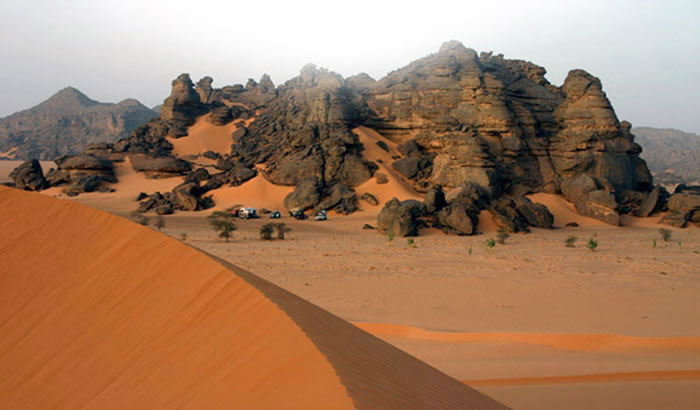
This desolate part of Libya contains some of the world’s most unique primitive rock art

The civil war now in progress in Libya is threatening everything there – especially the country’s historical sites that go back more than 3,000 years. The somber news of what is happening there was conveyed by what was the last archeological team, who left the country for Italy, and reported this to the Nature Middle East news site on March 3. The eleven Italian archeologists who were evacuated from a combined archeological project at Acacus and Messak where some of the best examples of prehistoric rock art are found.  Some of the paintings in caves from this region date back more than 12,000 years and was shown graphically to movie audiences in the 1996 Oscar winning film The English Patient.

Make Greener Children With A Patch of Dirt

1

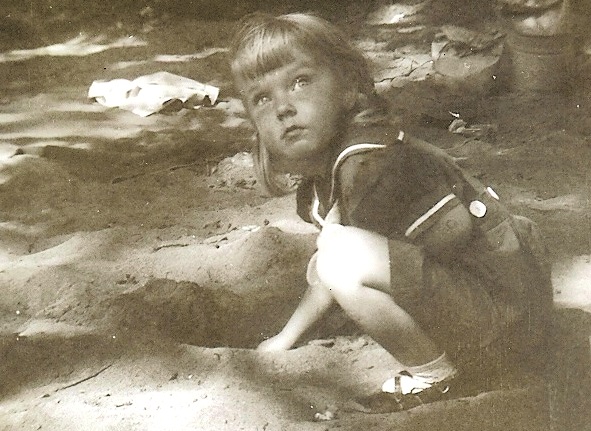
child playing in dirtTeach your child individual responsibility giving them a patch of “earth”.

I am not by nature a whole-wheat, Earth Mother, organic fabric, cloth diaper kind of person. I love to consume and I have a taste for the good life. I would rather wear designer clothes and own a Lexus than grow my hair long, go barefoot, and attend a love-in. In short, an adult hippie, I am not. Not that I do wear designer clothes or own a Lexus. I’m much too thrifty, and er, middle class for that. After all, I’m the child of parents who lived through the Depression. Even if I could afford that kind of lifestyle, I probably wouldn’t live it: I am cautious to the bone, and conserve wherever and whenever possible.

Grid Parity in the Arab World: Still Far Away

1

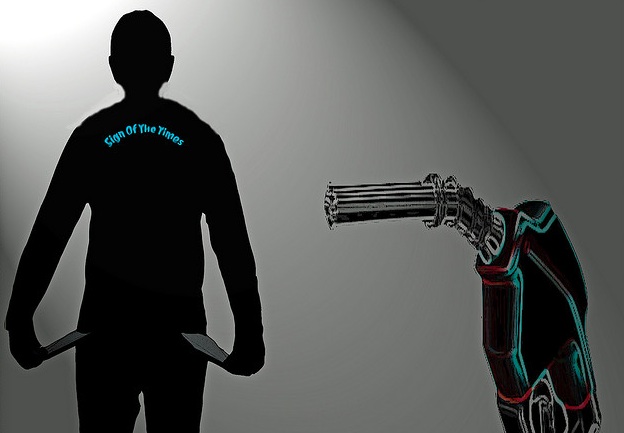
fossil fuel oil gas station and empty pockets imagePetrol and electricity are considered birth-rights, even God-sent in the Arab world. How can this reality compete with the use of renewables?

Grid parity, the point when the cost of power generated from renewable energy resources become equal or cheaper than conventional power costs, is around the corner for many countries. In the Arab world however, the gap between fossil-based and renewable generated power is wider than anywhere. Parity is therefore likely to be several decades away.

In 2006, Abu Dhabi initiated a commitment to sustainability and embraced renewable and sustainable energy solutions. As part of its bold vision, Abu Dhabi announced a target to generate seven percent of its electricity from renewable energy sources by 2020. Since then, it made some steps to build towards its 1,500 MW target capacity by inviting bidders for developing and co-owning solar power plants like Shams 1 (100 MW) and more recently its twin project Shams 2. However, in spite of much hyped mega projects like Desertec and Masdar, the region is not getting any closer to reaching grid parity any time soon.

Green Deeds: Don’t Waste Food, Man (10 Tips)

0

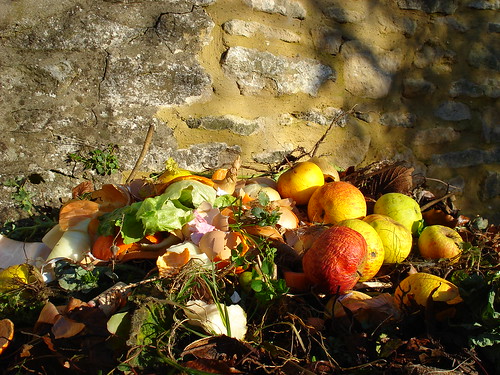
Still life on composter Read Green Prophet’s Top Ten Tips to food management from a Muslim perspective

A Muslim’s diet is above ordinary – we are “meat-eating vegetarians” which means if it’s not organic or halal food (lawful in Islam), we practice temporary vegetarianism. Muslims are blessed with grocery stores and local markets therefore life in Britain does not require us to grow our own crops – although, if we did, that would be exciting and nurturing. As an eco-Muslim I have learned to grow my own tomatoes and other herbs, which, with a little know-how is a productive step to improving our lifestyle.

ReMakes Figures Out What to Do with Billboard Waste

0

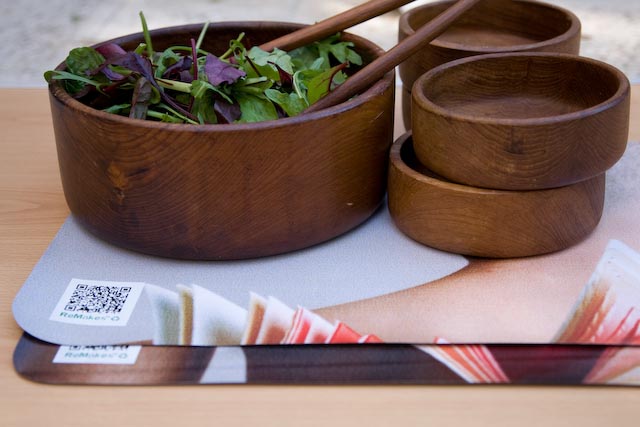
"ReMakes eco-friendly placemat"We’ve seen billboards turned into handbags, now they’re being upcycled into placemats.  Chew on that.

The ubiquitous billboards that we routinely see during our everyday lives are made out of PVC, some pretty nasty stuff.  Due to the nature of billboards being hung outdoors and subjected to weather, they are made of out a fairly indestructible material.  Sadly, this also means that they are not biodegradable or even degradable.  Items made out of PVC retain their form for decades and decades, and eventually just granulate (breaking down into smaller pieces of the same substance).

In order to avoid sending these billboards to the landfill for a little while longer, designers in the region have come up with creative uses for them.

Climate Change Increases Risk Of Exposure To Dangerous Chemicals

0

danger sign

Increased flooding and temperatures could increase our exposure to chemicals kept in check according to the terms of the Stockholm Treaty.

In 2004, the Stockholm Treaty was established to manage exposure to 21 dangerous chemicals. The Jerusalem Post reports that a recently-published United Nations document shows that climate change could undermine the ability of 172 parties to uphold that treaty’s terms. Increased flooding and other freak weather has the potential to leak contaminants stored in stockpiles, while higher temperatures could increase emissions of volatile gases. While Israel does not officially use any of the chemicals listed in the report, the Environmental Ministry is investigating to ensure that none exist and will create a national plan to discontinue any discovered.

Four Steps to a Greener Hajj

13

Take up the green challenge when you go to Hajj by following these four simple steps

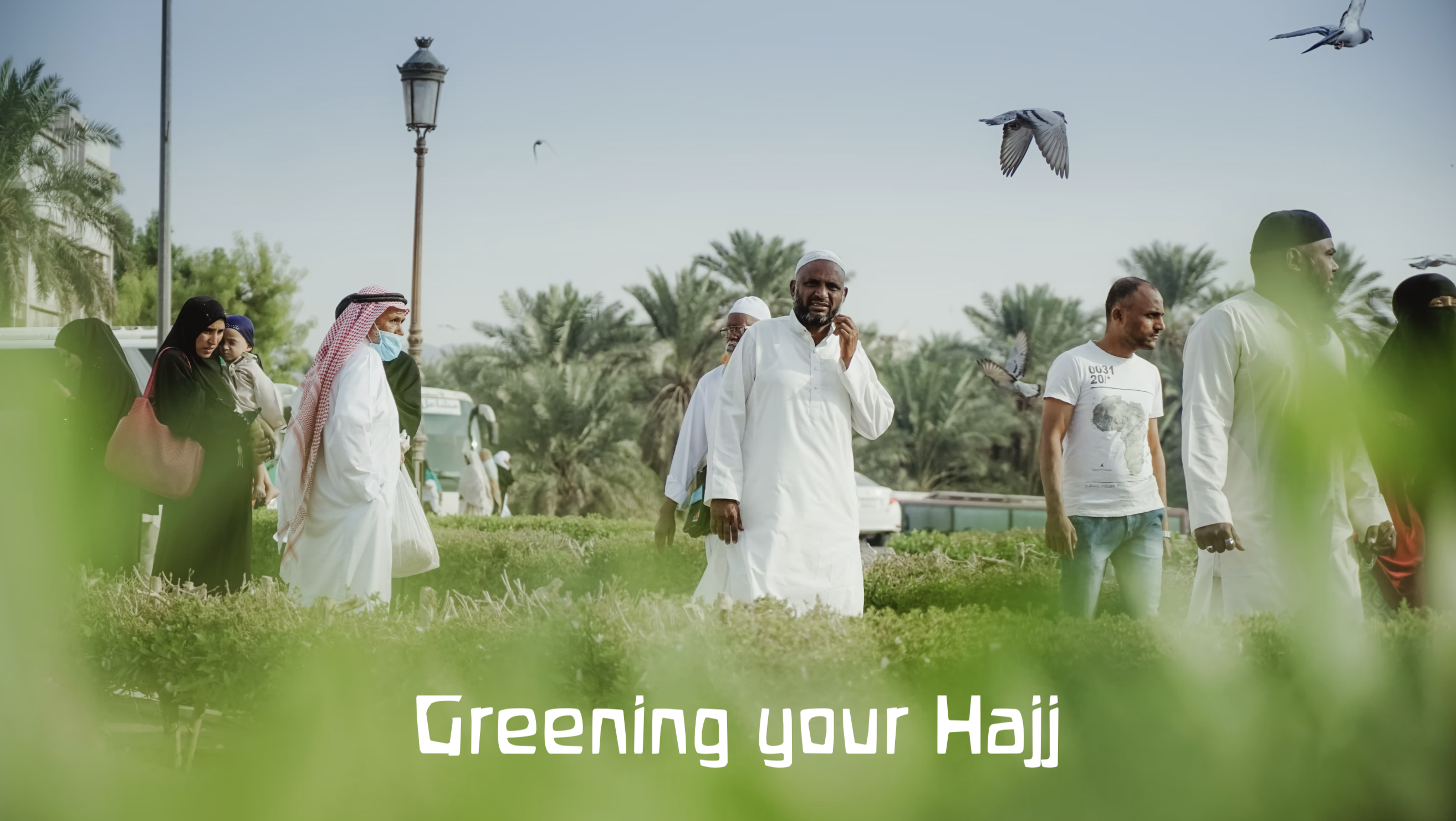
In the third and final installment of our Green Hajj feature we suggest some practical action reduce the carbon footprint of the average pilgrim. Based on the experiences of past pilgrims to Mecca, we put forward four simple yet important steps that could reduce the carbon footprint of Hajj.

If you missed the first two parts of the guide, start here:

Part 1: We Measure One Family’s Hajj Carbon Footprint

Part 2: Weighing Up the Green (and Not So Green) Aspects of Hajj

Now continues Part 3 where we give our readers 4 tips
sustainable hajj

1.     Embrace Slow Travel– There is a hadith that a Muslim is rewarded for every step they take to the mosque to pray- apply that concept to hajj and slow travel (using trains or even buses) makes a lot sense. As air travel contributes a big chunk of the carbon footprint this would definitely help make Hajj more eco. If you particularly ambitious you could even cycle to Mecca like two pilgrims from South Africa did this year!

2.     Waste Less Water: The prophet Muhammed (pbuh) told his followers not to waste water even when next to a running steam which means that you shouldn’t waste water even if it’s abundant. Another reason not to waste water is that the region is one of the most water scarce in the world. Furthermore, the latest eco mosques have been built with sensors at taps to limit water waste which would be welcome at hajj wudu facilities.

3.     Waste Less Electricity by going Solar: There is no getting around the fact that in Mecca it is hot but that doesn’t mean that we should rely on electricity from earth-destroying fossil fuels for our A/C. Solar power has taken off in the Middle East as countries finally realise that it can make the most of all that heat to create green electricity and energy. Now, some may get all sacrosanct about solar panels in Mecca and how it would look- to that I only have one thing to say: Mekkah Clocktower. The hideous building, which boasts posh hotels and shopping malls, has absolutely NO redeeming features and in my mind solar panels would be a marked improvement.

4.     Start Recycling! This suggestion seems as old as time, don’t just throw away things. Re-use them and make the most of everything. Although the pilgrims do come from vary diverse places if there are clear and abundant recycling facilities, I don’t see why they won’t be utilised. Another way to reduce waste in the first place is to hand out a reusable bottle, cup, plate and cutlery to every pilgrim to reuse and simply not provide any harmful throwaway plastics that end up in landfills.

As author of ‘Green Deen’ Ibrahim Abdul Matin said in an interview for Green Prophet: “Every person that goes to Hajj gets a Qur’an when leaving, how about everyone gets a reusable water bottle when arriving? I think that would be amazing.”

Again I just want to re-iterate that I am no carbon expert. In fact, I welcome any offers from experts to assess the carbon footprint of the average Hajj pilgrim properly as it was the lack of any data, which led me to this rather slapdash effort.

For more on Green Hajj see:

Part 1: We Measure One Family’s Hajj Carbon Footprint

Part 2: Weighing Up the Green (and Not So Green) Aspects of Hajj

An Epic Journey to Mecca- by Bike! (Slideshow)