Home Blog Page 540

How Math Can Make Greener Cities

1

eco-planning, urban planning, green building, dubaiClimatology models applied to urban planning could yield greener cities.

If you have ever walked down the street in a city full of high rises and felt a sudden blast of cold air, or witnessed a swirling mass of dried leaves, chances are you experienced an artificial microclimate created by the surrounding buildings. It turns out that when planning sustainable cities, it is crucial to consider the spaces between each building, since they impact one another in very interesting ways. This according to Evyatar Erell, a professor of architecture at Israel’s Ben-Gurion University of the Negev.

Ethiopia Can’t Afford The New Nile Dam

67

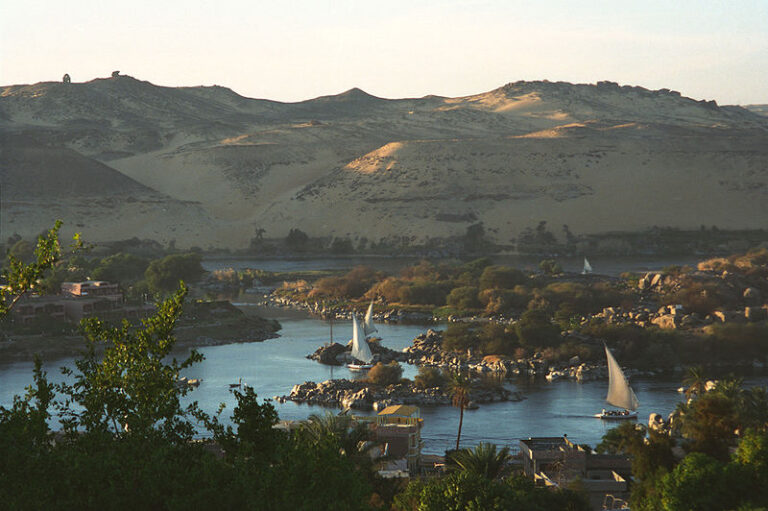
nile river, ethiopia, grand millennium dam, egyptEthiopia insists it will build the Grand Millennium Dam, but there is no money behind the words

Defiant Ethiopia is proceeding with its plan to build the Grand Millennium Dam on the Nile river, but what kind of dam can they build without cash flow? Following the formation of the Entebbe Treaty, which gives the six upstream nations more control over the Nile’s flow, and amidst the political upheaval that has the Pharaoh nation scrambling to keep the country afloat, Egypt has made some conciliatory moves towards Ethiopia. But just how seriously need they take Ethiopia’s posturing?

Luxurious Chiseled Desert Lodge In Jordan Is Also Sustainable

2

eco-lodge, wadi rum, jordan, chad oppenheimThis beautiful eco-lodge is chiseled into the side of Wadi Rum’s dramatic red sandstone walls.

Chad Oppenheim’s design for an eco lodge in Jordan’s desert is absolutely breathtaking. Also called the Valley of the Moon, Wadi Rum resembles a martian landscape with its high red sandstone and granite walls.

The downside is that this beauty attracts a throng of tourists each year, making it difficult to maintain its authentic Bedouin roots. But this award-winning design manages the impossible without compromising the kind of luxury service upper class travelers have come to expect.

Egypt Moving to Shore Up Delta Cities Against Sea Level Rise

0

In Alexandria, climate change threatens tourism

From London and Rotterdam to Egypt’s Alexandria, most of the world’s great old cities were settled in river deltas. Because of the ease of shipping heavy loads by water in ancient times, river deltas developed as trading posts, and grew over the centuries from villages to become the major population centers. Even in recent centuries, newer cities like Hong Kong and New York followed the pattern. But as a result, two thirds of the largest cities in the world are located in delta areas and coastal zones – that will be directly impacted as sea levels rise.

Aloha! Better Place Plans First Commercial Battery Charging Network in Hawaii

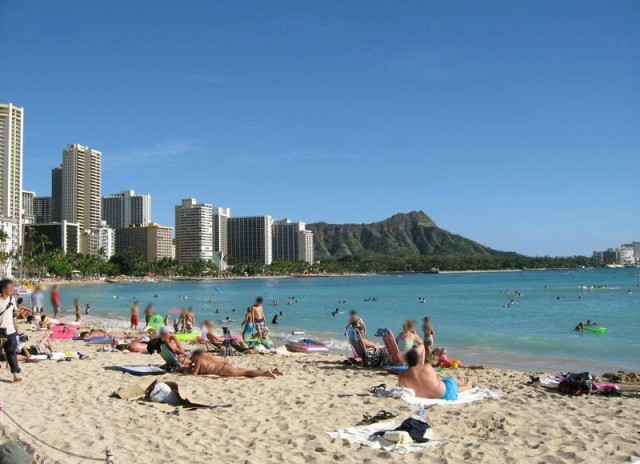
Will this Waikiki beach front also include Better Place recharging stations?

Better Place, the electric car technology company headquartered in Palo Alto California, and headed by Israeli entrepreneur Shai Agassi is now preparing to establish its first commercial battery recharging network in the American state of Hawaii. The news, as reported in the online edition of the Pacific Business news site reported that five recharging posts will be installed in the parking garage of Honolulu’s Sharaton Waikiki Hotel. The plan to establish the Batter Place network in Hawaii will include other charging stations  at Hawaiian Electric Co. facilities and at the Hawaii Center for Advanced Transportation Technologies in Honolulu.

Make kosher for Passover Granola

0

image-matzah
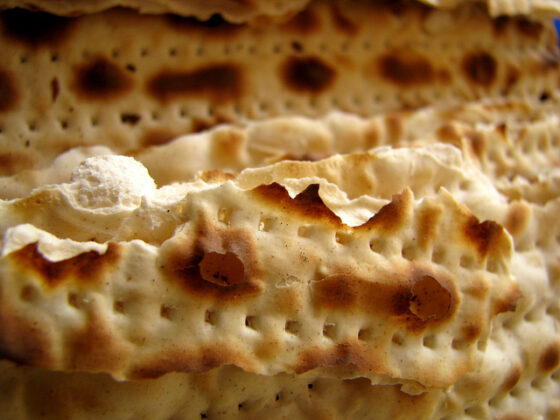
Matzah in the morning, as granola. Miriam shows you how.

I’m not a great fan of matzah meal- based food – always excepting our delicious matzah balls. Plain matzah, spread with cottage cheese or butter, makes unexciting but predictable Passover breakfasts. Since strawberries are in season, it’s easy to make strawberry jam from our recipe for topping a matzah, too.

But you get bored with that. How about some Passover granola?  Lots of crunch and superfood fruit and nuts. The recipe is relatively low in fat and sugars. A Passover power breakfast.

Passover Granola

Source: The New Jewish Holiday Cookbook by Gloria Greene.
Yield: 8 cups

Ingredients:

5 cups matzah farfel or enough matzah, broken into very small pieces, to fill 5 cups.
1 cup slivered almonds
1 cup walnut pieces
2 teaspoons cinnamon
1/3 cup cold-pressed oil
1/3 cup honey
2 tablespoons water
1-1/2 cup raisins

Optional: 2 tablespoons brown sugar.

Line a 10 by 15 inch jelly roll pan with baking parchment. Preheat oven to 350 F -180 C degrees.

Put the farfel, nuts and cinnamon into a large bowl and mix to combine.

Mix oil, honey and water and heat over  medium heat for 2-3 minutes. Pour it over the farfel mixture.  Mix again thoroughly. Taste. If you like it sweeter, add the optional brown sugar and mix again.

Spread the granola evenly in the prepared pan. Bake at 350 degrees for about 15-20 minutes, or until it  dry.  Remove it from the oven and while it is still warm, stir it in the pan to break it up. Allow to cool in the pan on a rack.

When  granola is cool, mix in raisins. Store in an air tight container. It will stay fresh for a week or longer.

Enjoy!

More on Passover at Green Prophet:



The Best Way To Preserve Water? Make It More Expensive

1

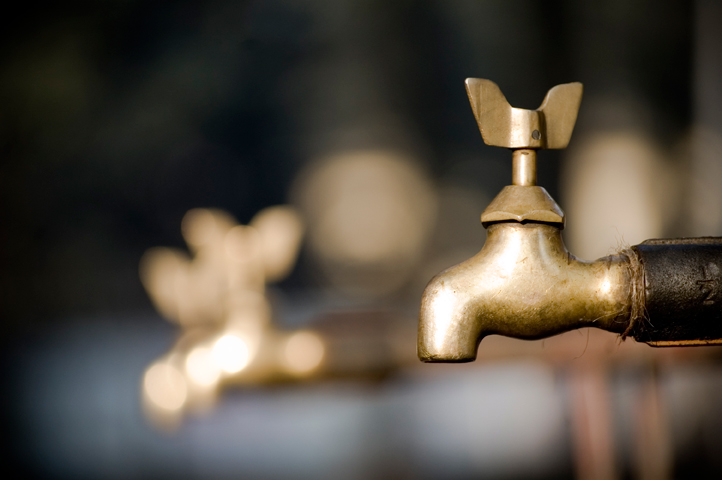
water-cost-conservation-jordan-agriculture-efficiencyAccording to a report by the International Water Association, the low price of water is the main factor preventing water conservation in rural Jordan

These days it seems that the only way to change people’s attitudes is to hit them where it hurts them most- their bank balance. Unless it makes economic sense, it’s pretty difficult to get people to assess and change their deep-rooted habits. For example, I have tried for years to convince people to give up their cars but until the recession hit, I was having very little luck.

Now I know three people who have given up their cars simply because they can’t afford them. High taxes on alcohol and cigarettes also encourage us to reconsider (or moderate) our unhealthy addictions but should upping the price of water be a real consideration when looking at water conservation?

Book Review: Plastiki – Across The Pacific Ocean On Plastic

plastiki, graham hill, treehugger, pacific oceanA good friend of David de Rothschild’s, Treehugger founder Graham Hill takes the Plastiki helm
Theirs was one of 2010’s most talked-about, scoffed-about, and dreamed-about adventures: sailing across the Pacific Ocean in a boat made from plastic. Spontaneously envisioned to save our oceans from plastic pollution created by a now global society of waste, the Plastiki journey was rife with pitfalls. Delays. Storms. Politics. Graham Hill from Treehugger even lost the skin on his hands during part of the journey.

But in his new book Plastiki – Across The Pacific On Plastic: An Adventure to Save Our Oceans, David de Rothschild chronicles something even more important: the human spirit’s remarkable compass. Nine riveting chapters filled with anecdotes, diary entries from the crew, and op-eds from other eco-pioneers are imbued with the kind of tenacity that has plied oceans and crossed deserts for hundreds of years. David celebrates this. Indeed, his book is a kind of ouija board that evokes the best in humans, the qualities necessary to save the world.

New Eco-Park Opens In Jordan

4

After six years of hard work, Friends of the Earth Middle East have opened an eco-park in Jordan dedicated to preserving biodiversity

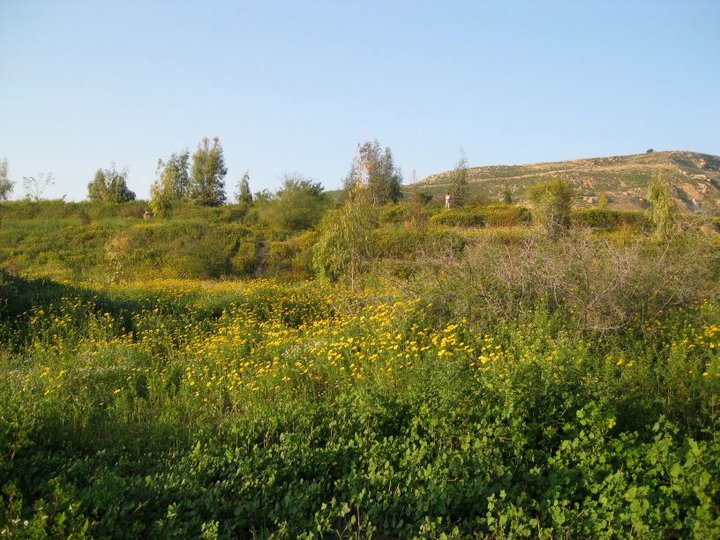
Last week, the Sharhabil Bin Hassneh EcoPark in Jordan was opened after six years of planning which saw the development of several thousand dunams of land in the Jordan Valley.  As well as fencing off the area to regulate overgrazing (which had contributed to the degradation of the land), there was also a concerted effort to restore some of the natural vegetation and protect wildlife.

According to Friends of the Earth Middle East (FoE-ME), the aim of the eco-park is to establish a model for preserving the natural diversity of the Jordan Valley and also to raise public awareness about the ecological importance of the landscape.

Formula One Is Going Green. Ish.

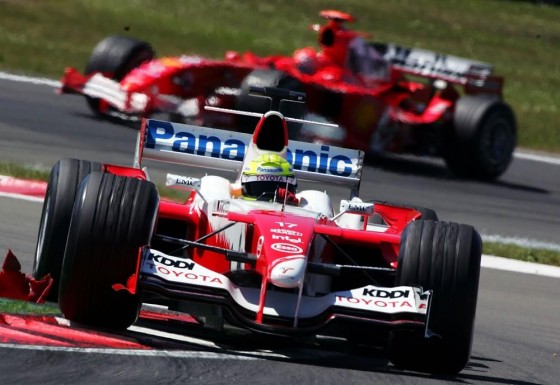
ungreen, transportation, formula oneFans of formula one racing claim that energy saving techniques will ruin all the fun because cars won’t be as noisy!

Just yesterday we reported on a floating Olympic stadium that could offset the sometimes heavy environmental costs associated with what we almost all love: sport. In preparation for 2022, Qatar will have to build several stadiums for a country that barely registers on the football talent scale, and the influx of visitors is bound to take its toll on energy and water resources.

There is some talk that the new stadiums will be deconstructed and used elsewhere, thereby reducing its environmental footprint. But what about car racing. I don’t mean the goofy Ferarri theme park in the UAE, but the real deal – Formula One racing. Can new regulations mitigate this adrenalin-pumping hobby’s environmental impact?

Giant Floating Olympic Stadium Could Save Tons Of Natural Materials

0

sustainable design, floating olympics, michael burtAn Israeli architect designed an Olympic stadium that could travel the waterways from country to host country.

Every four years a new country has the honor of hosting the Olympic Games – an international event that fosters transboundary competition and good will. But such events also wreak havoc on the environment in which they are staged. Like the soccer world cup which Qatar will host in 2022, hosting the Olympics usually requires an enormous expenditure of building and construction materials (although job creation is always welcome).

Professor Emeritus of Architecture at the Technion Israel Institute of Technology, Michael Burt likens the Olympics to weddings, where substantial money and fuss is invested in something that will essentially never be used again. His solution: floating stadia.

Dubai’s Greener Future Begins Now At the Dubai Global Energy Forum

1

dubai, energy, sheikh, forum
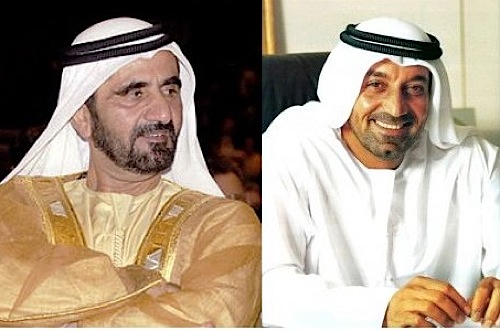
HH Sheikh Mohammed bin Rashid Al Maktoum and HH Sheikh Ahmed Bin Saeed Al Maktoum are both involved with the first ever Global Energy Forum in Dubai and hopefully a cleaner future.

Just ahead of Earth Day 2011, it’s the beginning of the end for Dubai’s waste era. Yesterday HH Sheikh Mohammed bin Rashhid Al Maktoum – Vice President and Prime Minister of the United Arab Emirates and Ruler of Dubai – inaugurated Dubai’s very first Global Energy Forum. Organized by the Dubai Supreme Council of Energy, the three day event that ends on April 19th, 2011, signals a very real shift in Dubai’s attitude towards energy.

It demonstrates an awareness on high that the glory days of fossil fuels are over and new heights need to be achieved in renewables. Although nuclear energy (and “clean” coal) features high on the Emirate’s list of alternatives, the forum being held at the Dubai World Trade Center has gathered some of the world’s most prominent leaders to discuss a cleaner future.

How Sharks Keep Us Breathing: An Interview with Filmmaker Jonathan Ali Khan

5

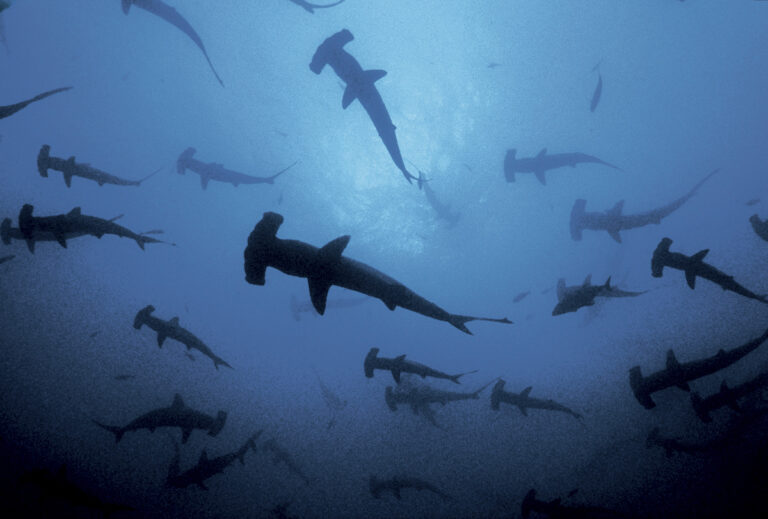
shark finning“What is happening to sharks around the world is the most shameful and biggest commercial sellout that man has ever perpetuated against the natural world” – Marine Conservationist and Film-maker Jonathan Ali Khan
Swapping fashion design for fish and wildlife, the film-maker Jonathan Ali Khan has been working on marine conservation in the United Arab Emirates for the past 25 years. His series ‘Arabia’s Cycle of Life’ reached 25 million viewers in the Middle East North Africa region and his latest project ‘Sharkquest Arabia’ is a 2-film TV documentary which uses natural history to communicate the issues facing sharks throughout Arabia’s waters. Green Prophet caught up with Jonathan Ali Khan to talk about the important role sharks play in keeping humans alive, what fisherman can do to protect sharks, the Japanese and Chinese lobby, and how TV and film may be the best way to reach a wide audiences about wildlife conservation.

The Rising Voices of Arab Women – From Social Activism to Eco-Feminism

1

bedouin women solar energy
Defiant women, some “worth 100 men” are reshaping the Arab world in grassroots activism.

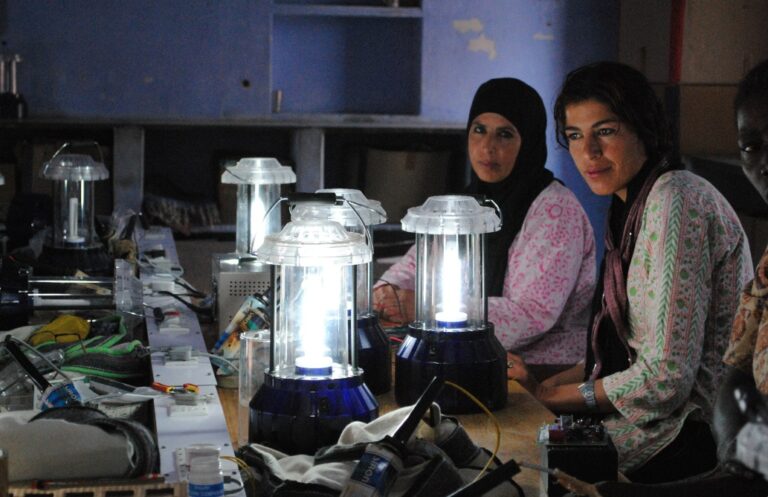
While news of a minority of Muslim women in burkas continues to spread islamophobia in the West, a growing number of Arab women (veiled or otherwise) are shedding their typical conservative image and gaining more visibility in the pro-democracy protests around the region. Western liberal understanding of feminism may prevent many from acknowledging any real progress, but a new role for Arab women in grass root activism is plain to see.

From hunger fasts in Bahrain, to women’s only marches in Yemen, to Asmaa Mahfouz (known as “a woman worth 100 men”), whose anti-Mubarak video helped trigger the revolution against autocratic rule, to the defiant Iman Al-Obeidi in Libya, women are playing as important role in the political and social transformations reshaping the Arab world.

Blaming Iraq for Sandstorms that Cripple Iran

1

sand storm iran
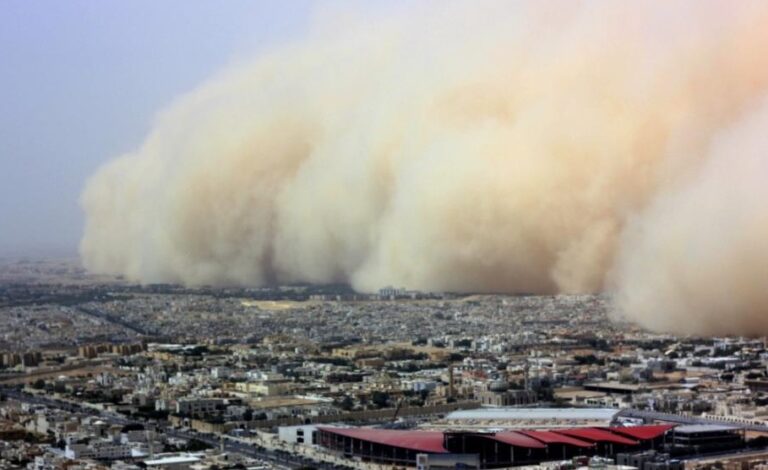
Sandstorms, like any kind of air pollution, know no borders.

Last Wednesday a viscous sandstorm in Iran forced schools and government offices to close. The more extreme than usual storm grounded some flights, and sent a number of people to hospital as well. According to the AFP, the Iranian media is blaming countries west of the Islamic republic, namely Iraq which is now suffering from deforestation and desertification due to a series of dams Iran has constructed.

“Unprecedented sandstorms which entered from west are the most violent storms that have ever reached Iran,” said Touraj Hemmati, an environmental official in the southwestern Khuzestan province bordering Iraq.

Lawmakers wrote a letter to Iran’s President Mahmoud Ahmadinejad demanding the government stop the sandstorms, which caused 123 people to seek emergency care in hospitals.

How any president can stop a sandstorm has me scratching my head. Sounds a bit like a child writing to Santa to stop global warming. But Iran can do some clean up close to home: Green Prophet Mehrdad reports on how Tehran and other Iranian cities have some of their own environmental clean up work to do, as cities are reaching pollution levels that are making them unlivable.

Read more on air pollution in Iran:
Why 27 People a Day Die in Tehran
Tehran Residents Complain About Air Quality

::AFP

Image via offthepost