Home Blog Page 506

Dubai Porsche Driver Walks Pet Cheetah on a Leash

13

IUCN, CITES, wildlife trafficking, conservation, illegal traffickingThis juvenile cheetah is paraded in front of several onlookers in the streets of Dubai.

Trafficking illegal drugs in the United Arab Emirates can earn offenders a death sentence, but trafficking wild animals that are listed as endangered by the International Union for Conservation of Nature (IUCN) apparently goes unnoticed if committed by a rich Emirati.

Not so long after a cheetah was found roaming the streets of Abu Dhabi, Dubai residents spotted a grown man “walking” an African cheetah last week near Media City.

After the animal showed visible signs of distress, the man coaxed it back into his fancy Porche Cayenne and left, ostensibly facing no charges for what should be considered a very serious crime.

Cogenra Solar Brings Heat&Power to Arizona’s La Posada

0

 Cogenra israel cleantech companyArizona green retirement community La Posada is next to get Cogenra’s combined heat and power

Cogenra was founded by Dr. Gilad Almogy, with a BSC in Physics and Mathematics from the Hebrew University in Jerusalem, Israel, and the inventor of over 30 registered US patents. Before founding Cogenra, which Vinod Khosla also had a hand in creating, Almogy was a senior VP of the Display and Thin Film Solar Products at Applied Materials (AMAT).

His innovative solar cogeneration (making heat and electricity from solar power) succeeds in bringing solar power costs down to the level of fossil fuels – but without those catastrophic health and climatic side effects!

6 Secrets of Happiness (Living with Less Carbon) From the Green Sheikh

0

carbon emissions, pollution, Middle East, United Arab EmiratesAlthough the Middle East’s carbon emissions make up a fraction of the global average, the Green Sheikh urges readers to follow these 6 tips to reducing their carbon habit.

Carbon emissions in our region have doubled in the last few decades. In spite of our small contribution (a fraction even) to global emissions, the United Arab Emirates is at the lead of emissions per capita, generating more than five times the amount of carbon per capita than the global average. If we are to improve this, we have to rise to the challenge of using less energy and increasing efficiency.

But before I reveal the six secrets that can help people to reduce their carbon habit, is it not strange that we have to think about “How to consume wisely?” From our regular attitude towards business as usual to environmental change, we go so overboard that as we adapt numerous planning, management and prevention plans to reduce the size of damages, losses and disasters arising from climate change, many of us have forgotten the difference between use and consumption.

Colorful Murals are a Fortified Moroccan Town’s Environmental Meal-Ticket

0

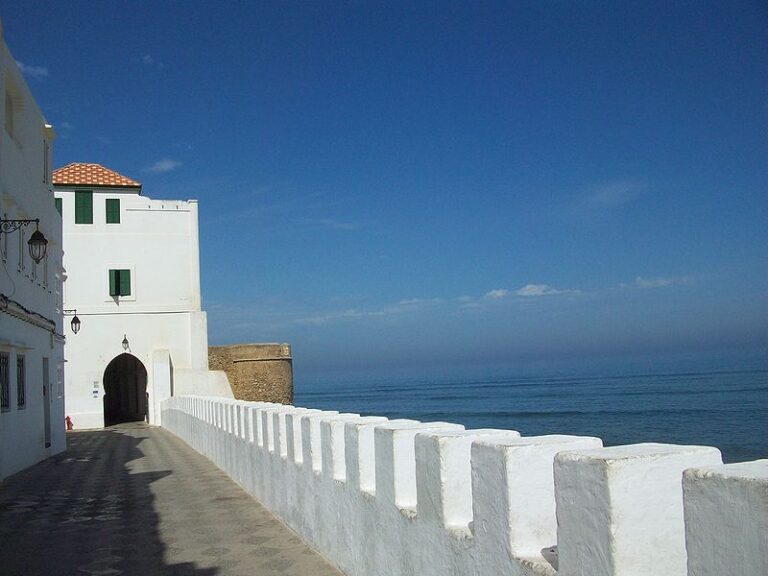
conservation, environmental degradation, UN, Morocco, artEvery year artists are invited to the Asilah Arts Festival to contribute colorful murals to this Moroccan Town’s white walls – keeping the town clean and well-funded.

If you are among those who associate art with the rail-thin, woebegone people who produce it and not much else, then you might be surprised to learn about the power paint has to transform a community. Take a look at Asillah, a fortified town with a long, colorful history complete with pirates on Morocco’s Northwestern Atlantic coast. A skip over the environmentally-threatened Mediterranean Sea from Europe and only a short drive south of Tangiers, Asillah became completely overrun by trash about three decades ago and no one thought to do anything about it. That is until one boy who remembered a time before, when the town of now 35,000 residents was still spotless and tranquil, returned as a grown man from his UN travels to find his home town completely neglected. Now Asilah’s longstanding mayor, Mohamed Benaissa instantly turned to mural art, and the generous patronage of Gulf countries, to lovingly restore the former majesty of his childhood memories.

Turkey’s Touristic Beach Towns: Sun, Sea — And A Little Animal Exploitation?

0

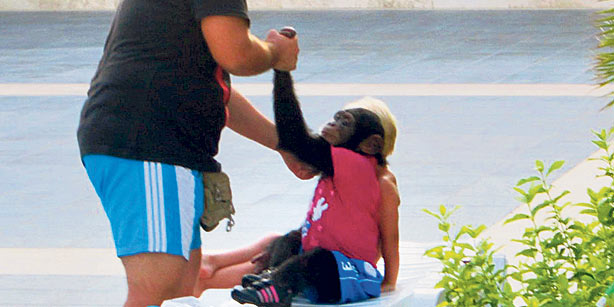
Hotels and photographers along Turkey’s tourism-heavy southern coast are reportedly exploiting chimpanzees and other wild animals for profit — but Turkish authorities say they can’t put a stop to it.

For the past several years, various international animal rescue groups have received complaints from tourists in Turkey, who say that their hotels offered guests the chance to take their photograph next to a posed chimpanzee. Since 2007, the World Society for the Protection of Animals has received at least twelve such complaints, and a Dutch primate rescue group, the AAP Rescue Centre for Exotic Animals, has heard of a few such cases as well. Most of the reports came from tourists in the cities of Alanya and Antalya.

But an official from the Ministry of Environment has declared this type of exploitation the fault of private photographers, not the hotels where the photographers find their customers, making it difficult to prosecute or prevent such cases in the future.

Boycott Wine Until Vineyard No Longer Animal Deathtrap?

6

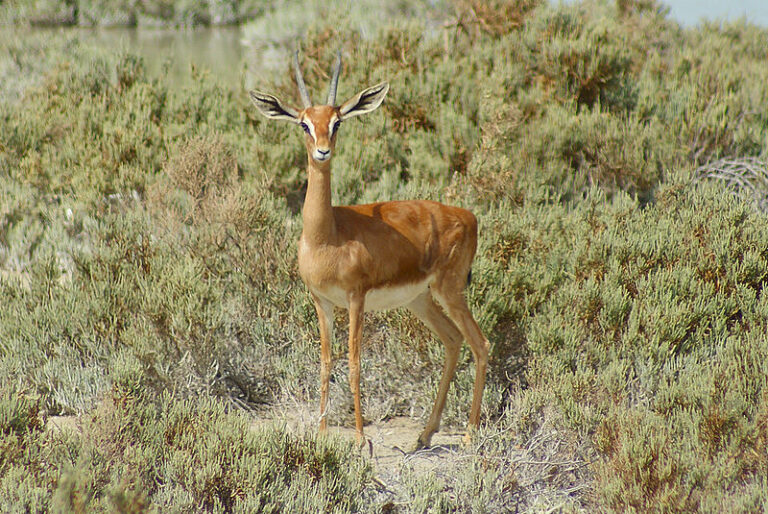
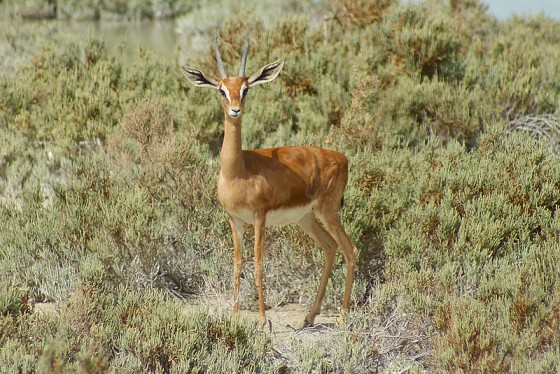
Judean Hills WineriesThis mountain gazelle can be seriously injured or killed if it tries to reached fenced in vineyards in Israel’s Judean Hills. Wineries like Barkan are “open” to solutions, but not at their expense.

Israeli wildlife are already threatened by illegal hunting and development projects that result in a lack of available land for animals to roam in. Now, according to Haaretz, they face being snared by fencing placed by wine vineyard growers in the Judean Hills near Jerusalem.

Book Review: The Feast Nearby by Robin Mather

4

image-the-feast-nearbyLocavore life on an almost invisible budget.

Robin Mather has over 30 year’s experience working as a journalist with a passion for the truth behind food production. And she lets nothing get in her way.  The head of Michigan’s largest dairy co-op once told her,

“Young lady, if you write about rBST (a GMO hormone given to cows), I will have you killed.”

She did write about the dairy industry’s use of rBST. The newspaper she worked for took the threat so seriously that they hired her a bodyguard for two months after publishing the article. *

Bookstores are full of memoirs with recipes these days, but The Feast Nearby is much more than a good read with some recipes to earmark. It’s the story of the author’s triumphant emergence from  personal hardship – burying a marriage and losing a job in the same week – to a fulfilled new life.  The amazing thing is that this new life is based on a locavore existence with a budget of $40 a week. (See another book review on the topic of locavore living.)

What do LED lights do to our biological clocks?

7

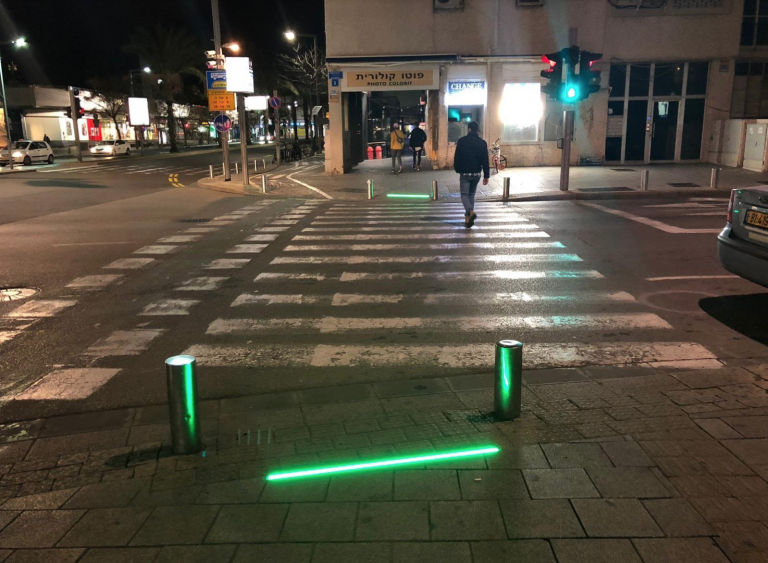
light bulbs For the first time scientists examined melatonin suppression in a various types of light bulbs, primarily those used for outdoor illumination, such as streetlights, road lighting, mall lighting and the like.

Just as IKEA stops selling incandescent bulbs in Israel, a new study that illuminates some unknown health effects of newer environmentally friendly LED lights – effects that might help us know more about lighting and cancer.

Exposure to the light of white LED bulbs, it turns out, suppresses melatonin five times more than exposure to the outdoor lights filled with high pressure sodium bulbs that give off an orange-yellow light. “Just as there are regulations and standards for ‘classic’ pollutants, there should also be regulations and rules for the pollution stemming from artificial light at night,” says Prof. Abraham Haim of the University of Haifa who is following the effects of cancer and artificial lights at night.

A 2021 study found that lights at night doesn’t only mess with us but it’s probably ravaging the entire animal world that lives near us. Crickets have lost their sense of timing, and ability to mate, beetles can’t find the Milky Way, and sea turtles

Melatonin is a compound that adjusts our biological clock and is known for its anti-oxidant and anti-cancerous properties. The study investigated the influence of different types of bulbs on “light pollution” and the suppression of melatonin, with the researchers recommending several steps that should be taken to balance the need to save energy and protecting public health.

The fact that “white” artificial light (which is actually blue light on the spectrum, emitted at wavelengths of between 440-500 nanometers) suppresses the production of melatonin in the brain’s pineal gland is already known.

Also known is the fact that suppressing the production of melatonin, which is responsible, among other things, for the regulation of our biological clock, causes behavior disruptions and health problems.

In this study, conducted by astronomers, physicists and biologists from ISTIL- Light Pollution Science and Technology Institute in Italy, the National Geophysical Data Center in Boulder, Colorado, and the University of Haifa, researchers for the first time examined the differences in melatonin suppression in a various types of light bulbs, primarily those used for outdoor illumination, such as streetlights, road lighting, mall lighting and the like.

In the first, analytical part of the study, the researchers, relying on various data, calculated the wavelength and energy output of bulbs that are generally used for outdoor lighting. Next, they compared that information with existing research regarding melatonin suppression to determine the melatonin suppression level of each bulb type.

Taking into account the necessity for artificial lighting in cities, as well as the importance of energy-saving bulbs, the research team took as a reference point the level of melatonin suppression by a high-pressure sodium (HPS) bulb, a bulb that gives off orange-yellow light and is often used for street and road lighting, and compared the data from the other bulbs to that one.

From this comparison it emerged that the metal halide bulb, which gives off a white light and is used for stadium lighting, among other uses, suppresses melatonin at a rate more than 3 times greater than the HPS bulb, while the light-emitting diode (LED) bulb, which also gives off a white light, suppresses melatonin at a rate more than 5 times higher than the HPS bulb.

“The current migration from the now widely used sodium lamps to white lamps will increase melatonin suppression in humans and animals,” the researchers say.

The researchers make some concrete suggestions that could alter the situation without throwing our world into total darkness, but first and foremost, they assert that it is necessary to understand that artificial light creates “light pollution” that ought to be addressed in the realms of regulation and legislation.

White light limits

Their first suggestion of course, is to limit the use of “white” light to those instances where it is absolutely necessary. Another suggestion is to adjust lampposts so that their light is not directed beyond the horizon, which would significantly reduce light pollution.

They also advise against “over-lighting”, using only the amount of light needed for a task, and, of course, to simply turn off lighting when not in use – “Just like we all turn off the light when we leave the room. This is the first and primary way to save energy,” the researchers say.

“Most Italian regions have legislations to lower the impact of light pollution, but they still lack a regulation on the spectrum emitted by lamps. Unless legislation is updated soon, with the current trend toward sources as white LEDs, which emit a huge amount of blue light, we will enter a period of elevated negative effects of light at night on human health and environment. Lamp manufacturers cannot claim that they don’t know about the consequences of artificial light at night,” says Dr. Fabio Falchi of ISTIL.

“As a first step in Israel, for example, the Standards Institution of Israel should obligate bulb importers to state clearly on their packaging what wavelengths are produced by each bulb. If wavelength indeed influences melatonin production, this is information that needs to be brought to the public’s attention, so consumers can decide whether to buy this lighting or not,” Prof. Haim says.

Cave Discovery in Lebanon Could Boost Jeita Grotto’s 7 Natural Wonder Campaign

3

7 Natural Wonders of the World, conservation, Jeita Grotto, LebanonJeita Grotto in Lebanon is one of three Middle Eastern finalists in the 7 Natural Wonders of the World Campaign. Can a new cave boost its candidacy?

Speleologists first detected a new cave at Jeita Grotto in 2004. A popular tourist destination and Lebanon’s national symbol, the existing 9km long network of karstic limestone caves smack dab in the middle of Lebanon are among three Middle Eastern destinations campaigning to become one of the 7 Natural Wonders of the World. Others include Bu Tinah Island in the United Arab Emirates and the Dead Sea, which is dead in more ways than one, and there are a total of 28 finalists worldwide.

Michael Tsinovsky Puts Arabic Into Israel’s Melting Pot

3

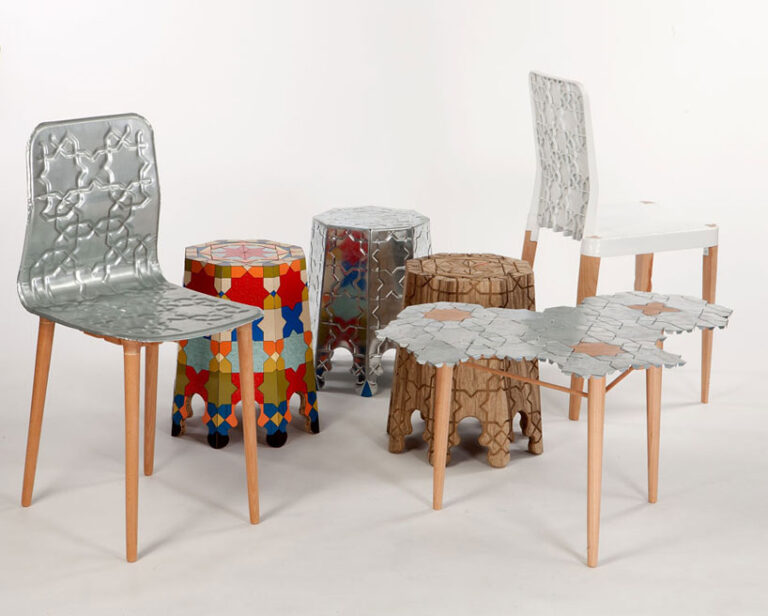
 Michael TsinovskyIndustrial designer Michael Tsinovsky brought together Israel’s many local styles in his ‘asli’ furniture design.

When it comes to consumerism, local is almost always better for the environment and for the local economy.  Local is better when you’re buying produce at the farmer’s market, when you’re supporting local artisans and craftsmen, and when you’re purchasing local design.  But what do you do if you come from a ‘melting pot’ country like Israel, where there are multiple forms of local design?  Industrial designer Michael Tsinovsky’s solution, presented in the ‘asli’ furniture line above, was to combine them all in a hybrid of various techniques, styles, and functions and create a coexistence of local.

 Michael TsinovskyThe word ‘asli’ means genuine and pure-bred in Arabic, and is used here to signify a return to local aesthetic roots.

In explaining his project further, Tsinovsky explained that his ‘asli’ line was representative of “a young country without a long tradition of arts & crafts and industrial design, that tries to be European in the center of the Middle East.  This study case was designed through a glance at the local making cultures, from Arabic carpets and Arabesques, through the German carpenters that immigrated in the 50s and up to the biggest industry in the country ‘Keter Plast’ – plastic injected furniture, through the cultural mix between the people that gathered from all around the Diaspora and formed the ‘melting pot’ of the Israeli society.”

"middle eastern chair"This idea is perhaps best demonstrated in the chair above, where German carpentry is used to create Arabesque ornament, or in the stool above which has a similar play on techniques.

Tsinovsky’s furniture was recently exhibited at the Thinking Hands exhibition in Milan of work by designers from the Bezalel Academy of Arts and Design, alongside Galit Begas’ plastic bag shoes and Nitsan Debbi’s glass-blown PET plastic bottles.

::Design Milk

Read more about locally-focused designers:
Zolaykha Sherzad Resurrects Traditional Afghan Crafts via Modern Fashion Design
Guy Lougashi Weaves Together Baskets and People with Recycled Paper
Interview with Egyptian Eco-Fashion Designer Nadia Nour

Jordan To Host International Permaculture Conference

0

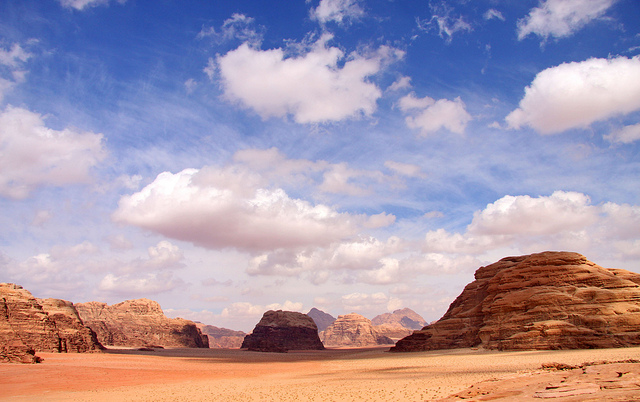
jordan desert permaculture wadi rum imageGreen-fingered activists will be flocking to Jordan to attend the tenth International Permaculture Conference this September
The bustling city of Amman and sweeping red sands of Wadi Rum in Jordan will be hosting the International Permaculture conference this month. The theme of the event is ‘Plan Jordan – Water’ which is rather apt considering that desertification and water scarcity is an issue which the entire Middle East is struggling with.

As well as a professional two-week course on Permaculture, there will be a conference open to the public and a 3-day event for Permaculture specialists to deal with the theme of the conference. Tours will be running from the 23rd of September visiting sites such as Petra and the Jordan Valley Permaculture Project.

Saudis Again Refute BBCs Claims of Arsenic-Contaminated Zamzam Water

1

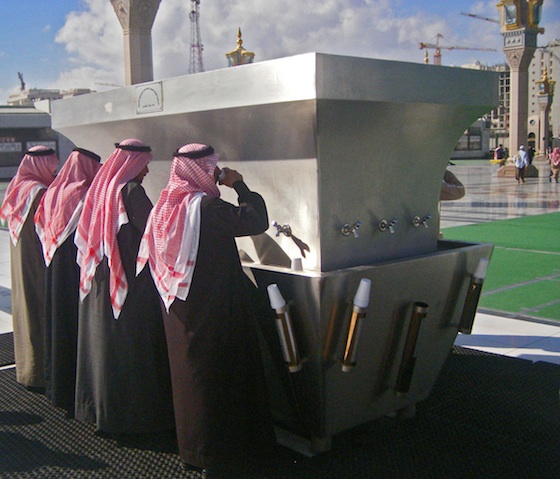
zam zam water saudi arabiaMore questions than answers in new Saudi refutation of BBCs slam on its holy waters

In May, we covered the BBC claim that imported Zamzam holy waters from a sacred well at Mecca being sold in some Muslim bookshops in London was  contaminated with dangerous levels of arsenic.

Association of Public Analysts President Dr Duncan Campbell was quoted as saying “The water is poisonous, particularly because of the high levels of arsenic, which is carcinogen. [sic] I would not recommend drinking this water.”

But is the Saudi government getting a bum rap on the safety of its holy water? 

Haley Barbour’s Red State Pays $100 Million to Israeli Biofuel Co for CleanTech

0

tornado wood americaClimate change hits America’s Red States hard – but there’s plenty of wood waste there for clean biofuel energy production – that could head off even worse climate change

Politicians in America’s Southern Red States are notorious for decrying clean Renewable Energy Standards on the grounds that they have no solar or wind resources, and so they would be completely unable to meet mandates such as have been passed in all the Blue States.

In some cases, their response is as peeved as if they believe that the RES is a deliberate mechanism designed to disadvantage them, the way they think that Al Gore or the UN is out to get them in some way too.

Leaving aside the question of their supposed lack of wind and solar potential (cloudy northern New Jersey is number two in the nation in solar installations, despite much less sun than the Southern states) what the South has is trees. Lots of trees. And clean energy can be made from trees. Wood waste. And Israeli companies are in the forefront of turning wood chips into cellulosic sugars.

But now Israel’s HCL Cleantech Inc has been offered $100 million to build four plants in Mississippi to turn wood waste into sugars. According to local media, these cellulosic sugars from waste wood will be used to bulk up pet foods, lubricants and cosmetics.

But here’s what’s interesting…. The HCL Cleantech Inc website clearly positions itself as a clean energy producer.

CO2 Emissions In Middle East to Double In 30 Years

0

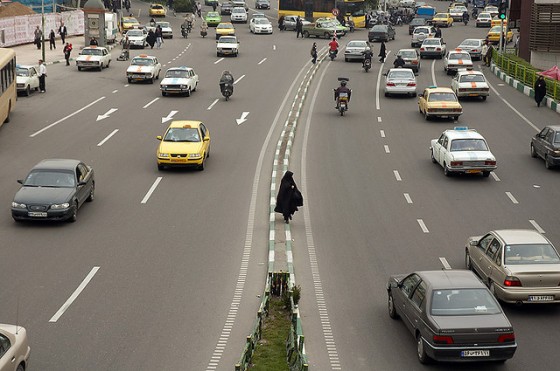
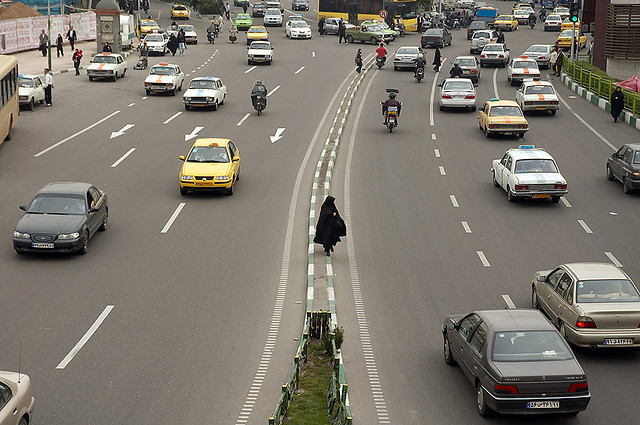
robed arab woman crossing road imageOver the last thirty years, carbon emissions in North Africa and the Middle East (MENA) have doubled with citizens in the Gulf states producing up to 10 times the amount of CO2 as the average global citizen
Awareness of the dangers of climate change may be on the increase in the Middle East but action to bring down the amount of C02 that is warming the planet sadly isn’t. According to recent study into the carbon emissions of the region over the last thirty years, the only direction that carbon emissions are going is up- and drastically. Carboun, the organisation that brought us the handy infographics (information as a graphic) on water use in the region and also the carbon emissions of countries in MENA, has published a report which found that whilst world average emissions per capita have stabilised, the carbon footprint of the Middle East and North Africa has doubled.

IKEA Israel Stops Selling Incandescent Bulbs

2

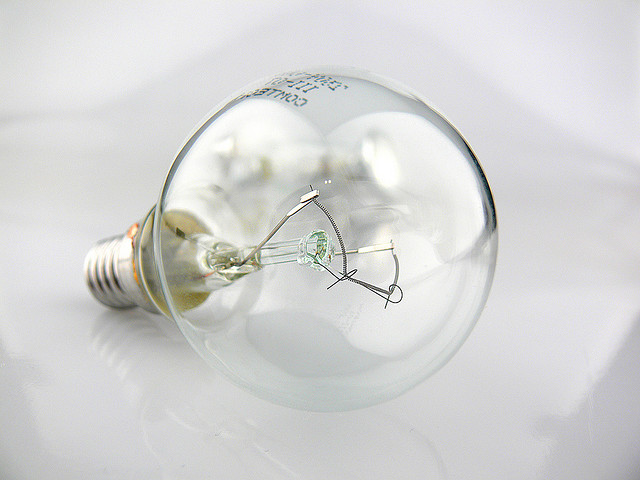
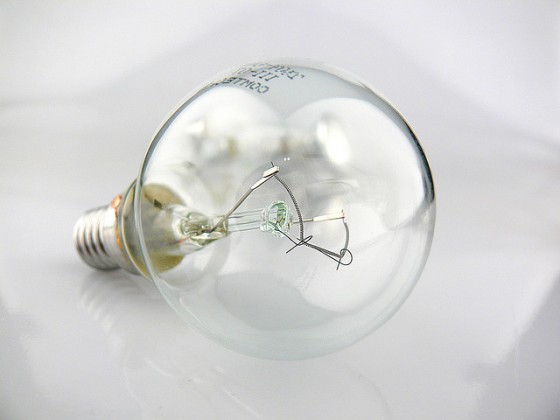
ikea incandescent bulb imageThere may be a lot of things that IKEA is doing wrong for the environment, but ceasing to sell incandescent bulbs isn’t one of them.

Swedish furniture superstore IKEA has gotten into environmental trouble over lots of things, and at first some of the local Israeli population protested IKEA’s entrance into the market.  The company does not exactly espouse sustainable furniture design, with its inexpensive and intended-to-be-disposable furniture.  Even if it has increased design awareness in Israel, it continues to offer a cheap, easy alternative to more sustainable and eco-friendly home furnishings.  The company’s most recent move may somewhat redeem it in the eyes of environmentalists, though – IKEA Israel has become the country’s first retailer to discontinue sale of incandescent light bulbs.