Home Blog Page 39

Philippe Starck’s Floating Mansion: The Hollow Spectacle of Modern Architecture

0
Philippe Starck, floating mansion, modern architecture, surreal building, luxury hotel, metal-clad tower, architectural whimsy, design spectacle, contemporary construction, urban skyline
A surreal architectural structure featuring a 19th-century-style mansion perched atop a modern, monolithic skyscraper. The juxtaposition of old-world elegance and stark minimalism highlights the absurdity of contemporary design trends.

The modern architectural world has become so absurd, so self-referential, that we are now finding whimsy in a grotesque pastiche of a mansion hoisted onto a soulless skyscraper—rather than restoring the very real, crumbling mansions that lie abandoned in the European countryside. This is art eating itself, an ouroboros of design where irony and spectacle matter more than substance or authenticity.

Philippe Starck interior, luxury mansion, whimsical design, surreal architecture, eclectic decor, 19th-century style, design spectacle, architectural contrast, floating house, hotel interiors
A conceptual rendering of Manfred Heler’s mansion being lifted into the sky, as if a giant cookie-cutter extracted it from the landscape. This fantastical scene captures the surreal narrative used to justify the bizarre architectural creation.

Philippe Starck’s latest creation, a fictionalized 19th-century mansion perched atop a nine-story tower, exemplifies this decay of meaning. The hotel in Metz, France clad entirely in metal, is presented as a fantastical tale:

“Manfred Heler has inherited his parents’ beautiful house,” explained Starck. “As an orphan, he finds himself all alone, in this mansion surrounded by a large park. Everything’s going well for him, until he starts to get bored.”

The interior of the mansion atop the tower, showcasing opulent 19th-century-inspired decor with whimsical objects like crystal hammers and inverted rocking chairs. The contrast between historical grandeur and artificial whimsy embodies modern architecture’s self-referential excess.

And so, like modern architecture itself, Heler’s boredom spurs him into excess. He does not restore, he does not root himself in the land—he invents. The mansion, a relic of aristocratic Europe, is yanked from the earth and mounted atop a monolithic tower, as if a cruel god had taken a cookie-cutter to the landscape and willed it skyward.

“He climbs and climbs and climbs, until the shaking stops,” Starck describes. “Then there’s silence. Manfred is high above the city. His house has been extruded.”

This surrealist vision is the perfect metaphor for contemporary sustainable architecture, which prides itself on innovation but often leaves genuine preservation behind. Instead of rehabilitating historic estates, we spend millions constructing imitations in unnatural settings, stripping them of their purpose and transforming them into profitable, sterilized attractions. This is not conservation. This is spectacle.

 Philippe Starck interior, luxury mansion, whimsical design, surreal architecture, eclectic decor, 19th-century style, design spectacle, architectural contrast, floating house, hotel interiors

And what lies below, beneath this folly-in-the-sky? A cold, utilitarian tower with 104 spartan suites. “Stripped of any superficiality,” says Starck, as if modern minimalism is the necessary antidote to the whimsy of the mansion above. Concrete, stark white walls, and industrial elements form a dull contrast to the theatrical excess above. If the mansion is a dream of the past, the tower is the nightmare of the present: soulless, efficient, lacking any sense of history or romance.

Meanwhile, real mansions in the European countryside crumble. Their grand halls sit empty, their gardens overgrown, their histories fading into oblivion. Instead of revitalizing these structures—preserving their materials, their craftsmanship, their connection to the land—we fabricate their ghosts and pin them onto the skyline like trophies. This is what modern architecture calls progress.

The perception of numerous abandoned châteaux in France is partly influenced by the visibility of certain iconic ruins. Notable examples include Château de la Mothe-Chandeniers: Located in Les Trois-Moutiers, this 13th-century castle fell into ruin after a fire in 1932. In 2017, a crowdfunding campaign successfully raised funds to purchase and begin preserving the structure.

Château Burrus: Situated in Sainte-Croix-aux-Mines, this neo-baroque château was built in 1900 as the family home of tobacco magnate Maurice Burrus. After changing ownership and periods of abandonment, it was purchased in 2022 by a family committed to its renovation.

There are an estimated 3 million abandoned homes in France according to Insee, the French national statistics office.

Perhaps the most fitting element of this entire spectacle is Heler himself, this imagined Renaissance man who, in his boredom, creates without meaning. “An extraordinarily rigorous and inventive man, he doesn’t necessarily succeed in everything he undertakes, but it’s always done with intelligence and poetry, guided by a naive desire to create meticulously at all costs.”

 Philippe Starck interior, luxury mansion, whimsical design, surreal architecture, eclectic decor, 19th-century style, design spectacle, architectural contrast, floating house, hotel interiors

In that, he is the perfect patron saint of modern architecture—meticulous, inventive, and tragically misguided. He builds because he can, not because he should. And in doing so, he becomes the very thing he sought to escape: a prisoner of his own creation, high above the real world, detached from the land and the history beneath him.

This is the art of our time: consuming itself, applauding its own cleverness, while the true beauty of the past lies forgotten.

Do Tattoos Cause Cancer? What Science Says About the Risks of Modern Ink

0
Our findings suggested that tattoo exposure was associated with an increased risk of malignant lymphoma. More epidemiologic research is urgently needed to establish causality.
Are tattoos the ultimate expression or putting you at risk for lymphoma?

Tattoos have long been a form of self-expression, a way to etch stories, beliefs, and memories onto the skin. But as tattoo culture grows, so do questions about its long-term health effects. Could your ink be doing more than just decorating your body?

Assessing the cancer risk of modern tattoo ink has proven tricky. Unlike cosmetics or pharmaceuticals, tattoo ink isn’t strictly regulated, and its ingredients can vary widely. Some formulas contain heavy metals, industrial pigments, and preservatives that aren’t always meant for use under the skin. You can easily buy tattoo ink on the Internet and you can’t guarantee safety or the source.

tattoo hands
Tattooed hands

Recent studies suggest a possible link between tattoos and certain cancers, including lymphoma and skin cancer, particularly for those with large tattoos. One theory is that tattoo ink triggers a chronic immune response, as the body continuously tries to break down and remove foreign particles similar to women who get breast implants. Or the feeling you have when you have been wearing contact lenses for too long.

A recent study from Sweden and published in the acclaimed medical science journal The Lancet, found a risk: “Our findings suggested that tattoo exposure was associated with an increased risk of malignant lymphoma. More epidemiologic research is urgently needed to establish causality,” the researchers say.

They explained in the study that when ink is injected into the skin, the body’s immune system reacts, causing some of the pigment to travel to lymph nodes. But does this process contribute to lymphoma, a type of blood cancer?

Henna
Henna is an alternative to tattoos

To find out, researchers in Sweden analyzed health records of nearly 12,000 people, comparing those with and without tattoos. They found that people with tattoos had a slightly higher risk of developing lymphoma, especially if they got their first tattoo within the last two years. Interestingly, the risk seemed to drop for people who had tattoos for three to ten years but then increased again for those who had been tattooed for over a decade.

Like microplastics in gum, tampons and aligners, the buildup of foreign things our bodies don’t want puts pressure on our immune system. A weakened immune system lowers the defense against cancer cells constantly circulating in the blood.

In another study, researchers also found a link with the greatest incidence of skin cancer associated with red ink.

But before you start regretting your ink, scientists caution that the research is still in its early stages. Much larger studies are needed to determine the long-term problems.

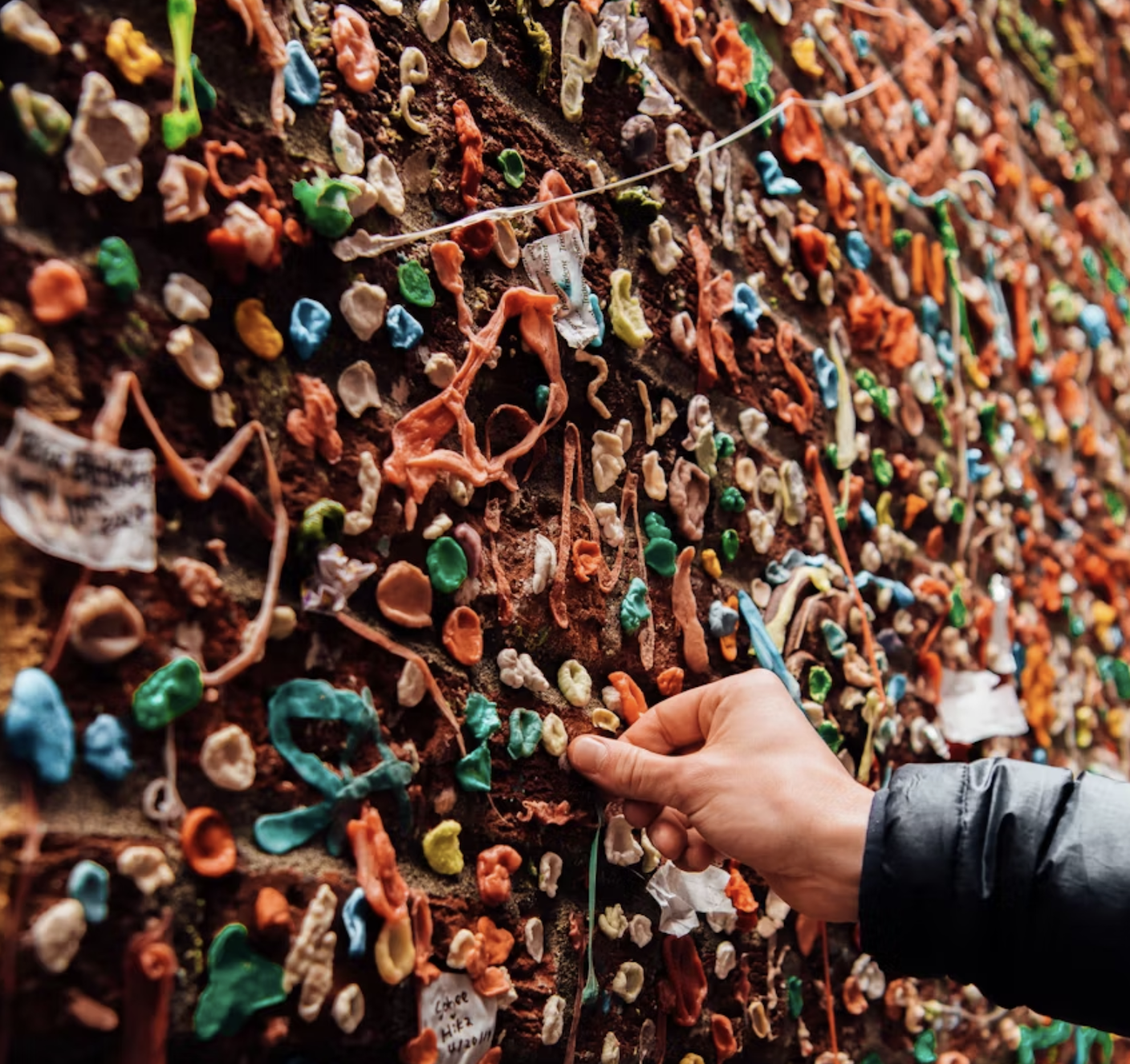
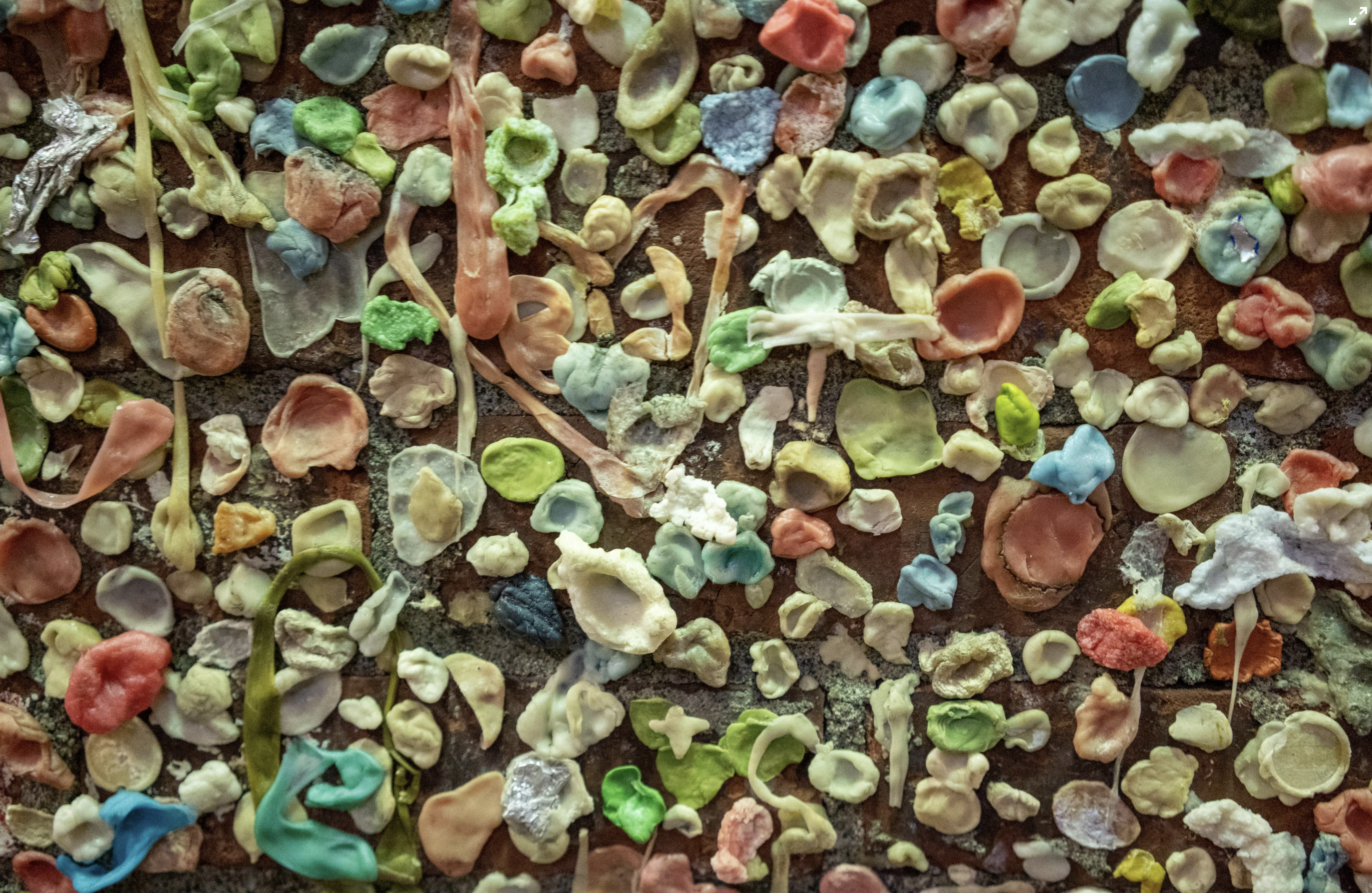
Chewing gum releases thousands of bits of microplastics in your mouth

0
chewing gum pieces, microplastics in gum, synthetic gum, natural gum, saliva with microplastics, plastic particles in saliva, chewing gum research, microplastic contamination, UCLA research on gum, microplastics released from gum, gum base made from plastic, plastic in everyday products, environmental impact of gum, lab research on chewing gum, microplastics from synthetic products, plastic pollution and health risks, people chewing gum with plastic particles
Microplastics are in your gum

Plastic is everywhere. It’s in the things we use daily—cutting boards, clothing, cleaning sponges—and now, it seems, it’s even in the gum we chew. As the presence of microplastics in our environment grows, researchers are starting to investigate the potential impact of plastic particles on our health. In a pilot study, researchers revealed that chewing gum—both natural and synthetic—can release hundreds to thousands of microplastics into saliva, which could eventually be ingested. But what does this mean for us, and how did we get here?

Microplastics are tiny plastic particles, typically less than five millimeters in diameter, that can enter the body through ingestion or inhalation. These particles are found in numerous everyday products, from teeth aligners, to toothbrushes and toothpaste to tampons, sleep retainers, and even implants. Recent research suggests that these microplastics may have adverse effects on human health, but the science is still in its early stages.

In 2025, a pilot study on chewing gum presented at the American Chemical Society (ACS) Spring Meeting unveiled troubling findings. Researchers discovered that both natural and synthetic chewing gum released microplastics into saliva, potentially contributing to the growing ingestion of microplastics by humans.

“Our goal is not to alarm anybody,” says Sanjay Mohanty, principal investigator and UCLA engineering professor. “Scientists don’t know if microplastics are unsafe to us or not. There are no human trials. But we know we are exposed to plastics in everyday life, and that’s what we wanted to examine here.”

While animal studies and studies with human cells suggest microplastics could cause harm, definitive answers on their impact on human health remain elusive. However, this study raises an important question: if we are unknowingly ingesting microplastics from products like gum, what are the cumulative effects on our bodies?

The amount of microplastics in chewing gum may seem small at first, but consider the numbers: an average person chews 160 to 180 pieces of gum per year. With each piece potentially releasing up to 3,000 microplastic particles, this could lead to the ingestion of tens of thousands of plastic particles each year. While the full health implications are still unknown, reducing exposure to microplastics is something experts agree is important.

The Rise of Plastic Gum: A Transition from Natural to Synthetic

chewing gum pieces, microplastics in gum, synthetic gum, natural gum, saliva with microplastics, plastic particles in saliva, chewing gum research, microplastic contamination, UCLA research on gum, microplastics released from gum, gum base made from plastic, plastic in everyday products, environmental impact of gum, lab research on chewing gum, microplastics from synthetic products, plastic pollution and health risks, people chewing gum with plastic particles

“Our initial hypothesis was that the synthetic gums would have a lot more microplastics because the base is a type of plastic,” says Lowe, who started the project as an undergraduate intern at UCLA and the presenter of this research. The researchers tested five brands of synthetic gum and five brands of natural gum, all of which are commercially available.

Mohanty says they wanted to reduce the human factor of varied chewing patterns and saliva, so they had seven pieces from each brand all chewed by one person. In the lab, the person chewed the piece of gum for 4 minutes, producing samples of saliva every 30 seconds, then a final mouth rinse with clean water, all of which got combined into a single sample.

In another experiment, saliva samples were collected periodically over 20 minutes to look at the release rate of microplastics from each piece of gum. Then, the researchers measured the number of microplastics present in each saliva sample. Plastic particles were either stained red and counted under a microscope or analyzed by Fourier-transform infrared spectroscopy, which also provided the polymer composition.

Lowe measured an average of 100 microplastics released per gram of gum, though some individual gum pieces released as many as 600 microplastics per gram. A typical piece of gum weighs between 2 and 6 grams, meaning a large piece of gum could release up to 3,000 plastic particles.

If the average person chews 160 to 180 small sticks of gum per year, the researchers estimated that could result in the ingestion of around 30,000 microplastics. If the average person consumes tens of thousands of microplastics per year, gum chewing could greatly increase the ingested amount.

“Surprisingly, both synthetic and natural gums had similar amounts of microplastics released when we chewed them,” says Lowe. And they also contained the same polymers: polyolefins, polyethylene terephthalates, polyacrylamides and polystyrenes. The most abundant polymers for both types of gum were polyolefins, a group of plastics that includes polyethylene and polypropylene.

The history of gum

To understand the shift to plastic in chewing gum, we need to take a step back in history. Chewing gum, once made from natural tree sap, has a long history. Indigenous cultures in North America chewed sap from trees like the spruce, and the Mayans chewed a substance called chicle, derived from the sap of the sapodilla tree, as early as the 19th century. Chicle was prized for its chewiness, and for many years, it served as the base for gum products.

The 20th century, however, brought about a shift. The development of synthetic rubber during World War II led to the replacement of natural tree sap with petroleum-based materials. In 1928, the Wrigley Company began using synthetic gum bases, which are made from plastic compounds such as polyolefins, polyethylene, and polypropylene. These materials, while cheaper and more easily mass-produced, are not biodegradable, unlike the natural ingredients used in traditional gum.

The transition to plastic gum base was largely driven by convenience, cost-effectiveness, and the ability to make longer-lasting products. However, the shift from natural to synthetic has raised questions about the potential health risks of long-term exposure to microplastics. “We were transitioning to a world of convenience,” says Dr. Jessica Lee, an environmental scientist at the University of Colorado. “But that convenience came at the cost of environmental and health considerations.”

Synthetic gum bases release microplastics during chewing, as found in the recent UCLA study, but even natural gum, once considered an eco-friendly option, releases similar plastic particles. These findings raise concerns about how much plastic we are unknowingly consuming through everyday products like gum.

A Future of Microplastics: What Can We Do?

chewing gum pieces, microplastics in gum, synthetic gum, natural gum, saliva with microplastics, plastic particles in saliva, chewing gum research, microplastic contamination, UCLA research on gum, microplastics released from gum, gum base made from plastic, plastic in everyday products, environmental impact of gum, lab research on chewing gum, microplastics from synthetic products, plastic pollution and health risks, people chewing gum with plastic particles

The study on microplastics in gum is just one example of the growing presence of plastic in our lives. From dental aligners and toothbrushes to sleep retainers and even microplastics coming out of your tampons, microplastics are increasingly being found in products we rely on for daily hygiene and comfort. Research on the effects of these particles is still in its early stages, but scientists are increasingly concerned about their long-term impact on human health and the environment.

As we wait for more conclusive data, researchers like Mohanty and Lowe urge individuals to take proactive steps to reduce their exposure to microplastics. “If people want to reduce their potential exposure to microplastics from gum,” Lowe suggests, “they can chew one piece longer instead of popping in a new one.”

Beyond personal choices, this research highlights the importance of addressing plastic pollution at the manufacturing level. “The plastic released into saliva is a small fraction of the plastic that’s in the gum,” Mohanty concludes. “So, be mindful about the environment and don’t just throw it outside or stick it to a gum wall.”

Proper disposal of gum and other plastic products can help reduce their environmental impact, but ultimately, more research is needed to understand the full scope of how microplastics affect our health.

From the Ka and Ba to the Ka’bah – A Universal Path of Unity and Sustainability

The Kabba in Saudi Arabia surrounded by a throng of people

In a world that is becoming increasingly aware of the need for spiritual growth alongside ecological sustainability, many of us are drawn to ancient wisdoms that transcend time, culture, and religion. One of the most profound revelations is how spiritual concepts across different cultures and traditions share common threads that emphasize unity, interconnectedness, and balance. Today, we’ll explore the intriguing connections between Ka and Ba from Egyptian mysticism, Merkabah mysticism in Kabbalah, and the Ka’bah in Saudi Arabia, and how these ancient ideas may hold valuable lessons for a sustainable future.

The Ka and Ba: The Soul’s Journey in Ancient Egypt

In ancient Egyptian spirituality, the Ka and Ba were two aspects of the human soul. The Ka was considered the life force, the essential energy that flows through all living beings. It represented vitality and the essence of being. The Ba, on the other hand, was thought to be the personality and the soul’s ability to transcend the physical realm, allowing one to journey between worlds.

Together, the Ka and Ba formed the complete soul — the eternal, divine essence of the individual that connects to the cosmos. This union symbolized the journey of the soul towards spiritual ascension, where the individual becomes one with the divine and the universe. In a modern context, we could interpret the Ka and Ba as symbolic of the balance between mind and spirit, the physical and the spiritual — a harmony that is increasingly necessary in today’s world if we are to achieve sustainable living and holistic growth.

The Ka’bah: A Sacred Center of Unity

Ka and Ba in Egyptian hieroglyphics

Fast forward thousands of years to the Ka’bah in Mecca, Saudi Arabia, one of the most sacred sites in Islam. Pilgrims from around the world visit the Ka’bah as part of the Hajj pilgrimage, a physical journey of spiritual significance. The Ka’bah is considered the metaphysical center of the universe, symbolizing the unification of all believers with the divine. Each circle made by pilgrims around the Ka’bah represents a symbolic return to the core, a reconnection to the divine source, and a reaffirmation of the interconnectedness of all things.

While it may seem far removed from ancient Egyptian ideas, the Ka’bah shares a similar theme: the Ka as the life force, and the soul’s journey toward unity with the divine. In this sense, the Ka’bah acts as a sacred, grounding point where the physical and spiritual realms meet — a place of transcendence and connection that draws people from all walks of life to experience unity with the cosmos.

Merkabah Mysticism: Divine Ascension and Sacred Geometry

The Merkabah mysticism of Kabbalah further deepens the connection between these ancient ideas. Rooted in Jewish spiritual teachings, Merkabah mysticism speaks of a divine throne chariot that connects the physical world to the divine realm. Through intense meditation and spiritual practice, the soul can ascend through various levels of consciousness, ultimately reaching a state of divine unity and enlightenment.

At the heart of Merkabah mysticism is the idea of spiritual ascent and purification. In many ways, this concept mirrors the ancient Egyptian belief in the union of the Ka and Ba. It also shares a resonance with the symbolism of the Ka’bah as a point of spiritual convergence. All these traditions emphasize a journey of personal transformation — a movement from individual consciousness to universal, divine awareness.

Additionally, the concept of sacred geometry in Merkabah mysticism and the Ka’bah shares an intriguing connection. Sacred geometry reveals that the universe operates according to certain principles of order, balance, and harmony. The shape of the Ka’bah itself, a cube, can be interpreted through the lens of sacred geometry as a symbol of unity and balance, reflecting the harmonious interconnectedness of all life.

So, what do these spiritual concepts mean for us today? In a time when sustainability and interconnectedness are paramount, these ancient teachings offer profound insights. They remind us that the physical world and the spiritual world are not separate, but deeply intertwined. Just as the Ka and Ba unite to form the complete soul, so too must we integrate our spiritual values with our actions in the physical world, particularly when it comes to caring for our planet.

The Ka’bah, as a central point of unity, teaches us that the world is interconnected — every action we take has a ripple effect. As we seek balance and harmony in our personal and collective lives, we also need to foster a sense of connection with nature, recognizing that we are part of a larger web of life. Just as the Ka and Ba reflect the union of life force and personality, our approach to sustainability must unite the needs of people with the health of the Earth.

Recipe: Make Your Own Delicious Turkey Jerky

0

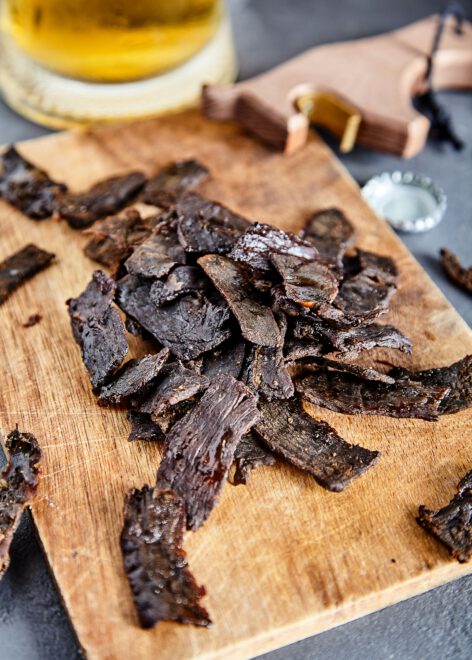
jerky

Jerky, a favorite protein snack. Convenient to take on a hike, a camping trip, or just a grab-and-go bite when you’re in a hurry. Great to have on hand when tired, hungry kids start whining but the next meal is a still a way down the road.  But unless you make your own, it’s expensive.

In the spirit of preserving meat and saving money, we offer this recipe for making jerky at home (we discussed freezing meat in this post). You can use a dehydrator, oven-dry the meat. Instructions for both are below.

What meat makes good jerky? A glance at Wikipedia’s article on jerky teaches us that jerky’s made from a surprising variety of meats. People tend to preserve what’s abundant now for eating later, so let’s see what meat you can get in your area….

“Jerky from domesticated animals includes beef, pork, goat and mutton or lamb and game animals such as deer, kudu, springbok, kangaroo, and bison are also used. Recently, other animals such as turkey, ostrich, salmon, chicken, duck, goose, shrimps, oxen, squids, octopuses, alligator, pigeon, crocodile, tuna, emu, horse, camel, lion, bear, snake and earthworm have entered the market.”

While I’m willing to imagine kangaroo, alligator and even octopus jerky – which would involve a lot of processing – I don’t really see snake and earthworm in my pantry, no matter how marinated, dehydrated, and combobulated.

Luckily, standard ground meat makes great jerky, and without great complications. Let’s go with ground turkey, as an inexpensive and healthy alternative to the commercial stuff. Ground beef works here too if you prefer .Just make sure that your hamburger contains no more than 10% fat. More, and the jerky will be greasy, and spoil fast.

Ground meat jerky’s texture is softer, less leathery than the cellophane-wrapped product you buy. And since you’re making it yourself, you control the flavors. I suggest making jerky once by the recipe below, then play around with the seasonings next time.

Make Your Own Ground Turkey Jerky

A recipe for a delicious, healthy protein snack

  • Dehydrator or conventional ovenn
  • 1 lemon (zested and juiced)
  • 2 tablespoons onion (grated)
  • 1 tablespoon soy sauce (or tamari)
  • 1 tablespoon Worcestershire sauce
  • 1 tablespoon sugar
  • 1 tablespoon olive oil
  • 2 teaspoons sweet paprika
  • 1 clove garlic (grated)
  • 1 teaspoon salt (or to taste)
  • 1 teaspoon ground black pepper
  • 1/2 teaspoon Liquid Smoke (optional)
  • 1/8 teaspoon cayenne pepper (optional)
  • 1 pound ground turkey (or hamburger)
Snack
American
High-Protein, Preserved Food, Recipe

How To Make Ground Turkey Jerky

Keep the ground turkey meat chilled until you are ready to use it.
In a large bowl, mix together lemon juice and zest, onion, soy sauce, Worcestershire sauce, sugar, olive oil, paprika, garlic, salt, pepper and optional liquid smoke and cayenne pepper.
Add the ground turkey and combine well, kneading the mass with clean, gloved hands.
Refrigerate the seasoned meat for 1 hour.
Lay out a sheet of waxed or parchment paper on a work surface. Scoop about 1/4 of the jerky mixture onto it.
Put a second sheet of waxed or parchment paper on top and roll it out to a thickness of 1/4 – 1/8 inch.
Remove the top sheet of waxed or parchment paper. Put one of the dehydrator trays on top of the jerky and flip it over, thus transferring the jerky to the dehydrator tray.
Remove the remaining sheet of waxed or parchment paper.
Patch any holes by patting in more raw jerky mixture.
With a knife, draw parallel vertical lines through the mass. You don’t have to separate it into slices; the pieces will easily snap apart after dried.
Dehydrate for 4 to 6 hours at 155 F. Check after four hours.

When Is The Jerky Ready?

The jerky will be fully dried but chewy, not brittle. To try it out, take a piece out of the dehydrator and let it cool completely. You should be able to bend a finished, cooled strip in half without breaking it.
To ensure a safe product, when your jerky seems dried but still chewy, transfer it to baking trays and finish it off in a preheated 275 F oven for 10 minutes. This finishing step in the oven ensures it’s fully cooked to a safe temperature. It cooks the meat but does not replace the lengthier step of drying the meat in the dehydrator.

The Oven Method

Lacking a dehydrator, you can oven-dry the jerky. Roll the seasoned meat out between two sheets of parchment paper. Carefully lift the thin mass onto a baking sheet. Remove the top parchment sheet. Draw parallel vertical lines in the mass with a knife. Heat the meat for 10 minutes at 300°F with the oven door closed. Then turn the temperature down to the oven lowest setting (about 170°F). Prop the door open slightly with a long-handled wooden spoon to allow moisture to escape. Turn the baking tray around at 3 hours’ cooking. It will take 6-8 hours to finish; you’ll simply have to check once in a while.

ground turkey jerky

Storing Jerky

Your turkey jerky must be completely dried and cooled before you package it, to avoid moisture condensing in the packaging, which would cause it to spoil.
Store it in a glass jar or a plastic zip-lock bag (press out all the air you can from the bag).
The jerky will keep at room temperature in a cool dark place for a week, two weeks in the fridge, or 2 months in the freezer.
Vacuum-sealing extends the life of this ground meat jerky by 1 month in a cool dark place, 2 months in the fridge, and 6 months in the freezer.
Once you open your vacuum sealed bag of ground beef jerky, it should be eaten within two days, or a week if refrigerated after opening.

The recipe was adapted from “Preserving Everything” by Leda Meredith, Countryman Press.

More about preserved foods on Green Prophet:

Make preserved, fermented Egyptian lemons for a taste of Sinai VIDEO

RECIPE: Apricot Chutney

How Academic Transcript Translation Affects International Admissions

0
academic translation services, AI
Are you looking to work in cleantech and need your solar engineering degree credits translated into English?

International student enrollment in colleges and universities continues to rise each year. As more students look to study abroad, the need for accurate academic transcript translations is crucial for admissions officers to fairly evaluate international applicants. Proper translations eliminate confusion, provide clarity, and give context to grades and courses from overseas institutions.

The stakes are high, as a spotty translation can derail an applicant’s chances or lead to a mistaken denial. On the other hand, a clear and precise rendering of academic records aids admissions committees in assembling a well-rounded, diverse student body. As the translation industry works to meet demand, both students and universities are finding better ways to handle this indispensable part of the admissions process.

How Transcript Translation Affects Admissions Decisions

Without accurate academic transcript translation, admissions officers face a difficult task evaluating international applicants. They need transcripts that faithfully convey an applicant’s educational background and academic achievements. This requires a clear interpretation of grading scales that vary widely between countries. In particular, how to translate degree classifications is crucial, as different educational systems have distinct ways of assessing academic performance.

Such as, a “70” grade in the U.S. grading system is near failing, but may be considered an “A” grade in other countries. The differences must be taken into account when translations are made so that students can’t be unfairly penalized. At the very least, things like distributions in grading, the examination periods, and credit hours in a course should be clear in the translation.

But proper transcript translation also gives more helpful context to an applicant’s choice of courses, fields of study, and educational milestones. It helps with admissions officers matching student backgrounds to the focus areas of the institution. In addition, it also helps to identify candidates who are most likely to thrive in their programs and campus environments.

Even high-performing students can accidentally submit transcripts that make people wonder, or that do not convey their achievements, without the benefit of accurate translations. But small mistakes can easily cost otherwise brilliant candidates not getting admission, that is, in an extremely competitive world.

Key Players in the Transcript Translation Process

International admissions involve cooperation between applicants, translators, and university admissions staff. Each plays an important role in ensuring applications portray candidates accurately while moving efficiently through the process.

Students provide verifiable academic documents from previous institutions. This includes transcripts, mark sheets, degree certificates, and other supporting documents. Students are best served by working with recognized translation services rather than attempting do-it-yourself translations.

Academic translators possess specialized expertise in conveying discipline-specific content, educational systems, and the cultural nuances embedded in academic language. Trusted translators hold accreditations signifying advanced training and education. They keep current on the evolving grading systems, educational norms, and terminology used around the world.

University admissions officers facilitate evaluation by clearly communicating admissions requirements and priorities for each academic year. They provide grading guidance, watch for red flags, and help guard against fraudulent submissions. Admissions staff play a key role in partnering with qualified translators to ensure institutional standards are met.

Bridging Language and Cultural Gaps

ADHD startups

Academic credentials cross both language and cultural barriers as transcripts make their way from local institutions to overseas universities. Reliable translators adeptly traverse these divides.

Translating services employ professionals fluent in the original language while intimately familiar with norms and standards in the destination country. Top services often assign two linguists to a translation project. The first possesses native-level fluency in the original language and renders an initial translation. The second linguist then reviews it to ensure the adaptation accurately conveys the source material while mirroring accepted practices in the target region.

These services also maintain updated grading references and educational resources from academic systems worldwide. By bridging linguistic and cultural gaps, they empower admissions committees to view students through a localized lens even when applying from overseas.

Technology and Academic Transcript Translation

Advancements in translation technology are also making the process faster and more accurate. Machine translation programs continue to improve, powered by artificial intelligence capable of adapting to new languages and contexts. These tools excel at translating common phrases and standard document formats like academic transcripts.

The best services combine AI capabilities with human expertise to optimize output. Advanced tools identify when machine translation likely falls short and automatically route the content to credentialed linguists to finalize. This allows humans to focus their skills on tackling complex discipline-specific passages unlikely to translate well automatically.

Some platforms provide specialized optical character recognition (OCR) able to scan and convert transcripts into editable electronic documents. This facilitates machine and human translation, reducing delays and costs associated with hard copy transcripts.

These technologies enable more students than ever to access high-quality translation services. By lowering barriers, they support universities in evaluating a broader, more diverse applicant pool drawn from across the globe.

Best Practices for Academic Transcript Translation

office workers, startup wework New York, recycling

Students and universities can take proactive steps to ensure application materials like academic transcripts aren’t lost in translation. By working with trained linguists from the early stages, applicants avoid scrambled translations that fail to convey their academic journeys.

Universities benefit by aligning with certified services that make student evaluation more equitable. When translations provide clarity, admissions officers can concentrate on selecting well-matched candidates most likely to excel at their institutions.

Here are the best practices that enable academic transcripts to bolster study abroad applications:

  1. Start early. Students should request transcripts and coordinate official translation as soon as they decide to apply overseas. Waiting risks delays that can cause students to miss admissions deadlines.
  2. Request multiple copies. Originals should be preserved for student records, while duplicate transcripts go to the translator. Additional copies ensure backup materials are available if translations are unclear or information is missing.
  3. Verify accreditations. Not all translation services are created equal. Students should confirm that linguists hold regional accreditation and specialize in academic translation. Many list these credentials directly on their websites.
  4. Submit translations alongside originals. Universities often require transcripts in both the original language and translated English. Both versions provide helpful reference points for evaluators.
  5. Include contact info with translations. Linguists should provide contact details with finished translations. This allows admissions officers to request clarification or ask follow-up questions if needed.
  6. Choose services with technology. Tech-enabled platforms often produce faster, more accurate translations. Optical character recognition and machine translation also reduce costs that can mount up when translating lengthy documents.

By choosing qualified translation services, students gain peace of mind knowing their academic achievements will not get lost crossing linguistic and cultural boundaries. For qualifying applicants, accurate transcript translation paves the pathway to overseas education.

The Future of Academic Transcript Translation

As more and more of the world’s population gains access to quality secondary education, more of the world’s population will continue applying to international universities. Along with this, translation services will be influenced by various frontiers like machine learning, artificial intelligence, and natural language processing.

Recently, Microsoft announced a breakthrough in machine translation that translated news articles from Chinese to English at the human level. Although AI is targeted at general language models, the same AI is expected to boost efficiency in translating specialized content like academic transcripts.

With increasing demand, faster and cheaper services will be offered as this technology matures. High-stakes assessments such as those needed for university admissions are likely to be handled by combined human and machine approaches. In these cases, initial draft translations are handled by automation and linguists are used for final quality assurance.

And universities will get tools to evaluate candidates in an increasingly global talent pool. OCR, machine translation, and linguistic review of international transcripts leveraged through cloud-based platforms eliminate further reliance for uploading and assessing. Universities are key to the development of future generations of people able to play on the international stage as more global connectivity allows worldwide collaboration.

Ancient Clay Jug with Camel Art Unearthed in Israel’s Yatir Forest

0

ancient history, archaeology, Israel, Yatir Forest, clay jug, camels, Abbasid period, Byzantine period, Islamic history, trade routes, historical artifacts, Jewish National Fund, Israel Antiquities Authority, Negev region, heritage preservation, ancient olive press, historical discoveries, Middle Eastern history, Ben-Gurion University, mosaic floors, ancient synagogue, ship of the desert, historical conservation, excavation sites

They say history repeats itself—but sometimes, it just hides underground, waiting to be rediscovered. Archaeologists digging in Israel’s Yatir Forest have unearthed a rare 1,200-year-old clay jug adorned with images of camels, a reminder of the animal’s central role in trade and transportation centuries ago.

ancient history, archaeology, Israel, Yatir Forest, clay jug, camels, Abbasid period, Byzantine period, Islamic history, trade routes, historical artifacts, Jewish National Fund, Israel Antiquities Authority, Negev region, heritage preservation, ancient olive press, historical discoveries, Middle Eastern history, Ben-Gurion University, mosaic floors, ancient synagogue, ship of the desert, historical conservation, excavation sites

“The depiction of camels on the vessel highlights the importance of the animal, which was a primary means of land transportation around 1,200 years ago,” said researchers from the Israel Antiquities Authority (IAA), who led the excavation.

The discovery was made as part of an effort to make the site more accessible to the public, in an initiative led by the Jewish National Fund-KKL. It’s being presented today (March 27) at the 20th Annual Southern Research Conference at Ben-Gurion University, offering the public a firsthand look at the latest archaeological findings from Israel’s Negev region.

A Window into the Past

ancient history, archaeology, Israel, Yatir Forest, clay jug, camels, Abbasid period, Byzantine period, Islamic history, trade routes, historical artifacts, Jewish National Fund, Israel Antiquities Authority, Negev region, heritage preservation, ancient olive press, historical discoveries, Middle Eastern history, Ben-Gurion University, mosaic floors, ancient synagogue, ship of the desert, historical conservation, excavation sites

The striking red-painted jug was found in a cave that had once been an underground olive press before being repurposed as a dwelling. Researchers believe the cave was in use during the Abbasid period (9th-10th centuries CE), when camels dominated trade routes, helping to move goods across vast distances.

“The fact that the artists chose to depict two camels on the jug underscores their significance during this time. Camels were the backbone of land transport, much like trucks and trains are today,” said Oren Shmueli of the Israel Antiquities Authority.

The site itself, Horvat ‘Anim, is a treasure trove of history. Nearby, archaeologists have uncovered an ancient synagogue from the Byzantine period, complete with mosaic floors, as well as an olive press dating back some 1,300 years. The conservation efforts, spearheaded by the Israel Antiquities Authority, aim to preserve these finds for future generations.

Ancient olive press, ancient history, archaeology, Israel, Yatir Forest, clay jug, camels, Abbasid period, Byzantine period, Islamic history, trade routes, historical artifacts, Jewish National Fund, Israel Antiquities Authority, Negev region, heritage preservation, ancient olive press, historical discoveries, Middle Eastern history, Ben-Gurion University, mosaic floors, ancient synagogue, ship of the desert, historical conservation, excavation sites
Ancient underground olive press

The ‘Ship of the Desert’ Takes Center Stage

The jug’s illustrations tell a fascinating story. It features geometric patterns and depictions of a camel caravan—possibly even an ostrich or donkey—bringing to life a time when the camel was the undisputed king of the road. Unlike earlier Roman and Byzantine periods, when goods were primarily transported by sea, the Islamic era saw camels take center stage as the “ships of the desert.”

ancient history, archaeology, Israel, Yatir Forest, clay jug, camels, Abbasid period, Byzantine period, Islamic history, trade routes, historical artifacts, Jewish National Fund, Israel Antiquities Authority, Negev region, heritage preservation, ancient olive press, historical discoveries, Middle Eastern history, Ben-Gurion University, mosaic floors, ancient synagogue, ship of the desert, historical conservation, excavation sites
Illustration of how the ancient technology worked

“In the Early Islamic period, camels were essential for trade across the empire,” Shmueli explained. “The artwork on this jug reflects their dominant role in everyday life.”

This discovery is more than just an ancient artifact—it’s a link to the past, a piece of the puzzle that helps us understand the lives of those who came before us. Heritage Minister Rabbi Amichai Eliyahu highlighted the importance of such finds, saying, “The Negev holds many layers of history, and each discovery sheds light on another aspect of our past.”

For history buffs, archaeology enthusiasts, and anyone curious about the past, today’s conference at Ben-Gurion University offers a rare chance to hear directly from leading researchers about this and other recent discoveries. As Eli Escusido, Director of the Israel Antiquities Authority, put it: “This is an excellent opportunity to deepen one’s knowledge of the southern region’s past and hear about the latest finds firsthand.”

One thing is certain—whether it’s 1,200 years ago or today, history still has plenty of stories to tell.


The Rise of Algae in Sustainable Business

0

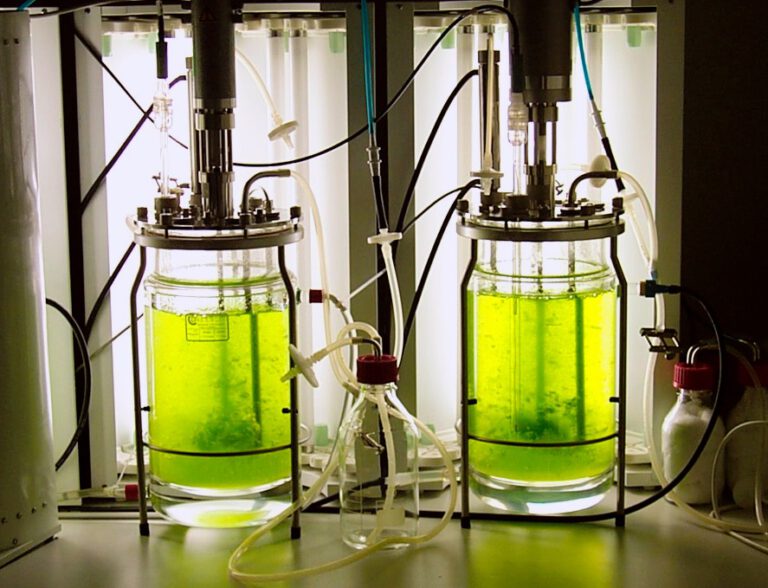
Brevel bioreactor

There is money in the green stuff that grows as slime in your pool. Once dismissed as an unremarkable nuisance, algae is now emerging as a game-changing resource in sustainable industries. From food and nutrition to bioplastics and biofuels, algae is revolutionizing multiple sectors, offering an eco-friendly alternative to conventional products. Breakthroughs in the last decade have propelled microalgae into the mainstream, creating new business opportunities and attracting significant investment.

One such company, Brevel Ltd., a climate food-tech leader, recently secured over US$5 million in a seed extension up-round, bringing total funding to US$25 million. This financial boost enables Brevel to accelerate its market strategy and advance microalgae protein development for food and beverage applications.

Dutch designers Eric Klarenbeek and Maartje Dros. Leave it to the Dutch to be dreamers. They know how to plug away at practical solutions when facing adversity. Growing up in a Dutch household I was often told the story of our strength is as small as your thumb. You don’t need to be a giant to think about sticking your thumb into a hole to plug a leaking dyke.
The Dutch use algae in design

“Our investors chose to reinvest, based on Brevel’s impressive progress following the last round,” explains Yonatan Golan, co-founder and CEO of Brevel. “We are dedicated to delivering nutritious protein that can replace animal protein in formulations. Our vision as a climate food-tech startup is to reduce the carbon footprint to a minimum by developing affordable, flavor-neutral, and functional microalgae protein at global scales for consumers. It ticks all the boxes: it’s good for the people, good for our customers, and good for the planet.”

Related: how algae transforms the textile industry with color

Brevel has pioneered a unique method of cultivating microalgae by combining light with sugar-based fermentation in indoor bioreactors. Traditional fermentation, typically conducted in the dark, produces microalgae efficiently but lacks key nutrients that depend on light exposure. By integrating light into the fermentation process, Brevel enhances the nutritional profile, functionality, and overall commercial viability of microalgae-based proteins.

“At NevaTeam Partners, we invest in visionary companies that redefine industries, and Brevel is a perfect example of bold innovation,” says Shay Levy, Partner of NevaTeam Partners and a board member of Brevel. “The shareholders’ decision to exercise their warrants is a strong vote of confidence in Brevel’s mission and execution. We believe their technology will play a pivotal role in shaping the future of alternative proteins, and we are excited to continue supporting their journey toward that.”

isaac berzin, algae pioneer
Isaac Berzin started a company called GreenFuel to turn algae into biofuel. The company failed to launch.

Microalgae contains a rich array of nutrients, including proteins, lipids, fibers, and bioactive antioxidants. Brevel’s business model is designed to maximize revenue from all components of the biomass. “Our business model is similar to that of soy protein,” reveals Golan. “The revenue must come from the co-products just as with soy and meat products. Our combined light and fermentation platform allows us to capitalize on all of the components of the microalgae and not just the protein portion.”

Algaeing makes dye from algae
Algaeing makes natural dye from algae

This approach ensures cost-effectiveness and commercial viability. By extracting valuable co-products like functional oils, antioxidants, and fibers alongside the primary protein, Brevel achieves price parity with traditional protein sources while maintaining a superior nutritional profile.

The Future of Algae in Sustainable Markets

Brevel’s recent milestones include:

  • Completion of its first-of-a-kind commercial factory (FOAK)
  • Scaling up production to 5,000L commercial volumes
  • Securing agreements with industry leaders like The Central Bottling Company (CBC Group)
  • Advancing microalgae protein and lipid ingredient development

The funding will accelerate Brevel’s expansion, facilitate partnerships for future production lines, and support additional offtake agreements as it prepares for large-scale commercialization.

Looking ahead, Yonatan Golan will pitch at the Investor Day on Climate event on April 2, as part of the European Innovation Council Summit. The event will feature 20 leading climate tech startups, showcasing how Brevel’s advancements in algae-based protein are addressing climate change and food security.

Founded by brothers Yonatan, Ido, and Matan Golan, Brevel is driven by a mission to nourish the growing global population with a high-value, sustainable protein source. With patented technology that merges fermentation with light exposure, Brevel has developed a highly nutritious, neutral-flavored microalgae protein isolate. The company’s 27,000-square-foot commercial plant, launched in 2024, has the capacity to produce hundreds of tons of microalgae protein annually, positioning Brevel at the forefront of the alternative protein revolution.

As the world seeks sustainable solutions to food security and climate challenges, algae is proving to be more than just pond scum—it’s a powerful driver of innovation and economic opportunity.


Anne Wojcicki of 23andMe earned $60 million in 5 years

0

Is CEO greed unsustainable for shareholders?

In a sobering turn of events, 23andMe, the once-celebrated pioneer of direct-to-consumer genetic testing, has filed for Chapter 11 bankruptcy. This development has ignited a critical conversation about corporate governance, executive compensation, and the ethical stewardship of sensitive consumer data.

“This unfortunate series of avoidable events reminds me to watch for the blinking red lights and avoid these stocks.  When your whole Board of Directors resigns, there might be a problem,” says Michael Cooper of MySayOnPay who has been particularly vocal about CEO overpay in publicly-owned companies, attributing the company’s downfall to “greedy executives” and “incompetent monsters” at the helm, specifically pointing to the substantial compensation packages awarded to executives amidst the company’s financial decline.​ 

23andme CEO compensation
CEO total compensation over the last 5 years

23andMe Board of Directors paid Wojcicki $60 million over 5 years. Compared to her peers, Wojcicki was the rock star earner, says Cooper: “All while burning through billions of shareholder value.  Sadly this is not a shocking outlier.”

CEO earnings of genetic testing companies.

Founded in 2006 by Anne Wojcicki, Linda Avey, and Paul Cusenza, 23andMe revolutionized the biotech industry by offering affordable at-home DNA testing kits. The company’s mission was to empower individuals with knowledge about their genetic makeup, fostering a proactive approach to health and ancestry exploration. Early success attracted significant investments, including backing from Google co-founder Sergey Brin (Wojcicki’s ex-husband) and propelled the company into the public eye.

Related: How excess CEO pay affects us all

Anne Wojcicki, 23andme, salary
Shareholders should have been asking about the salary of Anne Wojcicki, 23andMe

However, the journey was fraught with challenges. Regulatory hurdles with the FDA, concerns over data privacy, and a significant data breach in 2023 that exposed information of nearly 7 million customers eroded consumer trust and tarnished the company’s reputation. Despite efforts to diversify services and secure additional funding, 23andMe struggled to maintain profitability, leading to layoffs and, ultimately, the recent bankruptcy filing. ​But a point of contention among shareholders should be the CEO’s overall compensation over the last 5 years.

Executive Compensation Amidst Decline

Compared to her peers, Wojcicki was the rock star earner, says Cooper: "All while burning through billions of shareholder value.  Sadly this is not a shocking outlier."

A focal point of criticism has been the compensation of CEO Anne Wojcicki, Cooper points out. He is a shareholder watchdog for publicly traded companies and advises individuals on how to invest sustainably through a hive-mind boutique service called 36 North. In the fiscal year ending March 31, 2024, Wojcicki received a total compensation of $7,363,723, Cooper finds, with a base salary of $65,000 and the remainder in stock options. “This figure is particularly striking given the company’s reported net loss of $667 million for the same period,” he says pointing to a study he created that compares the pay packages of the CEOs at leading American companies

Cooper has highlighted this disparity: “23andMe: the CEO took out $60 million in compensation over the last five years.  To me that number suggests you are an all-star company builder. Not some amateur looking for on the job training – how can these incompetent monsters be permitted to access our data, our DNA data?”

His remarks underscore a broader concern about the misalignment between executive pay and company performance, especially in industries handling sensitive personal information.​

The Unsustainable Pursuit of Profit

The situation at 23andMe serves as a cautionary tale about the perils of prioritizing short-term financial gains over long-term sustainability and ethical responsibility. When executives and shareholders focus excessively on immediate profits, they may neglect critical aspects such as data security, customer trust, and environmental stewardship. This approach is not only detrimental to the company’s longevity but also poses risks to consumers and the broader ecosystem.​

A Call for Ethical Corporate Governance

The downfall of 23andMe highlights the urgent need for corporate structures that balance profitability with ethical considerations. Companies, particularly those handling personal and sensitive data, must adopt transparent practices, ensure fair compensation aligned with performance, and prioritize the well-being of their customers and the environment.​

As we reflect on 23andMe’s trajectory, it becomes evident that sustainable prosperity cannot be achieved through greed and exploitation. Instead, a commitment to ethical ladership, responsible data stewardship, and environmental consciousness must guide corporate strategies to foster trust, resilience, and long-term success.​

The story of 23andMe serves as a poignant reminder that the relentless pursuit of profit, devoid of ethical grounding, is a precarious path—one that can lead to the erosion of trust, financial ruin, and the loss of invaluable resources, both human and environmental.​

Read More: how to build a 100 year old company

Making Jerusalem a Sustainable City

0

I’ve been working for the Jerusalem Green Fund (JGF) for over 6 years. The JGF is a non for profit organization that focuses on sustainability in the greater Jerusalem area. Most of our activities lie within city limits, while others look regional as a biosphere. We are active in several different neighborhoods on a grassroots level, working with residents, schools and community organizations that are looking to live green, cleaner and healthier lives. 

I personally coordinate a Center for Sustainability in the Ultra-Orthodox neighborhood of Romema. Most people would say that is quite unique because that population typically gets a bad rap when it comes to environmental friendliness and that is because the families are large, on average 7.7 children per household and they use a lot of ‘one-time-use’ dishware, therefore producing a large amount of non-recyclable waste.

However, when taking a closer look at their day to day lives, you would notice that they use public transportation much more than owning private vehicles, because of their religious lifestyle they do not travel one and half days a week (no cars/buses/trains/planes) and they tend to have lending libraries which are called “gemachim” in Hebrew, which is an acronym for doing something charitable out of love and kindness –– and for just about every product you could imagine.

There are gemach’s for gowns for fancy occasions to chocolate molds, holy books to baby supplies –– the list goes on. This is characteristic of the Ultra-Orthodox community everywhere, not just in Jerusalem. Although it does not stem from an environmental value or need, but a financial one, surely it reduces consumption. 

Stereotypically, this population is very urban, living exclusively in apartment buildings, and therefore disconnected from nature. That is not to say that there are no individuals who are connected to nature, surely there are, but on a whole it is seen to be true.

It is rare to own a garden apartment and if someone has a porch garden they are very privileged. Striking examples of the disconnect include terrible littering in the public domain –– something which my center deals with a lot. We created a friendly-looking character called Tzachi Pachi (translates to Tzachi, a boy’s name, the garbage can) who is a green garbage can with ginger colored sideburns and a yarmulke who encourages children to throw out their waste correctly.

Ironically, this population is almost obsessed with aesthetics and style, however either in their own homes or themselves personally, and the public domain, which is looked upon as an ownerless space where control is not possible, remains messy and dirty.

I will say that the Mayor of Jerusalem, a modern religious man who received many Ultra-Orthodox votes, has cleaned up the city incredibly generally and specifically in these neighborhoods. I led a focus group of women residents where we mapped out the causes and solutions for keeping the streets and sidewalks clean, then presented it to the mayor’s staff. Those solutions were indeed adopted by the sanitation department, although the habits of people remain.

There is still much progress to be made with this subpopulation of Israeli society, but environmental awareness is on the rise. I have expanded my work beyond Romema and recently gathered a round-table of Ultra-Orthodox Jerusalemites to think in citywide terms. I hope it will bring more action and green ripple effects. 

::Jerusalem Green Fund


Physiotherapy Can Help with Back Pain Health

0

Back pain clinic

Back pain is one of the most common health problems worldwide, interfering with daily activities, work productivity, and overall quality of life (Bemani, et al., 2023). Back pain can be mildly uncomfortable or severely painful because of poor posture, injuries, or medical conditions. Many individuals resort to painkillers, if not surgery, to manage their symptoms, but these treatments often present only transient relief or involve a considerable amount of risk. 

Back pain physiotherapy has been recognized as an immensely effective method of treating back pain (Rolving, et al., 2025). Unlike analgesics, which only serve to dull the painful sensations, physiotherapy aims at treating the underlying cause, thus achieving long-term recovery and the prevention of similar occurrences. Physiotherapists use various forms of exercise, manual therapies, and education to help patients regain movement, relieve pain, and improve their health.

Understanding Back Pain 

Back pain is a common problem and suffers by millions across borders. It doesn’t allow a person engage in daily activities, work, and play. Back pain may arise from varied causes: injuries, poor posture, sitting for long hours, heavy lifting, and other medical conditions such as arthritis or herniated discs. As back pain has so many causes, it is essential to learn about its various kinds and how they affect the overall health (Šajnović, et al., 2024). 

Causes of Back Pain 

The origin of the back problem can be majorly categorized into mechanical, medical, and lifestyle factors. Mechanical causes are strains in muscles, sprains in ligaments, or misalignments of the spine due to poor posture (Rolving, et al., 2025). The individual also suffers from other medical issues like osteoarthritis, degeneration of discs, and sciatica which give rise to the annoying state of being (Rolving, et al., 2025). Sedentary lifestyle, obesity, and high stress as a part of unhealthy living might also worsen the condition, allowing long term complications. 

Types of Back Pain 

Back pain clinic and physio near me

Back pain is classified into two main types: acute and chronic. Acute back pain is sudden and short-lived and often caused by an injury or muscle strain. Most often, the problem resolves within a few weeks with proper care. Chronic back pain is more severe, with its symptoms lasting three months or more; it often requires rather aggressive treatment. Chronic pain can change the way your mental health acts, where stress, anxiety, and even depression can develop, making the effects worse (Tikhile & Patil, 2024). 

Living with Back Pain 

Back pain is an incredible source of both physical and psychological exhaustion. It restricts movement and work, and at times, personal activities are hardly to be possible. Simple actions, such as bending, walking, and even sleeping, may become nearly impossible for an individual, creating frustration and lowering life quality. Some cases are so acute that such persons depend on pain relief medications or even need to have surgical procedures that have certain risks and side effects (Rolving, et al., 2025). 

Also, familiar with the disease’s origin and type, back pain holds a significant value for effective treatment, and this is where physiotherapy takes a new turn: evidence-based treatment that manages pain and improves overall well-being. 

People with such issues living in the capital of Colorado rarely hesitate to visit their Denver back doctor who can prescribe care that aligns with both the diagnosis and daily functional needs. With guidance that blends clinical insight and practical rehabilitation strategies, patients are better positioned to manage discomfort and restore movement over time.

How Physiotherapy Helps with Back Pain?

Physiotherapy is a highly efficacious and non-invasive means of treating back pain. It acts to remove the cause of the problem, whereas pain medications act only temporarily or surgery carries an inherent risk of complications (Bemani, et al., 2023). Physiotherapy results in increased mobility, strengthened muscles, and corrected posture, ultimately enabling the patient to regain function and decrease pain in a safe and sustainable manner. 

Manual Therapy to Alleviate Pain

One method mentioned earlier in physiotherapy is manual therapy, which consists of a variety of hands-on techniques to massage, mobilize, and manipulate muscles, joints, and soft tissues. It includes spinal mobilization, deep tissue massage, and myofascial release to enhance blood circulation, relieve muscle tension, and increase flexibility (Baroncini, et al., 2024). Manual therapy has been shown over the past few years to significantly relieve pain and improve movement in chronic low-back pain patients.

Exercise-Based Rehabilitation

Another primary element in the act of physiotherapy is exercise-based rehabilitation, consisting of exercises which target the strengthening of the muscles that support the spine. Weak muscles contribute greatly to pain and instability, mostly in the lower back and core regions. Physiotherapists develop exercise programs tailored to each individual’s needs to foster improvements in postural awareness, flexibility, and muscular endurance (Bemani, et al., 2023). Work done recently has indicated that structured exercising lessens back pain and prevents its recurrence.

Posture Correction and Ergonomic Advice

Poor posture features among the most common causes of back pain, especially in persons stuck for long hours over a desk or for those who improperly lift heavy objects. Physiotherapists appraise a patient`s posture and movement patterns, thus providing orientation in body mechanics suitable for preventing strain on the spine. They also provide ergonomic tips such as adjusting chair height, using lumbar supports, and sitting and standing with correct postures to prevent pain from reoccurring. 

Pain Management Techniques

Among various pain management techniques used in physiotherapy are heat–cold therapy, electrical stimulation, and ultrasound therapy. All these techniques are aimed at reducing inflammation, relaxing muscles, and enhancing healing. Research in the last five years has proved that these modalities can effectively supplement exercise therapy and manual treatment by additional pain relief in the absence of medication.

Education and Long-Term Prevention 

Apart from providing immediate relief from pain, the physiotherapist further educates his or her patients on lifestyle changes for back pain prevention. These considerations include weight management, stress reduction strategies, and daily exercises favoring spinal health. Our objective is to empower individuals with the knowledge and tools to protect their back health for the long run.

Conclusion

Back pain is a significant global problem that keeps millions of people immobile, unproductive, and miserable. Physical therapy has become one of the most effective evidence-based means of management and relief of back pain (Tikhile & Patil, 2024). Physiotherapy comprises individualized exercise to manual therapy and postural rehabilitation in a non-invasive manner-this not only provides relief but strengthens the body against future discomfort.

The last five years of recent research have confirmed that physiotherapy could be the most effective treatment modality compared to medications and, at times, even surgical intervention. Physiotherapy has been proved to decrease both the intensity of the pain and to influence other qualities of mobility, functionality, and mental well-being, providing long-term relief from pain (Bemani, et al., 2023). There is no time to wait for one to seek an appointment with a qualified physiotherapist, be it acute or chronic back pain.

Here, one finds physiotherapy specially crafted for each individual patient at Westmeath Injury Clinic. Our application of up-to-date research-based methods ensures exceptional patient care. If you are struggling with back pain, stop letting it rule your life and take the first step toward recovery today. Call us now to schedule a consultation and begin your journey toward a pain-free and active lifestyle. 

For individuals with disabilities, finding a specialist who understands your specific needs is crucial. A qualified NDIS physiotherapist can provide tailored care to help you manage pain, improve mobility, and meet the goals in your NDIS plan.

What Is NeproTec? Marco Pharma International Explores This Vegan Nutritional Supplement

0

Vitamins, minerals, antioxidants, superfoods, adaptogens — there’s an endless parade of nutrients, each vying for a place in your daily routine. But be aware: Many of these products don’t actually live up to the lofty claims plastered across their labels. Some are poorly absorbed, others contain synthetic ingredients that do more harm than good, and most just don’t take into account a crucial factor: your body’s natural biorhythms.

That’s exactly where NeproTec enters the chat, offering a genuinely revolutionary, science-backed approach to nutrition that aligns with your body’s natural cycles — something Marco Pharma International takes very, very seriously. 

Shilajit honey is made from shilajit resin and raw honey
Shilajit honey is made from shilajit resin and raw honey – a superfood that goes along with any biohack

Developed through a decade of research, this two-phase vegan nutritional supplement was created by the German pharmaceutical company Nestmann in collaboration with top European universities, including highly regarded universities in Freiburg and Hamburg in Germany, and Vienna. 

Distributed in the U.S. through Marco Pharma International, this breakthrough formula ensures that high-quality, research-backed supplementation is accessible to those looking for a smarter way to support their health.

The Science of Chronobiology

If you’ve ever struggled to wake up in the morning despite getting a full eight hours of sleep or felt wired at night when you should be winding down, then you’ve already experienced firsthand the power of biorhythms. 

Our bodies operate on a natural cycle, controlling everything from hormone production to metabolism, digestion, and even skin regeneration. NeproTec was created based on the fascinating field of chronobiology, which studies how biological rhythms affect our health, performance, and overall well-being.

Most nutritional supplements take a one-size-fits-all approach, assuming that vitamins and minerals are equally effective no matter what time of day you take them. But the reality is far more complex. Certain vitamins, such as C, D, and B-complex, are best metabolized during the day when your body is in peak energy mode. In contrast, vitamin E and vitamin A are utilized more efficiently at night, during the body’s crucial regeneration phase. Taking supplements at the wrong time can reduce effectiveness and may even lead to absorption issues, nutrient imbalances, or adverse interactions.

NeproTec solves this problem by splitting its supplement into two distinct phases: Phase I Daytime Energy Capsule and Phase II Nighttime Regeneration Capsule. This ensures that your body receives exactly what it needs, precisely when it needs it, optimizing absorption and maximizing benefits.

Phase I: The Daytime Energy Boost You Need

picture of the different coffee blends inside of Ada Hanina Cafe and the menu
Drinking coffee is good for you

Early birds are people who bounce out of bed, while others need three cups of coffee just to function. But one thing is clear: Your body has a lot of work to do during the day. Your metabolism kicks into high gear, your brain needs fuel to focus, and your muscles demand nutrients to keep you moving. That’s where NeproTec’s Phase I Daytime Energy Capsule comes in.

This formula is packed with a dynamic blend of essential minerals, trace elements, vitamins, and plant extracts that help power your body through the daily grind. It contains:

— Magnesium, potassium, molybdenum, chromium, iodine, and selenium: key players in metabolism, electrolyte balance, and cellular function.

— Vitamin C and B-complex vitamins vital for energy production, brain function, and stress management.

— Polyphenols from red grapes, guarana extract, and flavonoids from green tea extract: powerful antioxidants that protect cells from damage and provide a natural, jitter-free energy boost.

The combination of these nutrients supports brain activity, metabolism, and cell function, and also protects against free radicals, reducing oxidative stress and keeping you feeling sharp, alert, and ready to take on the day. No more mid-afternoon slumps, no more sluggish starts, just sustained, balanced energy from sunrise to sunset.

Phase II: The Nighttime Regeneration You Deserve

Fast forward to the evening. After a long day of work, exercise, and all the other stresses that life throws your way, your body is in desperate need of some quality recovery time. While you’re snoozing away, your cells are repairing, regenerating, and replenishing essential nutrients, but only if they have the right building blocks to do so. Enter NeproTec Phase II Nighttime Regeneration Capsule, the perfect evening formula designed to enhance recovery, support immune function, and promote refreshing, restorative sleep.

Here’s what’s inside:

— Vitamin E, beta-carotene (provitamin A), and vitamin D3: potent antioxidants that help repair cells, improve skin health, and regulate calcium metabolism.

— Coenzyme Q10 (ubiquinone): a powerful compound that enhances energy production at the cellular level and protects against oxidative stress.

— Passionflower and safflower extracts: natural compounds known for their ability to calm the nervous system, reduce stress, and improve sleep quality.

— L-carnitine: an amino acid-like compound that supports heart health, muscle recovery, and fat metabolism.

Providing these key nutrients at night ensures that your body gets the most out of its natural repair and restoration processes, helping you wake up refreshed, recharged, and ready to tackle the day ahead.

Tweeting Smart: How to Avoid Regrettable Tweets in the Future

0
Elon Musk Tesla - Israel
Elon Musk bought Twitter and made it X. Take care when you are championing for a cause on the social media platform. It can harm your career or personal life.

Social media allows us to connect share and communication in a way we could not envisage even 20 years ago. Twitter allows us to broadcast ideas, opinions, and updates to networks of friends, family, colleagues, and even strangers in an instant. One problem with tweeting (or tweeting immediately) is that it makes you shoot yourself in the foot.

We’ve all done it, hit tweet before a second, minutes, or even hours later. Tweeting requires care and consideration not only for the message you put out, but also because otherwise something like: forgetting to put an apostrophe at the end of a word, a view you used to have but no longer do, or a view you may think doesn’t fully reflect your change in viewpoint, could be misinterpreted by someone reading your tweet. Though there is the option of ‘delete tweet,’ it’s never really gone on the internet.

Think Before You Tweet

The first step to tweeting without regret is simply to pause and think carefully before posting. Emotions can run high online, especially in response to trending news or provocative tweets from others. If you find yourself outraged, amused, or otherwise impassioned by content, there’s a high chance you’ll respond reactively without considering the implications.

Reign in the impulse to vent your immediate thoughts. Sleep on heated issues before commenting publicly to allow yourself time to process information and form a reasoned, constructive argument if you still feel the need to contribute the next day. For lighter content, check whether your humorous observation could land differently than intended.

Adopting a slower approach is crucial. You may have built a Twitter following based on off-the-cuff tweets that perfectly capture a zeitgeist moment, but the stakes get higher as your platform and reach expand. Fair or not, there is greater scrutiny of online opinions expressed by those in positions of influence or leadership. If you do make an impulsive post that you later regret, services like TweetEraser can offer a way to remove the tweet quickly, but it’s always better to prevent hasty decisions in the first place.

Understand Your Digital Footprint

To inform responsible tweeting habits, it’s important to comprehend the longevity of your digital footprint i.e. the accumulated trail of data you leave across web platforms and services. That throwaway joke likely exists in multiple places:

  1. On your Twitter profile visible to your followers.
  2. In the feeds of users who retweeted it.
  3. In Google search results.
  4. On sites that aggregate tweets.
  5. In Twitter’s firehose of public data for developers.
  6. In the libraries of organizations that archive tweets for posterity.

Unlike a spoken comment, your tweets can resurface years later when the context around their intent may be lost. Consider how phrases, sentiments, or stances may age. If you wouldn’t be comfortable standing by the statement for the rest of your career, consider rewording or avoiding posting.

Develop An Authentic Voice

There is an art to finding an authentic voice on Twitter. The platform culture tends towards sarcasm and subversion but straight-talking sincerity can set you apart while still engaging audiences. Take time to nail down messaging that sounds like your brand rather than approximating how you think a founder, investor, or thought leader conveys ideas online.

This avoids the friction of switching between multiple tones as different subjects arise in your feed. If you tweet about work initiatives, personal life anecdotes, and social issues, consistently align these to the same principles and style. An authentic voice minimizes self-censorship regarding tweet deletion as you develop content that credibly represents your perspective rather than chasing trends and baiting controversy.

Create A Private Channel for Draft Tweets

If you second guess whether to post something, a useful technique is running tweets past a trusted contact first. This could be a colleague, friend, or family member who aligns with your values and gives frank feedback on proposed tweets.

Rather than constantly @ mentioning them for approval, create a private Twitter list containing just their handle. Compose tweets but instead of hitting the usual ‘Tweet’ button, select the list name next to it. This posts the draft tweet only to accounts on your private list. If it meets their approval, you can then tweet publicly with confidence. If not, suggestions for improvement can inform the final post.

How to Delete and Unsend Embarrassing Tweets

Despite your best intentions, you may still end up posting tweets that warrant removal even with all the above precautions in place. Here is a guide to minimizing damage once an errant tweet is live.

Delete ASAP

If you spot a problematic tweet on your profile, delete it immediately before it amasses impressions and engagement. Unlike other social networks like LinkedIn which allow soft deletion where content remains visible to you, Twitter erases tweets from their system after removal. So act fast as although caching of data still means copies may well exist online, deleting rapidly gives the content less chance of spreading.

Refrain From Editing Before Deleting

You might be tempted to quickly edit a tweet before removing it to resolve the issue but this can draw more eyeballs through notifications alerting others to changes. Instead, delete first then repost an amended or clarified new tweet. The only exception would be fixing an obvious spelling error but proceed with caution.

Use an Unsend Tool as a Last Resort

A range of third-party applications exists that claim to allow unsending of tweets i.e. removing them from your profile AND the feeds of any users who have already interacted with them. However, be aware that this technology is unreliable. Services tend to exploit loopholes like reporting tweets as sensitive to force content removal so may stop working if Twitter closes these workaround methods.

How Future Tech Could Minimise Tweet Regret

Looking ahead, innovations on the horizon suggest the current paradigm around posting and then deleting online content may shift to give users more direct control.

Built-In Edit Buttons

In September 2022, Twitter announced it had been testing an edit feature that would let users amend tweets after publication. Positioned as a fix for typos, it could equally allow tweaks to phrasing that may otherwise have prompted the removal of a post. However, safeguards like only allowing edits in a short timeframe after posting aim to maintain tweet authenticity and avoid manipulation of viral content.

Blockchain-Verified Posts

Startups are exploring how blockchain technology could enable social platforms where users own their content. The software guarantees tweets remain unaltered from posting by storing them permanently on a distributed ledger. While still deletable by the original tweeter, this immutable record would always preserve the initial phrasing for reference. Readers can verify tweets against the blockchain record giving confidence in their accuracy.

AI Assistant to Refine Tweets

Advancements in AI writing tools hint at the future potential for in-app assistants who review tweets before posting. Language models trained on your unique writing style may flag phrasing that seems out of character or make sentence-level edits to improve clarity. This could mitigate impulsive posts that are reinterpreted negatively or simply too vague. The AI effectively acts as a digital filter encouraging reflection before publishing.

Conclusion

Twitter empowers unprecedented direct interaction between individuals, organizations, and even world leaders. This freedom of expression must be balanced with responsibility around posting content mindfully rather than reactively firing off tweets you later regret.

Considering the context, evaluating your voice, and even utilizing emerging technologies can help sustain an authentic presence. But fundamentally, applying discretion before clicking a tweet remains the ultimate tactic to avoid the need to ever hit delete.

Freeze Meat To Save Money And Avoid Waste

0


Freezing meat

North Americans are still eating meat, although less of it, and leaning more toward poultry rather than beef and pork. This is partly because more people are choosing alternative plant-based sources of protein like beans (and we have some delicious recipes like this potato salad with fava beans). It’s partly because poultry is cheaper and healthier than red meat. (The demand for pork stays steady, according to data provided by Carlisle Technology, a Canadian hardware and software manufacturer focused on the meat industry.)

And it’s partly because prices of meat are climbing up. It’s getting harder to budget meat into the weekly meal rotation.

You don’t want to give up meat entirely, but what are the best ways of enjoying your favorite protein without busting your budget?

One way is to join or create a meat co-op with like-minded friends, neighbors, or people responding to a local ad you put out. This is where a couple, or a group, or several families buy an entire animal, or half-animal together, dividing the meat, offal, and bones by pre-agreement.

That’s great if you live in the right kind of area. A friend living in Calgary, Canada, tells me she and her husband share a whole lamb with the neighbors every spring. But for people like me, who get their meat at the butcher’s section of the supermarket, that’s hardly a solution.

Consider these ways. The first: avoid waste.

Bones, whether raw or left over from a roast, make a base for tasty and nutritious broth.
Surplus fat on the body of the bird can be frozen and saved up to render down, making golden liquid shmaltz. I don’t recommend rendering beef, sheep, or pork fat, though, especially if you live in an apartment. Rendering makes pungent odors. Some render their shmaltz outdoors on their grill. I just keep the windows open.
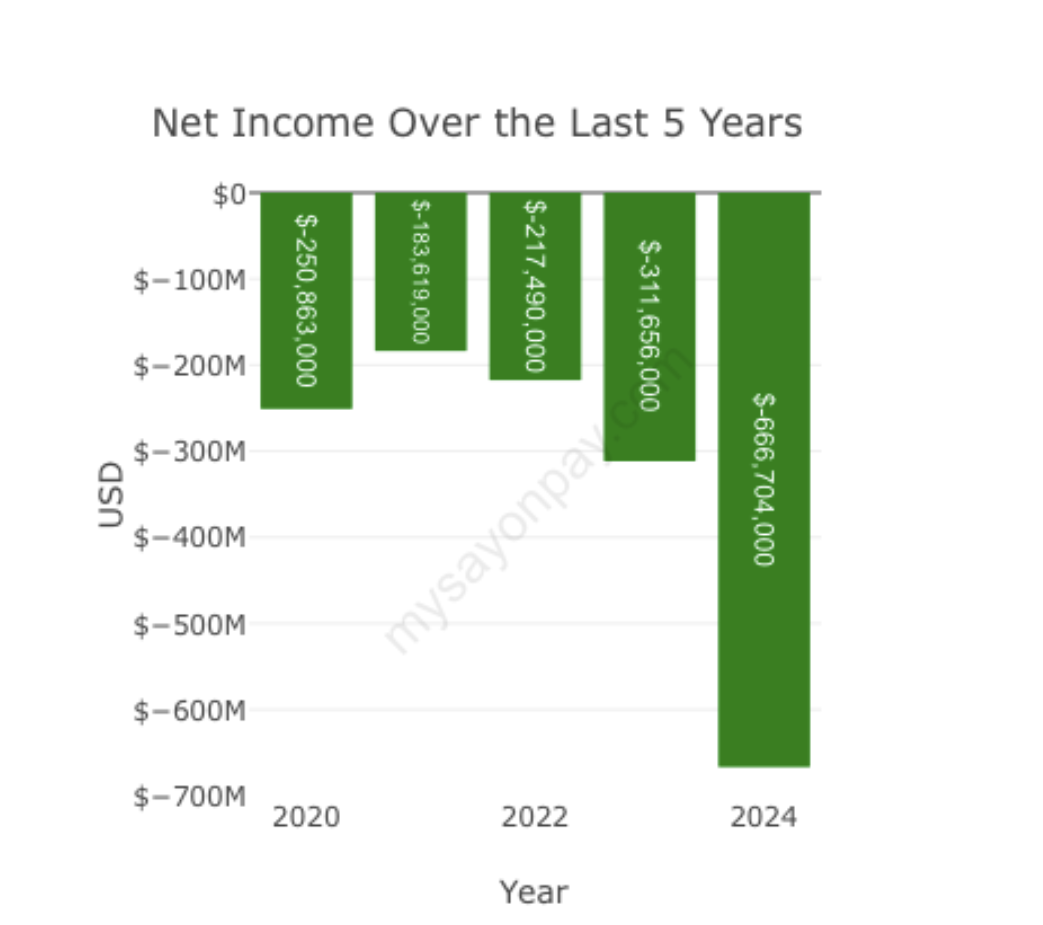
Freeze any offal (gizzards, livers, hearts) for later cooking; or if you really don’t fancy eating it, give it to your cat.
Cook portions not so large that leftovers will sit in the fridge until they go bad.

Unless you’re deliberately planning on leftovers for a second round later in the week. Also go for recipes that use relatively little meat while satisfying the craving, like our Lachmacun, Turkish meat-topped flatbreads.

lahmacun Turkish meat-topped flatbread

The second idea, tied to avoiding waste, is to preserve the meat. When your favorite meat’s at a good price, buy it up by all means, but use every bit of what you buy. Anything surplus, freeze.

Freezing is the easiest way to preserve animal meat or fish. To freeze successfully, you must give no chance for air or moisture to invade, which risks damage to your meat from freezer burn and loss of nutrients, not to mention flavor. And it’s easy enough to freeze meat safely.

Freezing meat – you’ll need:

Butcher paper
Masking tape
Aluminum foil
A sharpie or pen for labeling

Wrap the piece of fresh meat in butcher’s paper with the waxed side touching the meat.
Tape it shut with masking tape.
Wrap the package with foil.
Label the package with the contents and the date written on a piece of masking tape.

You can also use sturdy commercial freezer bags, squeezing all the air out before sealing the contents. This is less reliable than wrapping meat as detailed above;, although practical for handling meat in small pieces, i.e. ground meat and chunks of fat. I suggest cooking meat frozen in a bag well before the maximum time allowed in the chart below.

Cooked meat is safe to freeze. Refrigerate it promptly after it’s cooled down; you can keep it in the fridge, tightly covered, up to 2 days before freezing. Better is to freeze it right away after cooking and cooling.

Always label frozen meat. If you’re like me, you’ll never remember how long that batch of meat balls has been sitting in there.

Lengths of time your meat will maintain quality in the freezer: 

Bacon and Pancetta: 3 months

Chops: 6 months

Ground meats: 4 months

Organ meats: 4 months

Roasts: 1 year

Sausage: 3 months

Steaks: 8 months

Raw poultry fat: 6 months

Rendered fat: 1 year

Further reading on modern ways of preserving food: the concise, very readable Preserving Everything, by Leda Meredith, Countryman Press.

Who is eating less meat in America? And why?

Can we breed cows that don’t fart?

alternative dairy farming
Slow Food cows make high fat milk using regenerative agriculture. Such food made by mistakenly labeled as unhealthy.

Selective breeding for cows with more efficient gut biomes might be better than Bovaer

People are afraid of the cow supplement Bovaer added to animal feed and used in milk supplied to large chains like Aldi. Bovaer is touted to reduce cow farts in animals, and make rumination more efficient thus generating less methane gas. But people don’e want Bovaer in their milk and have been dumping it in response. Could there be a better way? By breeding the cows with more productive microbiomes? This is the question of a research team.

As we approach a point of no return in terms of global warming and Europeans catch their collective breath following the highest temperatures ever recorded across the continent, and communities in the United States’ Plains states continue to assess the damage from unprecedented flooding and tornado action in May and June, an international research team headed by Prof. Itzhak Mizrahi  of BGU’s  Department of Life Sciences  and of The National Institute for Biotechnology in the Negev (NIBN) and by Prof. Emeritus R.J. Wallace of Scotland’s University of Aberdeen, has found that cow genes can be used to control rumen microbiomes in order to control the amount of greenhouse gasses that animals emit.

Should cows be eating Bovaer so they produce less methane?

In addition to the ‘hard science’ value of the discovery, the findings have profound implications for dairy and beef farmers trying to reduce their industry’s contribution to climate change as well as bolster dairy producers’ attempts to maintain or improve milk production efficiency while maintaining product safety.

The study, which covered 1016 cows (816 Holstein dairy cows, 200 Nordic Red dairy cows) spread over four European countries (Italy, Finland, Sweden and the United Kingdom), found that that a small number of host-determined, heritable microbes make significant contributions to explaining experimental variables and host phenotypes. This, they predict, will lead to microbiome-led breeding/genetic programs to provide a sustainable solution to increase efficiency and reduce emissions from ruminant livestock.

At the cow dung festival
At the cow dung festival via Hindustan

“Our findings are both a major breakthrough for basic science and will have a positive impact on two major challenges facing the international community for the foreseeable future: climate change and food security,” says Prof. Mizrahi, who also serves as a member of the  National Institute for Biotechnology in the Negev.

“Even now, the planet is operating at maximum output for meat and dairy products, and that problem is only going to get worse in the coming decades: By 2050 the world will have approximately 9 billion people. That’s going to mean a serious crisis in protein nutrition.
“We expect to be able to increase production efficiency while at the same time reducing methane emissions. It would be hard to think of a more important ‘win-win’ for the planet than that,” Prof. Mizrahi added.
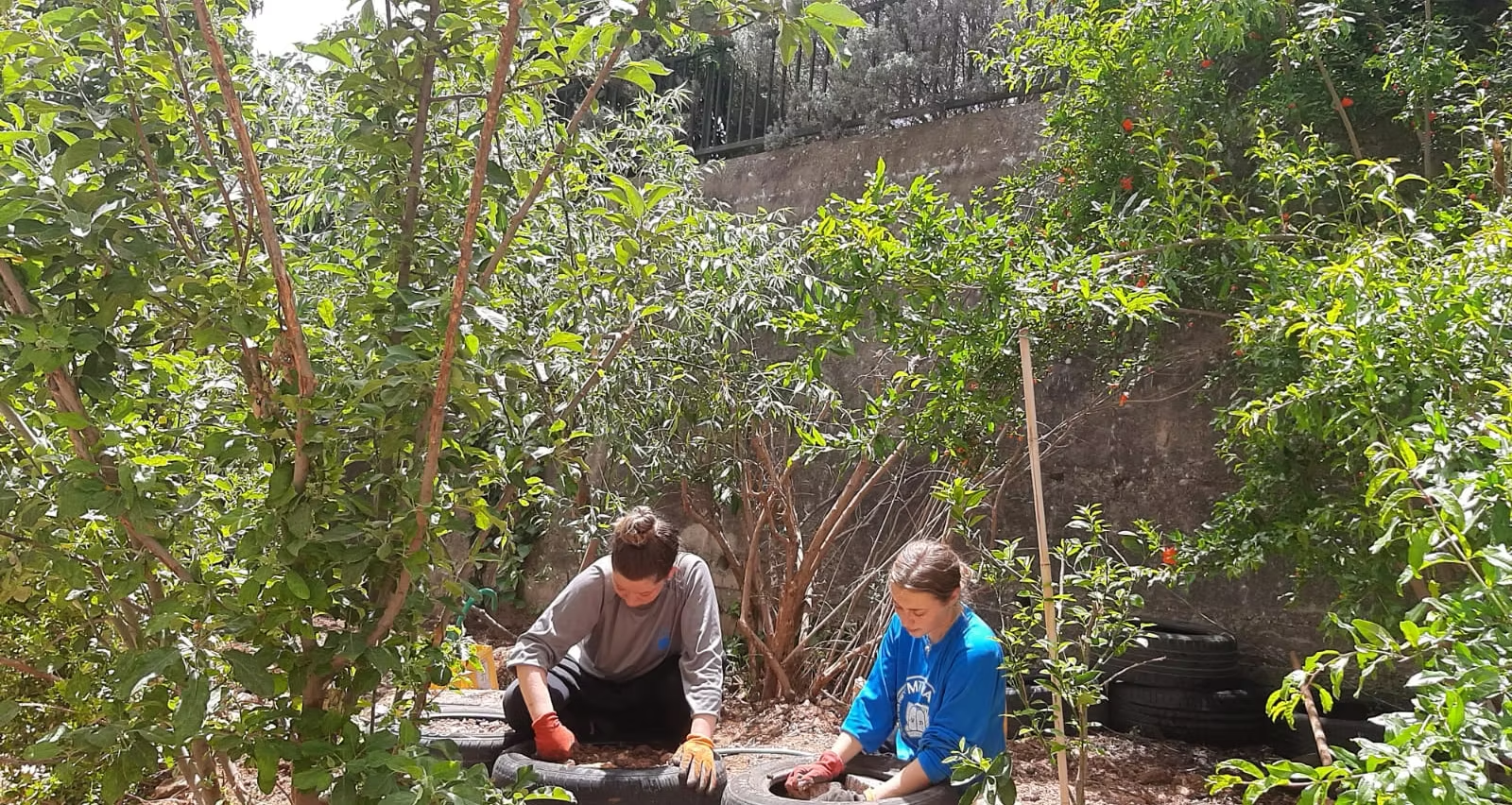
The study offers such as inoculating key core species associated with feed efficiency or methane emissions as precision probiotics approach could be considered as likely to complement the heritable microbiome towards optimized rumen function, they said.

Significantly, the researchers believe that although the current focused on two bovine dairy breeds, the results are likely to be applicable to beef animals and other ruminant species. “Given the high importance of diet in performance and the composition of the rumen microbiome, such programs should take special cognizance of likely feeding regimes. Within that context, following the overall predictive impact of identified trait-associated heritable microbes on production indices should result in a more efficient and more environmentally friendly ruminant livestock industry,” the study said.