Home Blog Page 371

Aussie trumps big tobacco

0

cigarette packaging

Is there a Middle East nation with the chops to follow this public health leader?

Government scored a massive win over the tobacco industry in 2012 when the Australian High Court ruled in favor of plain packaging for cigarettes, making this the first country to require all tobacco products to be sold in plain, standardized packaging.

Australian prime minister Kevin Rudd told AlJazeera, “Cigarettes are not cool. Cigarettes kill people. Therefore, the government makes no apology whatsoever for what it’s doing.”

So starting last month, it’s goodbye brand-specific logos, symbols, and colors.  The new packaging has a dull matt finish, with graphic health warnings printed against a drab brown background. Brand names are featured, but in a standard position, font size and style.

It works to deter people from smoking, especially young women and children, so says new research from BioMed Central, online publisher of peer-reviewed scientific research. It’s also expected to help smokers wishing to quit. Wildly unattractive, they leave no chance that people will be misled about the dangers of smoking.

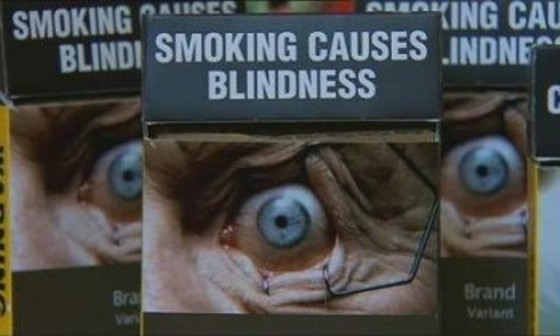
The upshot is that the packaging’s most prominent feature is stark medical images.  

Sanjid Amatya, a cashier at a Sydney newsagent, told The Jordan Times that many customers found the new packaging (which feature images such as a gangrenous foot, mouth cancer and a skeletal man dying of cancer) “off-putting”. Another retailer said customers select the least offensive images (a hand stubbing out a cigarette), or opt to buy cigarette cases so they can toss out original packaging.

Stafford Sanders from Action on Smoking and Health Australia told AFP, “The images are supposed to be disturbing, be confronting. If the images stop one child from taking up smoking, hasn’t it been worth you being offended by it?”

Other countries are considering the Australian example.

Last summer, American courts ruled against use of similar imagery saying it went beyond offering up information that cigarette smokers need to know.  The tobacco industry fought the change, claiming the horrific pictures limited freedom of expression which is guaranteed by the first amendment of the United States constitution.  The US Food and Drug Administration had planned to post the photos on cigarette packages beginning in September 2012.  It’s uncertain if the FDA will appeal the decision at the Supreme Court.

Irish Cancer Society (ICS) head of advocacy and communications Kathleen O’Meara said the society would be seeking to progress the issue of plain packaging with the Ministry of Health, “perhaps becoming the first European country to introduce plain packaging”, she told The Irish Examiner.  The ICS conducted focus groups that found cigarette packages targeting female smokers did not look as if they could cause any harm and were viewed more like a fashion accessory.

Last August, to comply with World Health Organization treaty obligations, packaging on cigarettes sold in Jordan and Egypt began to feature vivid photos of smoking health risks. It’s a big step for countries where public discussion on the evils of tobacco is nearly nonexistent.  The American Cancer Society says smoking grew 8.6%  in the Middle East over the past year. Jordanians spend half a billion US dollars annually on tobacco. This, in a nation where 25% of households earn less than $6,000 per year. The associated costs due to lost productivity, chronic illness and death are incalculable.

We hope Middle Eastern governments will calmly review the evidence emerging from the Australian action, not be swayed by the distorted misinformation put out by the tobacco industry and its allies, and implement similar public health protections.


WHO: Global Fertility Rates Mostly Holding Steady (Middle East exception)

1

Worldwide close to 50 million couples are unable to conceive after five years of trying, states a recent report.

A recent World Health Organization report of 277 national surveys estimates that infertility rates have remained consistent over the past 20 years, with North Africa and the Middle East showing the strongest negative trends in reproductive fertility.

Popular Wind-Powered Bamboo Landmine Detonator Needs Support

4

Mine Kafon, Massoud Hassani, bamboo, wind-powered minesweeper, Afghanistan, land mines, EgyptLand mines kill 42 people every month. They’re all over Egypt, where Bedouins frequently lose limbs while daring desert treks, and in 81 other countries around the globe. Pernicious and anonymous, these weapons of mass devastation are almost impossible to destroy without compromising human lives. Which means that any solution that attempts to do so deserves the full weight of our support.

Enter Massoud Hassani and the biodegradable bamboo “minesweeper” featured previously on Green Prophet. An enormously popular wind-powered device modeled after the Afghan designer’s childhood toy, the spherical Mine Kafon has biodegradable bamboo and plastic spikes that detonate landmines rooted out with help from a sophisticated GPS chip embedded in the large ball.

Jordan’s Tiny Renewable Sector Receives a Fast $300 Million Boost

0

cleantech, jordan, solar energy, wind energy, renewable energy, Gulf Cooperation Council, GCC, Hashemite Kingdom of JordanWhen 97 percent of a nation’s energy is imported, every renewable energy gift counts. Jordan received a $300 million grant from the Gulf Cooperation Council (GCC), which Minister of Energy and Transportation Alaa Batayneh says will be used to develop a host of solar and wind energy projects in southern Jordan, The Jordan Times reports.

Globally, Obesity is Now Deadlier Than Hunger

4

fat man belly on beachNeed incentive to eat healthier?  Diabetes, stroke and heart disease, have become the dominant cause of death and disability worldwide.

Obesity and its myriad complications produce health problems greater than those caused by hunger:  according to a new report published in the British medical journal The Lancet, it’s the leading cause of disability around the world. Middle Eastern countries are more obese than ever, experiencing a 100% increase since 1990.

Green Prophet has reported on the Gulf’s supersized children, and advised readers that four of the ten fattest nations weigh in from the Middle East.   According to the World Health Organization’s Global Burden of Disease Study 2010 (GBD 2010), more years of life are now lost from obesity than from hunger. But its not just this region that’s straining at the seams. In the past twenty years, global obesity rates have increased over 80% in an epidemic touching every country outside of sub-Saharan Africa.

Saudi takes the Nile to feed grass-fed cows

1
Saudi Arabia land grab water
Saudi Arabia is taking water from the Nile to grass-feed their cows in air conditioning

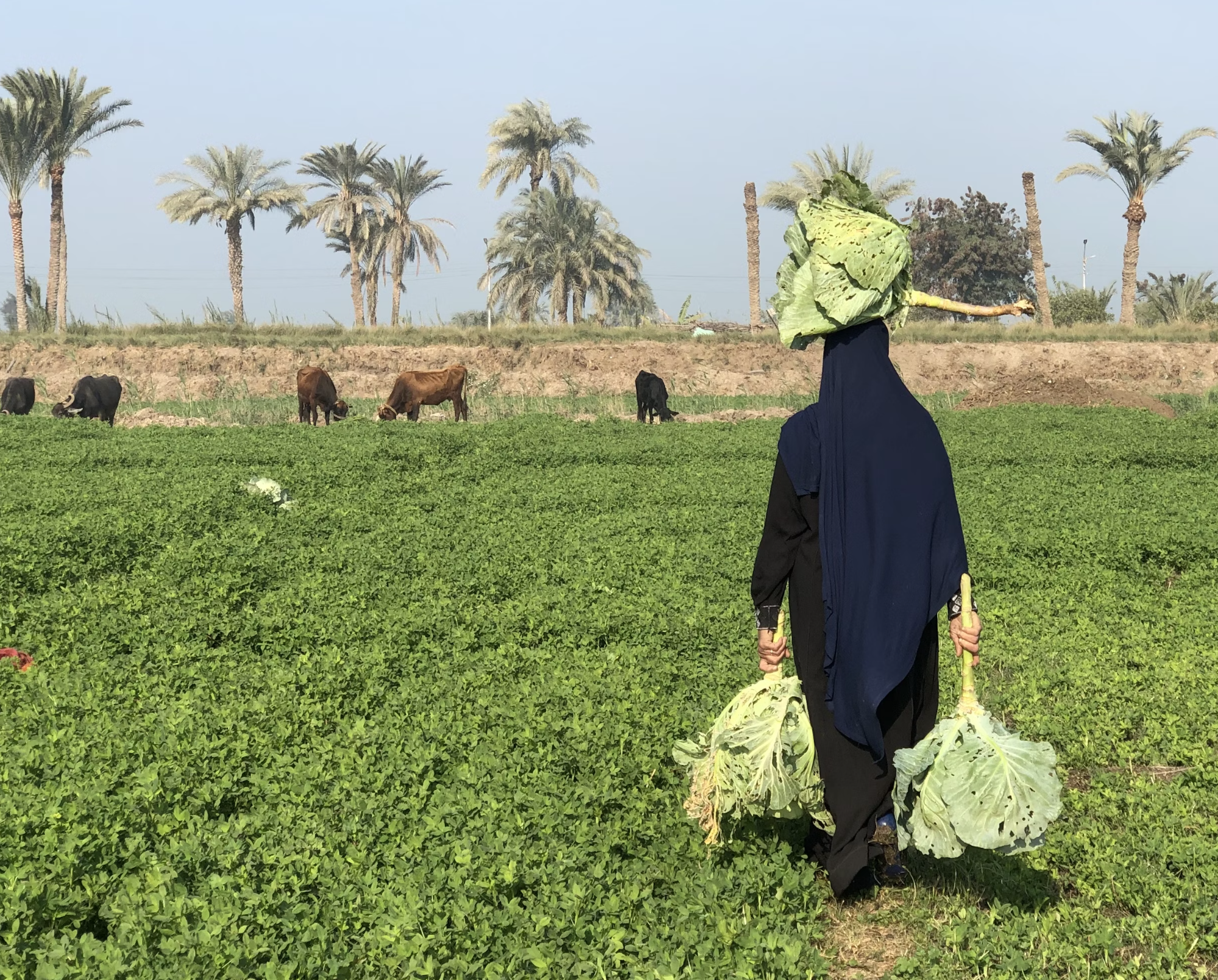
Land grabs are old news, but National Geographic has taken a closer look at Saudi’s African interests in particular and the resulting story is startling. The world’s favorite nature magazine visited two massive dairy farms, including the world’s largest, that were built in one of the driest and hottest parts of earth – roughly 100 miles southeast of Riyadh. Here, Friesian cows survive amid temperatures of up to 110 degrees fahrenheit.

The cows raised at the Al Safi and Almarai farms live better than some humans in air-conditioned sheds and water misters that keep them cool. But feeding them with grain grown nearby has depleted 4/5th of the Kingdom’s ancient aquifer in the last 30 years. For milk. The farms are facing closure as a result of water shortages, but instead of giving up altogether, the Saudis are buying up land and water elsewhere – including the already vulnerable Nile.

Water is free to farmers in Saudi Arabia so they have no incentives to use less or to conserve at all.

The Nile was apportioned in 1929 by colonial powers, an issue that has created great tension among Nile River Basin countries in the last few years. Egypt relies almost entirely on this river for its population’s survival, but upstream countries feel that they have been shortchanged by that country’s monopoly.

Ethiopia has been particularly vociferous, though the main instigator of a slew of new damns and hydroelectricity projects, former Prime Minister Meles Zenawi, died in August, 2012. But not before allowing Saudi Star, owned by Sheikh Mohammed Ali Al Amoudi, to purchase large tracts of land near the headwaters of the Nile in Gambela.

Member of the local Anuak Tribe talked to National Geographic about the firm’s usurpation of land and water. At the time of writing, the company was digging a canal to drain nearby wetlands and their 24,711 acre relies on a reservoir built in the 1980s by Soviet engineers.

Tribesmen told the magazine that they intended to farm their ancestral land anyway. When they moved in to do so, gunmen shot and killed several Saudi Star workers, unleashing a vicious government crackdown in the nearby villages.

Men were killed, women were raped. Many people fled to neighboring Southern Sudan.

The Saudi government offers shiny incentives for firms to seek out arable land outside of the Kingdom. According to National Geographic, the King Abdullah Initiative for Saudi Agricultural Investment Abroad has catalyzed projects as far afield as Senegal River in West Africa and Indonesian New Guinea.

And the reason? The Saudis are concerned to secure a steady food supply in the decades to come now that their own resources are depleted as a result of chronic mismanagement. Other Gulf countries such as Abu Dhabi are pursuing a similar track.

Meanwhile, several reports show that Gulf Arabs are among the fattest people on earth, which begs the question: will Saudi, Abu Dhabi, Kuwait and Qatar purge other resources the way they destroyed their own in order to satisfy their overgrown waistlines?


Turmeric Helps Conquer Arthritic Inflammation

3

image turmeric for arthritisIn the Middle East, now is the time to buy fresh turmeric root for freezing or planting.

Fancy a turmeric smoothie? That’s how my husband gets his daily dose of the deep-yellow, pungent root. When his doctor took him off anti-inflammation medications, I cast around for a natural way to help him cope with the pain in his hands.  He has psoriatic arthritis.

turmeric and blood pressure
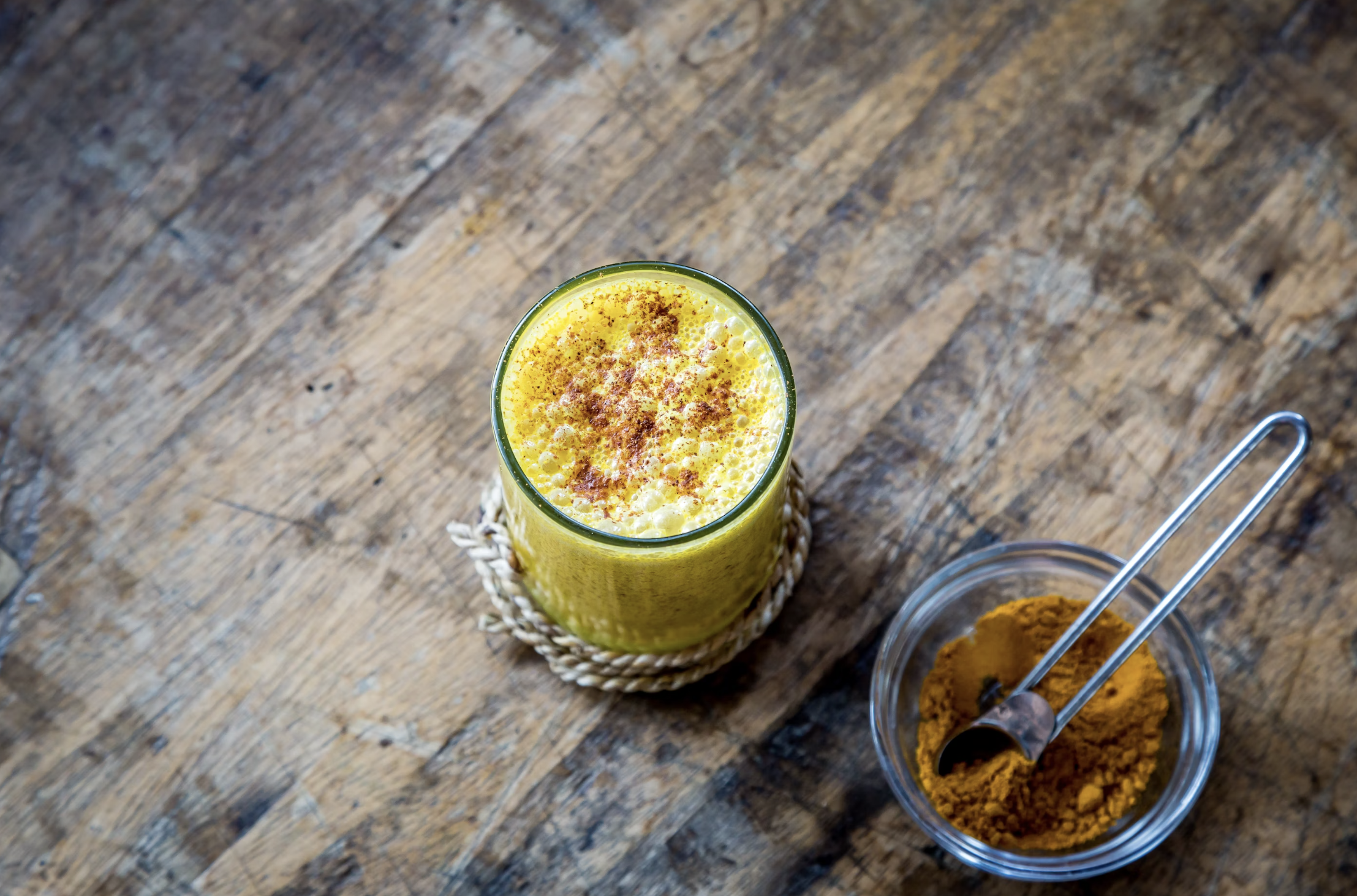
A turmeric smoothie

We’re familiar with spices as medicine. I began reading more. While turmeric’s anti-cancer properties are already well-known, it was news to me that turmeric is also an effective anti-inflammatory with a long history of relieving arthritis pain.

The Middle East’s hot climate doesn’t exempt people from psoriatic, rheumatoid, and osteoarthritis. According to the Israeli Rheumatic Diseases Foundation (site in Hebrew), an estimated 17% of the population suffers from arthritis in one form or another, while the Emirates Arthritis Foundation estimates that 20% of the United Arab Emirates do too. These figures are slightly lower than the estimated percentage of American arthritis sufferers – 22% of the population, according to the Centers for Disease Control and Prevention.

Now medical authorities are turning their attention to one of turmeric’s constituents, curcumin, in help in controlling the debilitating disease. A study conducted in Thailand in 2009 concluded that in controlling pain of knee osteoarthritis, curcumine was as effective as ibuprofen. This review of preclinical and clinical trials with curcumin submitted to PubMed.gov is only one of many publications attesting to its anti-inflammatory powers.

So for ordinary people with aching joints, what’s the best way to ingest the yellow stuff?

  • Fresh Root Smoothie: slice off a little chunk of turmeric root, about the size of the first joint of your forefinger. Blend it with a cup of any good milk, a teaspoon of cinnamon for flavor (and because cinnamon also fights inflammation), a teaspoon or two of local honey, and 1/4 teaspoon of black pepper to get things circulating quickly. Add something for creaminess if you like: a banana or half an avocado. Drink it up quickly. One smoothie a day should do the trick.
  • Variation with dry, ground turmeric: Use 1 tablespoon of ground turmeric (best is fresh-ground from a spice store, but even freshly-bought supermarket tumeric will do) instead of the fresh root. It’s best to heat the milk first, to help the spices disperse, and to drink it warm.
  • Ground Turmeric Capsules: Some buy vegetable-based capsules and fill them at home. Three to five 00 -sized capsules are the ordinary dose, although individual needs vary.
  • Curcumine Supplements: The University of Maryland Medical Center suggests that adults take one to three grams of dried root powder daily; 15 to 30 drops of 1:2 tincture four times per day; or 400 mg to 600 mg of standardized curcumin powder three times a day.

I’m no great fan of standardized extracts, and suggest that if using fresh or ground turmeric is inconvenient, tincture is better.

Who should avoid medicinal doses of turmeric? Curcumin is a blood-thinner and may prevent normal blood clotting.

  • People on Warfarin or similar medications should therefore not add medicinal doses of turmeric to their regime.
  • Pregnant women should also restrict turmeric to ordinary culinary quantities – a pinch to color or flavor food is fine.
  • People anticipating surgery should stop taking turmeric two weeks beforehand.
  • Do not combine medicinal doses of turmeric with ginger, gingseng or other blood-thinning herbs.
  • You’ll know you’re taking too much if you experience nausea or stomach upsets (this is true of any other culinary spice too).

How To Keep Turmeric?

  • Fresh turmeric root lasts up to a year in the freezer. That’s how I store it for blending into smoothies.
  • If buying dried, ground root, buy small quantities and replenish. Keep your ground turmeric away from the heat of the stove or a sunny window. It will last, kept in a cool, dark place, for six months.

To ensure a constant supply of fresh root, it’s worth growing your own. It takes little space or effort. The Backyard Gardening Blog offers an easy-to-understand guide on growing turmeric. The comments also offer valuable advice.

Since the Israeli winter is mild, with many sunny days, I myself sprouted and planted some turmeric roots recently.  I hope to harvest a good amount of fresh roots to freeze, later in the year.

Food as medicine on Green Prophet:

Beating Breast Cancer With Turmeric

5 Supermarket Vegetables You Can Upcycle and Grow At Home


7 Evergreen Books on Sustainable Food for Your New Year

books on a bunEating sustainably can make a huge impact on our planet.

We all know that eating sustainably, and eating local is good for the planet and good for the economy. Now that your New Year’s resolutions to eat better have come into effect, check out your local bookseller for seven recycled titles that will help bolster your New Year’s food resolutions. These titles are largely published before 2012 but still relevant.  Dig in.

Happy 2013! A Good Year for Electric Cars

0

Mitsubishi's new Not a head turner but Mitsubishi’s new “buggy” MIEV all electric car is one of the best EV car deals

The year 2012 has been a mixed year as far as the success of various models of electric cars and hybrid cars go. Regarding the Middle East, where the luxury Fisker Karma electric vehicle hit the Middle East though a dealer in Dubai, Fisker cars in the USA were under consider pressure following news about some Fisker cars catching fire. This allegation, which involved at least 15 Fisker Karmas burning up at a storage lot in New Jersey during the hurricane Sandy mega storm, was later challenged on Green Prophet by a Fisker Karma owner himself who debunked the allegations of the $130,000 cars being  fire hazards.

Middle East Shoppers: Give These O’s a No?

0

Social media flexes its muscles in a recent grassroots backlash against General Mills, one of the world’s leading food conglomerates whose brand portfolio includes more than 100 leading U.S. brands and product leaders around the world.

Last December, General Mills’ Cheerios brand released a Facebook app asking “fans” to “show what Cheerios mean to them.”  

The app allowed users to create their own placards using Cheerios’ trademarked black font on a yellow background, where dots and periods featured little cheerios. One day later, the app was yanked when thousands of angry consumers used the site as a platform to create anti-GMO statements.

Two of the top three ingredients in Cheerios are corn starch and sugar, ingredients commonly subject to genetic engineering. General Mills, which donated over $1 million to a Californian campaign to defeat a genetic engineering labeling law, recently got a taste of the grassroots backlash.

California’s Proposition 37, which would have required GE foods to be labeled as such (and be prevented from being mislabeled as “natural”) was defeated last November in large part due to massive donations from multinational corporations that hide GE ingredients behind “wholesome” advertising.  General Mills donated over $1 million to defeat the proposition.

Organic foods are required by U.S. federal law to be produced in ways that promote ecological sustainability, without common toxic and genetically engineered ingredients.

But organic products are increasingly being forced to compete with products that are labeled as “natural.” There are no restrictions on the term “natural”, and it often constitutes nothing more than meaningless marketing hype. Most disturbing of all, many foods labeled as “natural” actually contain genetically engineered ingredients, and breakfast cereals are particularly vulnerable.

Washington state and Vermont are now working to get GE labeling laws passed in 2013. Cheerios diligently deleted posts as quickly as they could, and most have now been removed, along with the app. But screenshots of some of the creations have been preserved on Cheeseslave2 and the Happy Place3 website.

Parents are Waking Up to the Dangers of Genetically Engineered Foods

In a recent press release, Alisa Gravitz, CEO and president of Green America, stated:

“The sheer volume of comments on Cheerios’ Facebook page raising concerns around genetically engineered ingredients is incredibly inspiring.  It is also amazing to see the creativity that visitors to Cheerios’ Facebook page use to call out Cheerios on using their customers as a science experiment for GMO consumption. Cheerios is a cereal that is frequently fed to children, and many of the comments are from concerned parents who are worried about the fact that they have been feeding a cereal with genetically engineered ingredients to their children.”

One such parent posted a comment on Cheerios Facebook page saying,

“So sorry that the food my kids loved as toddlers is one I can’t support anymore. I can’t believe that General Mills has the well-being of its customers in mind when it contributes to movement against labeling of GMOs.”

According to the Cheerios website, “Cheerios has been a family favorite for years — with good reason! Its wholesome goodness is perfect for toddlers to adults and everyone in between. Made from whole grain oats, Cheerios has no artificial colors or flavors. Those wholesome little O’s have only one gram of sugar.

“They’re low in fat, have no saturated fat and are naturally cholesterol free. Cheerios are also an excellent source of folic acid and a good source of fiber. Maybe that’s why parents feel so good about serving Cheerios to their families. It’s a healthy way to start the day, a perfect snack, and tastes great in a recipe. You can trust Cheerios for a lifetime of wholesome goodness for your whole family.”

The thing is we can’t know since they don’t have to disclose whether they’re using GE ingredients or not on the label. But the fact that General Mills chose to cough up well over a million dollars to avoid GE labeling definitely leads one to believe that, most likely, these (and/or other ingredients) of Cheerios ARE indeed the genetically modified versions. So much for “trust” for “a lifetime of wholesome goodness.”

The fact that General Mills would rather pay millions to hide that their products contain GE ingredients rather than give you the choice to buy something else, or reformulate their product without GE ingredients (which would be the sensible thing to do if they were really concerned about children’s long-term health and well-being) is quite telling.

Besides the issue of whether the sugar in your favorite processed food is genetically engineered or not, it’s important to remember that sugary breakfast cereals are bad news for your child’s health no matter what.

Many are utterly fooled by advertisements promising “wholesome goodness,” when it’s really very little difference between many popular breakfast cereals and a candy bar.

The following video illustrates this quite effectively. Honey Nut Cheerios contains the equivalent of four added teaspoons of sugar in each bowl compared to the original Cheerios. Few parents would allow their child to heap four teaspoons of sugar onto their cereal. Yet they fail to understand just how much sugar is hidden in the processed foods they serve their kids each day.

The Rudd Center for Food Policy & Obesity is a non-profit research and public policy organization devoted to improving the world’s diet, preventing obesity, and reducing weight stigma.  The Center serves as a leading research institution and clearinghouse for resources that add to our understanding of the complex forces affecting how we eat, how we stigmatize overweight and obese people, and how we can change.

My octogenarian mom eats Cheerios for their oat content; she believes it helps keep her cholesterol levels low. My kids adored the tiny rings; they remain high on the toddler snack list since they require no refrigeration or messy clean-up.

Mostly I loved them as potty training tools: I’d toss a few into the toilet and urge my tiny son to “sink them”, a discount version of pricey toilet targets sold in those educational mail order catalogs.

Mali’s Life Changing Mobile Solar Lamps are Made From Bicycle Parts

1

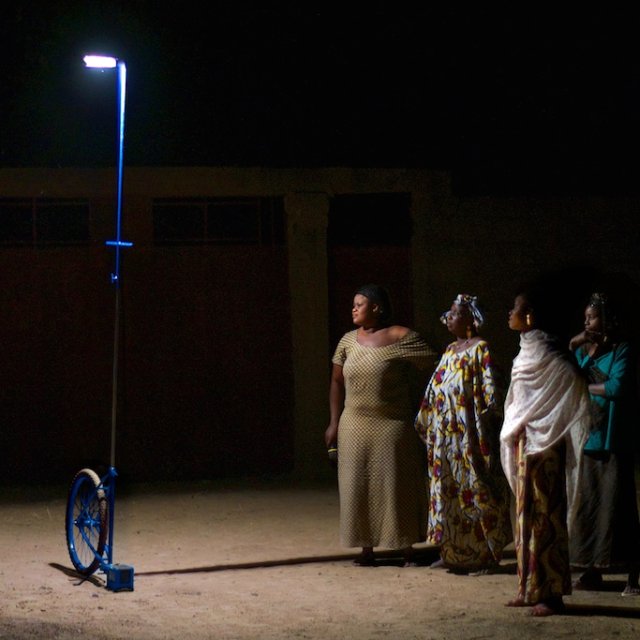
mali, foroba yelen, collective light, solar powered lamp, lamp made from bike parts, mobile lamps, Matteo FerroniA suite of mobile solar-powered lamps have completely changed the lives of hundreds of villagers in Mali. Approximately 90 per cent of the desert country’s residents lack access to an electrical grid, such that many children are unable to learn after dark and mothers stay up late using the light of paraffin lamps to complete their daily chores. So Italian architect Matteo Ferroni devised a solution that could be easily replicated by locals.

Egypt’s Natural Gas Push Does Little to Curtail Murderous Air Pollution

2

black smog air pollution over the nile delta cairoWith air pollution 100x worse than NYC the news doesn’t look good for 2013 even though Cairo taxis were offered free natural gas tanks.

Two years ago when the Egyptian government began fully implementing taxis run on natural gas, there was much praise and fanfare. Air pollution was at monumental levels in the Egyptian capital Cairo and something was needed to curtail the growing problem that was leading to health hazards, including a dramatic rise in cases of asthma among young adults. While the country’s burgeoning taxis have largely made the switch to natural gas, congestion and poor maintenance continues to see air pollution one of the biggest problems facing everyday Egyptians.

Eco Travel Morocco at Holistic Meditation Retreat in the Sahara

0

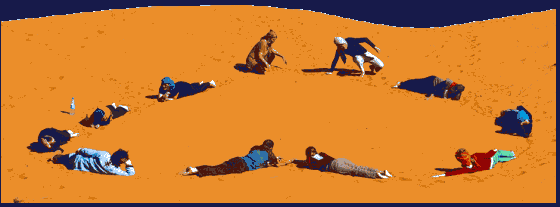
sahara desert retreat

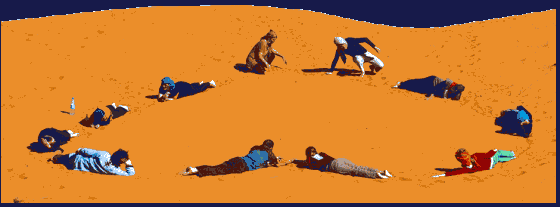
The Sahara.  It’s the world’s hottest desert and almost as large as China or the United States, so travelers have good reason to be wary of wandering into it alone.  But adventurer Tom Thumb has organized another retreat in 2013 for those who want to experience the Sahara. The Road Junky Sahara Retreat will be held in the Moroccan Sahara from January 27 to February 2, 2013.  If it is anything like the past two that have been held, it is a perfect chance for travelers to reflect upon their own lives in the sharp repose of the desert.  It is also clear from the testimonials on the Road Junky retreat website that members naturally build a community that yields long-lasting friendships, despite the relative brevity of the trip.

Qatar University’s Accredited Environmental Science Program is an Arab World First

1

Education, environment, accredited environmental science program, Qatar UniversityWhat a great way to start 2013: the Committee of Heads of Environmental Sciences (CHES) and the Institution of Environmental Sciences (IES) accredited Qatar University’s BSc and MSc Environmental Sciences programs. This is not only a first for the Arab world, but it is also the first time these leading institutions have accredited any such program outside of the United Kingdom, Arab Brains reports.

With Some Advice From the Dutch, Istanbul Tries To Be More Bike-Friendly

0

The occasional bicycle rack can be found near pedestrian promenades in Istanbul, such as the one pictured above on the Asian side of the city. But the city’s heavy traffic and reckless drivers discourage many would-be bicycle commuters. Developing a more bike-friendly Istanbul was the goal of BikeLab Istanbul, a workshop held in late December and sponsored by sustainable transport advocate EMBARQ TÜRKİYE, Dutch urban design company YARD 9, and the Dutch consulate in Istanbul.