
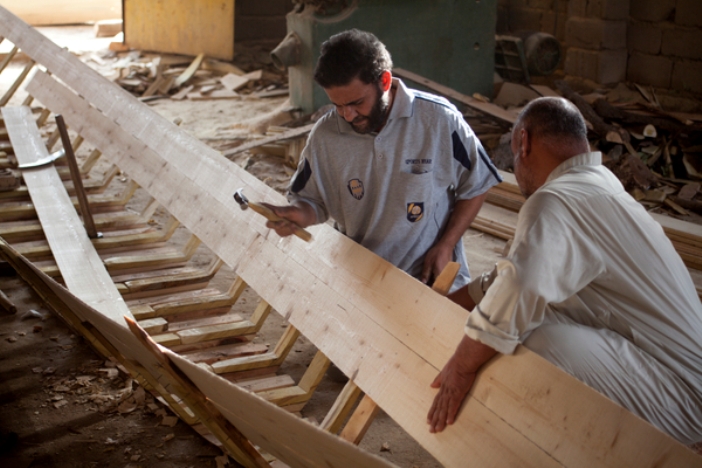
 On Sunday, September 15, a fleet of traditional and modern Mesopotamian boats will sail down the Tigris River on an historic voyage of celebration and learning.
Tigris River Flotilla Puts Iraq Back in the News
Cilantro can clean water

So addicted to technology, we have forgotten that nature has an answer to just about everything – including water purification. Douglas Schauer, a PhD has shown that cilantro – a leafy herb used in Middle East cooking – can clear toxins from contaminated water.
Eschewing the current activated carbon method of water purification, Schauer from Ivy Tech Community College has been working with what he calls biosorbents to clean contaminated water.
Less costly than typical water purification methods, biosorbents are low-cost alternatives such as microbes and plants that are readily available in nature.
While presenting his findings at the 246th National Meeting & Exposition of the American Chemical Society that closed yesterday, Schauer said that cilantro, which is also known as coriander, Chinese or Thai parsley, can remove toxic heavy metals with ease.
“Cilantro may seem too pricey for use in decontaminating large amounts of water for drinking and cooking,” Schauer said.
“However, cilantro grows wild in vast amounts in countries that have problems with heavy-metal water pollution. It is readily available, inexpensive and shows promise in removing certain metals, such as lead, copper and mercury, that can be harmful to human health.”
The structure of the other walls of Cilantro’s microscopic cells have the ideal architecture to absorb heavy metals, Physorg reports. Parsley and culantro have similar properties.
Schauer proposes to pack the cilantro into packets that are similar to tea-bags, or the herb can be packed into water filter cartridges.
With so many people without clean drinking water throughout the Middle East, a dedicated awareness campaign could go a long way to informing them of natural methods of purifying one of our planet’s most necessary and increasingly precious resources.
:: Physorg
Image of cilantro, Shutterstock
Israeli Parliament Plans to be Solar Secure by 2014

Years after the plan was first suggested, the Israeli Parliament building will finally boast a large rooftop solar array that will give the Knesset a sound measure of energy security by 2014.
World’s Biggest 100 MW Geothermal Plant Built by Israel’s Ormat in New Zealand


The New York Stock Exchange-traded company Ormat Technologies (NYSE:ORA) has built what’s being cited as the world’s largest geothermal plant.
For Some Iranians Meatless Monday Isn’t a Choice

Meat consumption in Iran has soared by 60 percent since 2005, according to the Omega Research Team (ORT), so the group is trying to convince locals to embrace Meatless Mondays. But for many, meat isn’t a choice.
“Spy” Stork Arrested Then Released and Eaten in Egypt

A White Stork was arrested in Egypt recently after a fisherman in Qena captured it – believing it to be a spy – and marched it down to local police. Equipped with tracking technology, the bird was released, but didn’t live much longer.
Cyprus Fruit Bats Decline and Head to Turkey?

 Animals the world over are changing where they live as humans effect changes on the land. Beyond the bees (see what this market would look like without bees!), the latest decline to be noticed are fruit bats in Cyprus
Charge Mobile Devices Through the Air

In a first of a kind device that will help us get rid of the tangle of cords: an Israeli company company called Wi-Charge says it can power up mobile devices through the air.
Free Beach Wifi to Tel Aviv Tourists and Locals

It’s an amazing way to democratize access to information and it means less headaches for tourists who don’t opt in to expensive data plans: the City of Tel Aviv-Jaffa has announced free WiFi hotspots throughout the city. On top of that and its rental bike program Tel-O-Fun, Tel Aviv is becoming a pretty cool city.
Divers Will Pay to Protect Coral Reef Biodiversity, New Study


With news that Red Sea coral reefs on the coast of Israel may be resistant against the changes of climate change, some more positive “reef” news swings our way out of Israel
Saudi Ministry of Health Sued Over Death of Obese Man
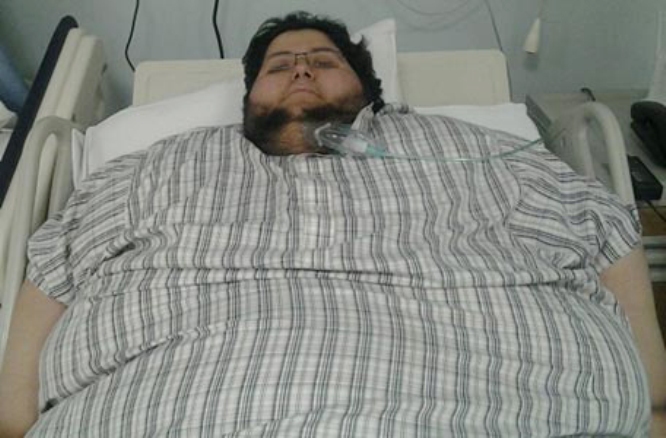
An 840 pound Saudi man died last week from complications associated with his weight and his passing is loudly being mourned online. Is it a sign of our digital times or a new awareness of the obesity epidemic in the Middle East?
Zaha Hadid Greens Tokyo’s 2020 Olympic Stadium Design

Japan has won the bid to host the 2020 Olympic Games in Tokyo and Zaha Hadid has been picked to retrofit its National Stadium. First designed for the 1964 Summer Games, this new stadium boasts a few green credentials.
Iraqi architect Zaha Hadid has never shown a great deal of interest in designing healthy green buildings, but she has incorporated a few meaningful eco features in her design for what will become the Tokyo National Olympic Stadium.

In addition to using geothermal energy, the new building will be cooled using recycled rainwater. Additionally, the stadium’s grey water will be reused – either for plumbing or landscaping. As yet, there has been little mention of what kind of materials will be used for construction or where they will be sourced, but at least Zaha is making some kind of effort to soften her enormous ecological footprint.
The Sports Council is enamored with Hadid’s design – despite complaints that her Aquatic Center built for the London Games was so large that the spectators may as well have watched swimming events at home, so invisible were the athletes from the seats.

Equipped with a sliding roof, the Tokyo National Olympic Stadium has a flexible design that will ensure that the building will not be obsolete when the international sporting event comes to a close. Indeed, this is part of the reason the judges chose her brief above ten other competitors.
They noted, according to Atlantic Cities, its “innovative and fluid design that expresses a sense of dynamism appropriate for sporting activities.”

In addition to serving the Olympic Games, the stadium should be ready in time for the 2019 Rugby World Cup.
Zaha Hadid’s studio has been cleaning up with design competitions of late – even adding a touch of star power to the controversial 2022 World Cup in Qatar.
MIT Fog Harvesting Material Yields 5x More H20
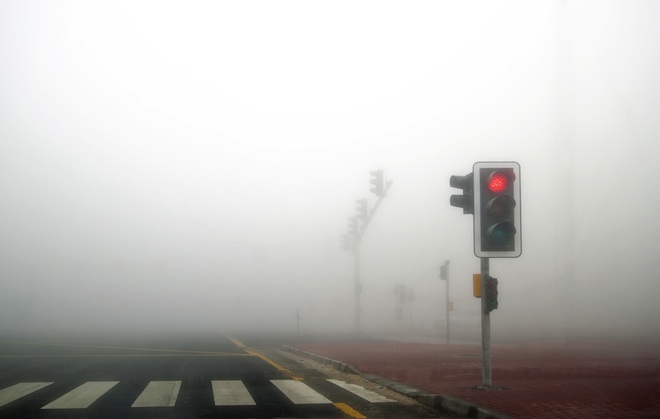
Gulf countries like Abu Dhabi may lack freshwater resources, but they also have a lot of humidity. MIT’s new super efficient fog harvesting material could help countries with climates like this capture that moisture for drinking water.
The Christmas-izing of Ramadan and Eid

 Recognizing our likenesses even in superficial traditions can chip away at the sense of “otherness” that prevents connection. With Syria on the brink, will anyone dispute that the West and the Middle East need better connection?
Parkinson’s disease can be seen in your handwriting
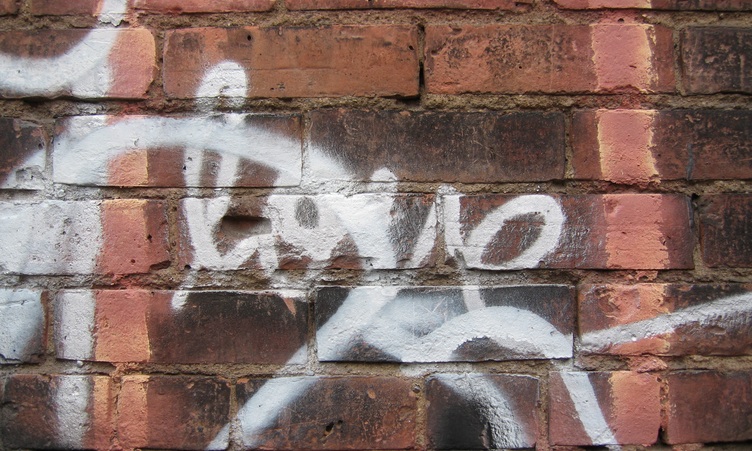
By the time a patient notices the symptoms, treatment options against the progression of Parkinson’s is limited. While some of us might rather live on in ignorant bliss until the disease hits us in the face in older age, a new tool from the University of Haifa finds that with Parkinson’s, the writing is on the wall: the disease can be detected much earlier, through a person’s handwriting.
A more recent study from Hebrew University says constipation might be a more reliable cue, and it can be a symptom appearing 20 years before the disease shows its face.

Some scientists already figure that the high incidence of Parkinson’s in some Middle East communities is due to pesticides, and that artificial sweeteners may hold promise for a treatment. But earlier diagnoses for earlier intervention?
The University and nearby Rambam Hospital in Haifa, Israel compared the writing process of 40 sick and healthy subjects and now suggests their method as “an innovative and noninvasive method of diagnosing Parkinson’s at a fairly early stage,” they write.
Today Parkinson’s disease is determined by the diagnostic ability of the physician, who can generally identify the clinical symptoms only when the disease is at a relatively advanced stage.
They use a physical evaluation or a test called SPECT, which uses radioactive material to image the brain. The latter, however, is no more effective in diagnosing the illness than an expert doctor and it exposes the patient to unnecessary radiation exposure. We don’t want that!
Studies from recent years show that there are unique and distinctive differences between the handwriting of patients with Parkinson’s disease and that of healthy people. However, most studies that were conducted to date have focused on handwriting focused on motor skills, such as the drawing of spirals, and not on writing that involves cognitive abilities, such as signing a check.
According to Prof. Sara Rosenblum from Haifa University, Parkinson’s patients report feeling a change in their cognitive abilities before detecting a change in their motor abilities and therefore a test of cognitive impairment like the one performed in this study could attest to the presence of the disease and offer a way to diagnose it earlier.
In the study, the researchers asked the subjects to write their names and gave them addresses to copy, two everyday tasks that require cognitive abilities. Participants were 40 adults with at least 12 years of schooling, half healthy and half known to be in the early stages of Parkinson’s disease (before obvious motor signs are visible).
The writing was done on a regular piece of paper that was placed on electronic tablet, using a special pen with pressure-sensitive sensors operated by the pen when it hit the writing surface. A computerized analysis of the results compared a number of parameters: writing form (length, width and height of the letters), time required, and the pressure exerted on the surface while performing the assignment.
Analysis of the results showed significant differences between the patients and the healthy group, and all subjects, except one, had their status correctly diagnosed (97.5% accuracy). The Parkinson’s disease patients wrote smaller letters (“micrograph”), exerted less pressure on the writing surface, and took more time to complete the task.
According to Prof. Rosenblum a particularly noticeable difference was the length of time the pen was in the air between the writing of each letter and each word.
“This finding is particularly important because while the patient holds the pen in the air, his mind is planning his next action in the writing process, and the need for more time reflects the subject’s reduced cognitive ability. Changes in handwriting can occur years before a clinical diagnosis and therefore can be an early signal of the approaching disease,” Prof. Sara Rosenblum, one of the researchers said.
This new advance is one more reason to keep cursive in school, even as more and more schoolchildren use the tablet or computer to write. And linked with a tablet is another way of providing remote medicine to people in disadvantaged and remote communities. We see a new Kickstarter campaign for someone to start. Anyone?