Home Blog Page 320

Insha’allah, All Good Pilgrims Survive Hajj Despite MERS Risk

1

Hajj 2013 MERS risk kasbahCleanliness may be next to godliness, but piety may prove lethal.  So say global health officials as they warn travellers to take special precautions when on Hajj, where a mysterious virus knowns as MERS threatens a concentrated pilgrim population expected to exceed 3 million.

Over a year has passed since the first case emerged of Middle East Respiratory Syndrome (MERS).  MERS has since infected 135 and killed 58, yet questions on the origin and transmission patterns of the disease remain.

Hajj (here’s how you can make it green) is an Islamic pilgrimage to Mecca, in the Kingdom of Saudi Arabia (KSA), and the largest annual gathering of Muslims in the world. One of the five pillars of Islam, it is a religious duty which must be performed by all able-bodied Muslims who can afford to do so at least once in their lifetime.

Medical experts are concerned that large scale international travel might accelerate virus spread.

Many opt for gruelling bus travel (drive time from Amman, Jordan to Mecca exceeds 12 hours). Once there, a strenuous series of rituals begin to symbolize the lives of the Prophet Ibrahim and his wife Hajar. Consider desert climate and rough accommodations, and see why the pilgrimage is difficult.

This year, KSA announced new limits to religious tourist visas, emphasizing ongoing construction at the Holy Mosque as the constraining factor.  Belgium’s National Flu Commissioner, virologist Dr. Marc Van Ranst, advised Belgian Muslims to pass on the pilgrimage. Margaret Chan, secretary-general of the World Health Organization (WHO), pulled no punches with her proclamation that MERS posed a “threat to the entire world.”

KSA medical experts have suggested that the elderly, young children, pregnant women and people with compromised health do not make the pilgrimage. Particular caution is aimed at those with suppressed immune systems. But, regulation-wise, the bottom line is that people are free to travel to Mecca as per usual: WHO has issued no travel warnings to the Middle East relative to MERS.

While not believed to be easily transmitted in the general population, the MERS coronavirus can spread between people in prolonged close contact, hence the risk to pilgrims living and traveling in crowded conditions. The American Center for Disease Control (CDC) website offers some guidelines (link here).

Epidemiology aside, mass gatherings have always been linked with unique health risks.  The Saudi Ministry of Health mitigates some by requiring all pilgrims to be vaccinated for meningococcal in order to receive Hajj visas. The CDC recommends polio boosters and vaccination against hepatitis A, B, and typhoid for travel to KSA, in addition to routine vaccines (such as measles, pertussis, and flu).

Stomach flu and diarrhea are common during Hajj, partly due to unfamiliar food prep and unreliable refrigeration. After Hajj, men are required to shave their heads: unclean blades can transmit disease, so men are urged to use officially designated centers where licensed barbers use disposable, single-use blades.

Autumn temperatures in Mecca can exceed 100°F, putting heat exhaustion, sunburn and heatstroke on the menu of maladies.

Finally, human stampede is a major risk in any gathering, exponentially worsened by the millions of assembled hajjis. Stampedes at previous Hajj events have injured or killed hundreds, inciting the KSA government to invest over $25 billion to help control crowds and minimize risk.

This year, Hajj is expected to occur from October 13 through 18; the exact duration is dependent on moon sightings. As a non-Muslim, it’s improbable I’ll ever experience it. Instead, I watch my friends glow at the prospect of participating in this mind-blowing celebration and I wish that, Insha’Allah, they return rejuvenated in spirit, mind and body.

If you want to make the Hajj more green, read our green guide to Hajj here. And here are four steps to a greener Hajj. Share these with all pilgrims everywhere.

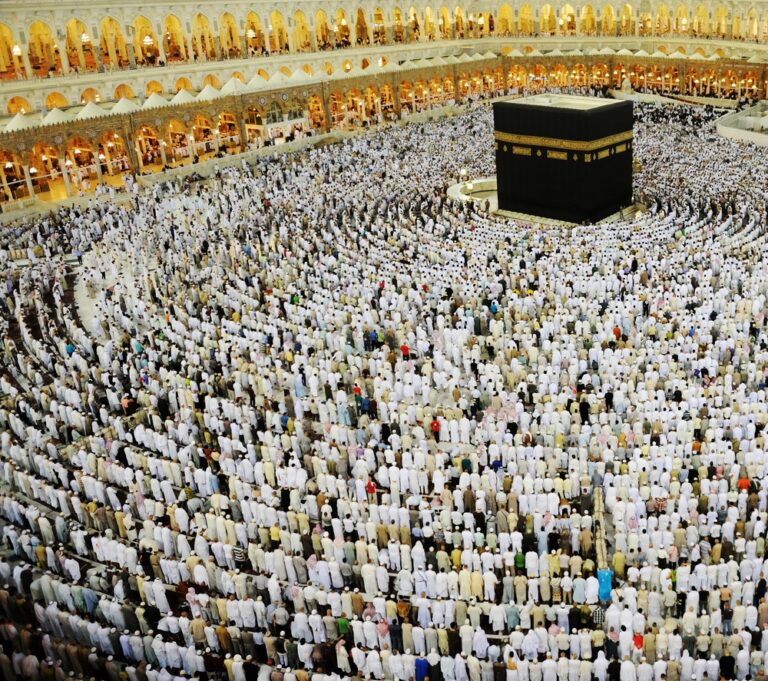
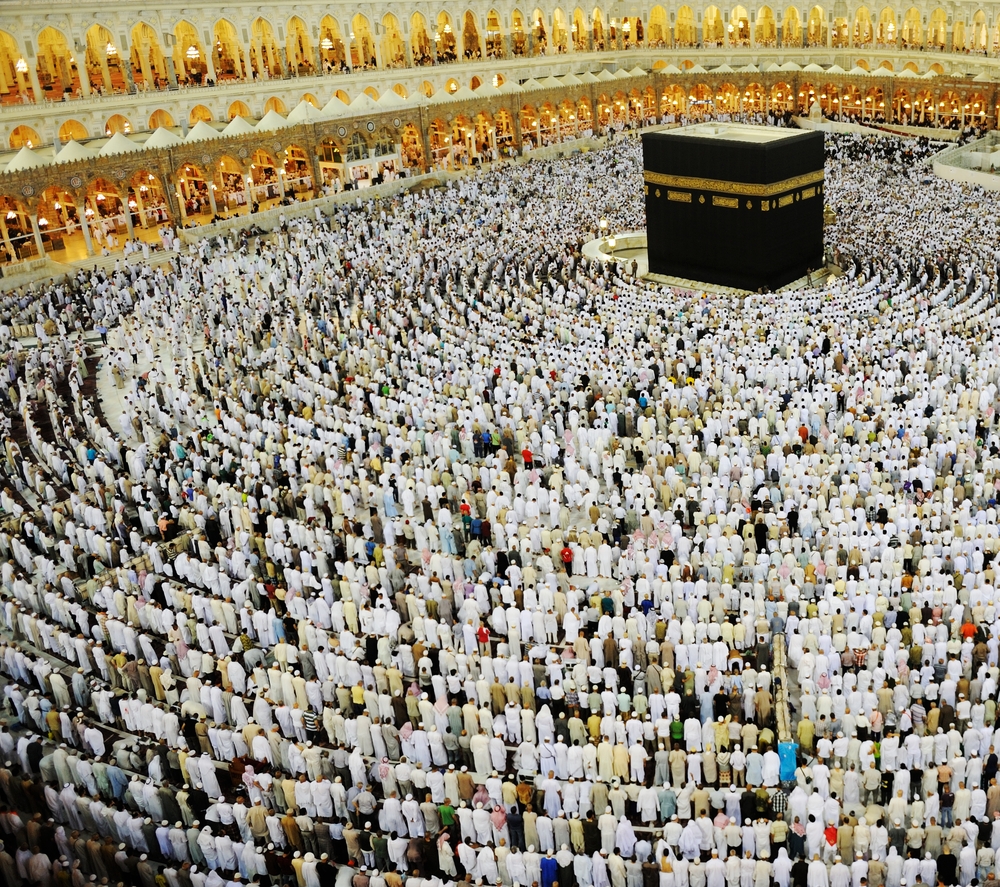
Image of pilgrims at the Kaaba from Shutterstock
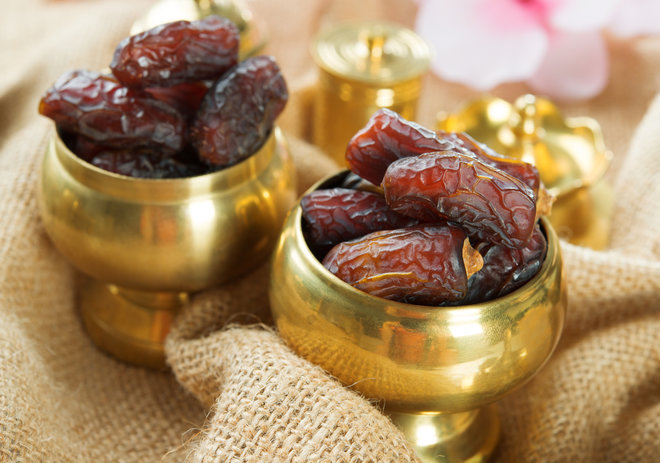
Dates, A Global History, by Nawal Nasrallah BOOK REVIEW

17

freshly dried dates

In the Middle East, date palms are a natural element of the landscape. The towering trees adorn streets and march down road medians. They sprout out of private gardens and public parks. Come late summer, their gracefully swaying green heads send forth sturdy branches laden with heavy fruit clusters.

IKEA Sells Solar Panel Kits Directly to Home Owners

7

IKEA israel solar panels

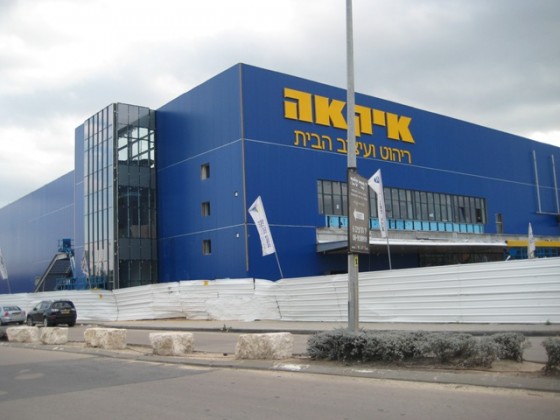
Move over Billy bookcases and Ektorp sofas because something more earth-friendly is about to be sold at IKEA. This Swedish-owned big box company is finally making some common sense for the planet: the company’s UK chain of otherwise throwaway furniture, will begin selling flat pack solar panel kits to its UK customers.

Bats Blamed for Deadly Middle East MERS Respiratory Virus

2

Deadly Bats full moonThe deadly coronavirus behind Middle East Respiratory Syndrome (MERS-CoV) has been isolated in a bat in Saudi Arabia, according to a report in the journal Emerging Infectious Diseases. The virus was found in a the feces of an Egyptian tomb bat, or Taphozous perforatus, a creature known to roost in abandoned buildings.

The Illustrated Man Could Be a Green Giant

0

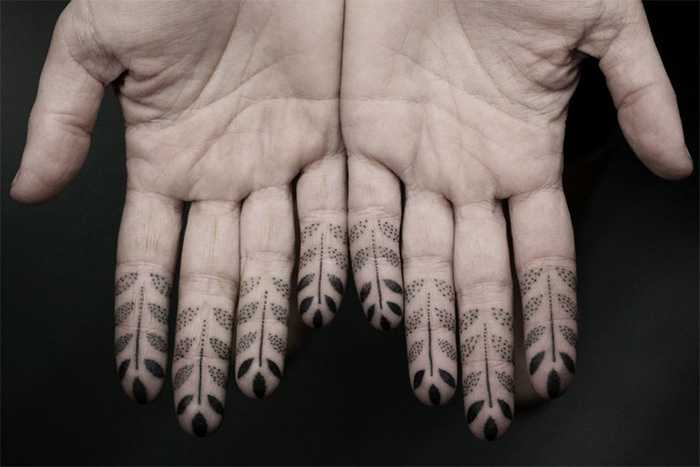
Kenji AluckyGreen Prophet applauds libraries-without-walls and mosques-minus-minarets for their minimalist environmental impact.  Does it follow then that we view the tattooed or henna’ed body as the most earth-friendly art gallery?

5,000-Year-Old Leopard Trap Discovered in Israel’s Negev Desert

0


ancient-leopard-trap-israel

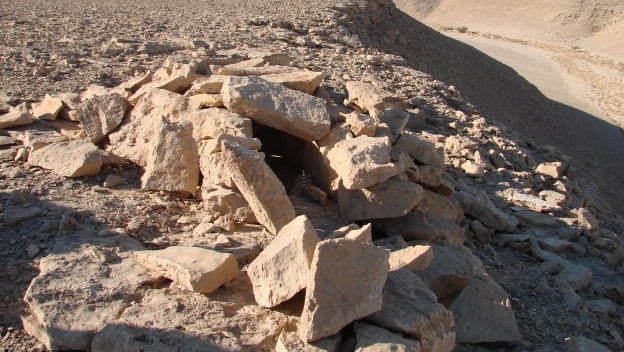
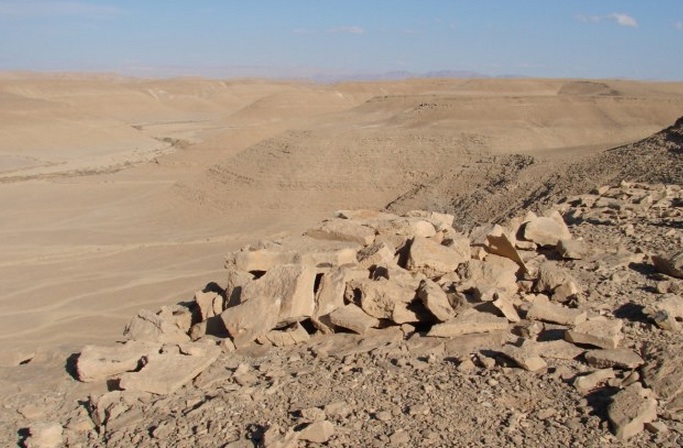
It’s easy for us to think of modern humans as the sole destroyers of all things living, but ancient humans also competed with other predators, using traps. This includes nomadic people from what is now Israel’s Negev Desert. A 5,000 year-old leopard trap, made from piles of stone, was just identified in Israel.

Algeria’s Controversial Love Lock Bridge Rebrands Suicide

3

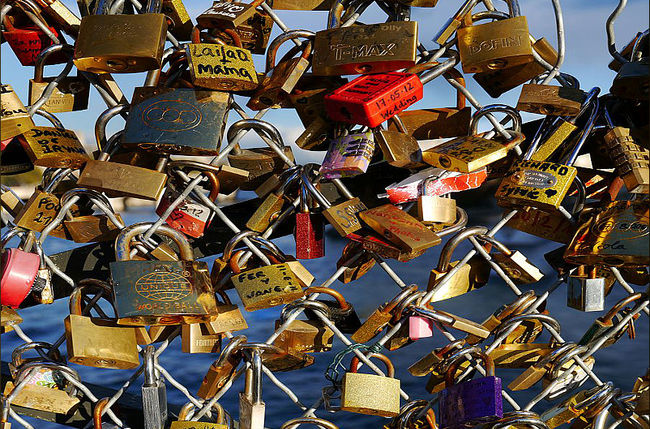
Algerian love bridgeInspired by the “love lock” phenomenon that covers the Parisian bridge Pont des Arts, three Algerian journalists have kicked off conversion of a bridge in Algiers popular with suicides into a “bridge of love”. 

Raft of Turkish Protests Remains Powerfully Afloat

0

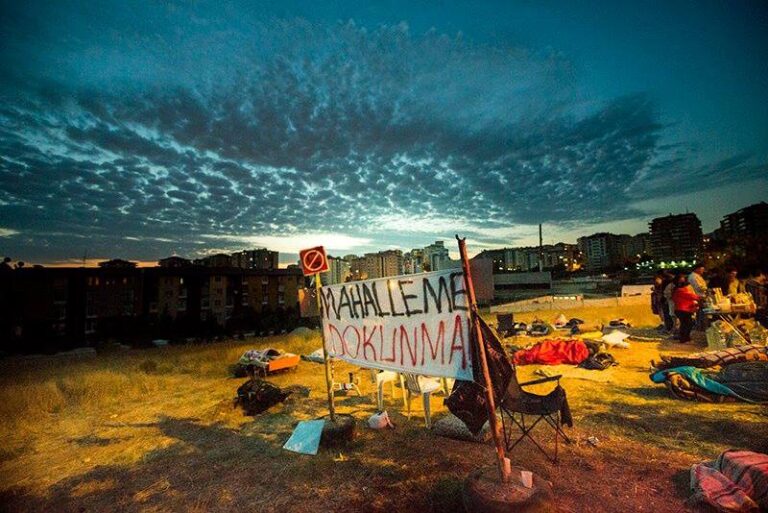
META protestsInternational media is streaming updates on Syria, Big Brother antics by USA and UK intelligence services, and British buildings that can melt cars, but hardly a word on continuing protests in Turkey.  And they are continuing despite chronic under-reporting by Turkish press.

Flip America’s Cup Loss Into an Environmental Win: Here’s How

0

emirates new_zealand_ac72_sailboat americas cup 2013
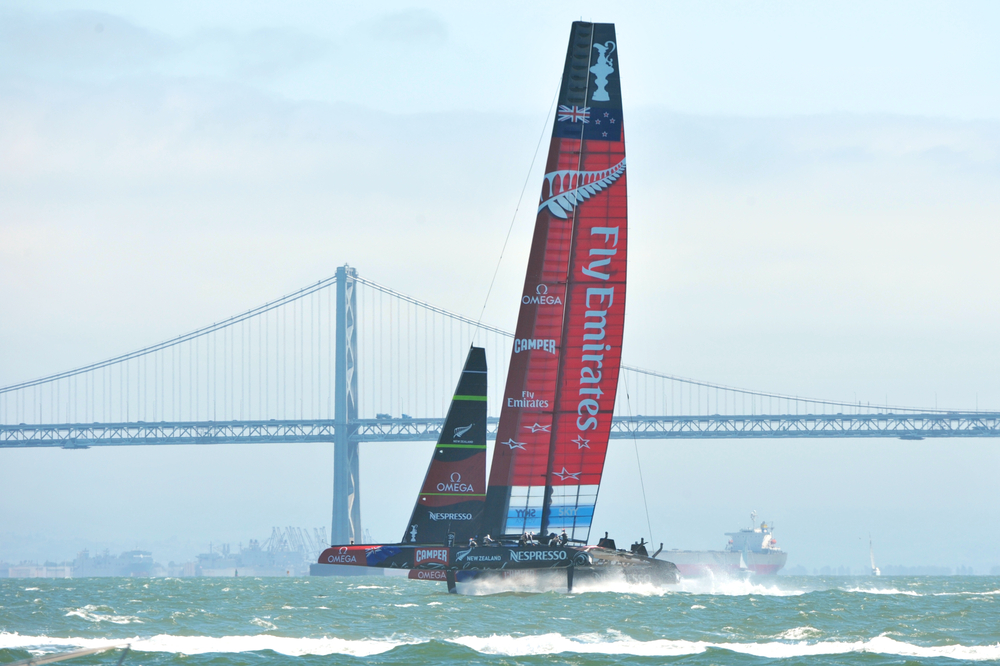
The 2013 America’s cup will be long remembered as one of the closest matches in sailing history and one of the most unlikely comebacks in sporting history when Emirates Team New Zealand came within seconds of securing the America’s cup; but eventually lost when Oracle’s team USA followed a two race penalty and six race losing streak with nine straight wins.

UN Blames People for Global Warming, Warns of Dire Consequences

5

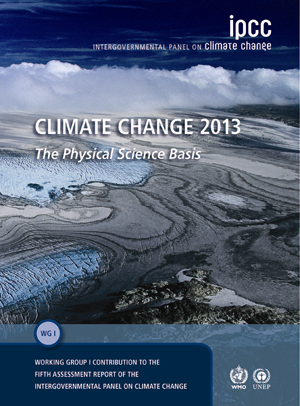
ipcc-un-climate-change-physical-basis-report

Just when the weather was cooling down in the Middle East a little, we get woke up again with the usual alarm and this time from a United Nations panel: humankind is to blame for global warming, the Intergovernmental Panel on Climate Change warns in a new report just out.

Security Hampers Pakistan Quake Efforts

6

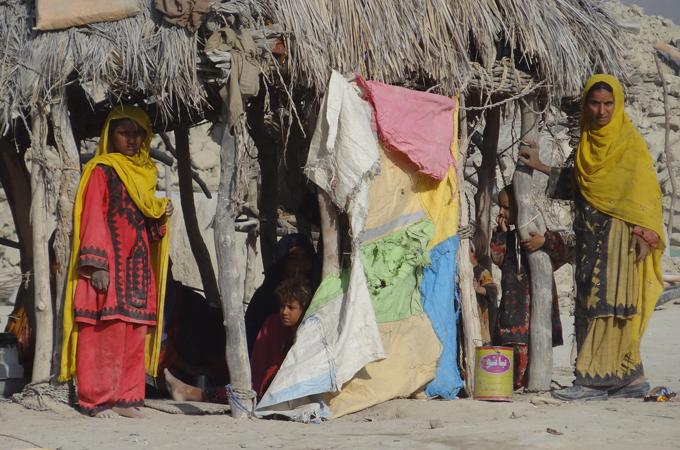
Balochistan, Pakistan, earthquake, emergency aid, relief work, insurgents, occupied territoryEn route to aid thousands of people injured and displaced by a devastating earthquake in Pakistan that killed at least 350 people on Tuesday, a military helicopter dodged two rockets fired from the ground.

The Guardian Uncovers Modern Day Slavery in Qatar

10

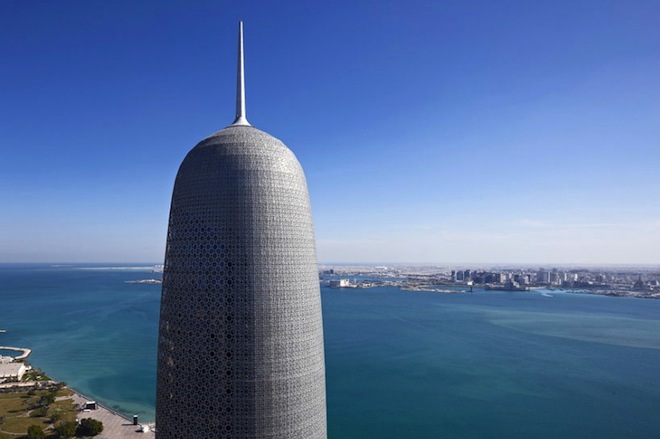
Doha, Qatar, Burj Doha, Doha construction, migrant workers, modern day slavery, the guardian investigation, world cup 2022, Qatar

Almost as soon as Qatar won the bid to host the 2022 World Cup with a suite of swanky solar-powered stadiums, activists started clambering about the emirate’s terrible working conditions. Turn’s out, their warnings were dead on.

The Iconic VW Van in the Middle East

2

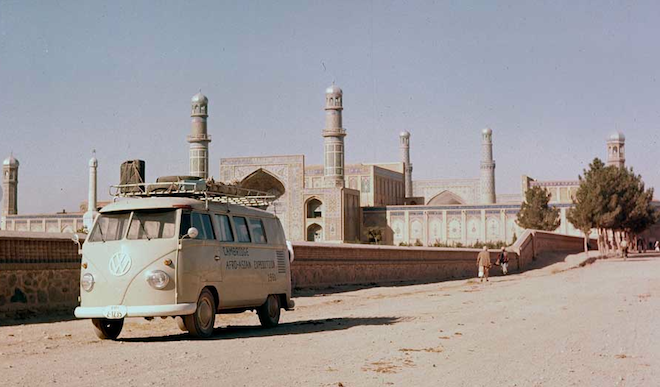
VW Bus, Middle East, iconic hippie van, nostalgic VW van tour, Middle East, Brazil ends VW van production, travel, autoVolkswagen’s “hippie van” was the preferred mode of transportation for peace lovers during the 1960s, but Brazil is shutting down the last production line this year to meet rigorous new safety requirements. See our nostalgic photo tour of VW vans in the Middle East.

Wildlife Thrive at Flooded ‘Arabian Canal’ in Dubai Desert

6

Arabian Canal, Richard Allenby Pratt, Dubai Desert, Wildlife oasis, Photography, travel

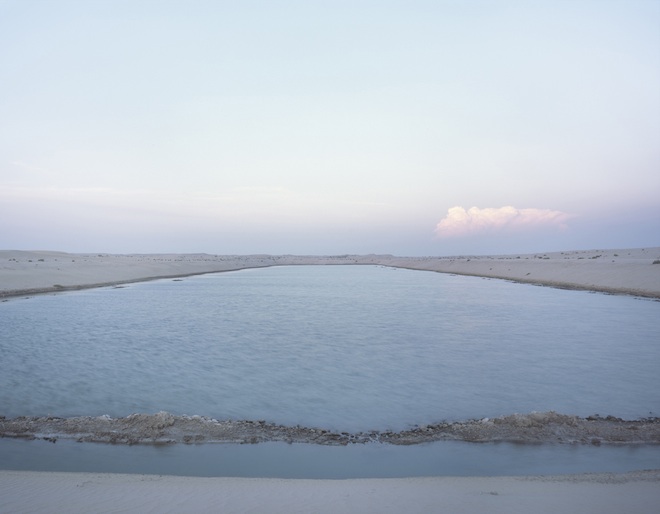
In my last post I described how I had discovered the remains of a defunct development known as the ‘Arabian Canal’ in the desert some 30km outside Dubai. This time I’m featuring one of these remaining waterways which is still, mysteriously, flooded, despite having been abandoned some 4 years ago.

Elephant Ivory Racket Linked to Westgate Mall Terrorists

0

Al-Shabab, poaching funds terrorism, Ian Saunders, Israeli mall in Kenya, Westgate Mall attack, ivory is East Africa's OpiumWe interviewed Karl Amman about illegal wildlife trafficking at the Westgate Mall in Nairobi about two years ago. Since then, increasingly violent poaching incidents have been linked to terrorist groups such as al-Shabaab, which recently claimed responsibility for an armed attack on the Israeli-built shopping center in Kenya.