
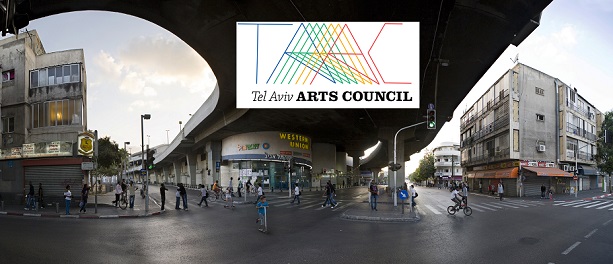
 I guess you could say that I have a love-hate relationship with Tel Aviv’s Central Bus Station. Love: because it’s where I met my first true love. Hate: because it’s a colossal monstrosity that traps you inside when you arrive there from anywhere.
Tour Tel Aviv’s bus station in its all its twisted cement glory
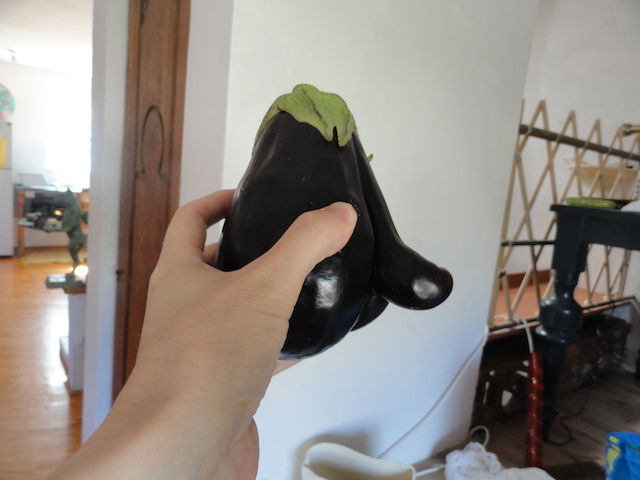
Erotic eggplant makes baba ghanoush more exciting [photos]
![Erotic eggplant makes baba ghanoush more exciting [photos]](https://www.greenprophet.com/wp-content/uploads/eggplant-pornography-wild.jpg "Erotic eggplant makes baba ghanoush more exciting [photos]")
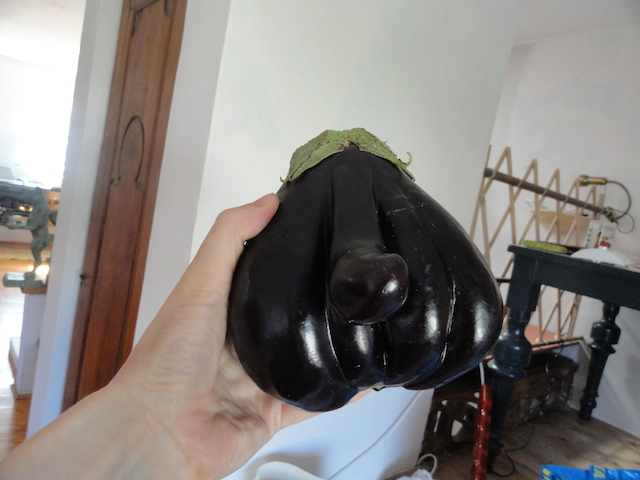
I am a fan of baba ghanoush, and I am a fan of food that looks erotic. In today’s way of conventional farming we’ve grown accustomed to getting that perfectly symmetrical eggplant or tomato.
Driba Atelier in Tunis – the bliss of unpretentious anarchic creativism
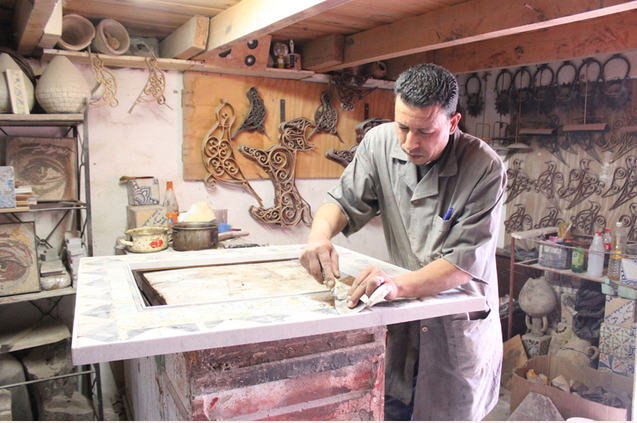
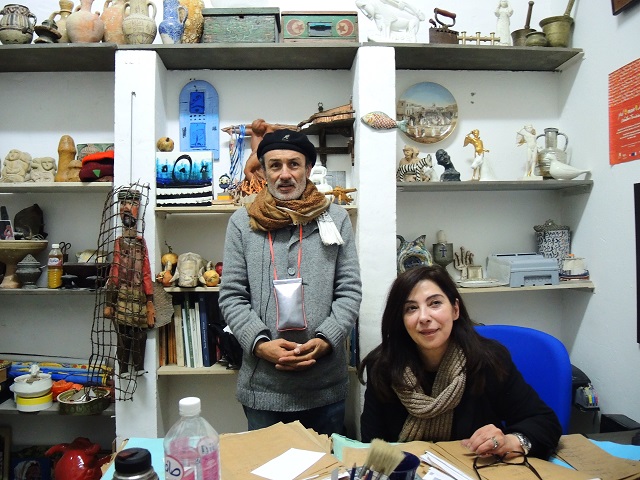
The Driba Atelier (or L’atelier Driba) in Tunis is one of those unique places that emanate a natural and humble love for creativity. Their motto “on travail pour le plaisir et avec plaisir” (we work for pleasure and with pleasure), their obsession: to restore objects from the past and preserve the Tunisian handicraft heritage.
Ancient pollen tells story from under the Sea of Galilee
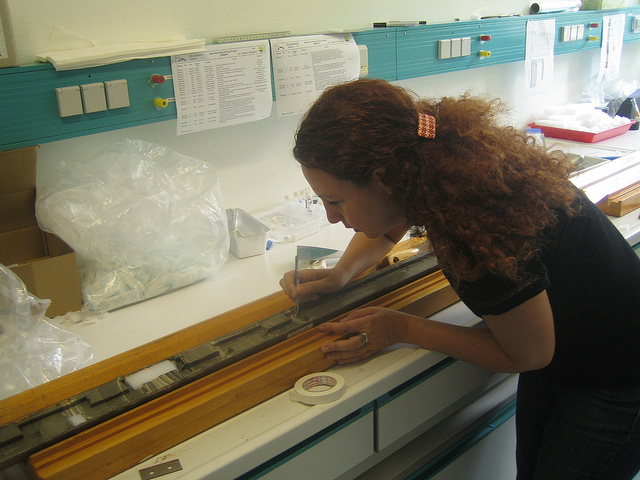
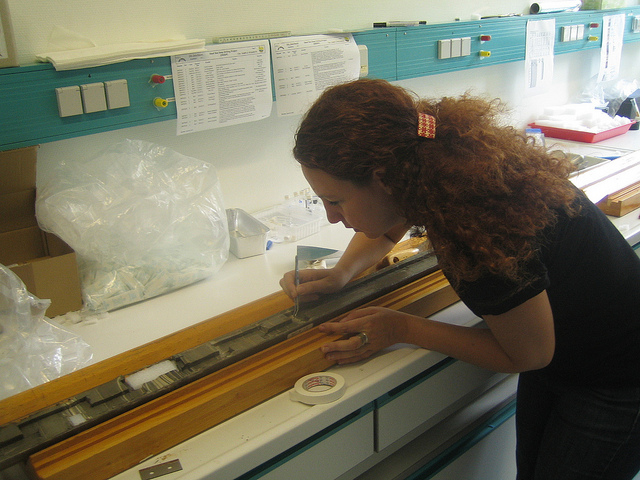 Like rings on a tree, layers of pollen can tell researchers much about climate patterns unrecorded in the centuries before there was science.
Aquaponics is farming with a fishing rod in Israel
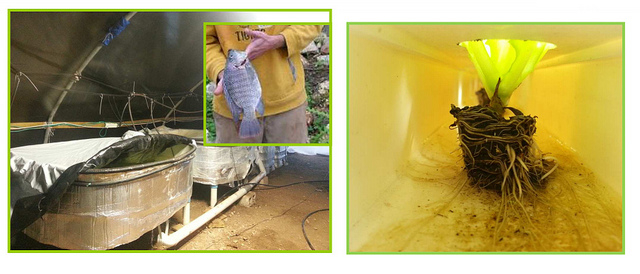
Chinese proverb: Give a man a fish, and you feed him for the day. Give him a fishing rod and feed him for life. New Israeli proverb: Give a man a fishing rod and a hydroponics farm, and you give him food and sustainable income for life.
The new Israeli proverb could be summed up in a word as aquaponics.
Moti Cohen is pioneering a new spin on an old method, in Israel. His approach is a combination of aquaculture (fish farming) and hydroponics (growing plants on water).
He’s building aquaponics farms and is consulting for agencies, such as the United Nations, on how to make aquafarms successful.
The idea is to create a circular farm that provides people with fish and plants to eat in a closed loop. The crops feed off the waste created by the fish, while the fish thrive on the oxygen made by the crops. Both become an important source of nutrients for the people –– with no waste, fertilizer or much water needed.
The “brilliant” idea is an age-old one, Cohen says. It is just starting to see a modern revival.
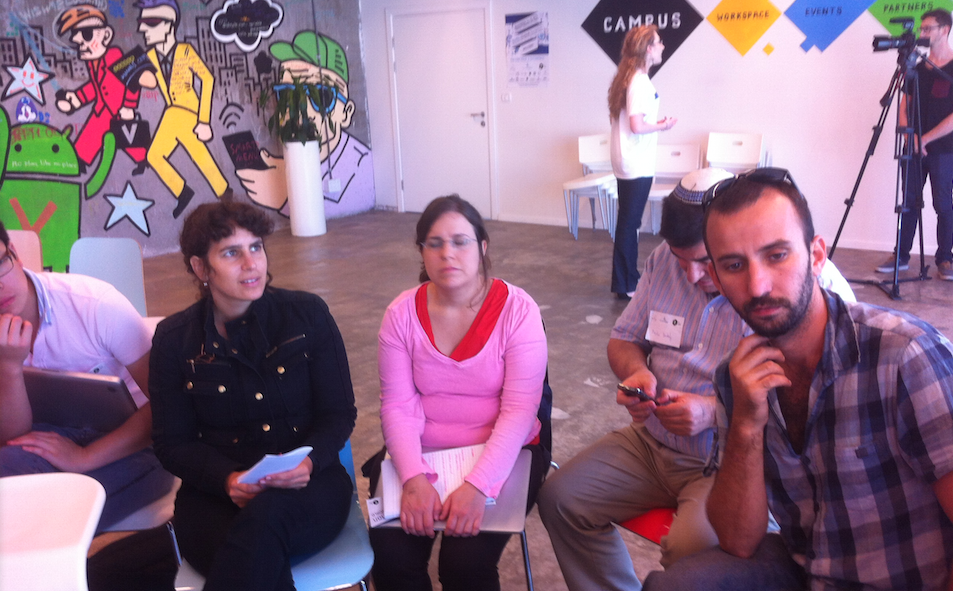 Moti Cohen (right) at a Google Hackathon in Tel Aviv.
In ancient Asia, for instance, rice growers discovered they got better yield when fish were in the rice paddies following floods. The Aztecs, too, developed aquaponics, and there are still people around the word growing using this method, Cohen says.
“It is an ancient method that we can bring up to speed now that we have electricity and fish ponds and great technologies to make aquaponics better than it ever has been,” he says.
The new movement is still young. “We are talking about dozens of years. We are still missing a lot of experts and refining the growing methods. People are inventing new things every day, and the promise is huge.”
Cohen’s private company based in Hofit, Israel, is called LivinGreen Urban Ecosystems. They have built nearly 1,000 aquaponics systems, mostly based on individual needs.
Some are do-it-yourself kits, while in other instances Cohen will operate as a special consultant to NGOs or aid agencies to help them get their self-sustaining farms off the ground and sometimes off the grid.
Systems built with customers in mind
“Our approach is to the customer,” he says. “This is our main advantage. We are not just doing aquaponics.
“For instance, there is a hotel in Zanzibar and we have started talking about doing projects there. They have to buy all their fish and plants to eat from the mainland. But we can support the hotel in an integrated system right on the island.
“We can also connect with Israeli companies like Eco Gas, using hydroponics and biogas, so it really varies.”
The beauty of it all is that the “farms” can be built on rooftops or vertically, wherever space or land might be a challenge. Cohen has consulted for the United Nation’s Food and Agriculture Organization (FAO) with UK partner Christopher Somerville. Together they wrote the aquaponics manual for the FAO.
Cohen has given technical support even to urban farmers in Gaza, the West Bank and Jordan. With Somerville, he is working to advise a group in Ethiopia on building “smart fish” greenhouses. There is another non-profit in Cambodia.
Aquaponics provides fish and crops in a closed-loop system.
LivinGreen employs four people and was founded in 2010. Cohen, 32, studied at the School of Marine Sciences in Michmoret, not far from Hofit on the Mediterranean shore.
Today, led by Cohen, the unique company provides complete systems with consulting, special consultancy and supplies, as well as fish.
Researchers fine-tuning fish farms
Ben-Gurion University researcher Dina Zilberg heads a lab working to improve fish health on fish farms.
She says that while the scientific evidence is not yet there, she is sure that aquaponics –– rearing fish in ponds with plants in water that consume fish waste –– is much healthier for the fish than if they were without the plants.
Fish farming can be a pretty stressful environment for the fish, she says. She sees it in their fatty livers, probably from poor feed, or overfeeding, and what happens when one “rotten apple” of a fish can contaminate and kill others in the closed-loop system.
The main difficulty she sees with the widespread use of aquaponics is that it requires a certain amount of expertise in both fish health and plants. “In all these integrated systems, you need to be an expert while producing both plants and fish intensively. From what I know, many of the plants don’t do such a good job in removing all the nutrients and a biological filter is still required,” she says.
She thinks aquaponics might make the most sense for family farmers who might be operating smaller units for their own consumption.
Cohen agrees that aquaponics is not suitable for every place and time, and is not a silver-bullet answer for developing nations.
LivinGreen systems cost about $1,000 and up. Customers can expect about 80 pounds of fish a year from the most basic and small systems –– with lettuce and veggies aplenty.



Sensai says: Gaza girls do karate, even after marriage!

Women in this densely populated area of Gaza have a surprising new hobby — karate. Women of different ages, heights, social classes and backgrounds can be found at Gaza’s Karate Sports Club dressed in the classic white karate uniforms (known as Karategi in Japanese). They stand tall and barefoot. Some wear headscarves, some don’t.

Ungreen rich Arab playboys fly in cars to London for holidays [video]
![Ungreen rich Arab playboys fly in cars to London for holidays [video]](https://www.greenprophet.com/wp-content/uploads/Bugatti-Veyron-from-Dubai.jpg "Ungreen rich Arab playboys fly in cars to London for holidays [video]")
Why do super-rich Arabs drive around in ungreen super luxury gold Porches and other expensive cars while their poor countrymen face starvation?
Sow Much Good farmer a CNN hero for spreading her seeds at the urban farm
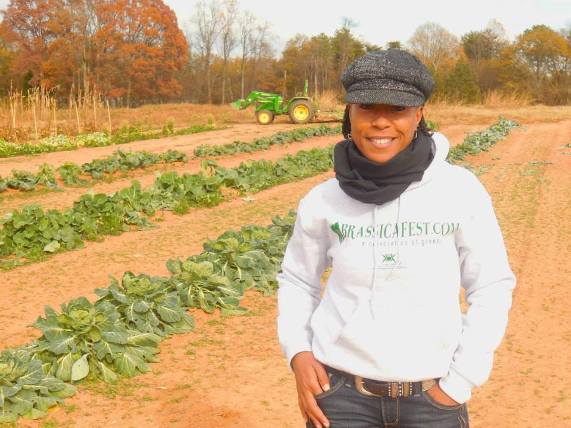
 Sustainable urban farming as a viable concept is now beginning to become popular in many parts of the world, including the Middle East.
London church unveils temporary replica of Bethlehem’s “separation wall” [video]
![London church unveils temporary replica of Bethlehem’s “separation wall” [video]](https://www.greenprophet.com/wp-content/uploads/Replica-of-Bethlehem-Wall-London.png "London church unveils temporary replica of Bethlehem’s “separation wall” [video]")
Too many people have an idealized picture in their head of what Bethlehem looks like today, but St. James Church in central London aims to change that with an 8 meter temporary tall wall that obscures the church’s façade.
Calatrava’s Sharq Crossing adds 3 bridges and an elevated park to Doha’s skyline
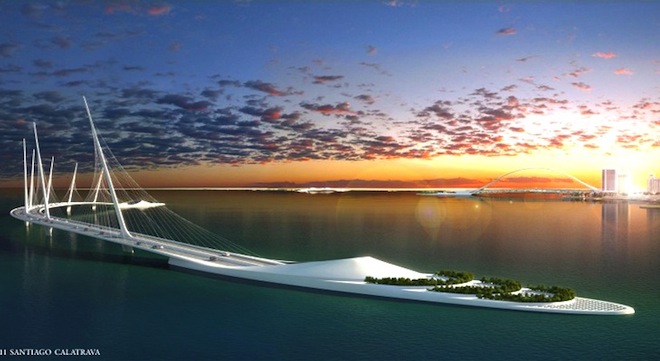
Renowned architect Santiago Calatrava, who is most famous for his spectacular bridges, has unveiled a radical new design for three bridges and an elevated park that will completely transform Doha’s skyline in time for the 2022 World Cup in Qatar.
Teens make stunning snow sculpture of Petra


When you think of Jordan’s Wadi Rum, Lawrence of Arabia and a hot and dry desert might come to mind. And Petra too. Well when Jordanian teens need to make lemonade from lemons, or snow castles from the freak snowstorm last week, they made a castle relevant to their region! Petra.
Transformer train station built to withstand rockets!
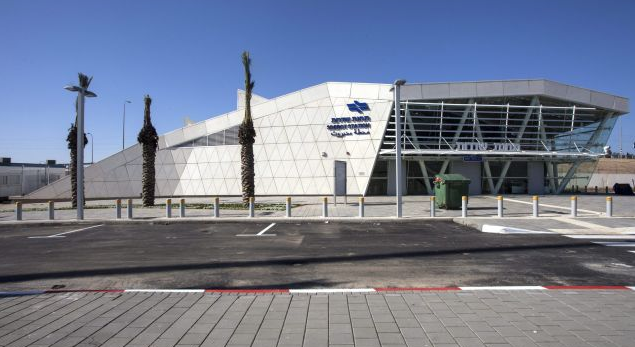

Public transport is a must, even for people who live under the toil of troubles and conflict. The Israeli town Sderot that borders the Gaza Strip has just got its first train station, linking them in a sustainable way to the center of the country.
10 Ways To Reduce Holiday Waste

Frankly, we’re hoping that the above image of holiday shoppers makes you a tad uncomfortable. To enjoy holidays as greenly as possible, buy or make meaningful gifts that add to joy, not more trash to landfills. Here are 10 ways you can reduce the inevitable waste that accumulates after the last gifts are unwrapped.
Qatari coastal city to double in size but won’t kill the mangroves (photos)
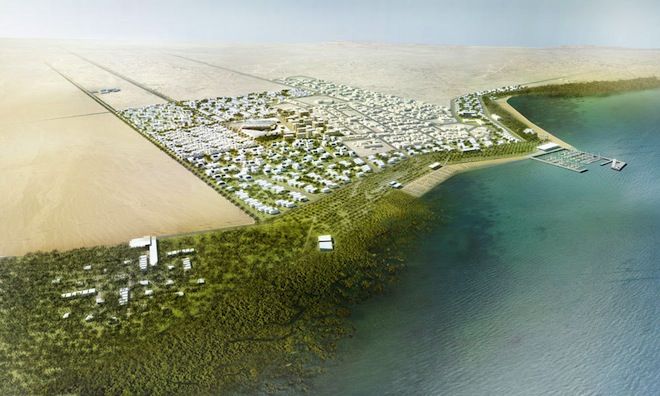
Qatar is spending billions of dollars to prepare for the 2022 World Cup and some of that money will be used to expand Al Dhakira, a coastal city just 37 miles outside of the capital Doha that has protected mangrove forests to the north and south.