
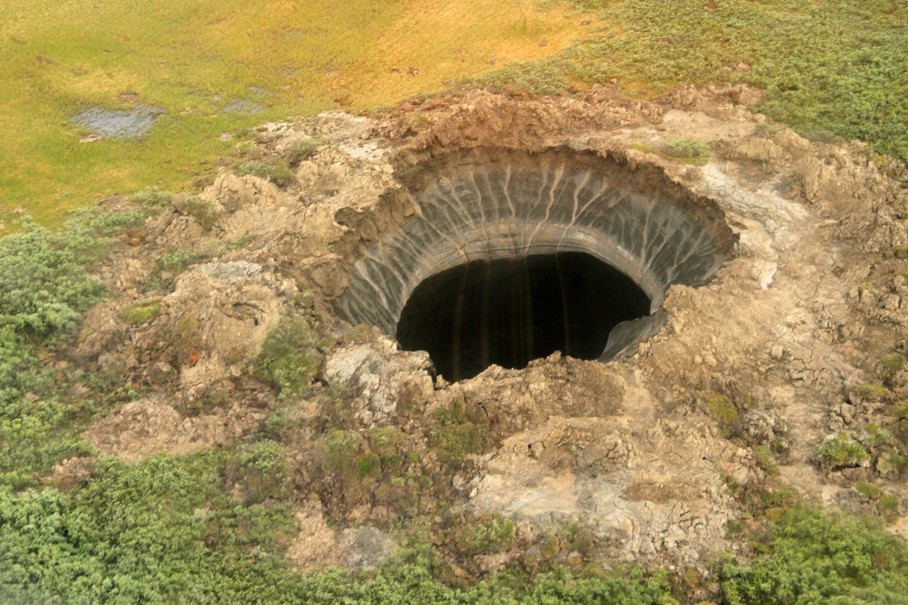
 In 2011, scientists warned that giant plumes of methane gas could fast-track planetary warming. And now – a version of this prediction has come to pass in Siberia. Despite being at the “ends of the Earth,” Yamal Peninsula’s three methane craters contain a cautionary tale for us all.
How Siberia’s methane craters affect the whole planet
Scientists make spray-on solar cells efficiencies close to silicon
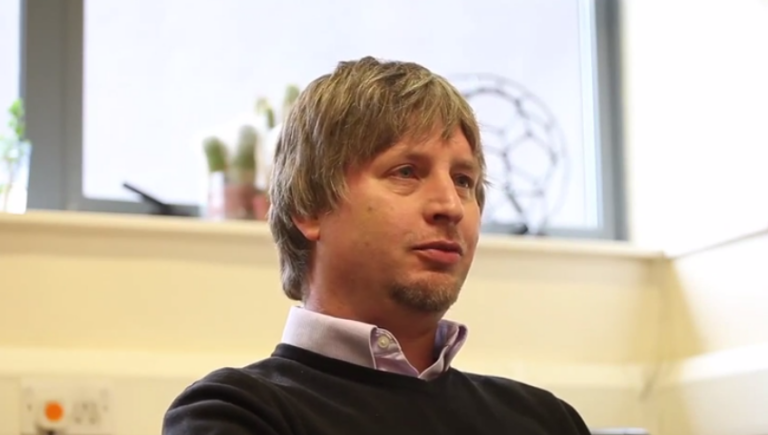
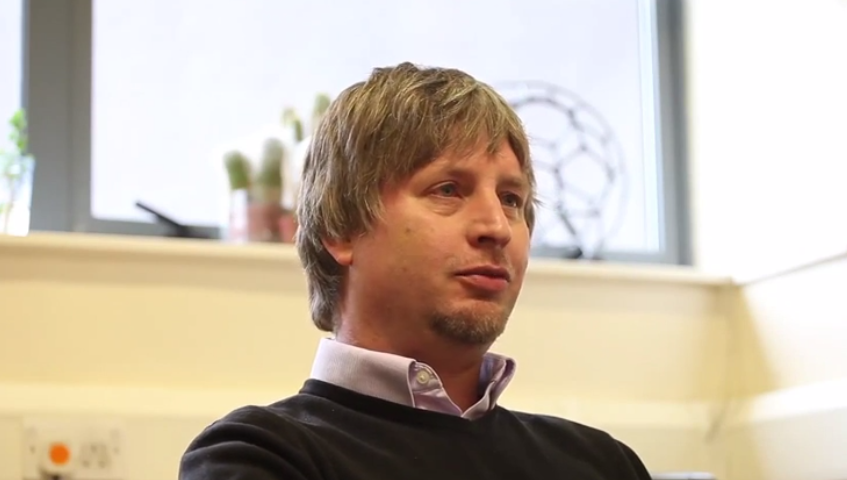
To date the most efficient way of making solar cells is using silicon. Now a team of scientists at the University of Sheffield in the UK is the first to fabricate perovskite solar cells using a spray-painting process – a discovery that could help cut the cost of solar electricity.
Eole’s double-duty turbines wick water from wind

Pull free, safe drinking water straight from the sky!
The earth’s atmosphere is a huge freshwater reserve, packed with 13,000 cubic kilometers of moisture, yet over 150 million of people worldwide lack access to safe drinking water. Green Prophet has reported on billboards that harvest clean water from air. A company called Eole Water has taken the same concept and “built a better mousetrap” – or in this case, better wind turbine – retooling technology to siphon 1,000 liters of clean water a day from the same wind that is used to generate renewable energy.
They’ve been testing their prototype in the desert environment of Mussafah, on the outskirts of Abu Dhabi. Results indicate that this self-sufficient wind turbine (powered by a combination of solar and wind energy) is capable of producing up to 1,000 liters of potable water on a daily basis.
This system sidesteps a need to connect to a wider power grid, and its intelligent maintenance management system makes it particularly well suited to areas with little or no access to basic infrastructure.
 It employs a condenser with a moisture exchange surface that is one meter wide and five kilometers long. Built from a revolutionary “food safe” alloy, it can sustain the water creation process for decades without risk of corrosion.
This new technology is maximally sustainable with air and sunshine being the only consumables. There is no carbon dioxide released, no groundwater drilling or water surface pumping. Collected water flows through a five-part water treatment system, including an ultraviolet filter, resulting in water that exceeds the drinking water standards required by the World Health Organization.
Components have been designed to withstand the most extreme climates with features such as:
- A hydraulic tilted mast able to withstand strong winds which does not require heavy lifting equipment for each maintenance operation
- Automatic shutters to protect against sandstorms and high densities of dust particles
- A remote monitoring system which enables our technical teams to detect any dysfunctions
There are similar technologies coming online all over the world which extract condensation from the air and convert it into drinking water. Many take on the added functionality of being able to provide drinking water to isolated communities. Technological multi-tasking with a green pedigree – it’s no wonder that last year Eole Water was awarded with a special Jury mention of “Enterprises and Environment Prize” in the category “Innovation in Technology”, organized by the French Ministry of Ecology, Sustainable Development and Energy.
See the haunting Rose of Jericho unfold in perfect form
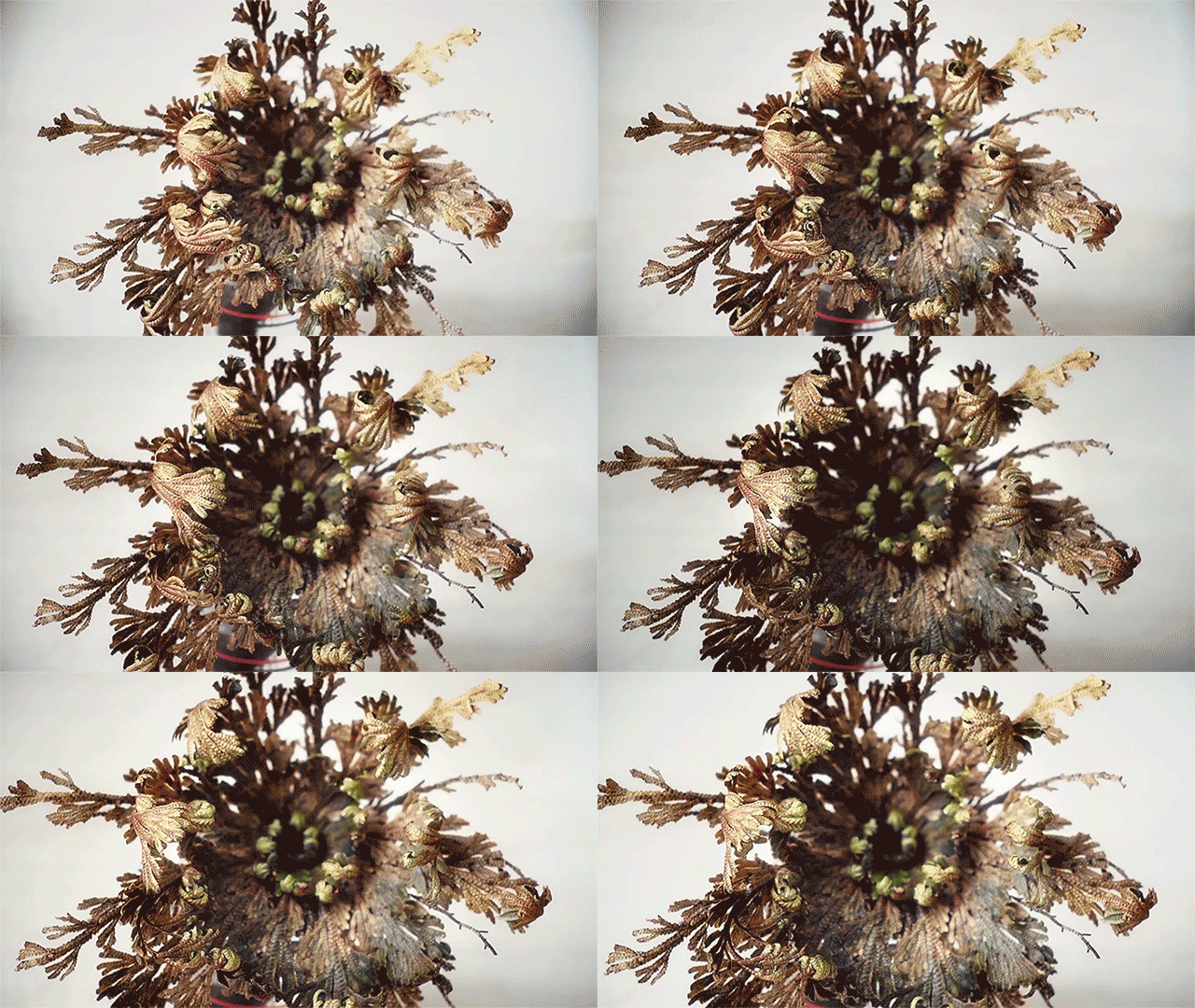
The Rose of Jericho (in this case Latin name Selaginella lepidophylla) is a type of desert moss found in Israel and Jordan which has the ability to quite literally ‘resurrect’ itself after extreme bouts dehydration, sometimes for years. Christians therefore call it the Resurrection flower.
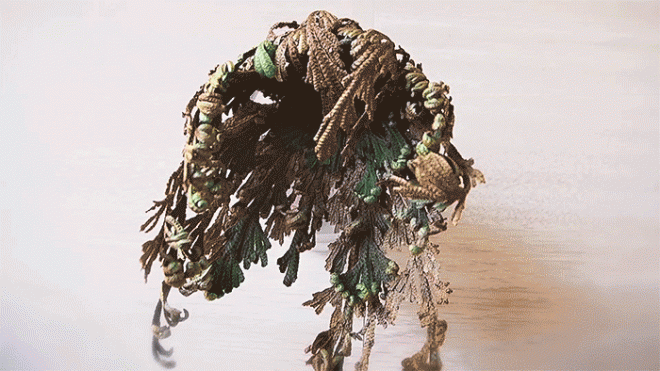

When you expose the Rose of Jericho to water, the result is breathtaking. After a few short hours it uncurls from a tight ball into a green flower. See this timelapse video below by Sean Steininger. And some gifs from the film.
I’ve seen the Rose of Jericho in dried form for sale at Christian pilgrim sites in Israel. No doubt if you look hard enough on your travels you’ll find it in the wild – just like the old miswak toothbrush spotted in the Dead Sea.
The Rose of Jericho as traditional medicine
The Rose of Jericho is also known as the Flower of Maryam and is used by midwives all over the Middle East. According to Baraka Birth, “traditional midwives have used the Flower of Maryam with their laboring mothers for hundreds of years.
“A quick glance at its names suggests its religious significance: it is referred to as the “leaf of Maryam” (mother of Jesus), the “hand of Fatima” (daughter of the Prophet ), as well as simply “daughter of the Prophet,” and “resurrection plant.”
“It is referenced in the Bible in II Kings 19:34-36 and in Psalms 83:13, “make them like tumbleweed,” here referring to the dried twiggy balls of Anastatica that disperse in the wind, scattering its seeds.
While you should consult a herbalist or your doc before trying this at home, people in the Middle East use the Rose of Jericho as a traditional medicine to treat various health conditions, including diabetes, asthma, the common cold, menstrual cramps, and arthritis pain, as well as to facilitate labor. I used black cohosh, via my midwife, but this could be an alternative. Again, always check a trusted source first.
People usually prepare it as a tea using its seeds or dried leaves and flowers.
How to plant your rose of Jericho
To “plant” your Rose of Jericho, fill dish with pebbles or gravel and add water until the pebbles are just submerged. Place your Rose of Jericho on top with its roots touching the water. While the plant can survive with almost no water if necessary, it can rot if overwatered. Over-watering plants, or over-loving them as I like to say, is the reason why most houseplants die.
But you came here to see The Rose of Jericho unfold. More below.
If you are addicted – watch the full life cycle of the Rose of Sharon come to life in this time lapse video:
Old domed Arabian architecture transformed into playful murals
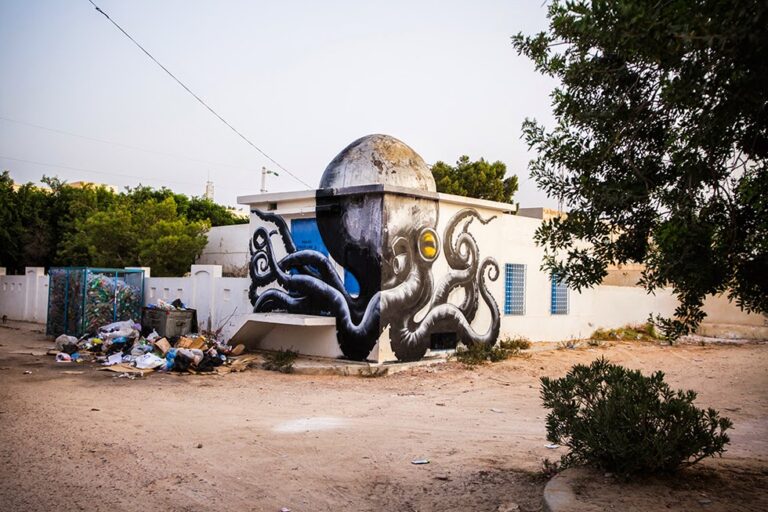
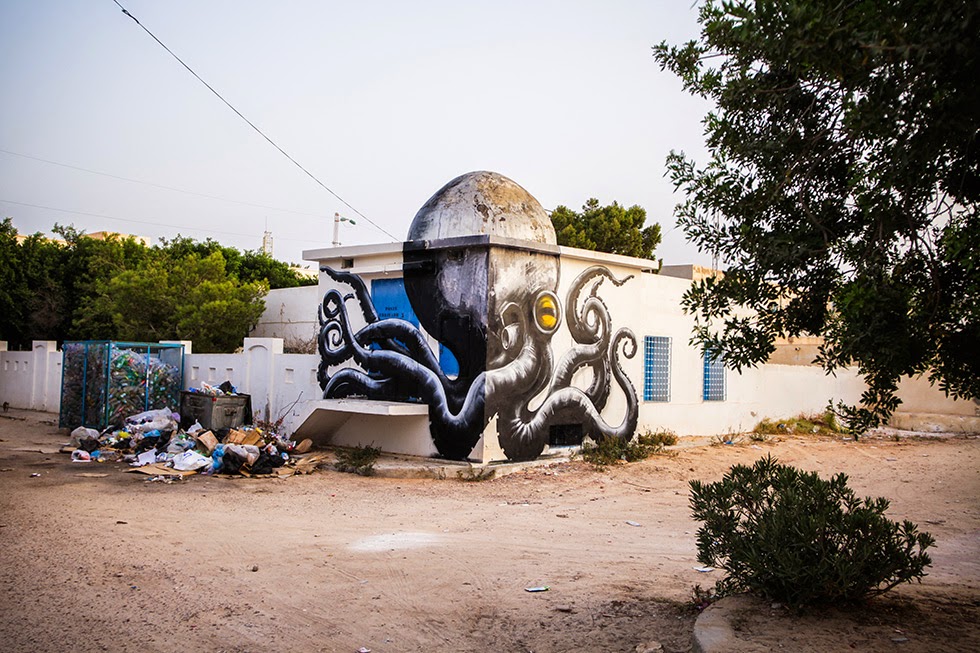
Street art helps the young generation cope with discontent and dissent- making space for fresh ideas, while preserving old values. At least that’s how we see it in this fantastic series of Tunisian murals which take the old Arabian domed style architecture in Tunisia and playfully interacts with it.
Wood and aluminum designs and unusual burnt edges
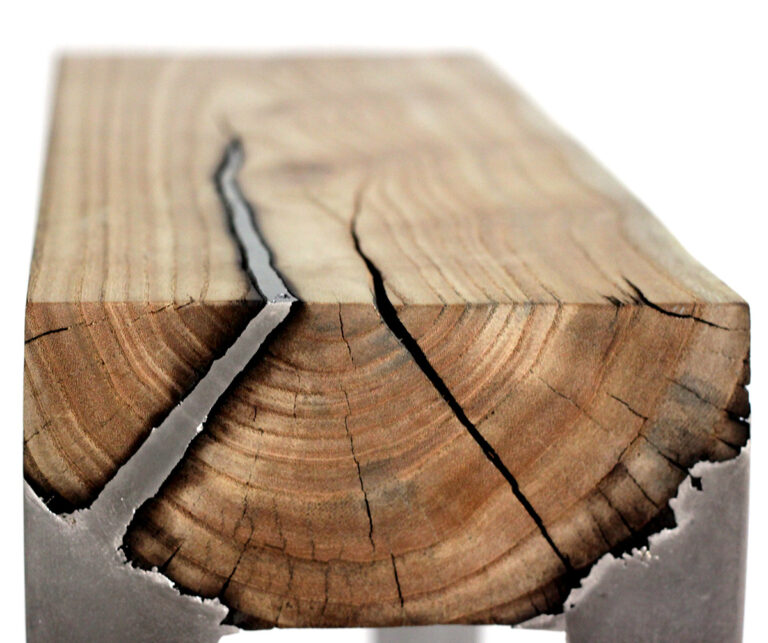
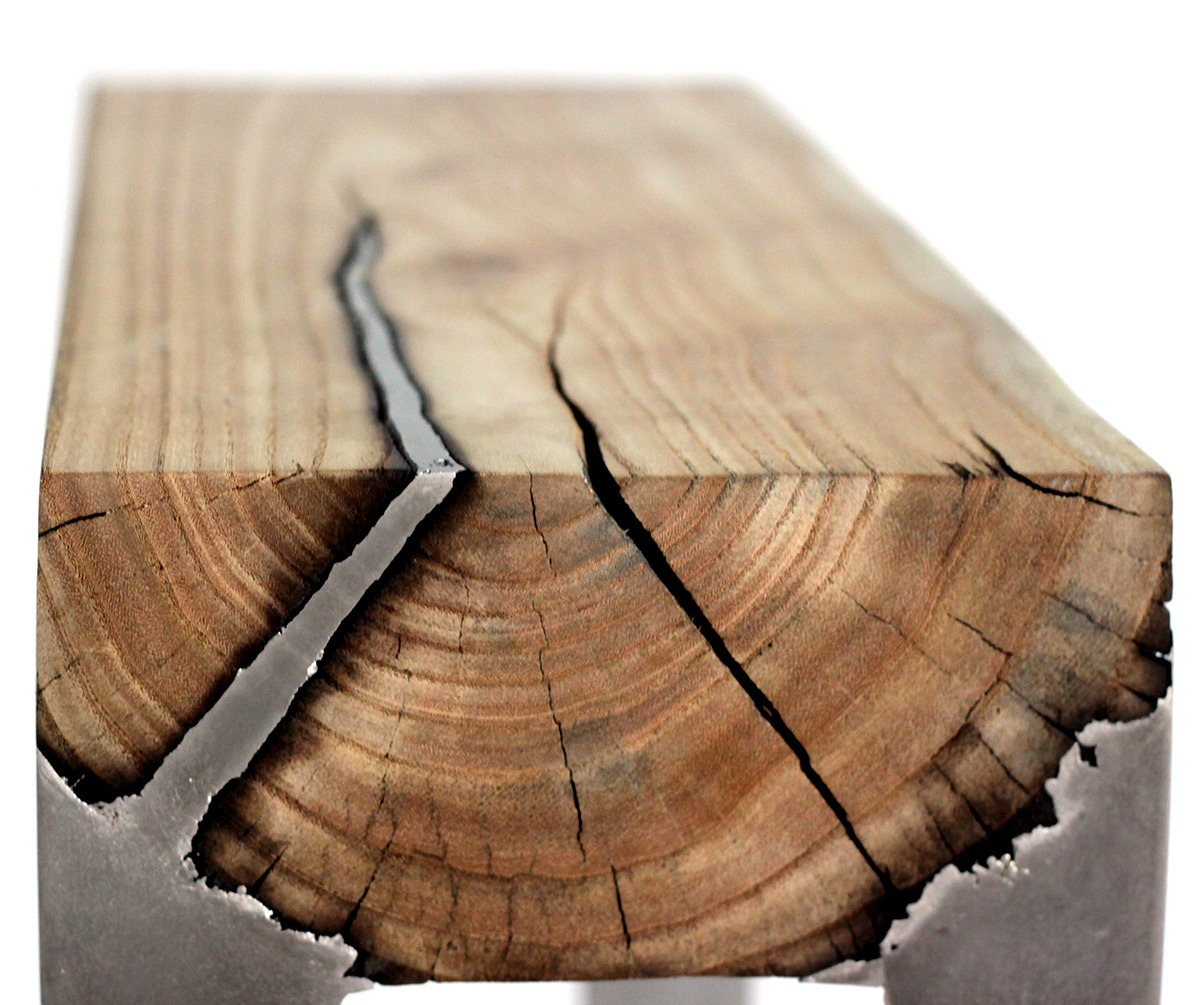
Israeli designer HIlla Shamia has found a way to mix “oil and water” or aluminum and wood – two materials I’ve never seen fused together. The product designer has created a novel way to meld both poured aluminum with irregular wood chunks to create modern tables and benches with a warm industrial feel. Old world and new world in one.
Massive landfill dump transforming into central park
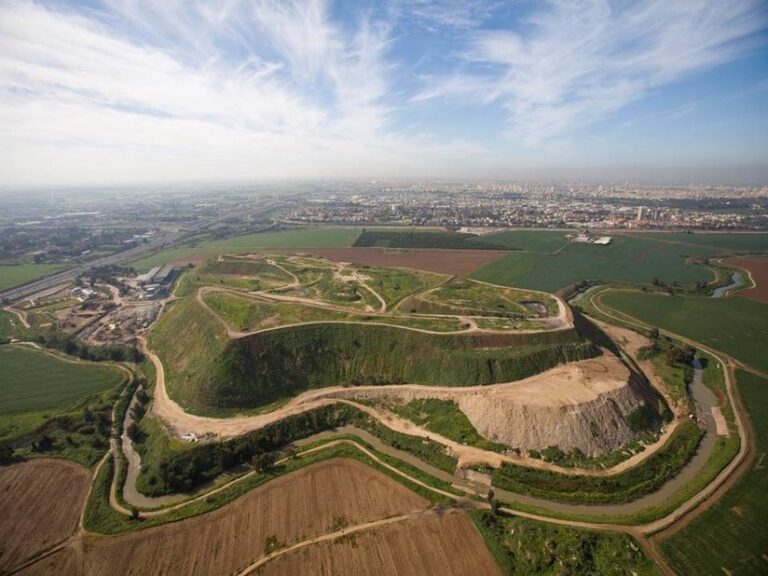
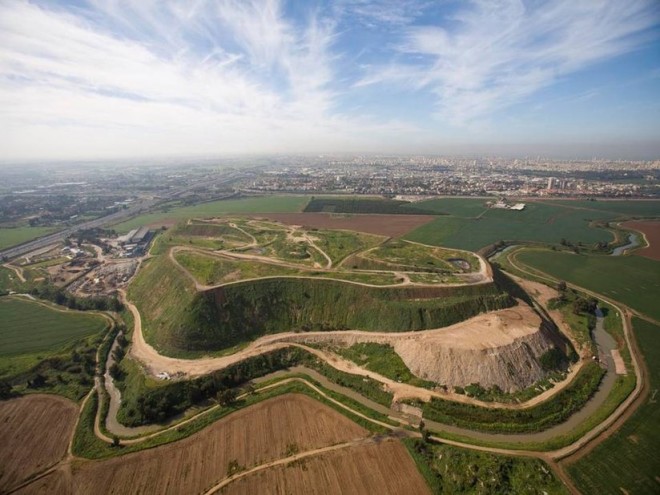
Israel’s Hiriya Park, also known lovingly and totally sarcastically in some circles as shi*t mountain, is the one thing you’ll notice driving from the airport to Tel Aviv. It used to be where where Tel Aviv sent all its stinky trash, and baby diapers. Now it’s becoming Tel Aviv’s Central Park.
Mysterious, possibly radioactive lake appears out of the blue in Tunisia!
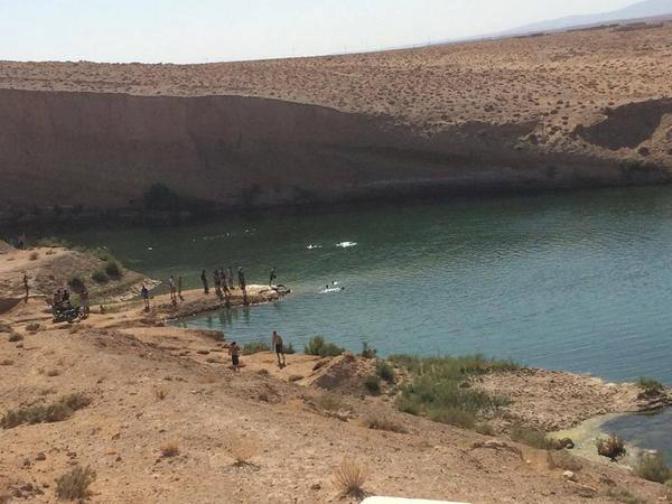
Tunisia offers other-worldly landscapes, fantastical and mysterious. Did you know that four of the Star Wars movies were partially filmed in the southern part of the country? (Tunisia had a starring role as the planet Tatooine). Now, adding to the Atlas mountains and Sahara desert, the tiny republic has another tourist attraction – a newborn lake.
Jordan’s 52.2 MW Shams solar energy PV plant built with First Solar
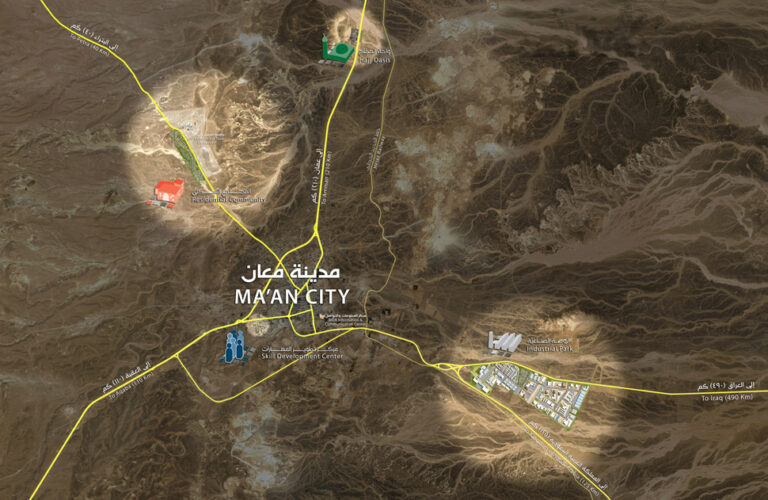
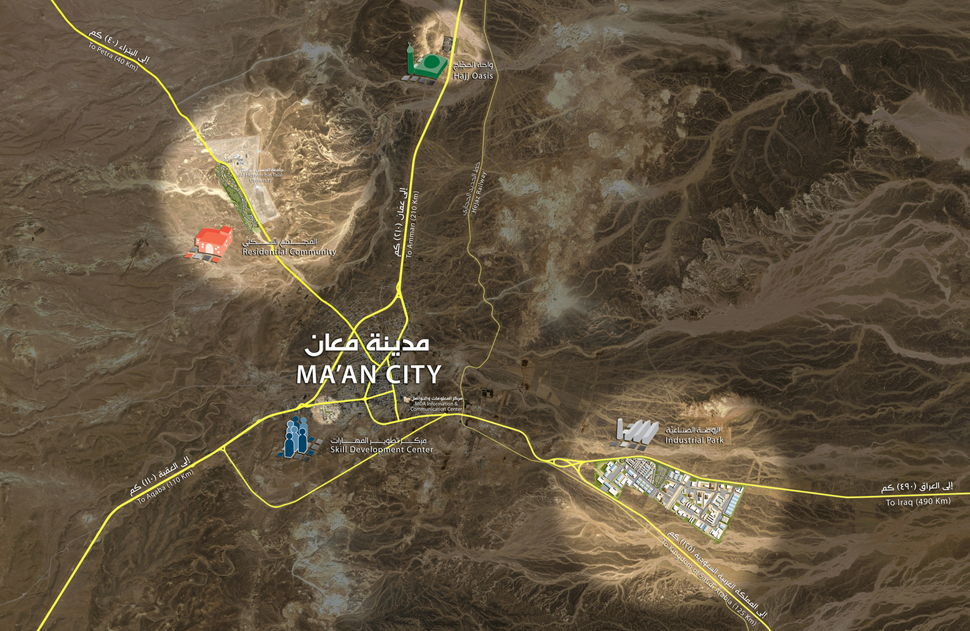 Two years after passing its Renewable Energy and Efficiency Law (REEL) Jordan is moving forward with what will be the largest largest solar photovoltaic (PV) installation in the Middle East. Construction will begin on the 52.5 MW Shams Ma’an facility in early 2015 with completion in 2016. Shams is the Arabic word for “sun”.
Responsive floating agriculture to feed the Middle East?

Forward Thinking Architecture has designed floating farms for Singapore, a country that shares many of the problems we have in the Middle East – food insecurity, lack of land, and a rapidly growing population. We think this design might be appropriate for our region as well.
A subsidiary of JAPA, an ideas lab, Forward Thinking Architecture proposes that responsive floating agriculture can ease both present and looming food shortages.

Building on existing floating fish farms in Singapore, the concept comprises networked floating structures with a looping configuration that are equipped with rotating racks full of lettuce, broccoli, cabbage, spinach and other crops that can be grown year-round.
Related: flux home device makes is easy for anyone to grow food using hydroponics
The loop design helps to maximize the amount of sunlight that is available and creates an appealing aesthetic that won’t deter from the surrounding landscape. This is important because the farms will be set up adjacent to the city on waterways, where people often congregate during their leisure hours.
And then there’s the “responsive” aspect of the design.
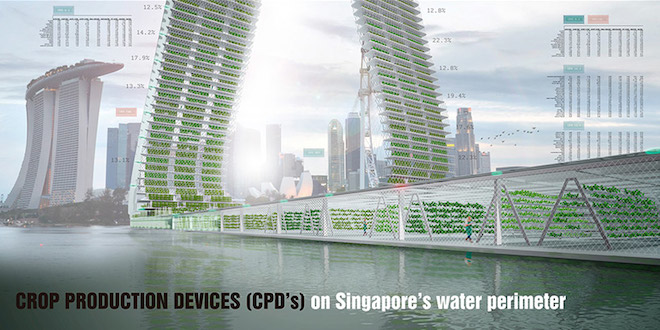
Neighborhoods in the city can each ‘order’ precisely what they need by communicating their requirements via a tech layer that crowns each floating farm. This not only helps to reduce food waste, but also reduces carbon dioxide emissions associated with food miles (how far food has to travel) and imports.
Using aquaponic and hydroponic systems, these floating farms also help to conserve water – as most vertical growing systems do, although being outside does increase the likelihood of evaporation.

One concern we might have is the extent to which air pollution, which grows alongside the population, would affect the quality of the food being grown. It’s not completely obvious whether the design team have included some kind of mechanism that would filter the air to avoid contaminating the plants.
Otherwise – great design. What do our readers think? Is this an appropriate solution to our food, water, and land shortages?
:: Designboom
الإمارات تنوي إرسال أول مسبار عربي إلى المريخ في 2021

أكد الشيخ محمد بن راشد آل مكتوم، نائب رئيس دولة الإمارات و حاكم دبي، نية الدولة في إرسال مركبة فضاء إلى المريخ بحلول مارس من العام 2021، لتكون أول محاولة جادة لاكتشاف الفضاء تنطلق من الشرق الأوسط
و قال الشيخ في تغريدة: هذه المنطقة مهد لحضارات كثيرة و عظيمة. باستطاعة العرب إثراء الموروث العلمي الإنساني من جديد بوجود الإمكانيات اللازمة
و طبعا، لإنجاح هذا المشروع الضخم، يجب أولا إنشاء وكالة فضاء لتتكفل بتنظيم جميع المجهودات اللازمة لإرساء مسبار على الكوكب الأحمر
و قد قال الشيخ في تصريح لمجلة ’فيرج’ أن الوكالة ستكون مسؤولة عن تنظيم هذه المهمة الفضائية، بالإضافة إلى تنمية قطاع الصناعات الفضائية في الدولة و الذي من شأنه تحسين الإقتصاد المحلي بشكل عام. و بالفعل، بدأت الدولة سلسلة من الاستثمارات الضخمة في تقنية الفضاء، حيث قامت بشراء عدد من الأقمار الصناعية بقيمة 5.4 مليار دولار
و قد أعلنت مؤسسة الامارات للعلوم و التقنية المتقدمة التابعة لحكومة دبي عن خططها لإرسال مسبار ثالث إلى الفضاء في العام 2016، و ذلك لتعزيز نظام ياسات للبث، بعد أن أطلقت سابقا مسباري دبي-سات-1 في العام 2009 و دبي-سات-2 في العام 2013
و علق الشيخ على هذا الطموح الفضائي قائلا: يعتبر إطلاق المسبار إلى المريخ بداية للعرب و المسلمين لدخول عصر الفضاء و استكشافه
و كانت قد دعت دولة الإمارات لإنشاء وكالة فضاء عربية منذ العام 2008، و لكن تورُط عدد من دول المنطقة في نزاعات سياسية مَثل تحديا لأي مشروع ضخم يعتمد على قاعدة علمية كهذا. و طبعا، هنالك من سينتقد إنفاق الدولة الكثيف في ’مشروع المريخ العبثي‘ هذا – كما قد ينعته البعض، و لكننا تأمل بأن يعود المشروع بالفائدة للجميع في المنطقة مستقبلا
و بالإضافة إلى تنمية التقنية الفضائية، فأنه يؤمل أيضا بأن يكون المشروع سببا في تخريج جيلا جديدا من العلماء و المكتشفين من المنطقة، عوضا عن الاعتماد على خبرات أجنبية في هذا الصدد. أما عن الإمارات، فباحتياطاتها النفطية و تقدير حكومتها للعلوم و التقنية، فإنها مؤهلة لمطاردة هذا الطموح
How fast can Africa’s Ebola outbreak move to the Middle East?

As if the Middle East hasn’t already had problems with serious infectous diseases, such as Mid East Respiritory Syndrome (MERS), an even more deadly virus, Ebola, may now be on its way there as well. Ebola is one of the world’s worst virus scourges and is now on the verge of becoming an international pandemic, according to World Health Organization (WHO) officials.
Could new rules finally curb shark finning in the UAE?
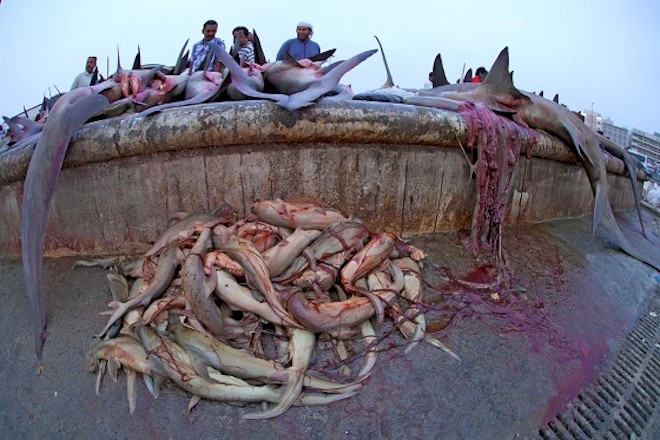
The United Arab Emirates has passed resolution 500 in an effort to curb shark finning and protect endangered species. Currently a hub for the shark trade, the United Arab Emirates (the UAE) will implement the new laws on September 1, 2014.
The new laws prohibit fishermen from catching sharks within five nautical miles off shore, and within three nautical miles of the islands scattered throughout the UAE. Also, any animals protected by the International Trade in Endangered Species of Wild Fauna and Flora (CITES).
This includes three species of hammerhead sharks.
While the new laws prohibit the export of sharks caught in UAE waters, whether they are smoked, fresh, dried, salted, frozen or canned, imports are acceptable and re-export of some shark species will also be permitted.
Although it could have been more, it is a positive step,” filmmaker and conservationist Jonathan Ali Khan told The National, adding the resolution defines the issue of shark fishing and trade more clearly and is “an important move forward”.
Related: Dubai marine life at risk after devastating shark catch
Fishermen will still be able to import sharks from Oman and Yemen, which is currently common practice according to The National, but detailed paperwork, which includes a certificate or origin, the shark’s scientific name, and a health certificate, will be required before those sharks can be exported to other countries.
Additional certification issued by the Ministry of Environment and Water will be required to trade sharks protected by CITES.
This is designed to protect endangered species and prevent finning, but there is some concern over whether customs officials and other authorities will be able to identify the sharks that need protection.
“The numbers of landed sharks from UAE waters are not the main issue, it is the re-export,” Ali Khan told The National.
“Will sharks coming from Oman and other countries be slowed down because of the paperwork? That is the real question.”
Read more on animal trafficking:
Ofir is stopping poaching in Cameroon
Dubai Porsche driver walks cheetah on a leash
Live Baby Leopard Found in Suitcase En Route to Dubai
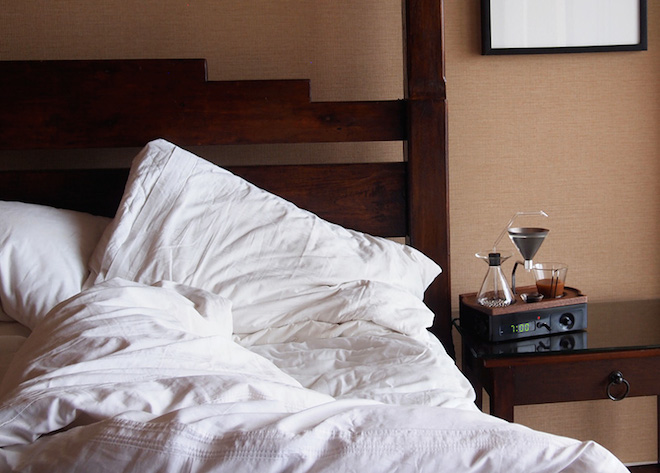
Barisieur – a hybrid alarm clock and brew machine for coffee addicts

After going several months without, I’ve fallen back into the habit of ‘needing’ at least one cup of joe to wake up, and I know I’m not the only one. Cue Barisieur from Britain’s Joshua Renouf.
“Motivated by playful designs which encourage interaction; and induce a cherished relationship with both the product and user,” Renouf designed a hybrid coffee maker and alarm clock that wakes its owner up with a freshly brewed cup of coffee.
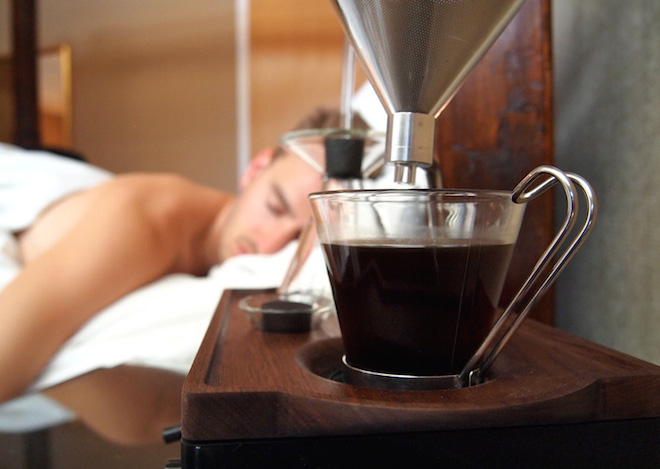
Using stainless steel balls that boil water through induction heating, the machine puts a gentle spin on the alarm clock that signals the start of another day.
It’s exactly the thing that every coffee addict has dreamed of. And it’s incredibly easy to use.
Related: Ode and farewell to my daily cup of joe(s)
All one has to do is grind their coffee beans the night before, and then add water, milk and sugar – for those who need to sweeten up their life – in various little compartments, and voilà, the Barisieur fills the room with the right kind of smells right on time.
How is a hybrid coffee machine and alarm clock even remotely a Middle Eastern environmental issue?
It’s not – not really. Of course coffee was first cultivated by Arabs in the 14th century, and people in the Middle East are as hooked as any westerner (though brewing styles vary from country to country – a fascinating study in itself.)
But mostly we are celebrating good design with a palette of minimalist materials. Design that knows what people want – what coffee addicts want!

In all seriousness, coffee is a complicated thing and should be enjoyed in moderation.
If it’s sourced sustainably from fair-trade companies that ensure farmers receive a fair, living wage, and sound ecological practices are used to ensure the healthiest beans, we can maintain a reasonable footprint.
But there’s one more benefit to the Barisieur, according to Renouf.
“Living slow even when times are fast,” he says. And we can live with that. Additional info here.