Home Blog Page 254

Drone spots hobbit home on Mediterranean shore

2

cliff dweller israel

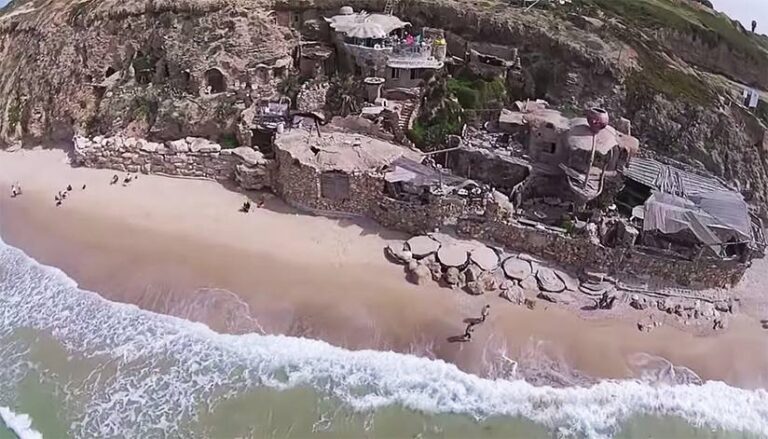
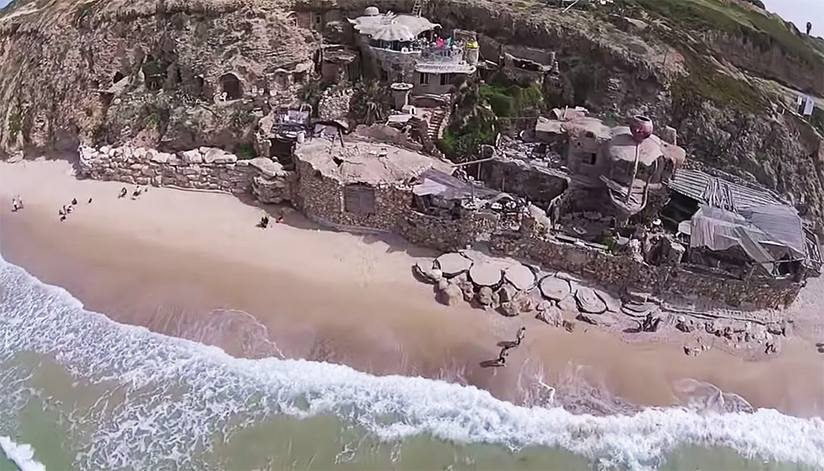
Amateur drone pilot Jesse Peters flew an aerial quadcopter over Israel’s Apollonia National Park to capture a bird’s-eye perspective of its historical ruins and rugged limestone cliffs. His apparatus caught more than the park’s natural beauty; it also filmed an unusual cliffside dwelling crafted by an artistic Jewish hermit.

The park, popular with hikers, is just north of Tel Aviv, near Herzliya. Apollonia offers up architectural antiquities including a 13th-century fortress and the remains of a Roman villa. But a more recent addition is a self-built home carved into the cliff by artist Nissim Kahlon.

See the aerial video, link below:

Amateur drone pilot Jesse Peters flew an aerial quadcopter over Israel’s Apollonia National Park on the Mediterranean Sea to capture a bird’s-eye perspective of its historical ruins and rugged limestone cliffs. His apparatus caught more than the park’s natural beauty; it also filmed an unusual cliffside dwelling crafted by an artistic Jewish hermit.

In 1970, Kachlon – a divorced father of three – packed in his city life for a stint on the beach. His change of zip code veered off typical when he opted to live off the grid in tunnels he cut into the cliffs. “I decided that I didn’t want to live in the city, I love the sea, that’s how I came here. I don’t have to pay city tax because I don’t have garbage, I burn everything and use the ashes for concrete to build with,” he told Arutz Sheva.

“I have a well for water. I don’t have a washing machine, I don’t even have a telephone, I do everything by hand,” he continued.
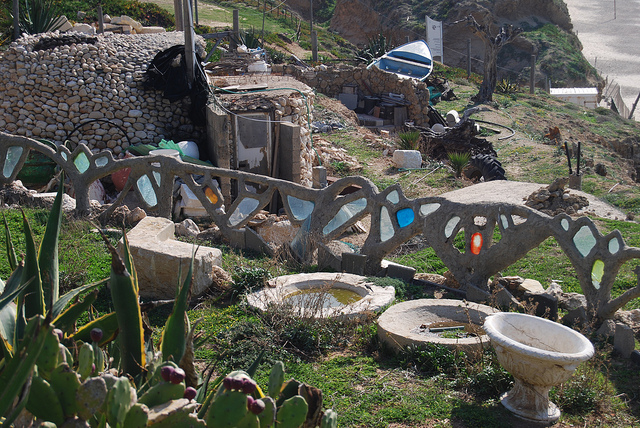
apollonniaHis never-ending project stars in a 2014 film by directors Ilan Moskovitch and Dan Bronfeld titled “Sipur Aploni” (An Apollonian Story). Now Peter’s drone allows us to see the unusual homestead from a new perspective.

Over the years Kachlon’s cave on the cliff has become an impressive multi-story edifice. “A city engineer who came was shocked,” he said, “I like it here alone. I’m always busy doing things and building.”

He explains he used to source most of his food from the sea, but over the years catch has dried up – he blames commercial overfishing. Kachlon said he does not want to be famous, but that everyone is welcome to come and visit his creation.
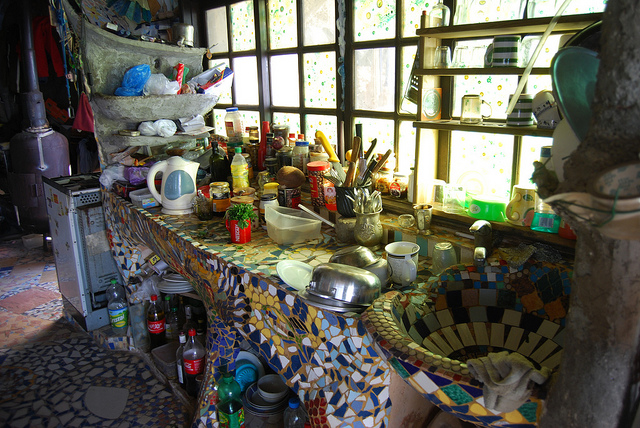
apollonia cave dwellerA movie synopsis released by directors Moskovitch and Bronfeld states, “For years he lived without electricity or running water. Today Nissim continues to work on the home that he built out of rocks, trash, and sand, while the sea, which he loves dearly, constantly gnaws at the house. After years of estrangement, Nissim suggests that his 18-year old son, Moshe, move in with him and inherit the cave. A complex relationship between father and son is revealed.”

Certainly interesting, probably eco-friendly (although Green Prophet was unable to get details about construction methods and materials), and the artist’s home must command stunning sunset views.  But how do you feel about one man laying claim to national parkland?

Update June 2023, there is a demolition order.

Lead image by Jesse Peters, others from City Desert
How crowd-sourcing works in the mad world of ants

4

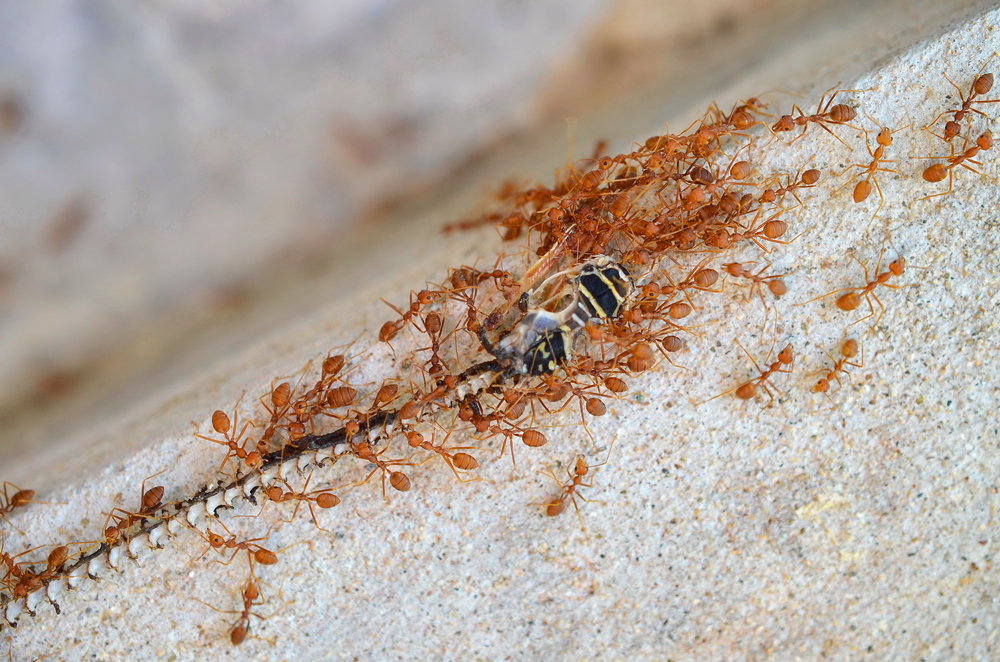
ants-carrying-food
Apparently in the ant world it’s a few brains and a lot of braun, according to new research that can teach us about the power of crowdsourcing talent to get a job done.

Anyone who has ever watched a group of ants scurrying to carry a large crumb back to their nest has probably wondered how these tiny creatures manage the task.

New research at the Weizmann Institute of Science, explains how a balance of individual direction and conformist behavior enables ants to work together to move their food to in the desired direction.

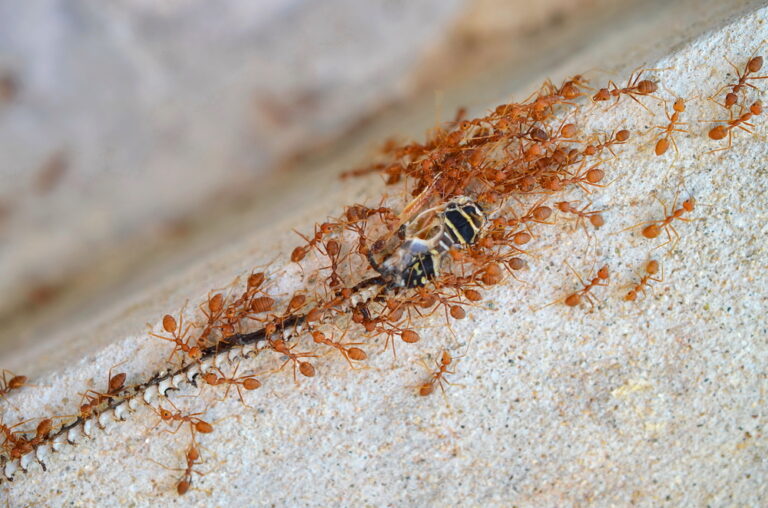
To lug a large object, a number of ants surround it – the back ones lift, those on the leading edge pull. How do they stay on track, instead of simply pulling all around in a sort of tug-of-war?

Ofer Feinerman and his group in the Institute’s Physics of Complex Systems Department used video analysis to track the individual movements of ants in a group that was carrying a large food item toward their nest.

The more ants around the item (for, example, a breakfast cereal nugget) the faster they could move it. Although the bit of food always travelled in the general direction of the nest, its path was one of wrong turns and corrections.

In the videos, individual ants can be seen to help in carrying for a short while, after which new ants take their places. When these new ants mobilize, the other carriers, which have since become a bit confused as to the proper direction, defer to the newcomers.

As a new ant attaches, the steering of the object temporarily corrects, so that the trajectory becomes better aimed toward the nest. Newly attached ants continue to lead the motion for about 10-20 seconds. Thus informed ants take the lead, but they are also quick to relinquish it once their informational edge disappears.

Together with the group of Prof. Nir Gov of the Weizmann Institute’s Chemical Physics Department, a mathematical model was developed to describe this cooperative behavior. According to the model, the decisions of the “non-informed” carriers fit an intermediate level of behavioural conformism; the well informed individuals are then set to optimally steer the direction of the load.

This model describes a critical point between conformism and individuality that enables the group of ants to coordinate their work and adjust their direction as needed. The model is a variation on a so-called Ising model, which is more often used to describe emergent phenomena in statistical physics.

What can this study teach us about the role of individuality within a group of social animals? Feinerman: “In this system, the wisdom does not come from crowds. Rather, some individuals supply the ‘brains,’ and the role of the group is to amplify the ‘muscle’ power of savvy individuals so that they can actually move the load.”

Ants carrying food from Shutterstock

Veggies travel to Burning Man on a souped-up Airstream!

2

isabel airstreamA crew of eco-minded entrepreneurs plan to mash-up modern vertical farming with decades-old hippie culture by fitting out an Airstream trailer with a mobile farm.  Their plan is to bring hyper-efficient food production up close and personal to what they predict to be a receptive audience. “Isabel”, the souped up camper, will debut at Burning Man, a week-long cultural event held in Nevada every September.

Small scale farming twice as old as we thought

Amish_Farmer

Big agriculture is mainstream in the US, but growing our food has a long history. Until now, researchers believed farming was “invented” some 12,000 years ago in the Cradle of Civilization — Iraq, the Levant, parts of Turkey and Iran — an area that was home to some of the earliest known human civilizations.

A new discovery by an international collaboration of researchers from Tel Aviv University, Harvard University, Bar-Ilan University, and the University of Haifa offers the first evidence that trial plant cultivation began far earlier — some 23,000 years ago.

The study focuses on the discovery of the first weed species at the site of a sedentary human camp on the shore of the Sea of Galilee. It was published in PLOS ONE and led by Prof. Ehud Weiss of Bar-Ilan University in collaboration with Prof. Marcelo Sternberg of the Department of Molecular Biology and Ecology of Plants at TAU’s Faculty of Life Sciences and Prof. Ofer Bar-Yosef of Harvard University, among other colleagues.

“While full-scale agriculture did not develop until much later, our study shows that trial cultivation began far earlier than previously believed, and gives us reason to rethink our ancestors’ capabilities,” said Prof. Sternberg. “Those early ancestors were more clever and more skilled than we knew.”

Evidence among the weeds

Although weeds are considered a threat or nuisance in farming, their presence at the site of the Ohalo II people’s camp revealed the earliest signs of trial plant cultivation — some 11 millennia earlier than conventional ideas about the onset of agriculture.

The plant material was found at the site of the Ohalo II people, who were fisher hunter-gatherers and established a sedentary human camp. The site was unusually well preserved, having been charred, covered by lake sediment, and sealed in low-oxygen conditions — ideal for the preservation of plant material. The researchers examined the weed species for morphological signs of domestic-type cereals and harvesting tools, although their very presence is evidence itself of early farming.

“This uniquely preserved site is one of the best archaeological examples worldwide of the hunter-gatherers’ way of life,” said Prof. Sternberg. “It was possible to recover an extensive amount of information on the site and its inhabitants.”

“Because weeds thrive in cultivated fields and disturbed soils, a significant presence of weeds in archaeobotanical assemblages retrieved from Neolithic sites and settlements of later age is widely considered an indicator of systematic cultivation,” according to the study.

Early gatherers

The site bears the remains of six shelters and a particularly rich assemblage of plants. Upon retrieving and examining approximately 150,000 plant specimens, the researchers determined that early humans there had gathered over 140 species of plants. These included 13 known weeds mixed with edible cereals, such as wild emmer, wild barley, and wild oats.

The researchers found a grinding slab — a stone tool with which cereal starch granules were extracted — as well as a distribution of seeds around this tool, reflecting that the cereal grains were processed for consumption. The large number of cereals showing specific kinds of scars on their seeds indicate the likelihood of those cereals growing in fields, and the presence of sickle blades indicates that these humans deliberately planned the harvest of cereal.

The new study offers evidence that early humans clearly functioned with a basic knowledge of agriculture and, perhaps more importantly, exhibited foresight and extensive agricultural planning far earlier than previously believed.

Artist Ilan Ashkenazi gives spirituality shape

0

ellsworth gallery santa feIsraeli rabbi and kabbalah teacher Ilan Ashkenazi can intellectually explain the workings of faith and religious practice, but it is in his role as artist and sculptor that he unravels spiritual mysteries through physical form. He emigrated to America in 2005 to focus solely on his sculpture, large pieces where shapes embody symbolism and spirituality.

Cairo subway shut down indefinitely for security reasons

egypt-cairo-giza-metro-subway
Due to political unrest, Cairo’s subway had been closed for two years. Now it will be closed for an indefinite amount of time.

Tahrir Square’s Sadat metro station was closed this month after Egypt’s prosecutor-general Hisham Barakat was assassinated. This is another clear example of how conflict and violence seriously impedes any environmental progress in Cairo – a city clogged with traffic and fumes from vehicles.

Cairo’s main central metro station had re-opened at the start of the Holy Month of Ramadan on 17 June.

Barakat had died late June after sustaining serious injuries in a blast which targeted his motorcade in Heliopolis.


Via: Law Offices of Marc Albert

Dulse is a seaweed superfood that tastes like bacon!

1

Dulse superfood Atlantic detox

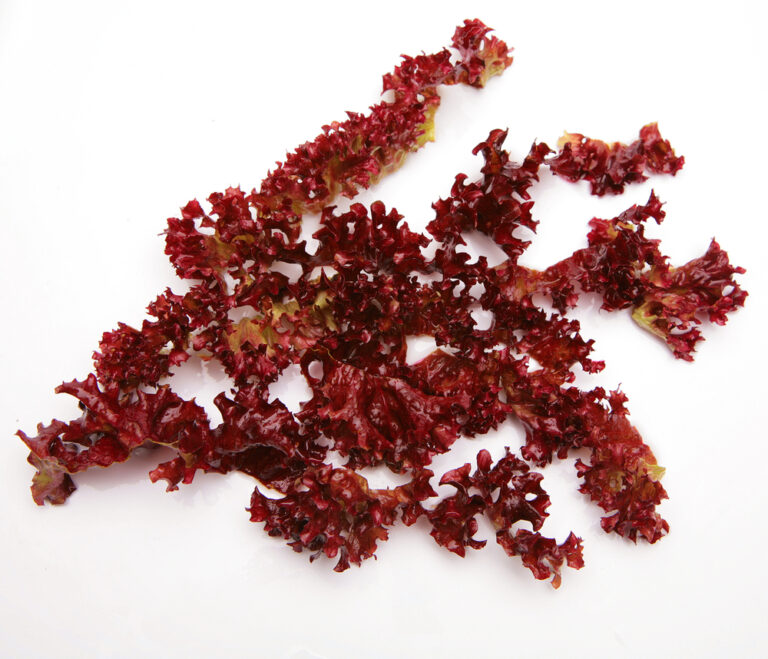
Researchers from Oregon State University’s (OSU) Hatfield Marine Science Center have created a new strain of seaweed with potential to grab the title for World’s Top Superfood. The newly patented strain of the red-leafed algae dulse, a lettuce-like plant that grows in the wild along Atlantic and Pacific coastlines.  It’s packed with protein and minerals, but the commercial money-card is that this subaquatic crop tastes like bacon!

“Dulse is a superfood, with twice the nutritional value of kale,” Chuck Toombs, an OSU College of Business staffer and part the team working to develop the product into food said during a press conference. The project initially explored how dulse might feed farmed abalone, but researchers quickly realized its potential in the human-food market.

Bacon trivia dulse

“There hasn’t been a lot of interest in using it in a fresh form. But this stuff is pretty amazing,” said chief researcher Chris Langdon. “When you fry it, which I have done, it tastes like bacon, not seaweed. And it’s a pretty strong bacon flavor.”

Supported by the Oregon Department of Agriculture, the researchers are working with the university’s Food Innovation Center and “research chefs” from as far away as Norway to concoct recipes using dulse as a main ingredient. They’ve patented this new strain of succulent red algae, anticipating forward demand – so far creating dulse-infused salad dressing and crackers. The seaweed can be used fresh or dried.

The appeal of dulse is multi-layered. It’s protein-rich (about 16% of its dried weight), and loaded with antioxidants, vitamins and minerals.  It grows quickly and inexpensively in natural or farmed settings.  To date, no one has attempted to grow it on a commercial-scale for human consumption. But now that this new variety replicates the taste of artery-clogging, salt-laden, Big Food-produced bacon, seaweed farming is a new game.

Can I eat dulse every day?

There is no dosage recommendation for dulse, but it’s considered safe to eat in normal food amounts. Adding it to recipes throughout the week will provide a range of nutrients, but nutritionists suggest not to overdo it as dulse is high in potassium and iodine.


Somewhere in Jaffa, life goes on.

Nathan Miller photographerPhotographer Nathan Miller shows another side of Arab/Jew relations in “Somewhere in Jaffa”, a striking book of black and white images taken in this ancient Mediterranean city.  His portraits of everyday living illustrate that for the different ethnicities that claim Jaffa as home – despite headlines and heated rhetoric – life goes on.


Solar Impulse 2 journey suspended until 2016!

Solar-impulse-2

Solar Impulse 2, the aircraft attempting to circumnavigate the world fueled only by sun power, will be grounded in Hawaii until next April for battery repairs. On July 3, the plane completed the longest leg of its global flight – a record-breaking (non-stop, solo piloted) five-day, five-night journey from Nagoya, Japan, to Hawaii – during which its storage batteries overheated, sustaining “irreversible” damage, according to a statement from the team.

Crime doesn’t pay! Israeli antiquity thief agrees.

Be'er Sheva stolen artifacts

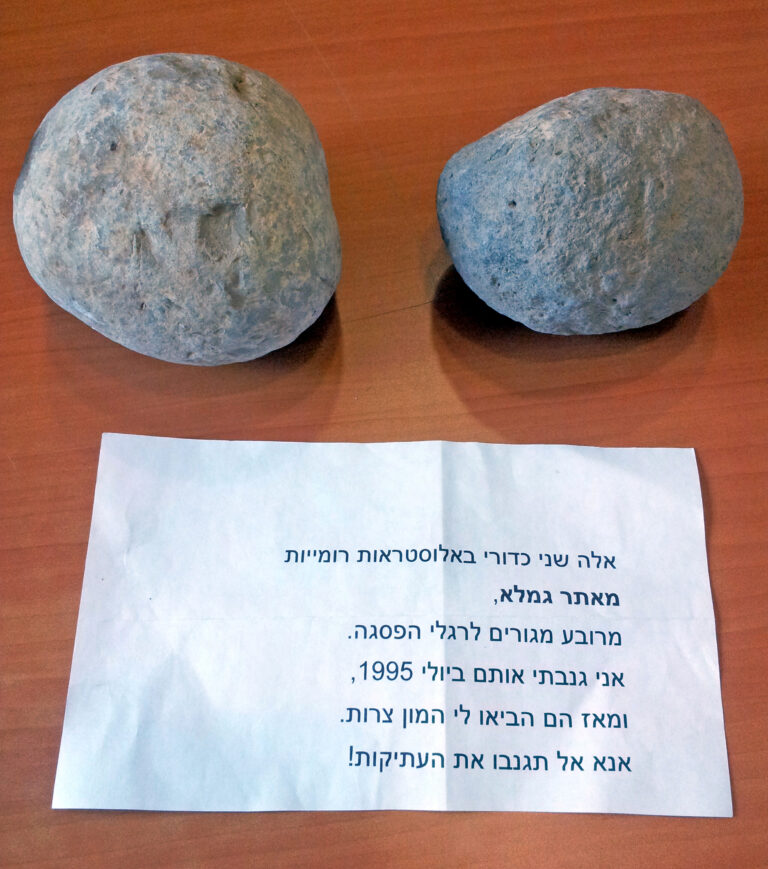
Two 2,000-year-old sling stones were mysteriously dropped in the courtyard of the Museum of Islamic and Near Eastern Cultures (MINEC) in Be’er Sheva last week.  Also called “sling bullets”, this ancient ammunition dates back to Neotlithic times, famously used by David in his romp against Goliath. The bag packed with these particular stones included an anonymous note that read, “They brought me nothing but trouble.”

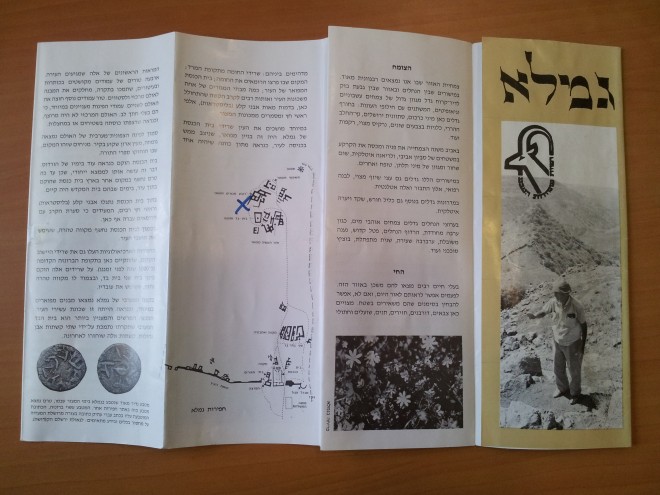
MINEC staffer Amos Cohen discovered the parcel which included a typewritten note from an anonymous author that read, “These are two Roman ballista balls from Gamla, from a residential quarter at the foot of the summit. I stole them in July 1995 and since then they have brought me nothing but trouble. Please, do not steal antiquities!” The package also included a map indicating where the robber had taken the stones (image below). Museum director Dr. Dalia Manor immediately reported the find to the Israel Antiquities Authority.

Be'er Sheva stolen artifacts

These latest items in the “robbery reversal” lexicon will join other ballista balls from Gamla that are now in the National Treasures Department. Dr. Danny Syon from the Israel Antiquities Authority, who excavated at Gamla for many years, welcomed the return of the stones. He said, “Almost 2,000 such stones were found during the archaeological excavations in the Gamla Nature Reserve, and this is the site where there is the largest number of ballista stones from the Early Roman period. The Romans shot these stones at the defenders of the city in order to keep them away from the wall, and in that way they could approach the wall and break it with a battering ram. The stones were manually chiseled on site by soldiers or prisoners”.

This is not the first instance of “robber’s remorse” that the Israel Antiquities Authority has dealt with.  Previously, a thief returned a 2,000 year old Jewish coffin to the Unit for the Prevention of Antiquities Robbery after he realized the morbid meaning of the find (which he had kept in his Tel Aviv bedroom!).

In another case, a minister from New York asked his congregation to forgive a church member tormented by the fact he took a stone from Jerusalem more than a decade earlier. That stone was eventually returned to the National Treasures.

As for would-be robbers, will the lure of a clear conscience become a better deterrent than the threat of a lengthy prison term?

Images taken by Dr. Dalia Manor, courtesy of the Museum of Islamic and Near Eastern Cultures in Be’er Sheva

The magical wonder leaf Neem: 10 ways Neem works its magic

8

neem-plant-india


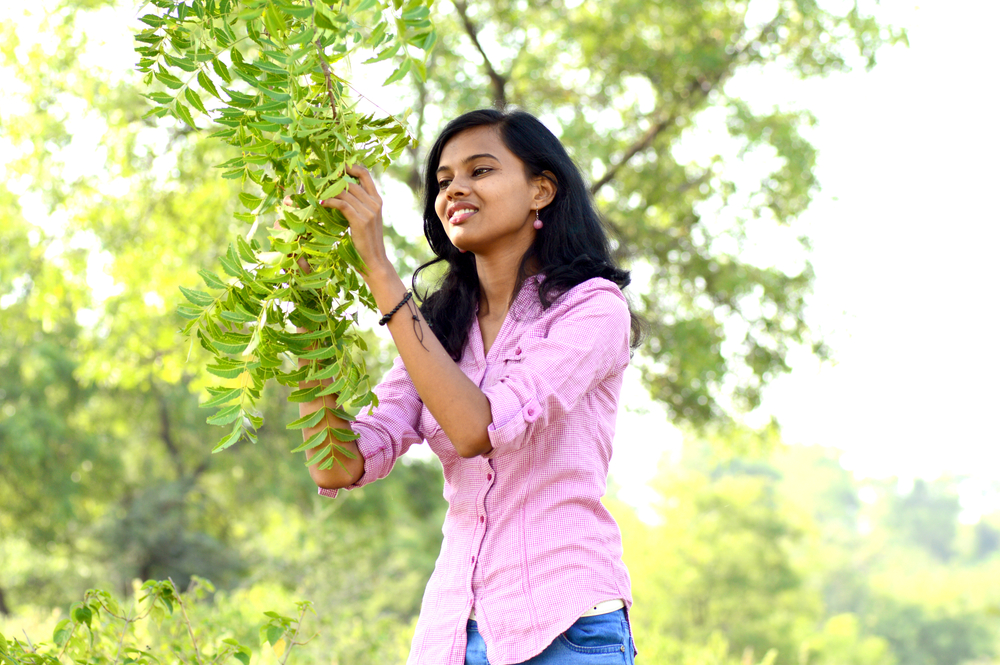
Before you decide to spend hundreds of dollars on skin care products and cosmetics, or even get off your couch and walk to the nearest pharmacy, there is a better way to save money with a natural product called Neem. Like black cumin which we love to talk about, Neem is another plant that is considered magical by some Asian countries. Neem comes from a plant called Azadirachta indica, also known as Nimtree, or Indian Lilac. Go au natural without parabens and preservatives in your creams.

Here are 10 ways Neem can work wonders on your skin:

1. Quick exfoliation. Add a  little honey to Neem powder and applied on the skin to exfoliate. This keeps your face clean and free from the dirt and grime off the street; use it as a paste or mask and gently scrub it off after ten minutes. Wash off with cold water and pat dry. Do this three times a week for a month for best results.

2. Detox with Neem. If you are fair-skinned, use Neem to create radiant skin. Boil Neem leaves drink half a cup of the juice to help fight microbes and bacteria, and free radicals too. Breaking down free radicals that prevent skin cancer.

3. An early morning snack.  “You are what you eat” says the old adage, so why not begin with an early morning ritual on an empty stomach, chewing a bunch of fresh Neem leaves? In doing so, the blood vessels are purified and natural detoxification happens. Infections are removed from within, which if left unchecked can burst out on the surface as eruptions, pimples, acne, eczema and other skin ailments.

4. Neem paste to treat scars and blemishes. Grind a cup of Neem leaves and add two teaspoons of turmeric and one teaspoon of lime and honey. Apply the paste on the face for twenty minutes, and do this twice a week. Gently rub the chin and the cheeks in circular motion, and the neck in vertical moves. Wash off with cold water;the antibacterial properties will heal blemishes and scars in no time.

5. Skin ulcers. Did you know that the paste of Neem leaves can help reduce the painful effects of skin ulcers? Scabies, eczema or psoriasis?  Use the paste of Neem to do away with blemishes the holistic way!

6. Aid bites and stings. The oil from Neem leaves and its seeds help act to relieve stings and bites, cuts and wounds, knicks and rashes too.

7. Eyebrow dandruff and lice. Sounds disgusting to think about it but some of us actually suffer from eyebrow dandruff and extra yuck, lice. If left untreated could leave a ghastly sight in years to come. A teaspoon of Neem paste can fix you up.

8. Neem wash. Suffering from chicken pox and worried about the scars? Worry not; grab a bottle of fresh Neem juice extracted from the leaves and mix it in a bucket of water. Wash your face five times a day and the scars may go away.

9. Shiny eyebrows and lashes. Neem leaf paste can help keep the eyebrows thick and the lashes thicker should you suffer from thinness. Apply once a day and a month from now you may notice a difference.

10. Remove dark circles around your eyes.  A teaspoon of Neem paste is all that you need. Chill the paste for an hour in the freezer, and apply it on your eyelids with a cucumber peel on each eye to help cool the zone. Remove in ten minutes and wash off with cold water.

With so many benefits from the Indian Lilac or Neem plant, we wonder why anyone would spend tons of money on chemical based products, when Mother Nature really has it all!

Gorgeous resort proposed for Wadi Rum: sensitive beauty or eco-beast?

3

Wadi Rum LodgeIf I had a head’s up that the world was ending, I’d pack up a decent book and head to Jordan’s Wadi Rum where ancient granite and sandstone rocks – set in a giant’s sandbox – warp all sense of time. It looks as it looked a century back when British officer T.E. Lawrence camped out during the Arab Revolt. It looks as it did for thousands of years before that. Pure air, ear-splitting silence and an unfettered view of the nighttime sky; there’s nowhere better to ride out the end of this planet.  But would I feel the same if it had a posh new resort?

Restored Galilee home adaptive reuse in mystical setting

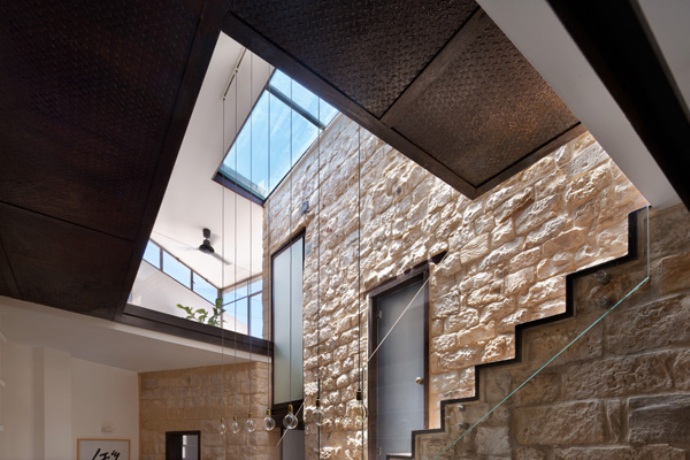
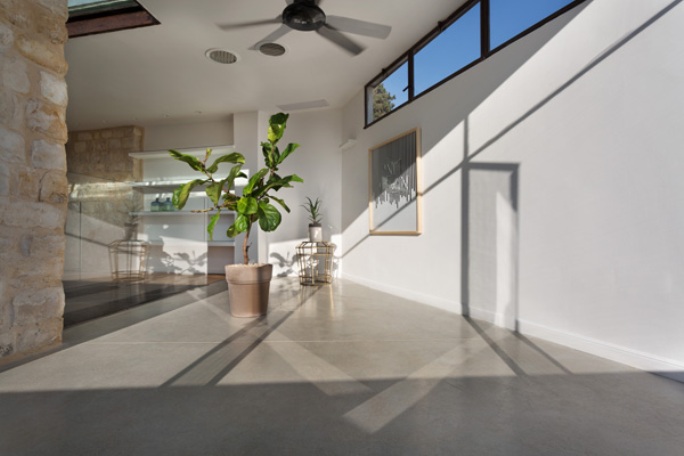
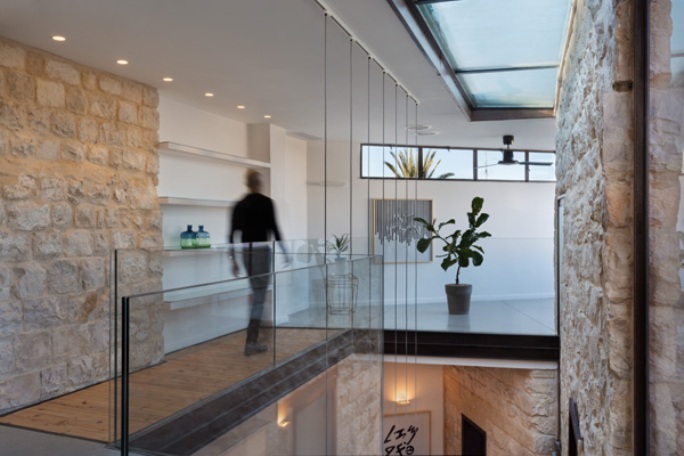
Modern Israeli architectureThe design team of Henkin Irit and Shavit Zohar have converted a centuries-old building in Safed into a thoroughly modern home, strategically introducing new glass windows and doors to the old stone structure, flooding the interior with sunshine that paints the rooms with a changing wash of light and shadows. Construction of the 175 m2 “Reflection House” finished this year.
Assaf-Pinchuk-photographer_HENKIN SHAVIT Architecture & Design 6

Situated 2,953 feet above sea level, Safed is the nation’s highest city with a mild climate and spectacular hillside views that underpin its rep as a popular holiday resort. Especially among the religious and spiritually inclined. Demand for modern accommodation is great.

Modern Israeli architecture

The architects opted to keep the old masonry walls, sourcing extra stone of equal age from nearby structures to supplement construction.  Previously hidden under plaster, the old rock now stars as main feature of the restored building.

Assaf-Pinchuk-photographer_HENKIN SHAVIT Architecture & Design 1

The designers added new wall openings strategically placed to introduce natural daylight while reducing interior glare and heat gain. Indoor finishes feature bright, reflective surfaces like polished concrete floors and glass walls in varying transparency which bounce light deep into the rooms, and add to a general feel of openness.

Assaf-Pinchuk-photographer_HENKIN SHAVIT Architecture & Design 8

The structure has a tin roof, specially designed to prevent snow buildup and protect the interiors from seasonal swings in outdoor temperature.  While we could not get information on the efficiency of mechanical and plumbing fixtures, the designers did state that the heavy masonry walls are self-insulating. They also gain green kudos for adaptive reuse of a culturally significant structure.

Modern Israeli architecture

Safed rose to fame in the 16th century as a center of a form of Jewish mysticism known now as Kabbalah. It is also the birthplace of Palestinian president Mahmoud Abbas.

Assaf-Pinchuk-photographer_HENKIN SHAVIT Architecture & Design 7

Legend has it that the city was founded after the Great Flood by a son of Noah. Considered (alongside Jerusalem, Hebron and Tiberias) one of Judaism’s Four Holy Cities, the city endured several devastating plagues.

Assaf-Pinchuk-photographer_HENKIN SHAVIT Architecture & Design 13

Located atop the Syria-Africa faultline in northern Israel, the city is vulnerable to powerful earthquakes. This structure, estimated to be 250 years old, likely survived Safed’s last major shake-up – the Galilee ‘quake of 1837.

Looking for adaptive reuse?

Know of a similar restoration in your neck of the woods?  Drop us a comment.  Green Prophet loves to broadcast news about adaptive reuse of the Middle East’s historical structures.

Adaptive reuse is the process of taking an old building or site, and reusing it for a purpose other than it was designed. Typically, it is closely related to historic preservation or conservation around cities with rich history. It’s a sustainable way to improve and build within our cities, keeping old historical and cultural ties inside the design.

All images by Asaf Pinchuk for HENKIN SHAVIT Architecture & Design

28 ideas for hotel management to upgrade as eco, without huge costs

eco-hotel-beard

Environmentally friendly hotels not only save money for the owner, but also resources for the world, while at the same time letting their guests continue doing good things for the environment. For some people, like us, this is super important.

In the lodging and hotel industry, green is the new black.

In hotel business, initiatives that are environment sustainable are becoming widespread. Environmentally-friendly initiatives help hotels to save money and resources without compromising on quality. In some cases these programs improve the stay.

Many guests will be attracted to the green hotel just because it is taking environmentally friendly steps. Whether it’s water or energy conservation, recycling, or reducing the consumption of natural resources through bulk amenities and newspaper programs, a positive impact can be made through simple steps.

Green hotels follow strict green guidelines to ensure that their guests are staying in a safe, non-toxic and energy-efficient accommodation according to local guidelines, customs and laws.

Below, the Princess Royale provides a list of actions properties of any size can take to stake their claim as an eco-friendly establishment. This is how they do it and what they advise managers to do:

  1. Monitor your hotel’s electric, gas, and water usage.
  2. Implement a towel and linen reuse program. (guests can tell housekeeping to leave these slightly used items to reduce water consumption)
  3. Start a newspaper-recycling program.
  4. Do staff training on implementing green practices.
  5. Provide information for guests on green practices.
  6. Install energy efficient interior light bulbs.
  7. Form an environmental committee to develop a green plan for energy/water/solid waste use.
  8. Install digital thermostats in guestrooms and throughout the hotel.
  9. Install 2.5-gallons per minute showerheads or less in all guestroom baths and any employee shower areas.
  10. Install 1.6-gallon toilets in all guestrooms.
  11. Start  a recycling program for hazardous materials found in fluorescent bulbs, batteries, and lighting ballasts through licensed service providers.
  12. Purchase Energy Star labeled appliances and equipment.
  13. All office paper products should have 20% or more post-consumer recycled content.
  14. Housekeeping should use non-toxic cleaning agents and laundry detergent.
  15. Supply 100% organic cotton sheets, towels and mattresses.
  16. Make your hotel a non-smoking environment.
  17.  Utilize renewable energy sources like solar or wind energy when available.
  18. Purchase bulk organic soap and amenities instead of individual packages to reduce waste. Explain to guests why their soaps look this way.
  19. Provide guest room and hotel lobby recycling bins.
  20. Provide on-site transportation with green vehicles.
  21. Serve organic and local-grown food.
  22. Use non-disposable dishes.
  23. Offer a fresh-air exchange system.
  24. Implement grey-water recycling, which is the reuse of kitchen, bath and laundry water for garden and landscaping.

So, how are hotels going green right now? One way is by prioritizing energy efficient awareness in their staff training programs. Housekeepers play a vital role in helping hotel businesses stay green because they have access to thermostats, lamps, and other electrical devices even before guests check in.

Opening curtains on sunny days during colder months helps heat rooms on the cheap. Even shutting off a light or dripping faucet really adds up over time. And those controversial thermostat temperatures that no one seems to agree on? Most hotels default to 68 degrees Fahrenheit as a comfortable temp for conservation-minded properties. Once training and education are provided it is amazing how hotels can creatively implement eco-friendly practices. Here are a few real life examples:

  1. Meeting and banquet facilities are using pourers for sugar, pitchers for cream and small serving dishes for butter and jellies.
  2. A Toronto hotel is recycling stained tablecloths into napkins, chef’s aprons and neckties.
  3. Bicycles are being loaned or rented to guests.
  4. Coins or chips are being used for car parking and coat checking instead of paper tickets.
  5. Hotels are making cloth laundry bags from retired sheets.
  6. Mowed landscaping is being replaced by ground cover. Lawnmowers are used less, so air pollution and noise are reduced.
  7. A Florida hotel bought a mulcher to chop up their garden clippings and create their own mulch. The mulcher paid for itself in three months.
  8.  A Wisconsin B&B has installed beautiful blue floor tile made from recycled automobile windshields.
  9.  Chief engineers have found that toilet tank fill diverters in older toilets save about ¾ of a gallon of water per flush.
  10. A Pennsylvania property has a 400’ garden and produces organically grown vegetables for its restaurant.
  11. Restaurants and bars in hotels are using daylight exclusively for as much of each day as possible.
  12. Solar energy is lighting signage and heating water for hotels in tropical areas.

Sometimes, making a difference can be as practical as providing environmental knowledge to staff, switching to greener energy measures, and considering small changes for large scale benefits. Hotels can succeed in ‘Driving business to its properties’ by being environmentally friendly and also offer healthy and sustainable options.

The most important factor why hotels are being environmentally friendly is the social responsibility that has reached a tipping point in the hospitality industry and is spreading awareness significantly.

International airports source local farm food in 30 countries

hydroponics-food-local-farm

Following an international trend pressuring large food chains to think local and source local food, Autogrill, the multinational company known for its motorway and airport restaurants in 30 countries, is partnering with the United Nations Food and Agriculture Organization (or the FAO) to do just that. The chain of restaurants will cut down food waste and losses and support the introduction of products of small-scale and smallholder farmers in developing countries, the UN agency announced today.

Under the three-year agreement, FAO will provide Autogrill with tools to track and reduce food losses and waste across its more than 4000 stores and design information materials and campaigns to raise awareness among Autogrill customers worldwide about waste reduction.

“We’re excited to collaborate with a major multinational restaurant chain like Autogrill on making its market chain more inclusive,” said Eugenia Serova, Director of the Rural Infrastructure and Agro-Industries Division at FAO.

“This is a new type of public-private partnership for FAO which could become a model for collaborations with other retailers in future” she said.

It is estimated that roughly one third of the food produced globally for human consumption – approximately 1.3 billion tonnes every year – is lost or wasted.

In recent years, restaurants and food and beverage stores worldwide have become increasingly aware of their role in making food chains more sustainable. Supporting local food producers and farmers makes economies resilient and in some cases encourages positive practices such as organic farming, permaculture farming and hydroponic farming.

“The public-private partnership belongs to the tradition of Autogrill. From today onward the leading global restaurants chain for the people on the move will continue that tradition jointly with FAO. Our social responsibility awareness will certainly be improved by the relationship we are beginning today,” said Luigi Troiani, European Public Affairs Manager of Autogrill Group.

Autogrill is the latest to sign on to the Save Food Global Initiative spearheaded by FAO to involve a wide range of actors along the food chain in common strategies to cut food loss and waste.

Locally grown hydroponic food in Thailand via Shutterstock