Some 795 million people worldwide are food insecure: they do not have enough food to lead a healthy life, and with the earth’s population increasing these numbers are about to rise even higher. By 2050, the world needs to produce at least 50% more food in order to feed its growing population. What can we do to fight hunger and malnutrition?
Throughout history hunger and malnutrition have been an issue, especially in development countries and areas of military conflict. And even though we are nowadays in possession of highly developed mediums of transportation and communication we do not seem to be able to tackle these problems.
Due to climate change (getting worse year by year), long periods of drought, floods and tropical storms are on the increase – there are tremendous consequences for those already living under difficult circumstances.
Only if we make use the modern technologies that we have, we will be able to fight this global crisis. A recent initiative encourages governments to give open access to their data to support farmers worldwide in making good, evidence-based decisions on these and other data such as weather forecasts, satellite images and information exchange with other farmers worldwide.
The ‘the more – the better’ strategy many large companies in the food and agriculture sector followed is slowly but surely replaced by a more sustainable, environment-friendly approach: An overall shift in the mentality towards long-term investment for sustainable businesses is noticeable.
In recent years, a growing number of agriculture executives have taken up on the concept of sustainable and organic fertilizing, which has an important effect on the earth’s soil and therefor the yield. Organic fertilizers improve the mineral content of the soil, prevent erosion and increase the size, nutrition and speed of growths of the crops.
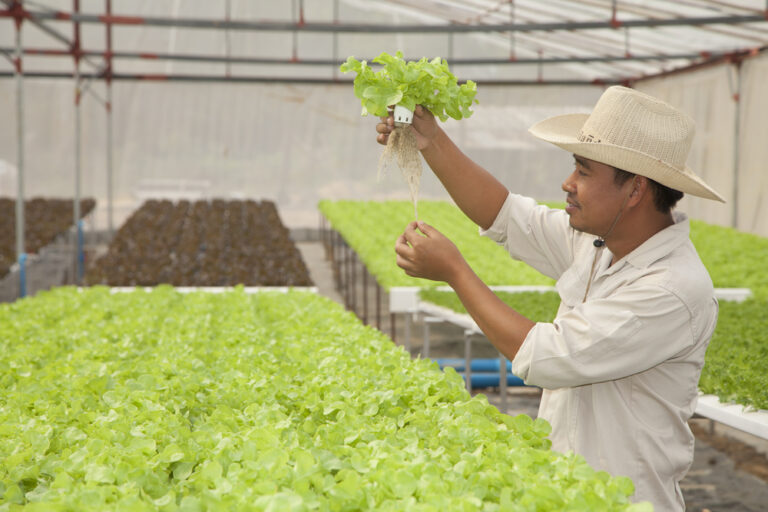
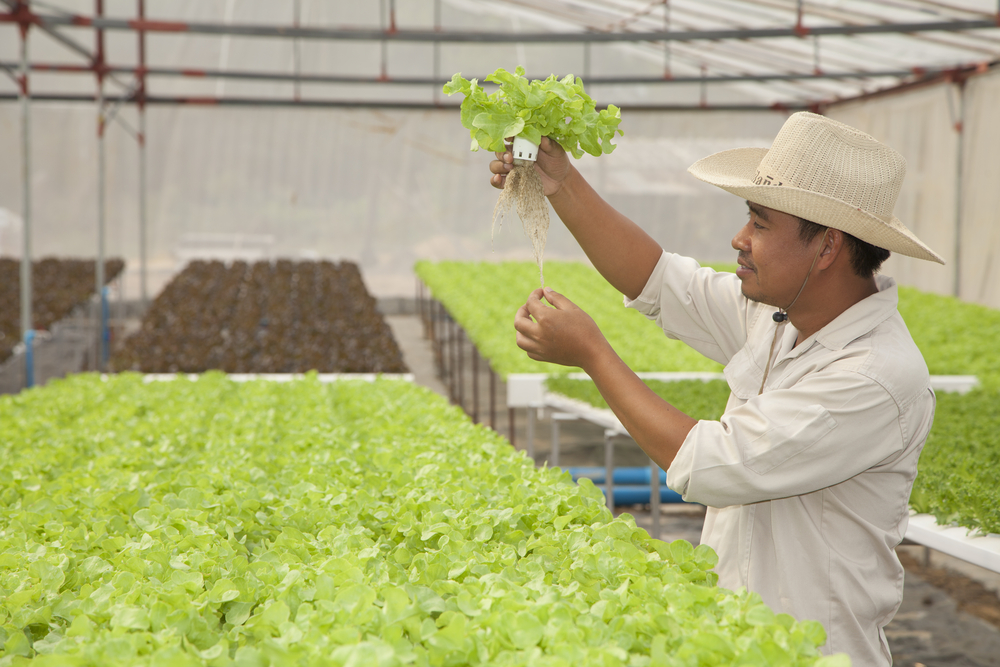
The international agriculture company Ferm O Feed has a range of organic and biological fertilizer that are exported to more than 60 countries all over the world. Initiatives such as the ‘2Scale Project‘ that was realized in cooperation with IFDC in Benin or the story of the farmer Mr.Truc from Vietnam who increased his yield by 50% show how organic fertilizers can have a very positive effect not only on the soil but also on the people’s lives.


 Just in time for St. Paddy’s Day, scientists from Dublin and Belfast have evidence that stone age Irish settlers had genetic origins in the Middle East. Thank the Vikings for the DNA that gave rise to red hair and freckles, introduced when they invaded the island nation at the end of the eighth century. But dial back 6,000 years, and discover genes for dark eyes and raven tresses that trace to the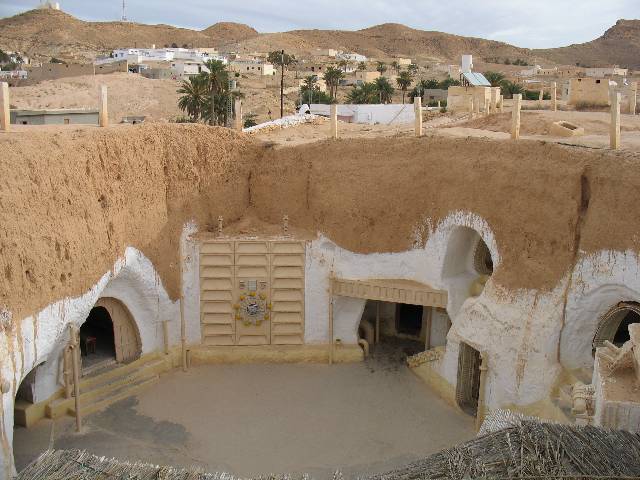







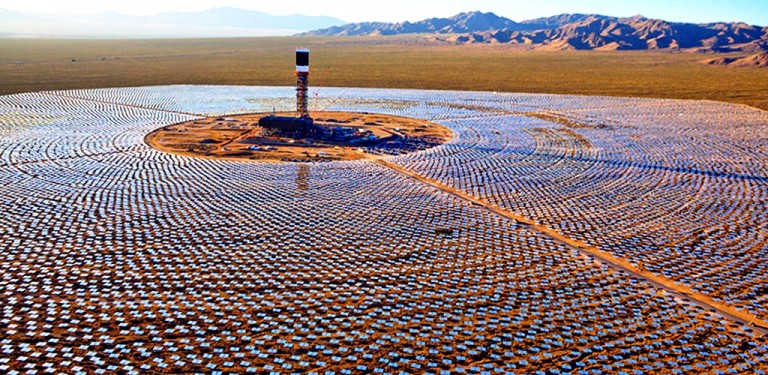
 Morocco has activated the Noor I concentrated solar power (CSP) plant, the first part of a three-phase
  The World Bank predicts that the plant will bring down the industry-wide CSP costs, but the future of the technology is uncertain given rapid price decline in solar photovoltaics (PV). The plant’s cost is around US$6 per watt, whereas utility-scale solar PV projects are coming in below US$2 per watt. The recent bankruptcy of the largest global CSP developer, Spain’s Abengoa, has further undermined interest in future CSP investments. That said, the technology is well-suited for harnessing the desert’s solar energy.
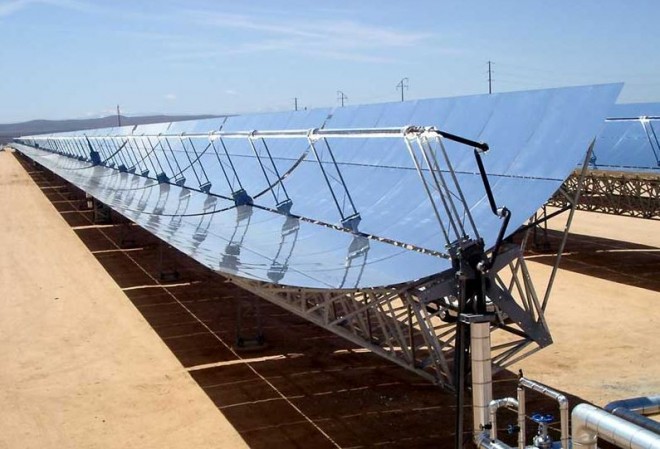 Unlike PV systems, CSP output doesn’t dip when skies are momentarily overcast, and they do not need battery back-up to store energy for nighttime use. The technology works like this: concentrated sunlight hits the mirrors, which heat fluids in a system-wide pipeline, which create steam that, in turn, drives turbines which produce electricity. The Ouarzazate system uses 39-foot-tall parabolic mirrors to focus energy on that pipeline causing fluids to reach temperatures of 739 degrees Fahrenheit. Surplus heat can be stored in a tank of molten salts for use during nighttime or on overcast days; Noor 1 is designed to keep three hours worth of such storage, which presently is a lower cost alternative to battery storage.
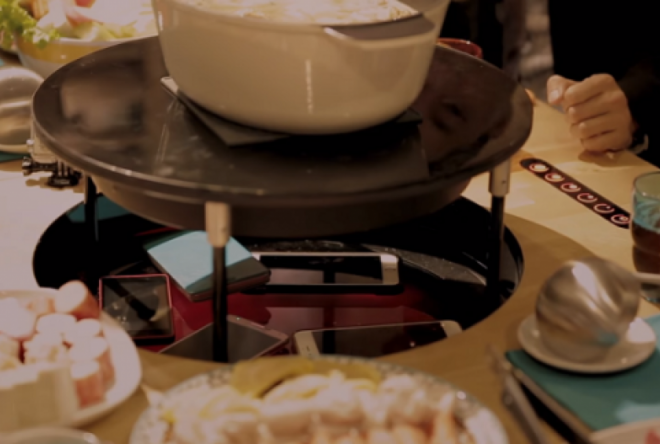 Sit four people around the dinner table, and at see that least three are tethered to their