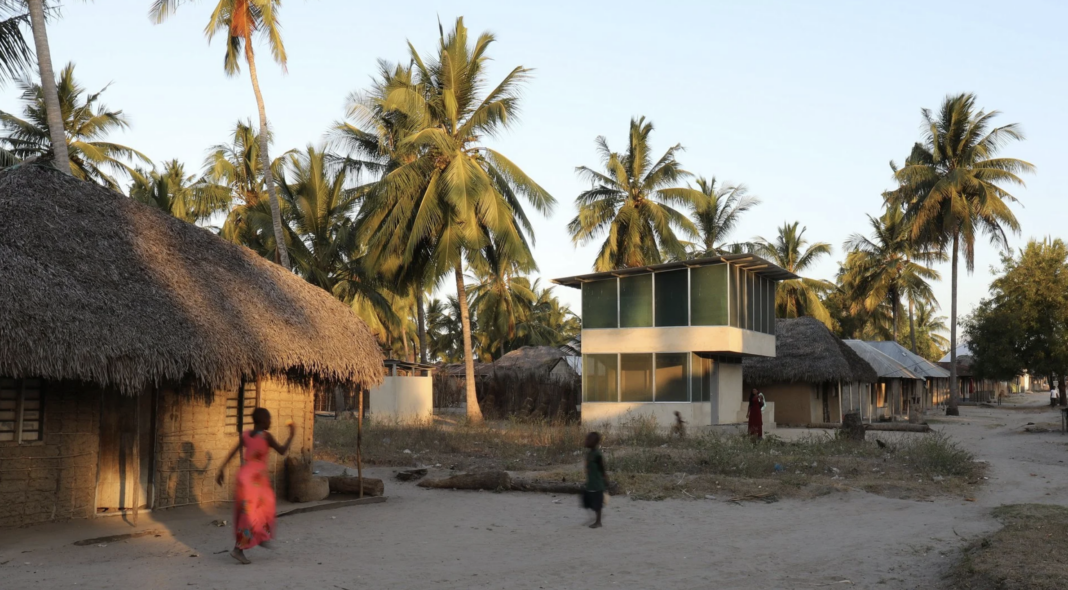

The modern design of Star Homes, which include a system to collect and store rainwater and a solar-powered electric light, presents “a significant change” from conventional homes in the area
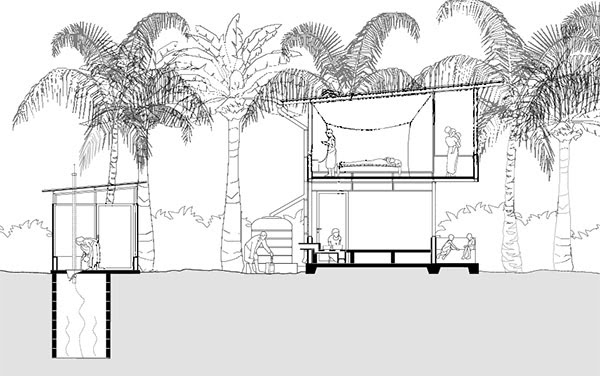
When I had my first baby, we installed a baby gate and covered the gaping holes of the open-concept space that might lead to a crawling or exploring baby plummeting to her death. We have all the fixtures of a modern home, so her being exposed to sewage was obviously not my concern. But it is one for parents in some African villages.
A new experiment in Tanzania is showing that architecture can do more than provide shelter, it can protect health, especially for children.
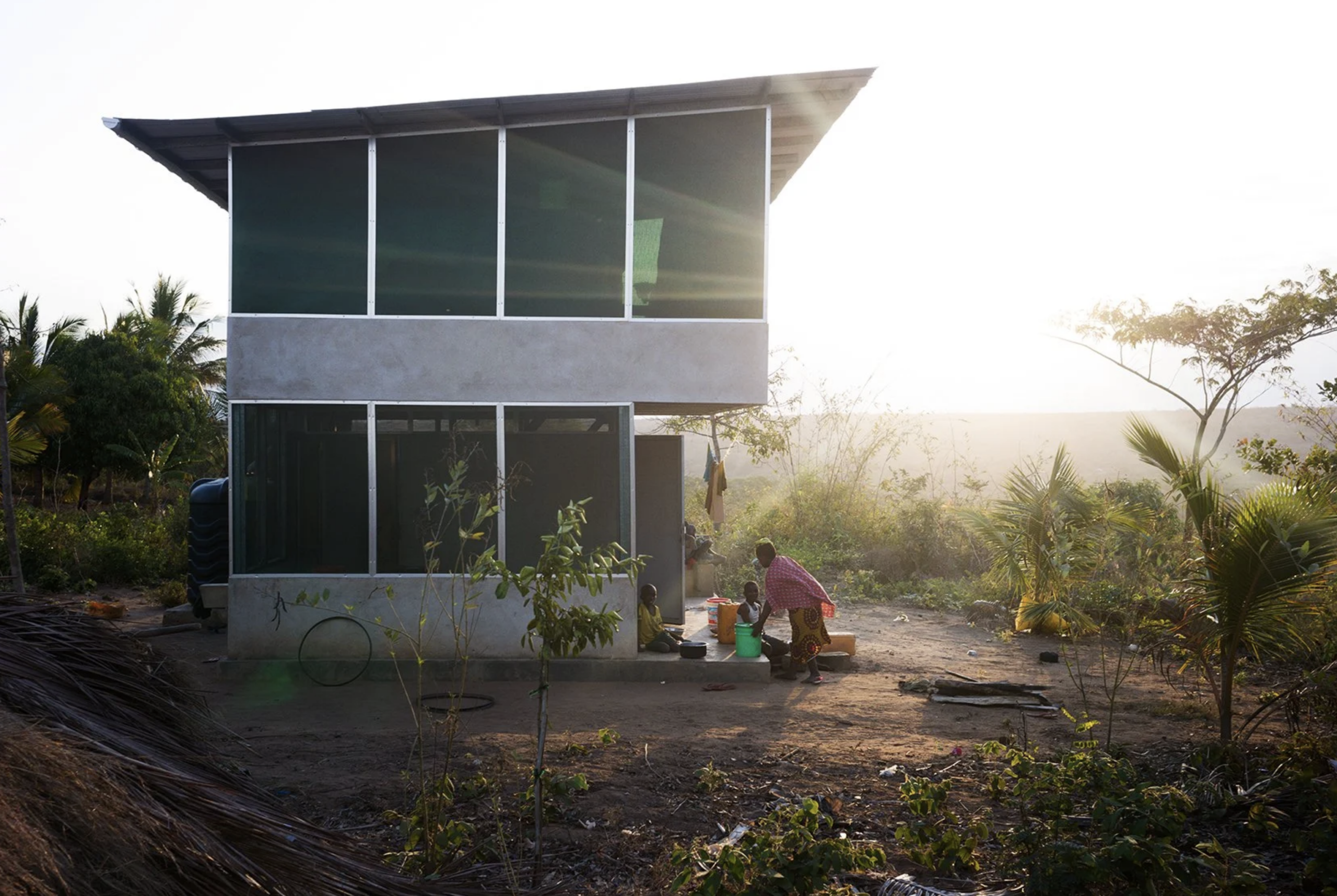
In a long-term study spanning 10 years, children living in specially designed “Star Homes” were significantly less likely to suffer from malaria, diarrhoea, and respiratory infections compared to those in conventional houses. The difference wasn’t medicine or technology, it was design. As more and more people increase their wealth in Africa, they tend to move on from a natural material home made with thatched roof, to a solid concrete block which relies on air conditioners to keep it cool.
A recent three-year trial by Professor Steve Lindsay from Durham in Tanzania found that children living in specially designed two-story “Star Homes” had dramatically lower rates of malaria, diarrhoea, and acute respiratory infections compared with children in traditional mud-and-thatch houses. The children in the Star Homes also grew taller as a result of their better health. He published the results in Nature Medicine.
Malaria, diarrhoea and acute respiratory infections are three major causes of mortality in young children in sub-Saharan Africa. In the trial of those kids living in a Star Home, malaria was reduced by 44%, diarrhoea by 30% and respiratory infections by 18%. The researchers are calling on architects, builders, and governments to think differently about rural house design to help protect children from disease.
The Star Home is the outcome of almost 40 years of research by Lindsay. The healthy house design was informed by his research on how mosquitoes enter homes, and multiple clinical trials of house-screening in traditional African houses.
The Star Homes Project was then developed by architect firm Ingvartsen in cooperation with the Hanako Foundation based in Singapore to rethink how a house interacts with its environment. Can cement houses be created so they cool passively, and prevent disease exposure?
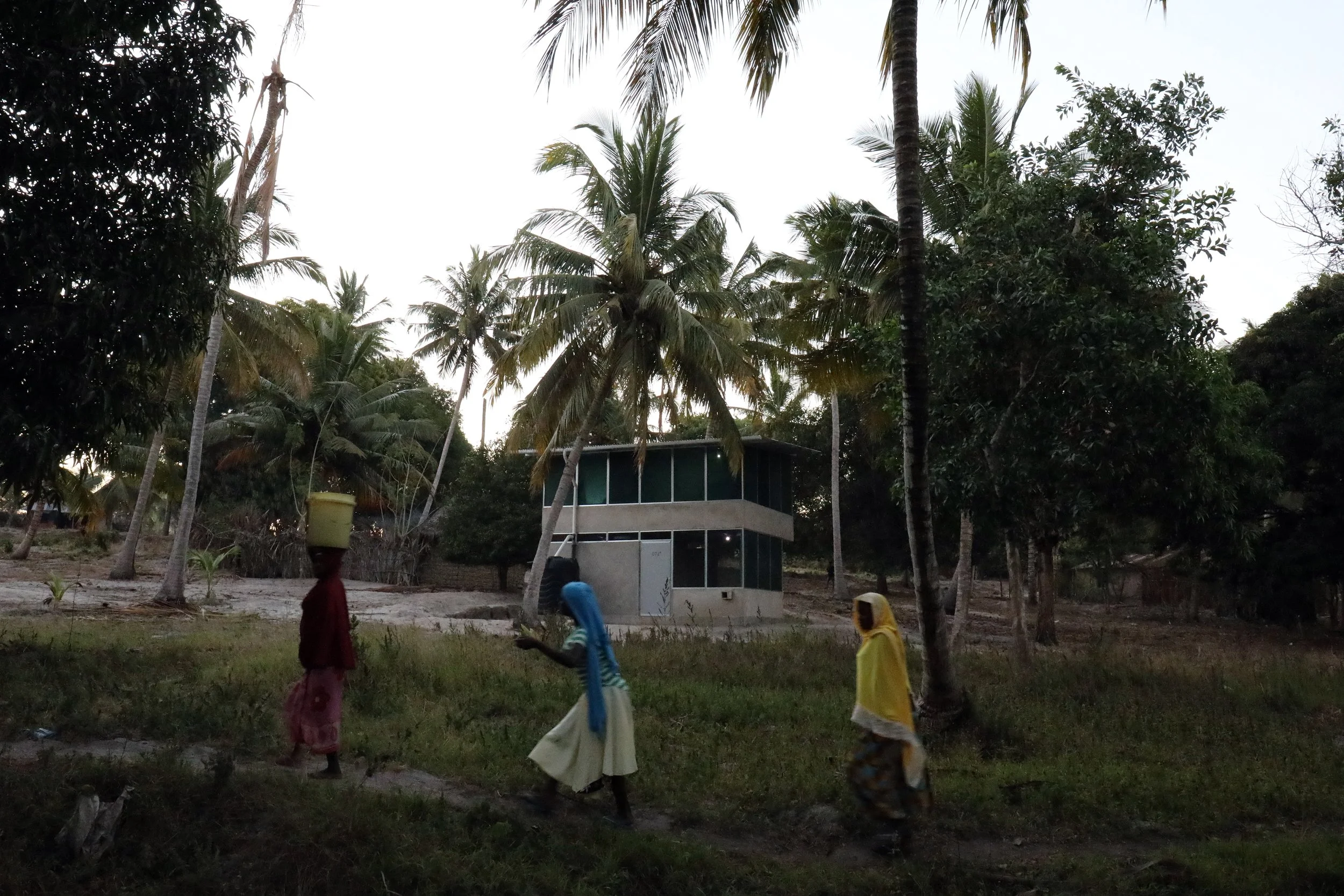
Bedrooms are placed on an upper floor, reducing exposure to mosquitoes that carry malaria. Mosquitos tend to stay closer to the ground. Ventilation is improved, helping reduce indoor air pollution and respiratory issues. Even the placement of the latrine—moved outside, limits the spread of diarrhoeal disease that can kill kids in infancy.
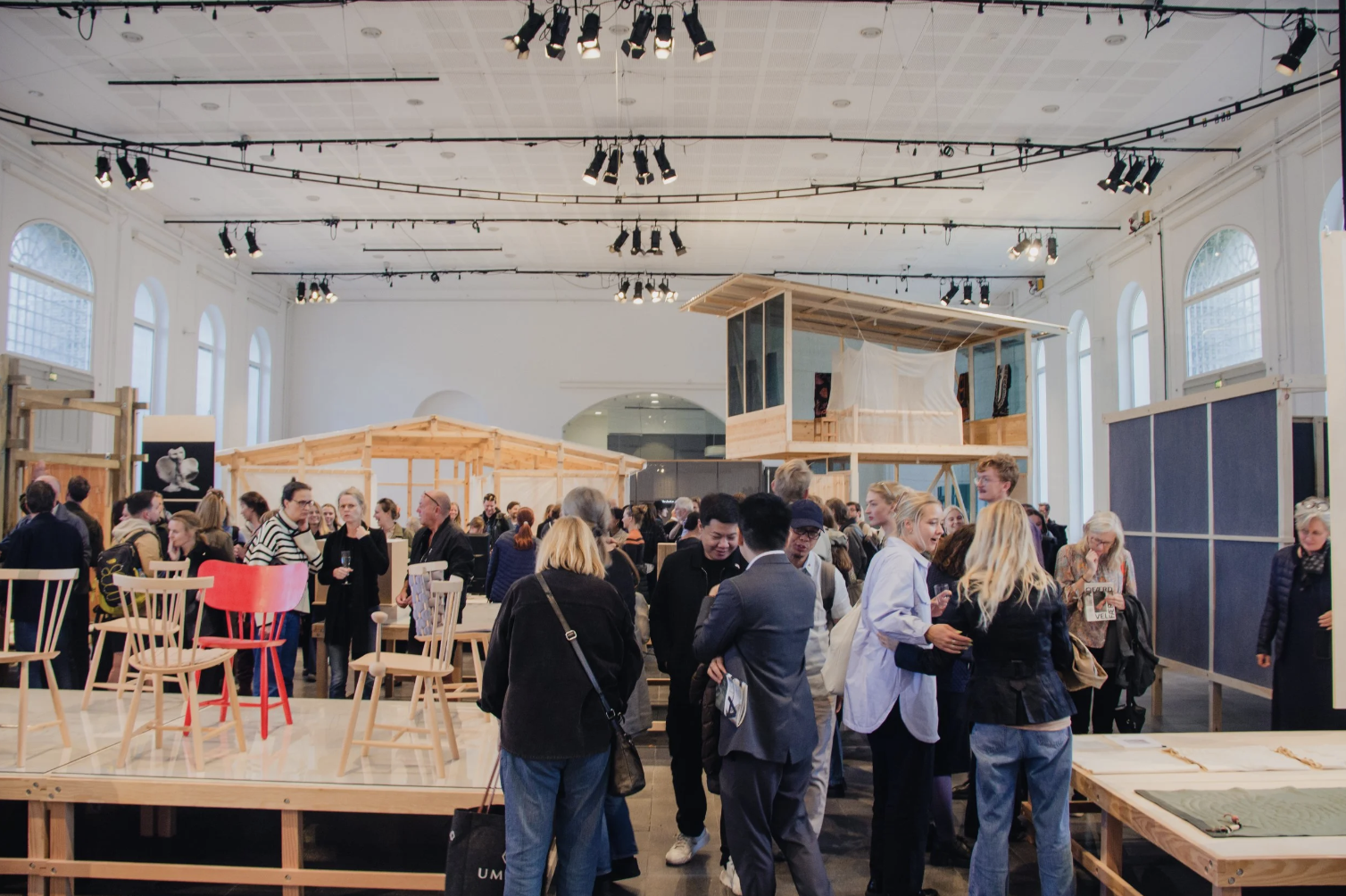
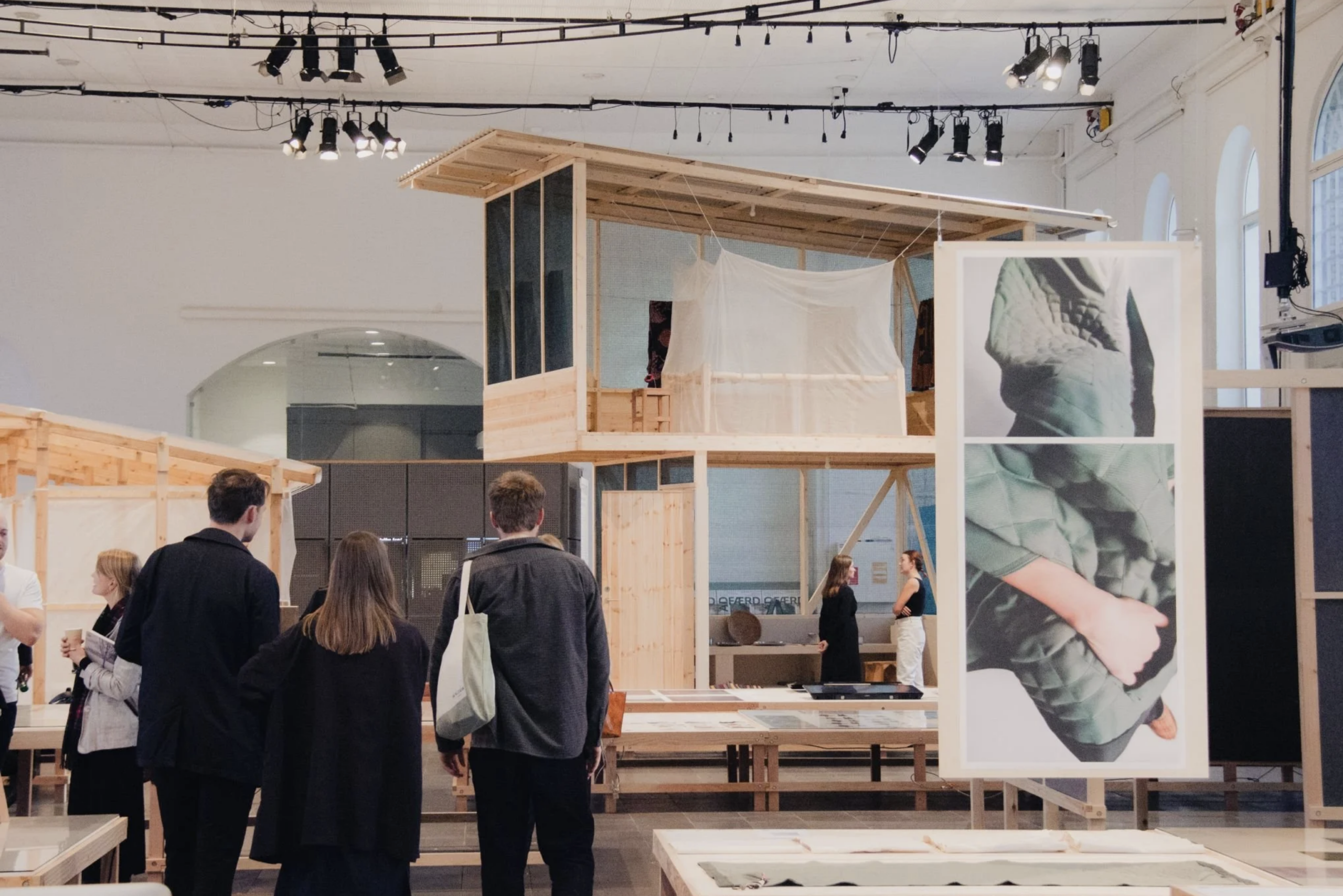
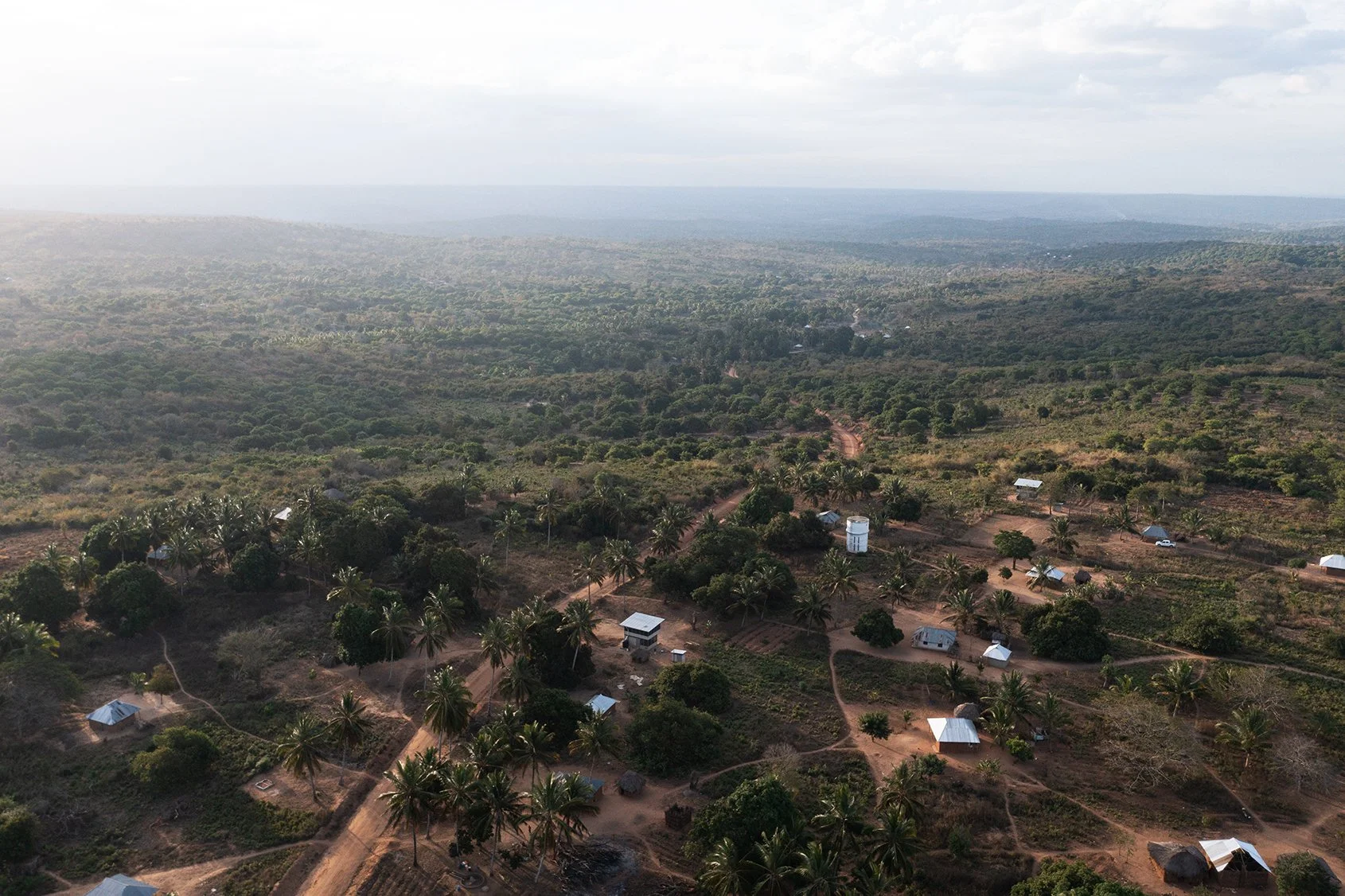
It’s a simple idea with powerful results: build homes that prevent illness instead of treating it.
But there’s a catch. At around $8,800 per house, the design remains out of reach for many of the families who would benefit most. Those that were awarded a house were part of a lottery. Still, researchers say the project is not about mass rollout yet, it is about proof of concept.
Its creators note: “The Star Homes have been designed to be easily scalable and optimise resource use to reduce their environmental impact and build cost. Unlike most rural Tanzanian housing, our prototype house is two stories high. This reduces the area of the foundation and roof, which are typically the most expensive and material intensive components of a house.”
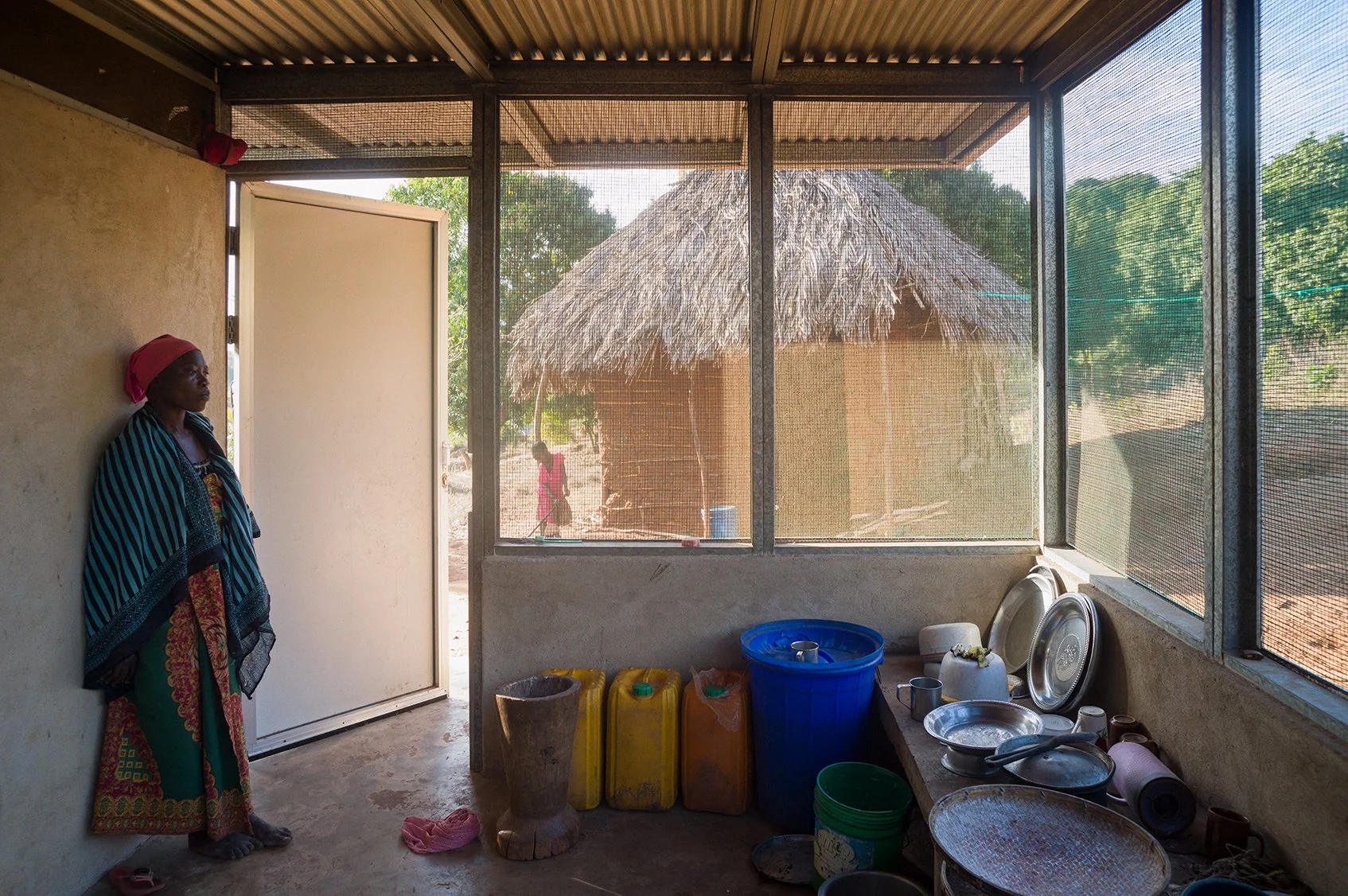
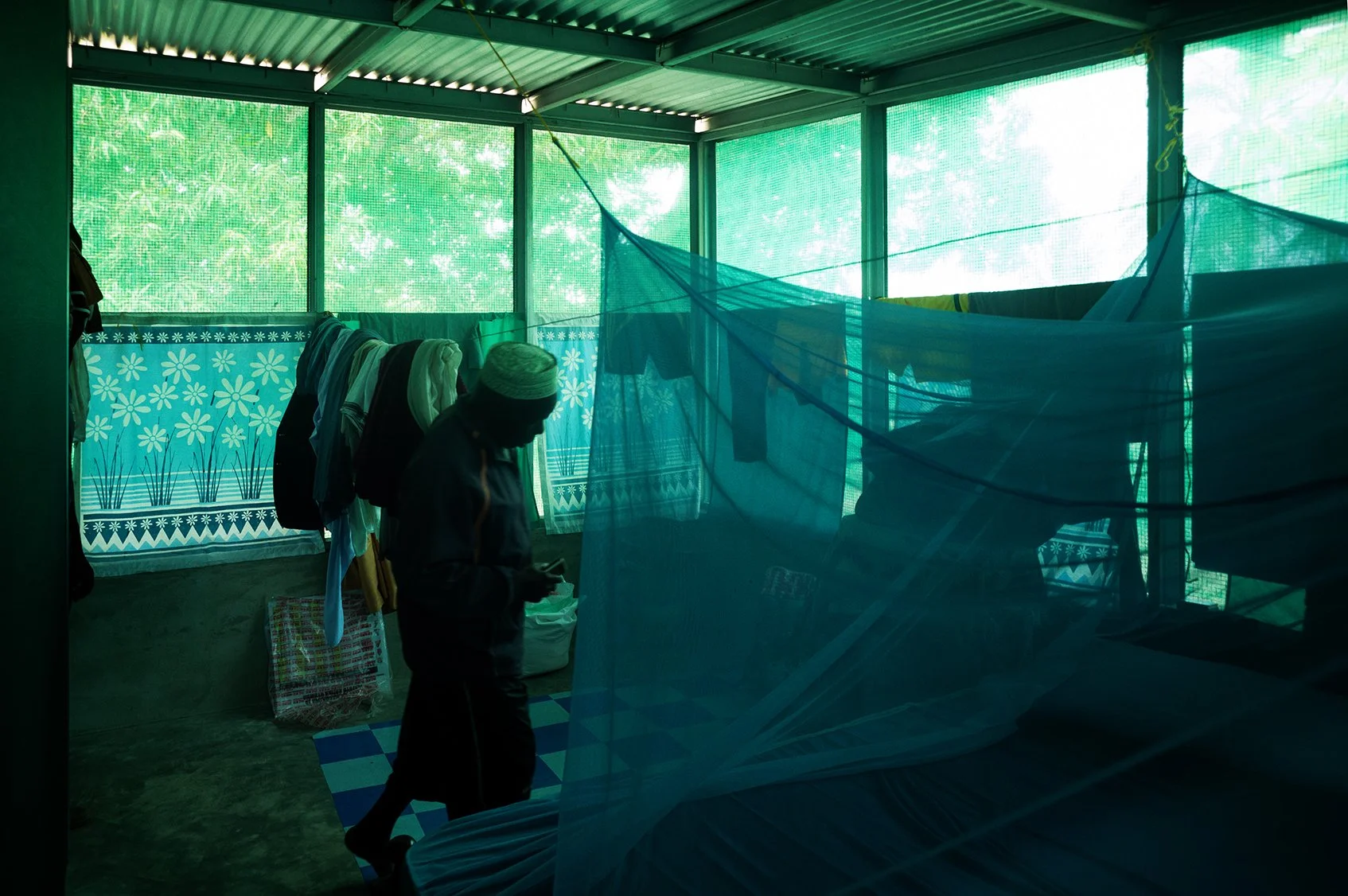
“The result is a home that uses 70% less concrete compared with a typical concrete block design and has 40% less embodied energy.”
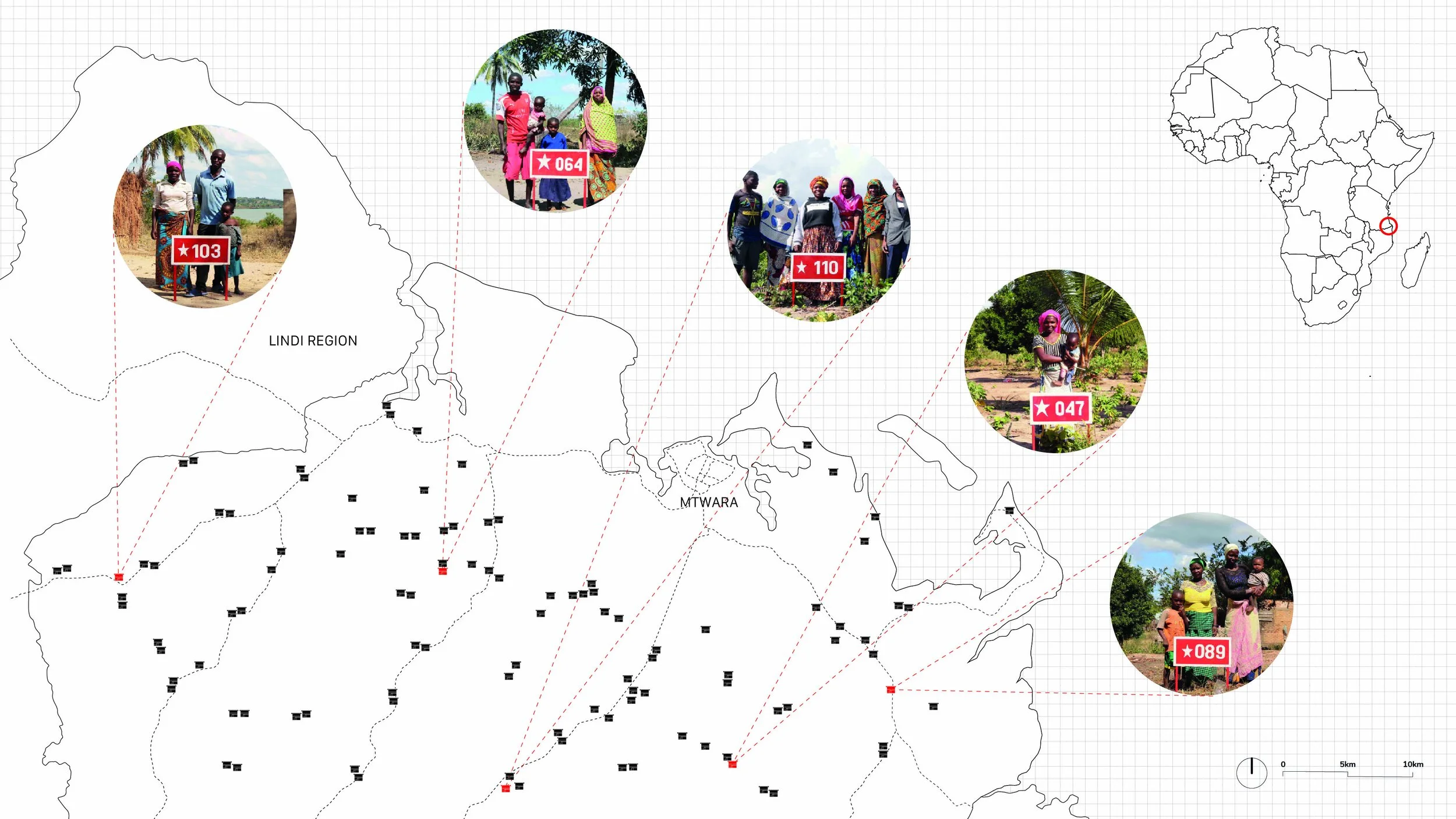
“Rainwater is collected from the roof and stored in a 2000L tank via a first flush system, providing clean drinking water. A 40W solar panel provides lighting and USB charging. All materials and labour are sourced locally, and components can be reused or recycled.”
What the Star Home demonstrates is something bigger: health can be built into infrastructure. Instead of relying only on healthcare systems, communities can reduce disease at the source—through smarter design.
Reminds us of the clay pot water systems that filter water.
In a world facing rising populations, climate pressure, and strained health systems, this kind of thinking could reshape how we build.
Want to learn how to build a Star Home?
Enter here