
“People who had never picked up trash before, and people who weren’t particularly interested in environmental issues, were starting to join. I think that’s because we presented litter picking as a sport.”
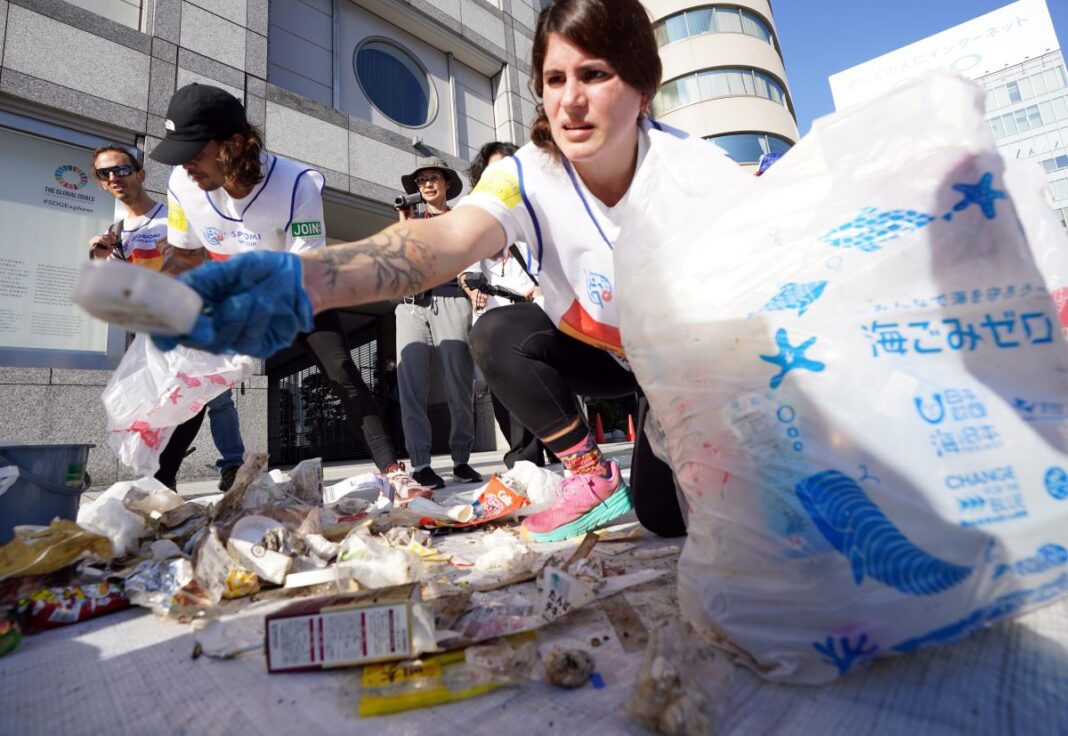
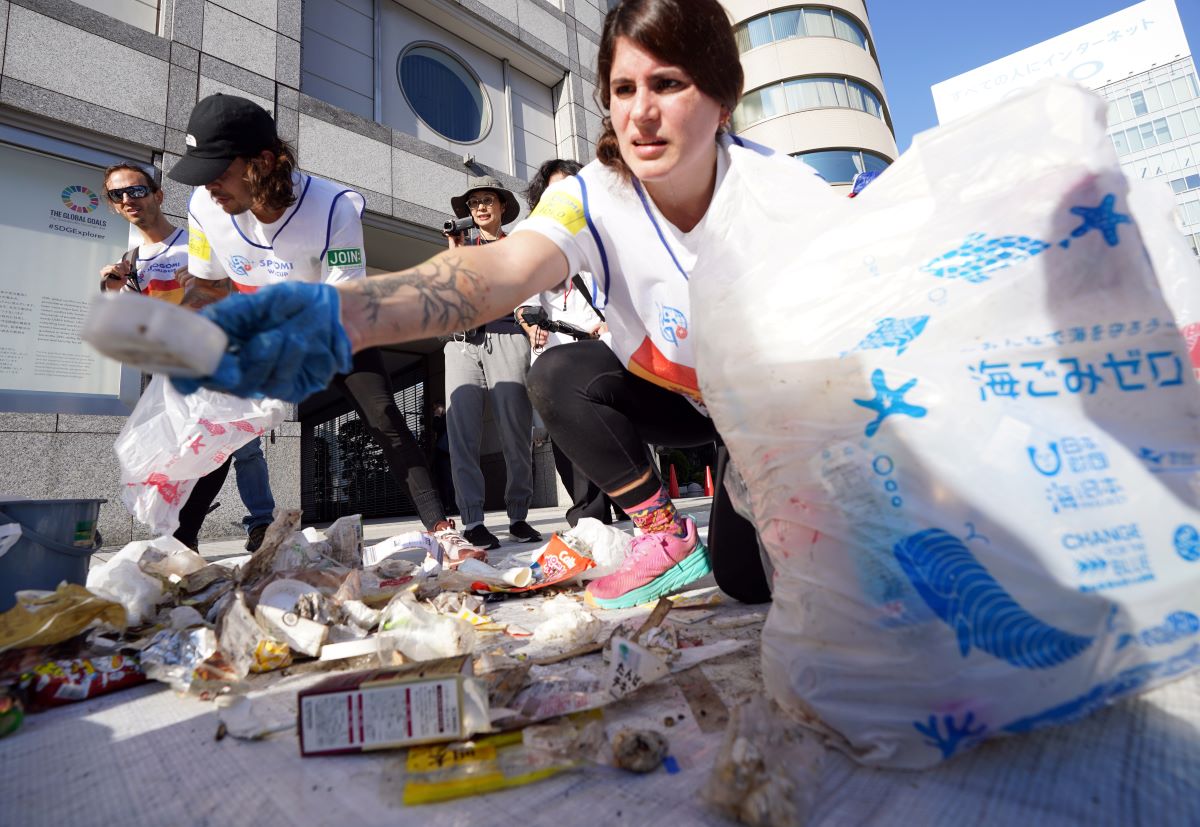
That insight comes from Kenichi Mamitsuka, the Japanese innovator who turned garbage collection into a competitive team sport known as spogomi — a portmanteau of sport and gomi, the Japanese word for trash. If you’ve ever visited Tokyo, you will get a taste for just how fussy the Japanese are about picking up trash. They use claw graspers for tiny bits of things, and scrub brushes on sidewalks.
What began as a local experiment has grown into something unexpectedly global. Spogomi now includes organized leagues, referees, time limits, scoring systems, and even a World Cup, drawing participants who might otherwise never attend a beach cleanup or environmental rally. The story, recently highlighted by National Geographic, points to a powerful truth: behavior change doesn’t always start with ideology. Sometimes, it starts with play.
Want to know the rules?
Environmental movements have long struggled with a perception problem. Too often, they feel moralistic, joyless, or reserved for the already converted. Spogomi flips that script. It reframes responsibility as action, and action as something social, physical, and — crucially — fun. Teams compete not just on volume of trash collected, but on sorting accuracy and teamwork. Winning isn’t symbolic – you can measure it.
There’s something quietly radical about this approach. By removing guilt and replacing it with momentum, spogomi attracts people motivated by camaraderie, competition, and pride rather than climate anxiety. It also sidesteps politics. You don’t need to agree on why waste is a problem to agree that it shouldn’t be on the street.
In a world saturated with environmental messaging, spogomi offers a reminder that solutions don’t always need to be heavier. Sometimes they need to be lighter — structured like a game, grounded in community, and designed to meet people where they already are.