
There is something disarming about a company that publishes what didn’t work. I first came across this approach at startup events called FailCon, where high-tech founders would bare all and tell people about the mistakes of their lives — money they lost, lives they crushed. And we loved them more for it. Because for every company that works, there are probably a thousand that don’t.
Vivobarefoot, the shoe company taking on Nike and Adidas by turning technology inward — into the people who wear their shoes rather than external gels, soles, and supports — has made failure part of its annual reporting. You can find it laid out plainly in the Unfinished Business Report 2025, an integrated annual report that reads more like a working notebook.
Vivobarefoot is not a public company. There are no quarterly earnings calls to perform for, so they don’t need to do this. The business remains majority owned by the Clark family, with founders Galahad Clark and Asher Clark retaining control. A minority investment from Sofina Group provides patient capital, alongside a long-standing manufacturing partner and a small group of Crowdcube investors. That structure matters. It explains why this report can afford to be honest.
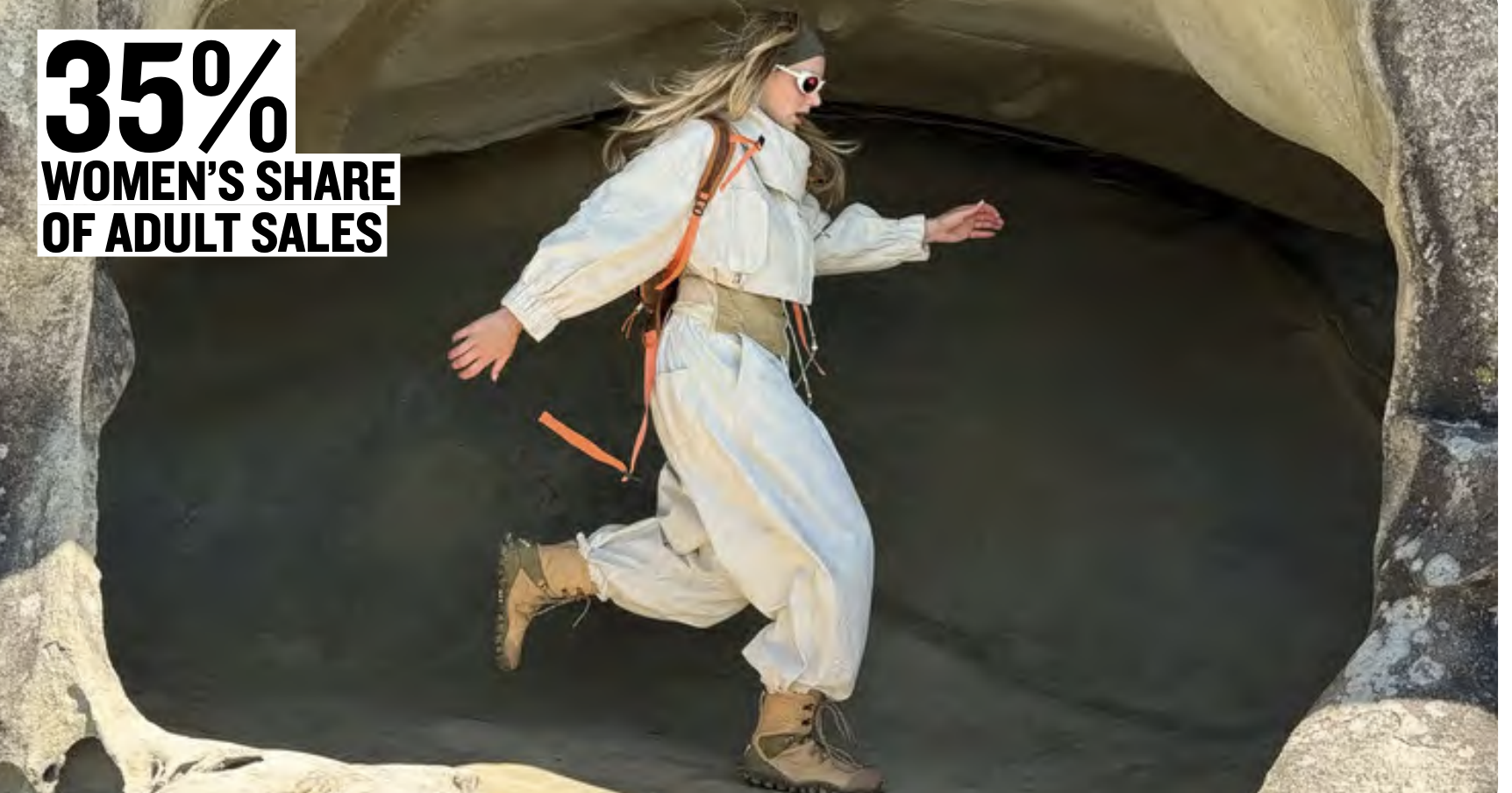
The report is clear about where things fell short. A strong women’s campaign delivered more than 11% growth but left men’s sales down 1% year-on-year, a reminder that focus can also create imbalance. VivoBiome, the much-celebrated scan-to-print footwear initiative, generated awards and media attention, but scanning and production bottlenecks limited volumes and sales.
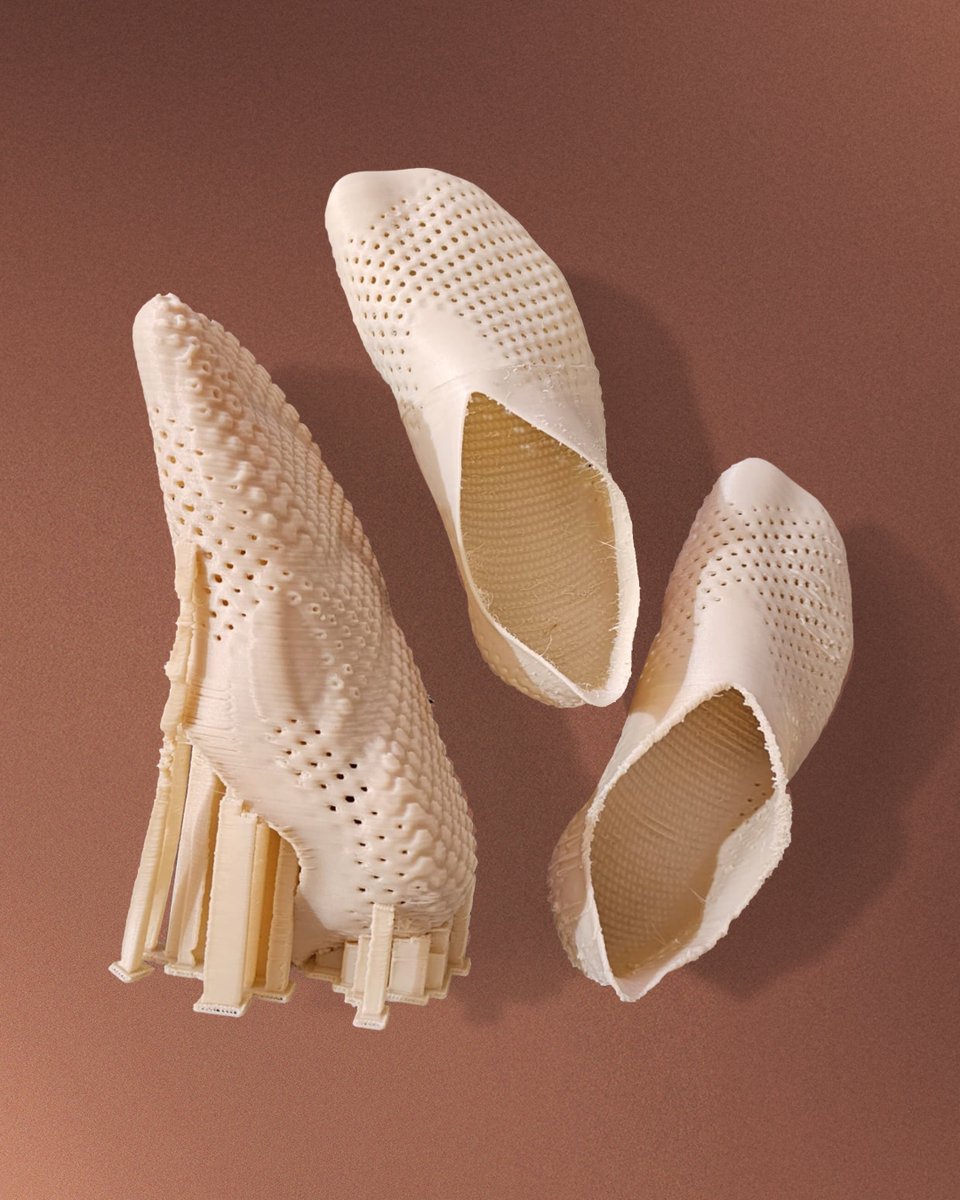
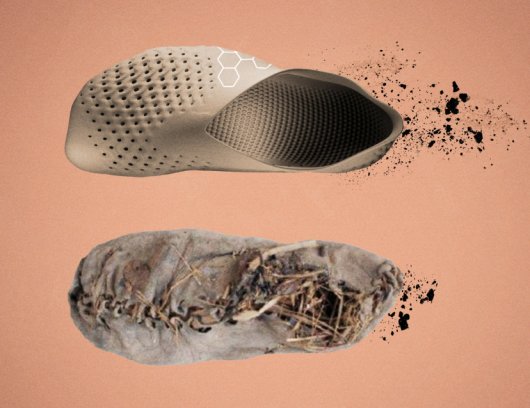
There were also product issues, including waterproofing and bonding failures in the Tracker Low and High boots, now fixed, and persistent stock availability problems that meant customers often couldn’t get the styles they wanted. None of this is dramatized. It’s presented as information — signals from the system.
What sits alongside these limitations is slower, less flashy progress. ReVivo, Vivobarefoot’s resale and repair platform, now accounts for up to 15% of sales. More than 63,000 pairs were repaired or refurbished this year. During Repair Week, demand overwhelmed expectations — queues outside stores, thousands of repairs booked in days.
Financially, the company grew to £91.4 million in revenue, sold 1.2 million pairs, and maintained a B Corp score of 119.3. But the report resists the idea that regeneration can ever be “done.” Growth is treated as something fragile — easily undone by logistics, incentives, or execution. The company has also published reports by human resources which show a 7.5 happiness rating for employees.

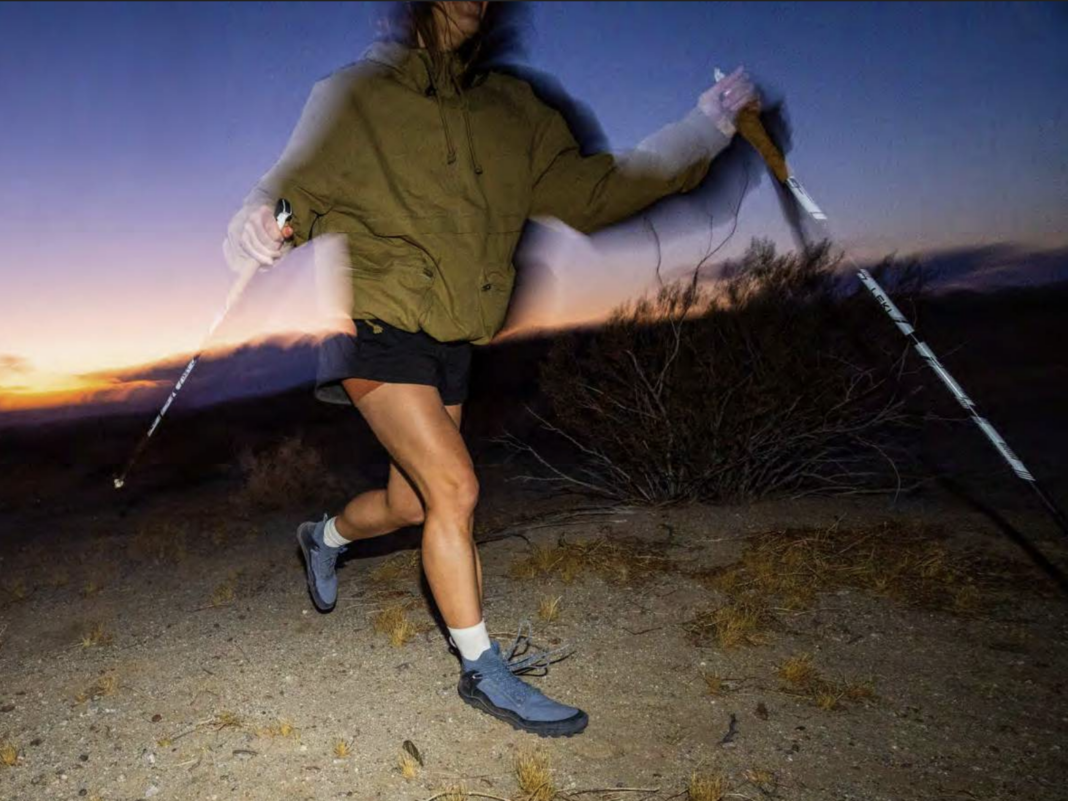
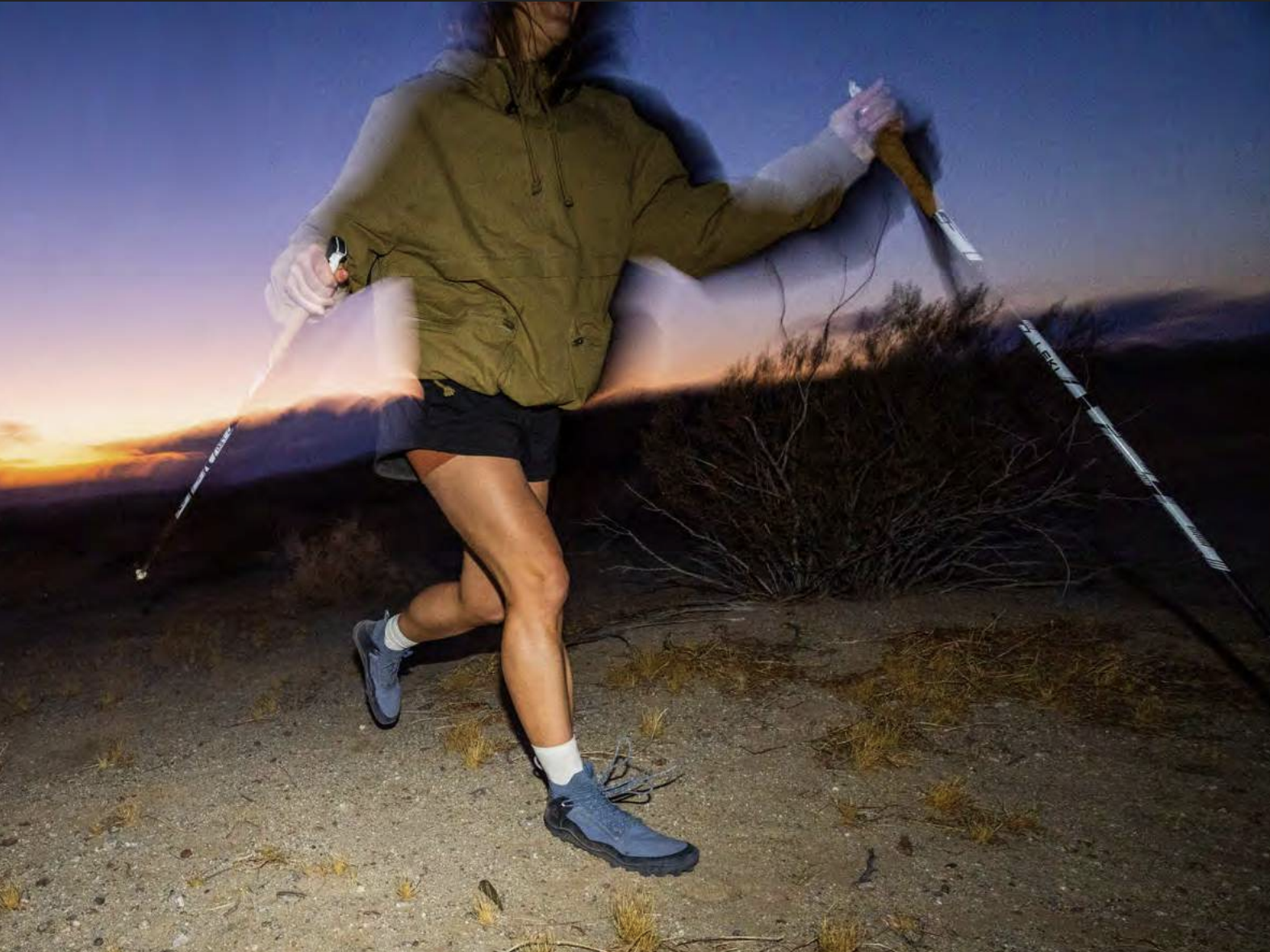
I’ll add a small personal note. Early this year, Vivobarefoot sent us a pair of wool barefoot shoes. I didn’t love them at first. They felt less stable than the ones I’ve bought over the years with laces. (I run in barefoot shoes too). The soles, padded with a rubber/cork composite, irritated my feet in a way that felt like a warm tingling. Then, gradually when I was in Berlin in the fall, I started wearing them as an every day shoe. Somewhere along the way, they became the shoes I reach for every morning. The weather has something to do with it.
Vivobarefoot doesn’t promise instant transformation — of bodies, businesses, or systems. They even suggest that when you buy their shoes wear them at increments until you get used to them. Your better posture should come from within, not given to you by an inflexible sole and the security of a cushioned heel.
Unfinished Business 2025 offers a blueprint for companies people want to support and work for: a company willing to stay with discomfort, to publish what didn’t work and what does.