Reserve a Red Sea pod hotel at Shebara Island for $2,400 a night

Shebara Report, Saudi Arabia

In an oil wealthy state like Saudi Arabia luxury has no limits. And the latest is LEED certified.

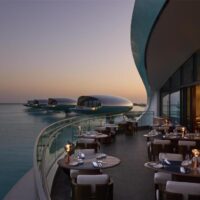
A new Red Sea resort in Saudi Arabia called Shebara Island is already taking pre-bookings for its glamorous pod hotels, a cool SAR 9,000 a night, which equals about $2,400 USD. No big deal if you’ve berthed your mega-yacht at its shores.

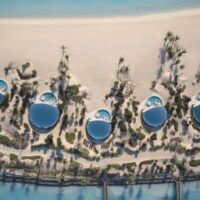
Powered by the sun, the resort features 73 pods that rival the best of luxury from the Maldives seeing a downturn in tourism for its racist policies on religious freedom.

 With 73 breathtaking overwater and beachfront villas powered by sunlight, this resort is where nature and sustainability come together at The Red Sea
With 73 overwater and beachfront villas powered by sunlight, this resort is where nature and sustainability come together at The Red Sea

Saudi Arabia is hoping to become booming hotspot for business and tourism and has started creating 15-minute cities like Neom.

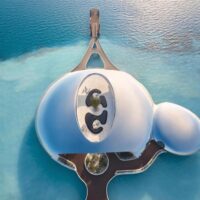
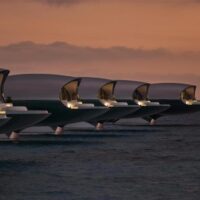
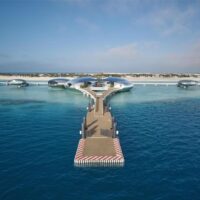
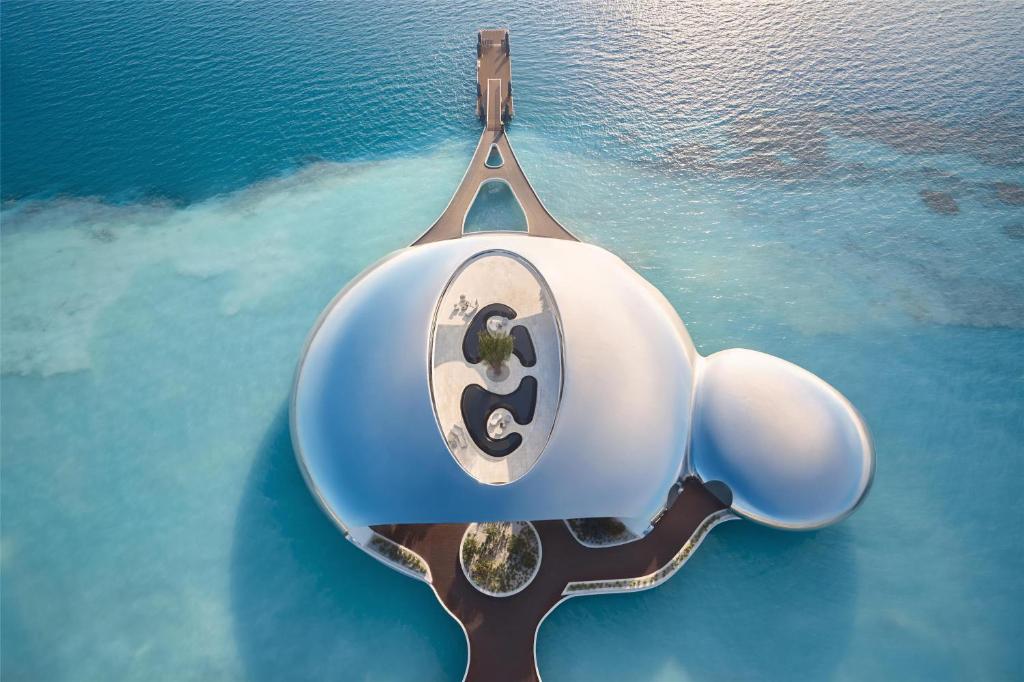
Shebaya, the latest from dozens of new projects announced, is LEED-Platinum property which is built to “minimise its environmental and literal environmental footprint by cantilevering the accommodation spaces above the coral reefs with only a few square meters of ground impact at the base of the supporting column.

“The result is an aerial accommodation ‘pod’ that almost seems to defy gravity and suspends the guest directly above and within the beauty of an untouched marine eco-system; an observation platform for guests to witness the fish, birds and turtles that thrive in the area,” says a handout.

The LEED-Platinum property seeks to minimise its environmental and literal environmental footprint by cantilevering the accommodation spaces above the coral reefs with only a few square meters of ground impact at the base of the supporting column. The result is an aerial accommodation ‘pod’ that almost seems to defy gravity and suspends the guest directly above and within the beauty of an untouched marine eco-system; an observation platform for guests to witness the fish, birds and turtles that thrive in the area. The entire project is powered by a centralized solar farm and fresh water is supplied from a solar powered desalination plant. Recycling of waste material takes place on the island minimizing the need to bring or remove materials from the site. The entire infrastructural backbone of the project forms part of a visitor experience where guest can be exposed to and learn about the approach that goes into making the project a truly self-sustained human development. The design language of the resort compliments the uniqueness of the site. The approach to the façade design has been to minimize visual impact, employing a highly reflective stainless-steel skin polished to a mirror finish. These reflective orbs float, almost imperceptible, reflecting the colors and surface patterns of the ocean, the intense colors of the sky as they change throughout the day. This approach serves to lessen the visual impact of the architecture on the surrounding environment while also greatly improv the building’s energy performance with a near 100% reflection of the solar gain at the mirror surface. These heavily insulated spaces can be effectively cooled with minimal energy losses.

The entire project is powered by a centralized solar farm and fresh water is supplied from a solar powered desalination plant. Recycling of waste material takes place on the island minimizing the need to bring or remove materials from the site.

The LEED-Platinum property seeks to minimise its environmental and literal environmental footprint by cantilevering the accommodation spaces above the coral reefs with only a few square meters of ground impact at the base of the supporting column. The result is an aerial accommodation ‘pod’ that almost seems to defy gravity and suspends the guest directly above and within the beauty of an untouched marine eco-system; an observation platform for guests to witness the fish, birds and turtles that thrive in the area. The entire project is powered by a centralized solar farm and fresh water is supplied from a solar powered desalination plant. Recycling of waste material takes place on the island minimizing the need to bring or remove materials from the site. The entire infrastructural backbone of the project forms part of a visitor experience where guest can be exposed to and learn about the approach that goes into making the project a truly self-sustained human development. The design language of the resort compliments the uniqueness of the site. The approach to the façade design has been to minimize visual impact, employing a highly reflective stainless-steel skin polished to a mirror finish. These reflective orbs float, almost imperceptible, reflecting the colors and surface patterns of the ocean, the intense colors of the sky as they change throughout the day. This approach serves to lessen the visual impact of the architecture on the surrounding environment while also greatly improv the building’s energy performance with a near 100% reflection of the solar gain at the mirror surface. These heavily insulated spaces can be effectively cooled with minimal energy losses. The LEED-Platinum property seeks to minimise its environmental and literal environmental footprint by cantilevering the accommodation spaces above the coral reefs with only a few square meters of ground impact at the base of the supporting column. The result is an aerial accommodation ‘pod’ that almost seems to defy gravity and suspends the guest directly above and within the beauty of an untouched marine eco-system; an observation platform for guests to witness the fish, birds and turtles that thrive in the area. The entire project is powered by a centralized solar farm and fresh water is supplied from a solar powered desalination plant. Recycling of waste material takes place on the island minimizing the need to bring or remove materials from the site. The entire infrastructural backbone of the project forms part of a visitor experience where guest can be exposed to and learn about the approach that goes into making the project a truly self-sustained human development. The design language of the resort compliments the uniqueness of the site. The approach to the façade design has been to minimize visual impact, employing a highly reflective stainless-steel skin polished to a mirror finish. These reflective orbs float, almost imperceptible, reflecting the colors and surface patterns of the ocean, the intense colors of the sky as they change throughout the day. This approach serves to lessen the visual impact of the architecture on the surrounding environment while also greatly improv the building’s energy performance with a near 100% reflection of the solar gain at the mirror surface. These heavily insulated spaces can be effectively cooled with minimal energy losses. The LEED-Platinum property seeks to minimise its environmental and literal environmental footprint by cantilevering the accommodation spaces above the coral reefs with only a few square meters of ground impact at the base of the supporting column. The result is an aerial accommodation ‘pod’ that almost seems to defy gravity and suspends the guest directly above and within the beauty of an untouched marine eco-system; an observation platform for guests to witness the fish, birds and turtles that thrive in the area. The entire project is powered by a centralized solar farm and fresh water is supplied from a solar powered desalination plant. Recycling of waste material takes place on the island minimizing the need to bring or remove materials from the site. The entire infrastructural backbone of the project forms part of a visitor experience where guest can be exposed to and learn about the approach that goes into making the project a truly self-sustained human development. The design language of the resort compliments the uniqueness of the site. The approach to the façade design has been to minimize visual impact, employing a highly reflective stainless-steel skin polished to a mirror finish. These reflective orbs float, almost imperceptible, reflecting the colors and surface patterns of the ocean, the intense colors of the sky as they change throughout the day. This approach serves to lessen the visual impact of the architecture on the surrounding environment while also greatly improv the building’s energy performance with a near 100% reflection of the solar gain at the mirror surface. These heavily insulated spaces can be effectively cooled with minimal energy losses.

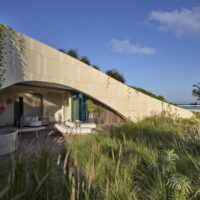
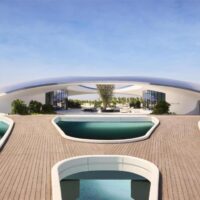
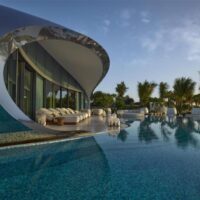
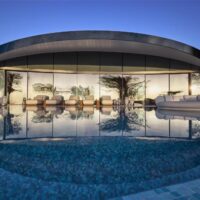
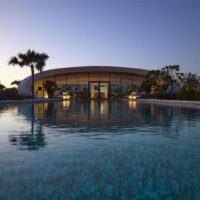
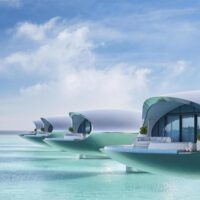
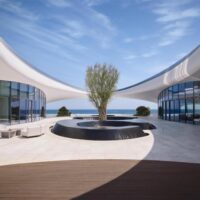
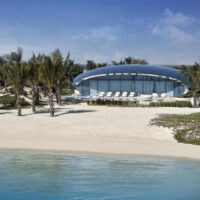
The design language of the resort compliments the uniqueness of the site. The approach to the façade design has been to minimize visual impact, employing a highly reflective stainless-steel skin polished to a mirror finish. These reflective orbs float, almost imperceptible, reflecting the colors and surface patterns of the ocean, the intense colors of the sky as they change throughout the day.

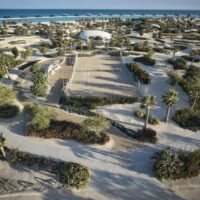
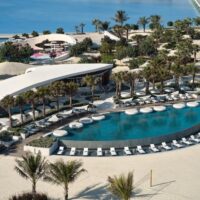
Desalination and power plant powered by the sun

This approach serves to lessen the visual impact of the architecture on the surrounding environment while also greatly improv the building’s energy performance with a near 100% reflection of the solar gain at the mirror surface. These heavily insulated spaces can be effectively cooled with minimal energy losses.

The LEED-Platinum property seeks to minimise its environmental and literal environmental footprint by cantilevering the accommodation spaces above the coral reefs with only a few square meters of ground impact at the base of the supporting column. The result is an aerial accommodation ‘pod’ that almost seems to defy gravity and suspends the guest directly above and within the beauty of an untouched marine eco-system; an observation platform for guests to witness the fish, birds and turtles that thrive in the area. The entire project is powered by a centralized solar farm and fresh water is supplied from a solar powered desalination plant. Recycling of waste material takes place on the island minimizing the need to bring or remove materials from the site. The entire infrastructural backbone of the project forms part of a visitor experience where guest can be exposed to and learn about the approach that goes into making the project a truly self-sustained human development. The design language of the resort compliments the uniqueness of the site. The approach to the façade design has been to minimize visual impact, employing a highly reflective stainless-steel skin polished to a mirror finish. These reflective orbs float, almost imperceptible, reflecting the colors and surface patterns of the ocean, the intense colors of the sky as they change throughout the day. This approach serves to lessen the visual impact of the architecture on the surrounding environment while also greatly improv the building’s energy performance with a near 100% reflection of the solar gain at the mirror surface. These heavily insulated spaces can be effectively cooled with minimal energy losses.

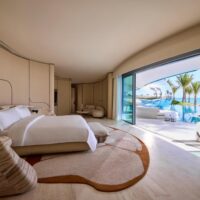
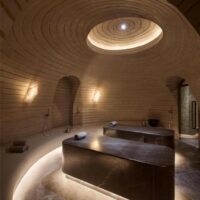
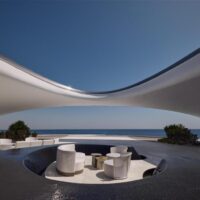
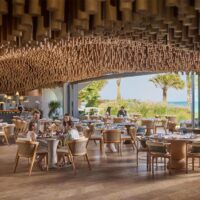
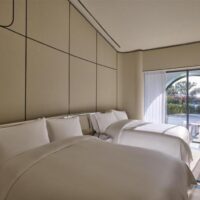
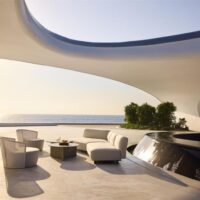
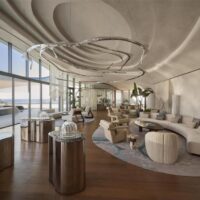
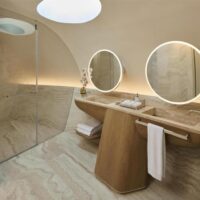
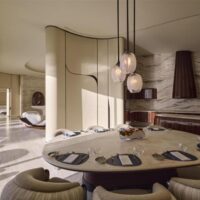
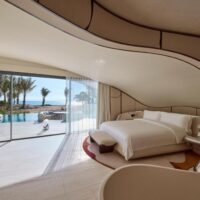
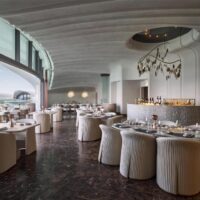
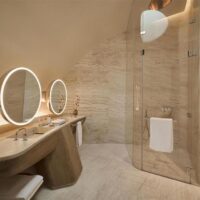
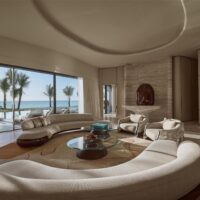
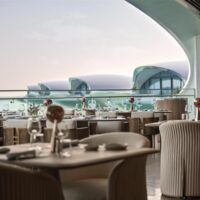
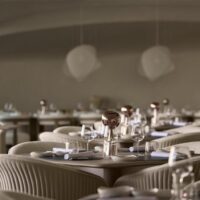
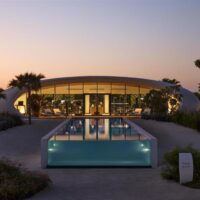
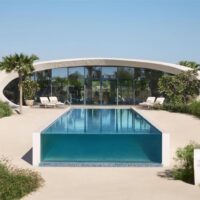
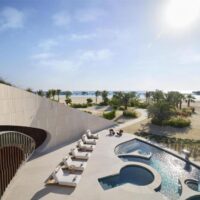
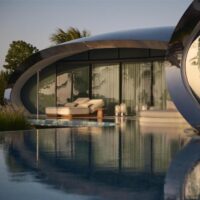
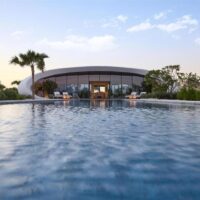
The interior space of the project provides spacious room for the guests, with detailing, and finishes inspired by the interiors of luxury yachts. The room offers panoramic views to the sea with sliding doors that open to a deck, a seating area and an infinity pool with uninterrupted views of the sea and horizon beyond.

The project is designed by the UAE based K

Other Red Sea attractions in the region include our favorite place: low-key eco tourism in Sinai. There is also a great list of eco-tourism sites in the Holy Land. A typical trip in the future might look like this:

  1. A cruise down the Nile. The pyramids. A visit to Siwa Oasis in Egypt.
  2. Head over to St. Catherines Monastery, hike God’s Mountain, and spend a few nights diving in Sinai.
  3. Taxi over to Eilat and head to Tel Aviv, Tiberias, Jerusalem, the Dead Sea.
  4. Head across the Allenby Bridge to Jordan and check out Madaba, then down to Petra.
  5. From Petra head to Saudi Arabia to one of its dozens of new Red Sea attractions.
 

Karin Kloosterman
Karin Kloostermanhttp://www.greenprophet.com
Karin Kloosterman is an award-winning journalist, innovation strategist, and founder of Green Prophet, one of the Middle East’s pioneering sustainability platforms. She has ranked in the Top 10 of Verizon innovation competitions, participated in NASA-linked challenges, and spoken worldwide on climate, food security, and future resilience. With an IoT technology patent, features in Canada’s National Post, and leadership inside teams building next-generation agricultural and planetary systems — including Mars-farming concepts — Karin operates at the intersection of storytelling, science, and systems change. She doesn’t report on the future – she helps design it. Reach out directly to [email protected]
Hot this week

How Renewable Energy is Revolutionizing the Way We Power Our World

Solar has become the star of the transition thanks to modular hardware and straightforward installation. It fits dense cities and remote towns alike. Many companies are turning to rooftop arrays and carport systems - and exploring commercial solar installation as a practical way to lock in future savings.

How does one start prepping?

Faced with an extreme winter storm this year, Americans wonder how to be prepared for catastrophe. Miriam has lived through wars in the Middle East - so she's prepared on giving you a guide to prepping.

Fishermen sue tire manufacturers on behalf of the salmon

A federal trial in San Francisco has brought US tire manufacturers, fishing groups, and environmental scientists into court over a chemical most drivers have never heard of — but which scientists say may be silently reshaping aquatic ecosystems.

Listening to Water: Tarek Atoui’s Next Work for Tate Modern

Born in Beirut, Lebanon in 1980 and now living in Paris, Atoui has spent years building instruments that don’t sit comfortably in concert halls. Many of them involve water, glass, and ceramics — materials that react to sound instead of simply producing it.

Leading Through a Dual-Energy Transition: Balancing Decarbonisation with Energy Security

Experience in one area of the energy industry isn't enough to guarantee readiness across all the others. That's where a structured program like an MBA in energy can come in. Today's advanced curricula explore energy economics, finance, policy, and strategic management alongside the technical subjects. And when pursuing an energy MBA online, professionals can skill up and retrain without having to step out of the labor market -- an important perk at a time when skilled professionals are already in short supply.

Topics

How Renewable Energy is Revolutionizing the Way We Power Our World

Solar has become the star of the transition thanks to modular hardware and straightforward installation. It fits dense cities and remote towns alike. Many companies are turning to rooftop arrays and carport systems - and exploring commercial solar installation as a practical way to lock in future savings.

How does one start prepping?

Faced with an extreme winter storm this year, Americans wonder how to be prepared for catastrophe. Miriam has lived through wars in the Middle East - so she's prepared on giving you a guide to prepping.

Fishermen sue tire manufacturers on behalf of the salmon

A federal trial in San Francisco has brought US tire manufacturers, fishing groups, and environmental scientists into court over a chemical most drivers have never heard of — but which scientists say may be silently reshaping aquatic ecosystems.

Listening to Water: Tarek Atoui’s Next Work for Tate Modern

Born in Beirut, Lebanon in 1980 and now living in Paris, Atoui has spent years building instruments that don’t sit comfortably in concert halls. Many of them involve water, glass, and ceramics — materials that react to sound instead of simply producing it.

Leading Through a Dual-Energy Transition: Balancing Decarbonisation with Energy Security

Experience in one area of the energy industry isn't enough to guarantee readiness across all the others. That's where a structured program like an MBA in energy can come in. Today's advanced curricula explore energy economics, finance, policy, and strategic management alongside the technical subjects. And when pursuing an energy MBA online, professionals can skill up and retrain without having to step out of the labor market -- an important perk at a time when skilled professionals are already in short supply.

From Green Energy to Healthy Societies: Why old systems thinking is becoming relevant again

Across the Middle East and North Africa, large investments are being made in green hydrogen, renewable energy, water infrastructure and sustainability. Most of these efforts are discussed in the context of climate change, decarbonization and economic diversification. That framing is important, but it may not capture their full value.

We saw peace – an interreligious encounter deep in our eyes

They came from Israel, Palestine, Jordan, Iraq, Yemen, Morocco, Tunisia, Lebanon, Egypt… There are Sunni Muslims, Shiite Muslims, Jews (Orthodox and Reform), Orthodox Christians, Coptic Christians, Protestant Christians, Druze, Baha'is, a Scientologist.

Can biochar reduce ‘Forever Chemicals’ in food if it’s used in farms?

Biochar is produced by heating organic material in a low-oxygen environment so it does not burn. This process, known as pyrolysis, transforms plant matter into a stable, carbon-rich material.

Related Articles

Popular Categories