


After a review of Professor Ozdemir’s book Care for Creation; An Islamic Perspective (read it here), I had the pleasure to have another interview with the author, available now for the readers of Green Prophet.

Professor Ozdemir, we had our last interview immediately after the publication of your book Care for Creation; An Islamic Perspective, at the end of 2022. In the meantime several things happened in the Islamic world and, nowadays, the terrible war in Palestine is getting most of the attention. Focusing on the relationship between Islam and ecology, the topic of your book, the 13th of December 2023 ended COP28. Let’s start from here: did you attend the Conference and, in general, what’s your opinion about its results?
The discussions and commitments made at COP28, including initiatives and funding for sustainable development and climate adaptation, particularly in vulnerable regions, reflect a growing acknowledgment of the urgency of our environmental crisis. This aligns with the principles highlighted in my book, Care for Creation; An Islamic Perspective, where I advocate for a proactive and faith-based approach to environmental stewardship.
The challenges highlighted by the current geopolitical tensions, including the war in Palestine, underscore the interconnectedness of peace, justice, and environmental sustainability. It’s crucial that we, especially in the Islamic world, continue to push for comprehensive solutions that address not only the symptoms of our environmental issues but also their root causes, including conflict and inequality.
I am hopeful about the future because the engagement and dialogue generated by COP28, despite its imperfections, demonstrate a collective will to confront environmental challenges. It’s essential that we build on this momentum, incorporating Islamic environmental ethics, which emphasize balance, compassion, and stewardship, into our global and local environmental actions. The path forward requires unity, innovative solutions, and a commitment to justice and sustainability for all creatures and ecosystems.
Which kind of progresses are you seeing, in the Islamic world, in terms of environmental awareness? We know, from your book, Islam is a “genetically environmentalist religion” and we know also that, from a practical point of view, there is still a remarkable amount of work ahead of us. Are there some encouraging signs?

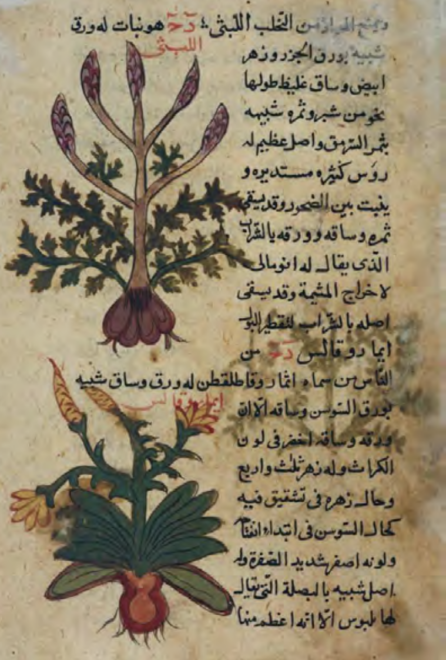
C.E., there was a patch of greenery on the barren desert lands, which happened to be Medina. Artist unknown.
In the Islamic world, there are indeed encouraging signs of progress in terms of environmental awareness, as highlighted by the principles and examples set forth in Islamic teachings and history. Islamic teachings emphasize the importance of caring for creation, including the preservation of nature, the responsible use of resources, and kindness towards animals. Historical examples from the Islamic world showcase efforts to establish sanctuaries for wildlife, conservation of green spaces, and the creation of public fountains and gardens. Additionally, the Islamic tradition of cleanliness and conservation is evident in teachings that discourage wastefulness and encourage the sustainable use of natural resources.

These principles are not only integral to Islamic faith but also provide a foundation for addressing contemporary environmental challenges. The increasing engagement with these teachings and the growing recognition of environmental issues within the Islamic community are positive signs of progress towards a greater environmental stewardship.
In the Islamic world, there is a strong environmental worldview presented by Islam, emphasizing care for creation, sustainability, and conservation as core principles. Despite this, the awareness among Muslims about global environmental problems is still developing. This growing consciousness is a positive sign, albeit gradual. It’s important to recognize that environmental awareness is intertwined with broader societal factors, including democracy and the rule of law.
Bees in the Quran and apitherapy in Arabic
As these aspects strengthen within societies, they can further enhance the commitment to environmental stewardship, highlighting the relationship between governance, societal values, and environmental action. This evolving awareness, coupled with the foundational environmental ethics of Islam, suggests a path forward where increased environmental consciousness can lead to meaningful actions and policies.
Since a couple of years you are living and teaching in the US. How is the relation between ecology and Islam in that country?
In the United States, the relationship between ecology and Islam is experiencing a revival, particularly among younger generations such as Generation Z and Millennials (Generation Y). This demographic is increasingly engaging with environmental issues through the lens of their Islamic faith, finding in environmental stewardship a nonpolitical cause that resonates with their spiritual values and offers a platform for action.
This revival is not only about fighting for environmental causes but also about presenting their worldviews to their peers, showcasing how Islamic teachings align with contemporary environmental concerns. However, this movement is still in its formative stages, with young Muslims at the forefront of integrating ecological consciousness with their religious identity, indicating a promising direction for the future.
In the United States, initiatives like Eco-Fab Living, Green Deen and Eco-Islam are prominent examples of the burgeoning relationship between ecology and Islam, particularly resonating with the younger Muslim demographics. These movements encapsulate the essence of integrating Islamic teachings with environmental stewardship, serving as conduits for young Muslims to advocate for ecological sustainability, present their faith-informed perspectives on environmental issues, and engage in nonpolitical environmental activism.
These initiatives are part of a broader, emerging trend where environmental consciousness within the Islamic community is gaining momentum, illustrating the dynamic interplay between faith and ecological responsibility. There are numerous other organizations and movements within the Islamic world that also contribute to this growing awareness and action towards environmental sustainability, each adding unique insights and approaches to the discourse on eco-Islam.
What about Muslim countries? We know that Indonesia , the most populous Muslim country is paying a lot of attention to ecology in its agenda. Could you please give us some more information about ecological initiatives in Indonesia and in other Muslim countries, for example your own country: Turkey?
In Indonesia, the most populous Muslim country, there is a significant emphasis on integrating ecological concerns into national policies and initiatives. The country has embarked on various environmental projects, including reforestation efforts, wildlife conservation, and initiatives to reduce plastic pollution. Indonesia’s approach often blends traditional Islamic teachings with contemporary environmental challenges, leveraging the widespread faith in the country to promote stewardship of the earth.
Turkey, another country with a majority Muslim population, is also seeing a growing interest in ecological initiatives. Efforts there include the expansion of renewable energy sources, such as solar and wind power, and campaigns for cleaner transportation options. The country is also involved in reforestation projects and the preservation of biodiversity through the establishment of national parks and protected areas.

Both countries demonstrate how Islamic principles of caring for the Earth are being interpreted and applied in modern environmental efforts, showcasing a blend of faith-based motivation and contemporary ecological practices.
The Templeton Foundation funded a project aimed at Strengthening the Integration of Islam and Environmental Science in Islamic Boarding Schools through the Ekopesantren Program, which has been hailed as a success story. This initiative underscores the potential for integrating religious teachings with contemporary environmental education, demonstrating a practical approach to fostering ecological awareness and action within religious educational settings. The success of the Ekopesantren Program exemplifies how faith-based institutions can play a pivotal role in advancing environmental stewardship and sustainability efforts.
In Turkey, the European Climate Foundation funded a significant project in cooperation with Üsküdar University’s Forum on Environmental Ethics, aimed at promoting the message and making of al-Mizan: A Covenant for Earth. This project represents a notable effort to intertwine Islamic environmental ethics with modern ecological concerns, fostering a deeper understanding and commitment to environmental stewardship within the Muslim community. Through such initiatives, the linkage between faith-based values and environmental sustainability is strengthened, showcasing innovative approaches to addressing global ecological challenges.
What do you advice eco-Muslims around the world? Maybe a stronger networking work should be done?
To eco-Muslims around the world, drawing inspiration from Care for Creation and al-Mizan: A Covenant for Earth, a key piece of advice would be to deepen their engagement with the principles of environmental stewardship as outlined in Islamic teachings. These texts underscore the profound connection between Islam and environmental ethics, emphasizing the responsibility of Muslims to protect the planet and live in harmony with nature.
Strengthening networking efforts among eco-Muslims and beyond is indeed vital. Here are a few specific recommendations inspired by these guiding documents:
Eco-Muslims should seek to build stronger networks both within the Islamic community and with other faith-based and secular environmental groups. Collaborating on common goals can lead to a greater impact, pooling resources, knowledge, and influence to address environmental challenges more effectively.
Utilize platforms, both online and offline, to share knowledge about the Islamic perspective on environmentalism. Workshops, seminars, and social media campaigns can help spread awareness and inspire action based on the teachings of Care for Creation and al-Mizan: A Covenant for Earth.
Engage with policymakers to advocate for environmentally friendly policies. Use the moral and ethical arguments presented in Islamic environmental teachings to push for changes that can lead to sustainable development and conservation efforts.
Encourage the adoption of sustainable practices within individual lifestyles, communities, and institutions. Initiatives can range from promoting renewable energy and reducing waste to supporting local conservation projects.
Given the universal message of environmental stewardship, seek opportunities for interfaith dialogue and cooperation on ecological issues. Such partnerships can amplify the call for action and demonstrate a united front against environmental degradation.
By focusing on these areas, eco-Muslims can leverage their faith to make a meaningful contribution to the environmental movement. Care for Creation and al-Mizan: A Covenant for Earth provide a rich framework for understanding and action, highlighting the critical role of faith in motivating and guiding efforts to safeguard the environment for future generations.
11 books for sustainable Muslims
Could you please suggest to our readers some crucial books on the relationship between Islam and ecology?
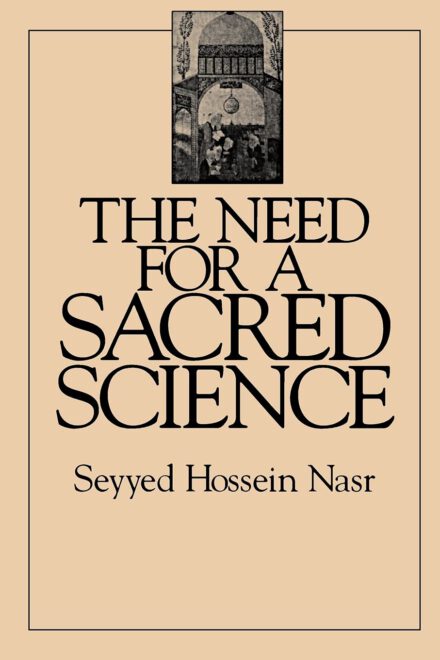
Here are some crucial books on the relationship between Islam and ecology, reflecting the growing interest in how Islamic teachings intersect with environmental stewardship:
Thank you Professor Ozdemir for your answers. Have you any final remarks?
Let me finish with some good news: The United Nations Environment Programme (UNEP) is thrilled to announce the upcoming publication of Al-Mizan – A Covenant for the Earth in Nairobi on 27 February 2024. This groundbreaking document represents a pivotal moment in the dialogue between Islam and environmentalism, offering a restatement of the principles that have historically governed the protection of nature within Islamic teachings, now reimagined to address the pressing environmental challenges of our times.
Al-Mizan – A Covenant for the Earth is a testament to the rich environmental heritage of Islam, articulating a comprehensive vision for sustainable living that resonates with both Muslim environmentalists and the global environmental community. This publication underscores the vital role of faith-based initiatives in promoting ecological sustainability and highlights the unique contributions of Islamic ecological ethics to contemporary environmental discourse.
The announcement is poised to be a watershed moment, marking a significant contribution to the global environmental movement. It promises to inspire action and foster a deeper understanding of the intrinsic connection between Islamic values and the stewardship of the planet.

Manuel Olivares
Manuel Olivares is an Italian author and publisher living between Italy and the UK. He is mainly interested in ecology and comparative religion. He spent several years in Asia, mostly in India, devoting a remarkable amount of time studying Eastern religions.
More recently he has strongly supported the campaign for an eco-friendly Ramadan which had an excellent, international response. For more information visit his web site www.viverealtrimenti.com.