

Flooring options play a significant role in the environmental impact of our living spaces. As concerns about climate change and resource depletion grow, consumers are increasingly seeking sustainable alternatives. In this article, we will explore three popular sustainable flooring options: bamboo, carpet, linoleum, rubber, cork or new or upcycled wood, and poured concrete, considering their environmental impact, certifications, and pros and cons.
Is Timber Flooring Sustainable?
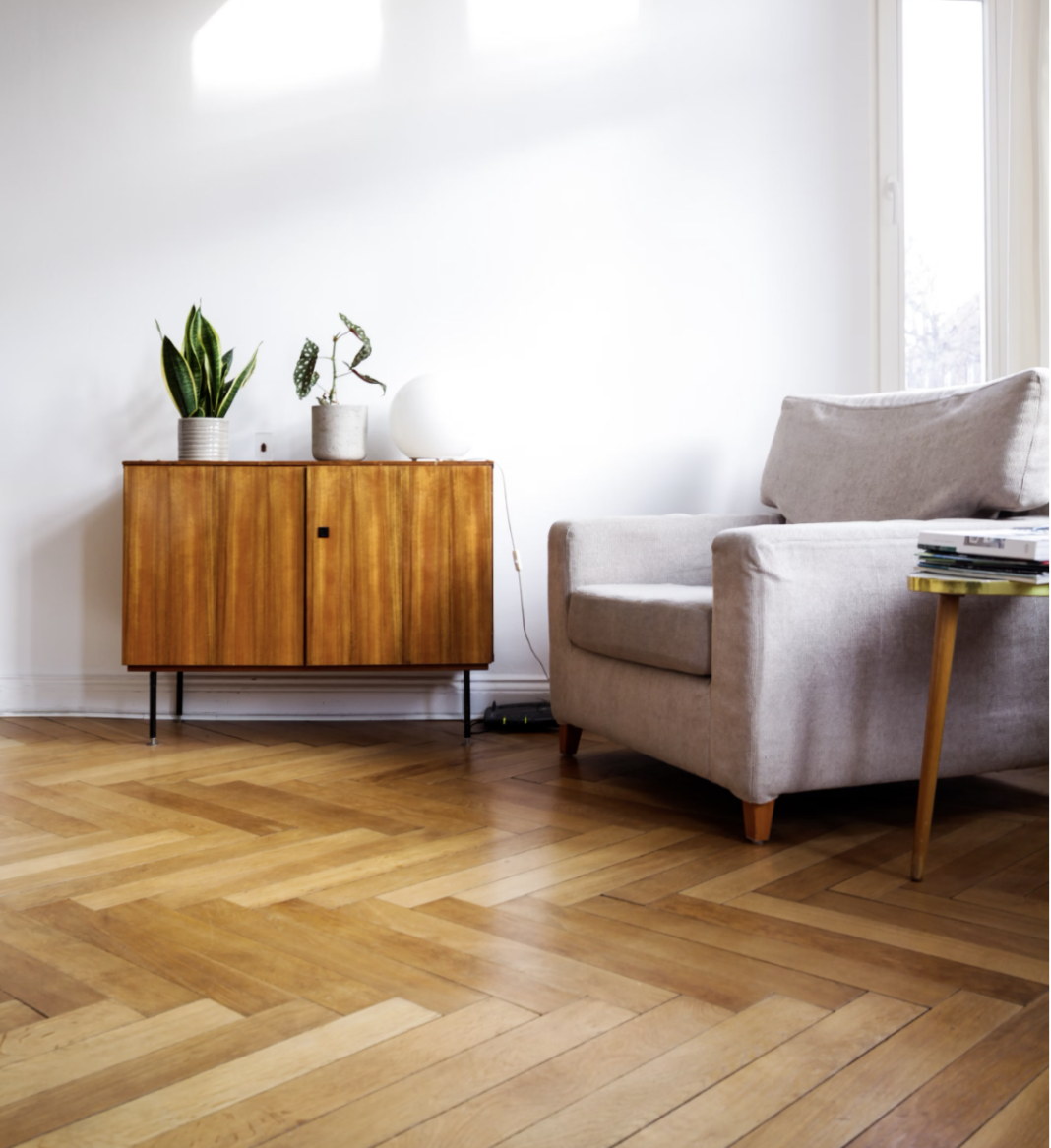
Wood is a natural and renewable source of flooring, but its sustainability depends on responsible sourcing and harvesting practices. In the past, a significant portion of timber imports involved illegal logging, contributing to deforestation and environmental degradation. However, recent efforts have been made to address these issues.
Buying Recycled Timber
One of the most sustainable options is using recycled (reclaimed or upcycled) timber boards. These have a lower environmental impact than new plantation hardwood timbers, which can take up to a century to grow. Recycled timber also provides an opportunity to use rare hardwoods that are challenging to find in today’s market. Companies specializing in reclaimed floorboards or those selling boards from demolished buildings are good sources.
Certified Sustainable Timber
Another responsible choice is certified sustainable timber. The Forest Stewardship Council (FSC) is a globally recognized accreditation program that ensures timber comes from sustainably managed forests. FSC-certified timber, whether from a plantation or a native forest, indicates adherence to sustainable principles. Additionally, the Australian Forestry Standard (AFS) certification is recognized by the Programme for the Endorsement of Forest Certification Scheme (PEFC).
Ecospecifier’s “Green Tag” and Good Environmental Choice
Ecospecifier’s “Green Tag” is an eco-label for green building materials, rating products based on their total life cycle. Another reliable certification is the Good Environmental Choice label, which indicates a product’s environmental performance from a holistic perspective. These certifications help consumers make informed choices when selecting sustainable flooring options.
Beware of False Claims
While certifications provide a level of assurance, it’s essential to be cautious of false eco-labels or green claims. Some products may have multiple wood layers, with only a fraction certified. Buyers should carefully read certification details and ask for proof from suppliers. Checking lists of certified timber suppliers on the websites of organizations like FSC, AFS, Greenpeace, and Ecospecifier can help ensure credibility.
Which Wooden Timbers Are Sustainable?
Certain types of timber are more sustainable than others. Rubberwood from old rubber trees, FSC-certified or Ecotimber, New Guinea teak, FSC-plantation eucalypt, and bamboo are considered sustainable choices. On the flip side, timbers like Burmese teak, African mahogany, merbau, ramin, and meranti are best avoided due to sustainability concerns.
What Is Bamboo Flooring?

Bamboo flooring has gained popularity as a sustainable alternative to traditional hardwood. Harvesting fast-growing bamboo is believed to have fewer environmental and greenhouse impacts compared to timber. However, some bamboo flooring is manufactured using glue that may emit volatile organic compounds (VOCs). Consumers should research and choose bamboo floorboards with low-emission glues to minimize environmental impact.
Environmental Considerations Around Flooring
Embodied Energy
Embodied energy refers to the energy used in producing a material. Choosing flooring with the least materials helps minimize environmental impact. For hard flooring like timber, avoiding additional carpeting is advised, as carpet production involves significant materials and energy.
Regular Floor Cleaning
The energy spent on cleaning floors is a substantial environmental consideration. Carpets, being high-maintenance surfaces, contribute more to environmental impact than hard floors like bamboo, stone, or concrete. Low-maintenance surfaces are preferable for sustainability. Look for eco-friendly cleaning options.
Durability
The durability of a flooring material influences its long-term environmental impact. Hard floors such as timber, stone, concrete, and tiles tend to last longer than carpets. Longer-lasting materials require fewer resources over time, contributing to sustainability.
Floor Finishes
Even eco-friendly flooring can be compromised by high-embodied energy finishes. Choosing natural-oil hard-finish coatings over potentially toxic polyurethane coatings enhances the sustainability of the overall flooring system.
Toxic Emissions
Certain floor coverings emit volatile organic compounds (VOCs), which can pose health risks. Adequate ventilation is essential, but avoiding materials known for high VOC emissions, such as some carpets, contributes to healthier indoor air quality.
Thermal Mass
Flooring materials with high thermal mass, like stone, tile, concrete, rammed earth, and bricks, contribute to energy efficiency. However, covering these materials with carpet or other finishes diminishes their thermal mass benefits. Consideration should be given to balancing insulation and thermal mass benefits.
Using Carpet Sustainably
For those who prefer carpet, sustainable options include buying second-hand carpets, choosing products made from recycled materials, and minimizing waste through systems like carpet tiles. Additionally, natural fiber carpets like coir, sisal, or seagrass from sustainable sources offer eco-friendly alternatives.
Pros and Cons of Different Sustainable Floor Types

Carpet

Pros:
- Provides warmth and acoustic benefits.
- Some brands contain recycled materials.
- Natural-fiber carpets are non-toxic and sustainable.
Cons:
- Low thermal mass benefits.
- Least durable floor system.
- High energy requirement for cleaning.
- Some synthetic carpets and dyes can be toxic.
- Installation can be high waste, and recycling is sometimes challenging.
Timber
Pros:
- Can be recycled, with recycled timber available.
- Relatively hard-wearing and durable.
- Easy to clean, but use on a little water.
- Low embodied energy.
Cons:
- Sourcing may be unsustainable without proper certification.
- Low thermal mass benefits.
- Some finishes or composite products can be petroleum-based and toxic.
- Fire hazard.
Bamboo
Pros:
- Fast-growing and sustainable.
- Hard-wearing and durable.
- Easy to clean.
- Low embodied energy.
Cons:
- Some bamboo floorboards may have toxic glues.
- Wears out quickly.
Cork floors

Pros:
- Made from renewable materials.
- Low toxicity.
- Fairly durable.
- Easy to clean.
- Low embodied energy.
- Warm on the foot.
Cons:
- Imported to most countries.
- Some contain petroleum-based materials.
- Non-renewable currently as stocks are low in Europe.
- Durability questionability.
Ceramic Tiles

Pros:
- Good thermal mass.
- Low toxicity.
- Easy to clean.
- Highly durable.
Cons:
- Higher embodied energy.
- Local environmental impacts of quarries.
- Greenhouse gas emissions from the kiln.
Polished Stone (Granite, Sandstone, etc.)
Pros:
- Good thermal mass.
- Low toxicity.
- Easy to clean.
- Highly durable.
Cons:
- Higher embodied energy, especially if imported.
- Local environmental impacts of stone quarries.
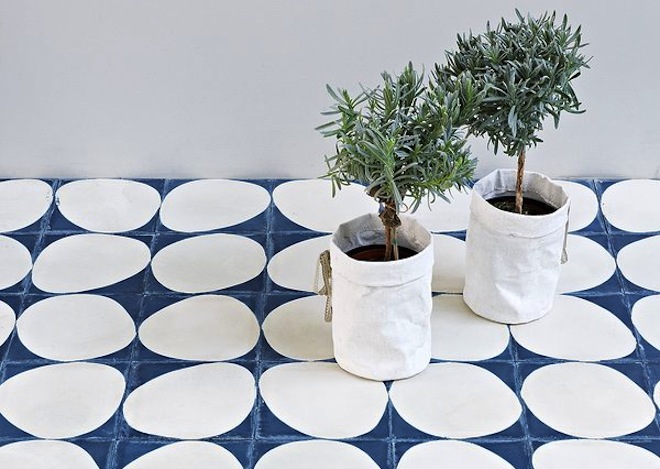
Polished Concrete poured or in tiles
Pros:
- Good thermal mass.
- Easy to clean.
- Highly durable.
Cons:
- High embodied energy.
- May be finished with a toxic polyurethane sealant.
- Lacks sense of warmth if left grey.
- Cement and concrete has a unique problem.
Vinyl floor

Pros:
- Low maintenance.
- Easy to clean.
- Low cost.
- Good for rental units.
Cons:
- Can contain toxic plasticizers and lead-based stabilizers that off gas.
- Made from petroleum-based materials.
- Not recyclable.
What floor choice is for you?
Sustainable flooring is a critical component of environmentally conscious living. By choosing eco-friendly options, consumers can contribute to a healthier planet. From recycled timber to bamboo and resilient floors, each sustainable flooring type has its advantages and considerations. As global awareness grows, and certifications become more widely recognized, it’s easier for consumers to make informed decisions about sustainable flooring. The global perspective on eco-friendly flooring emphasizes the importance of responsible sourcing, embodied energy, durability, and maintenance considerations.