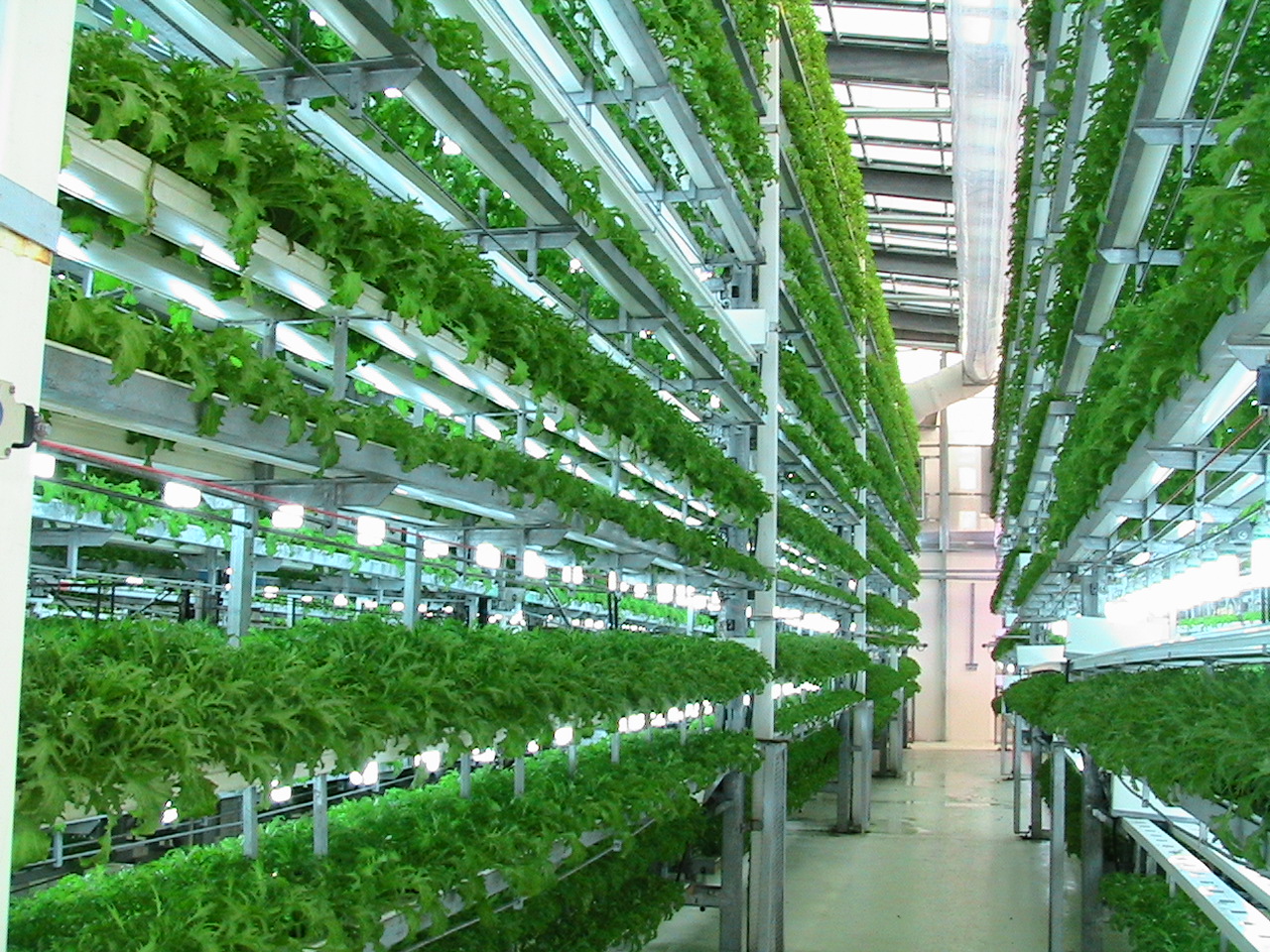
Fresh greens and fresh anything are usually impossible to find in desert locations. But a new way of growing food on water, called hydroponics, is shaping up to be one of the latest exports from a Middle East country that has had to deal with lack of water. Hydroponics is working in Jordan thanks to the US Government and USAID.
Hydroponics, despite using only water and no soil can actually be extremely water efficient and productive. So much so, that the Dubai-based company Agratech which builds such farms, is now importing its technology to Portugal where it will build a 5 acre covered greenhouse.
Known as distributed agriculture, or controlled environment agriculture, hydroponics may very well be the only way that we can ensure a steady supply of fresh food in the future. Soil-based farming is extremely resource intensive, with only a fraction of the fertilizers used actually making it to the roots of the plants.
Hydroponics, on the other hand, bathes the roots in needed minerals so the plant gets exactly what it wants without having to search for food. This way the plant spends more energy growing fruit and less on root.
Portugal, like all the Mediterranean countries and States like California, is seeing a dire shortage of water.
According to press annual Agratech aims to be one of the largest operators of hydroponic farming facilities in the Middle East and North Africa (MENA) and Europe from their strategic base in the United Arab Emirates.
Striving to improve the world’s food security imbalances with their technologically advanced farming techniques coupled with clean and ethical farming practices that produce fresh, healthy fruit and vegetables.
With the vision to educate, teach and develop the next generation throughout the globe with relevant farming and agricultural knowledge. They also continue their local-to-local philosophy to ensure job creation and economic safety throughout the region.
Dedicated to balance being a successful business as well as a socially responsible one, they aim to construct over 100 hectares of hydroponic farm land by 2020, but also to donate produce to the United Nations and World Health Organization.