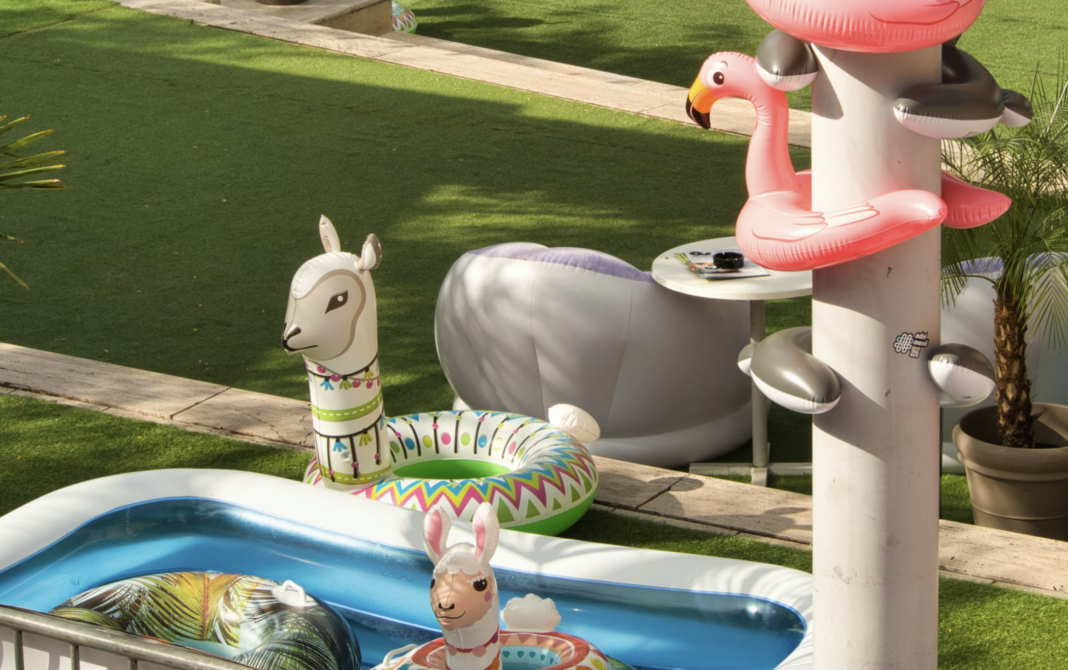

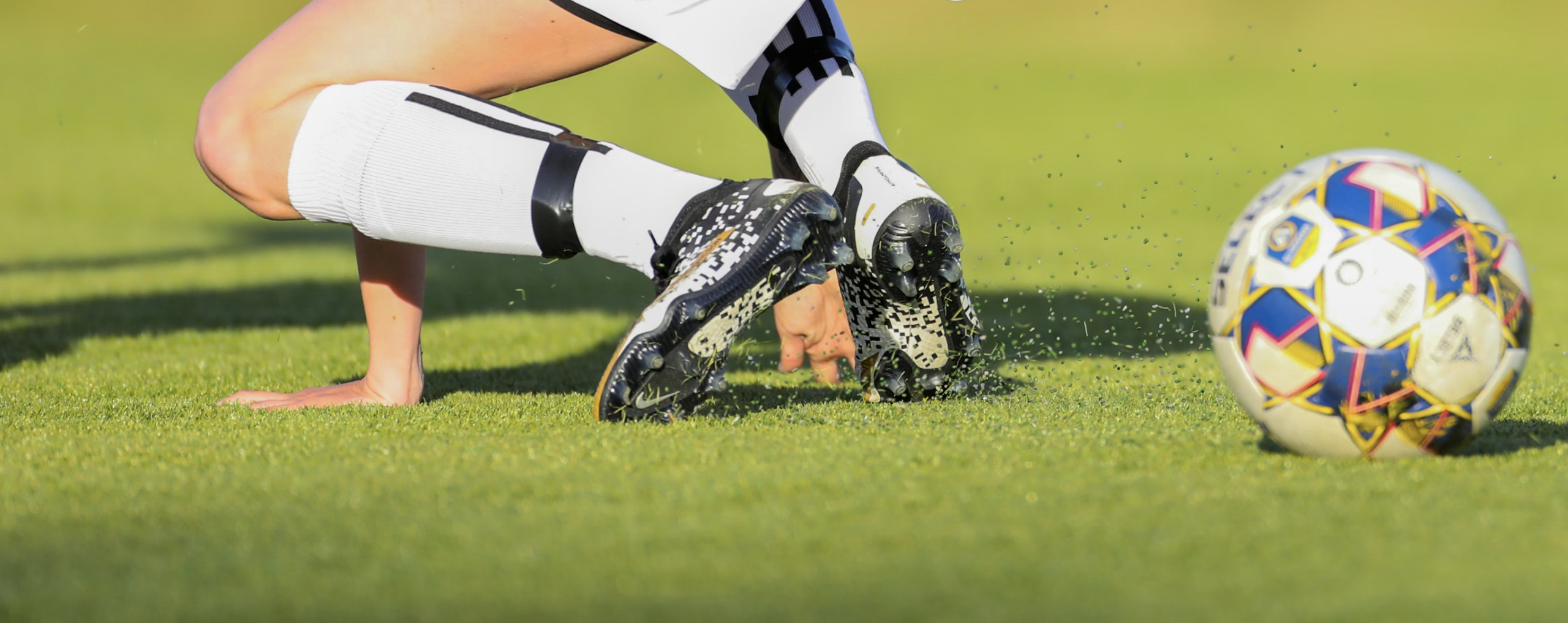
Artificial turf was sold as a low-maintenance dream for dry climate cities like Los Angeles, Dubai, and Tel Aviv: no mowing, no mud, no watering. But for many homeowners, it is starting to look more like a plastic trap. It is leaking microplastics which are a health and eco-hazard. Biohacker Bryan Johnson spoke about the need to get rid of his astroturf for health reasons, but how?
Synthetic grass can get dangerously hot in the sun, cause skin burns, trap chemical dust, and shed microplastics into your soil and drains and these also end up in our air and bodies. Many products also contain crumb rubber infill made from recycled tires, along with plastic fibers and backing materials that do not belong in a healthy backyard.
For families with kids, pets, or anyone trying to build a cleaner outdoor space, removing old astroturf is one of the simplest ways to reduce unnecessary exposure to plastics and heat. Some past studies suggest that if kids have played on these surfaces you need to wash their hands.
The good news is that you do not need to turn your yard into a construction zone, as getting rid of artificial turf is a sooner the better idea. You just need to remove it carefully, contain the mess, and dispose of it responsibly.
5 simple tips to safely remove astroturf from your yard
1. Pick a cool, dry day
Do not remove turf in extreme heat or on a windy day. Hot turf releases more dust and becomes harder to handle. Wind can spread loose fibers and crumb rubber around your yard and into drains.
2. Wear gloves, shoes, and a mask
Old turf can contain dust, rubber particles, sharp staples, sand, and degraded plastic fibers. Wear: work gloves, closed shoes or boots, long sleeves and wear an N95 or dust mask if the turf is old or crumbly. Keep the kids and pets away while you work.
3. Roll it up slowly, don’t rip it apart
Cut the turf into manageable strips with a sharp utility knife if it’s large. Roll each strip carefully instead of dragging it across the yard. This helps stop plastic fibers, infill, and backing crumbs from spreading into your soil. If there is black crumb rubber or sand infill, use a shovel and broom to gather it first before rolling.
4. Bag the loose plastic and vacuum the area if the turf is on a hard surface. If it’s on sand or earth sweep or rake visible plastic bits and use a shop vacuum for small fibers and rubber crumbs. Better to collect some sand with the plastic bits using a shop vac. Collect debris into heavy-duty contractor bags
Do not hose the area down aggressively. That can push microplastics deeper into soil or into storm drains or into your backyard to keep emerging years later. Wait for a week or too. Natural air flow should gather some of the plastic fragments at corners for you to sweep away and contain.
5. Don’t burn it or dump it illegally
It’s not asbestos so you don’t need to bring it to a biohazard site. A local dump will do, or ask your city what to do and how to mark it if they do collection. Never burn artificial turf. It can release toxic, plastic fumes. And do not cut it into tiny pieces and throw it loosely into regular trash if you can avoid it.
Instead:
Ask your municipal waste center if they accept artificial turf. Check for construction and demolition waste disposal sites near you. Ask local landscaping or junk-haul companies if they handle turf removal. If the turf is newer, ask the installer or manufacturer if they have a take-back or recycling option for what you’ve pulled up.
Some places treat artificial turf as bulky plastic or construction waste, not regular yard waste.
How to reduce microplastics left behind from astroturf
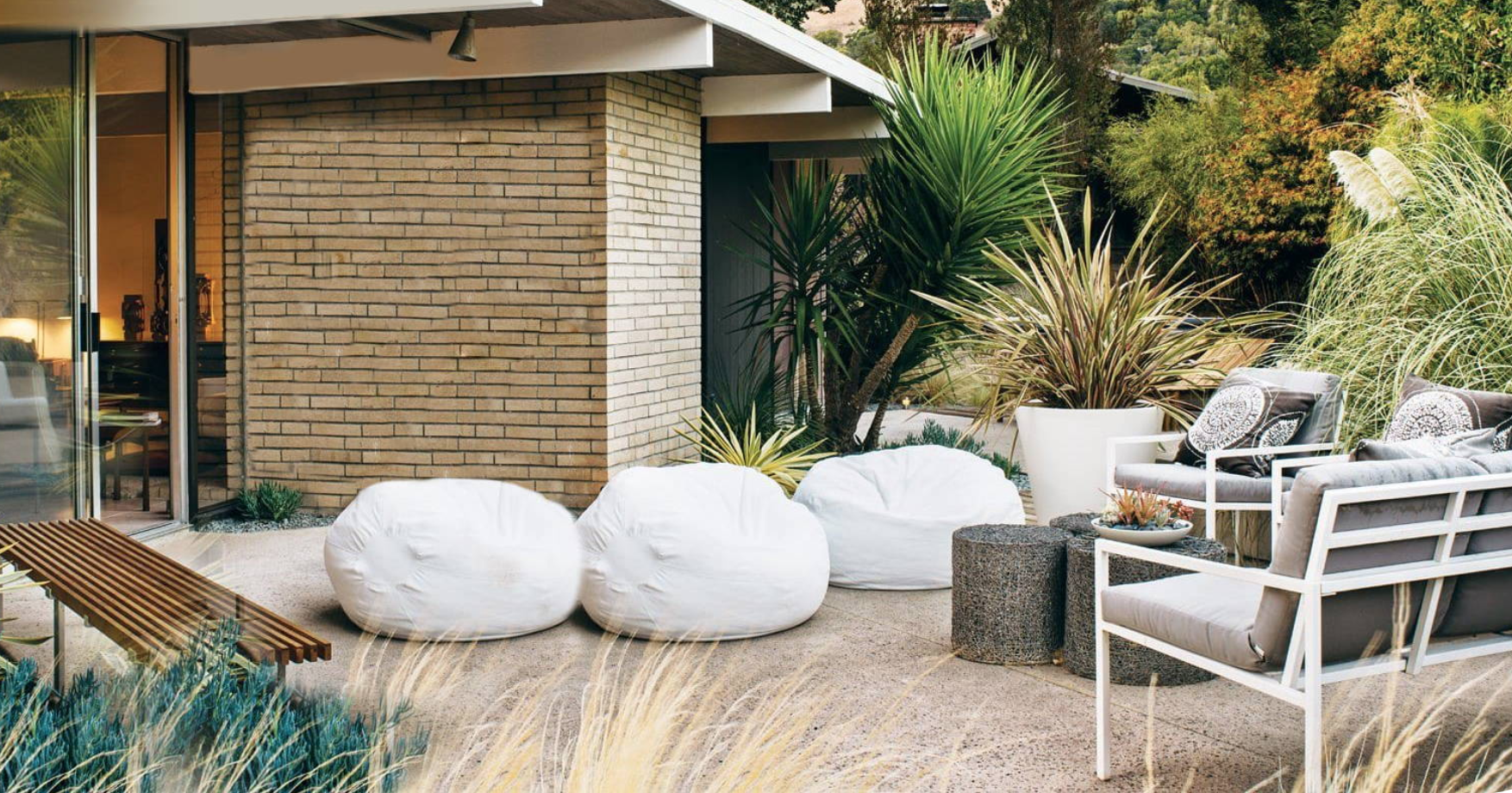
You probably will not remove every last plastic fiber, but you can reduce what remains. Try this simple cleanup plan:
- Hand-rake gently to collect visible fragments
- Shop-vac hard surfaces like patios, pavers, and edges
- Remove the top layer of contaminated infill or dust if there’s a heavy buildup
- Add fresh compost and mulch to help cover and stabilize remaining particles
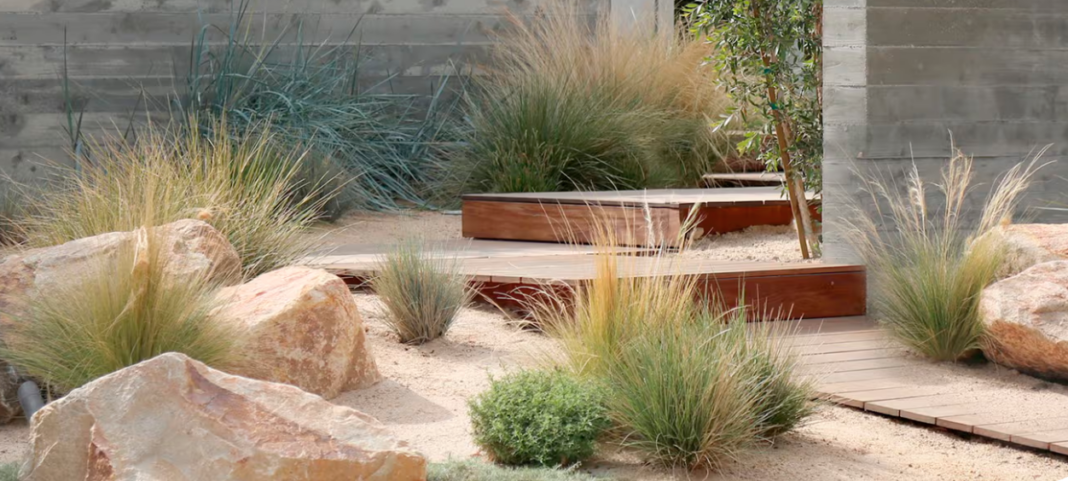
- Replant with groundcovers, native plants, clover, gravel, or permeable stone
If the turf sat there for years, replacing the top few centimeters of soil in high-use areas may also help, especially where children played barefoot.
What should replace astroturf?
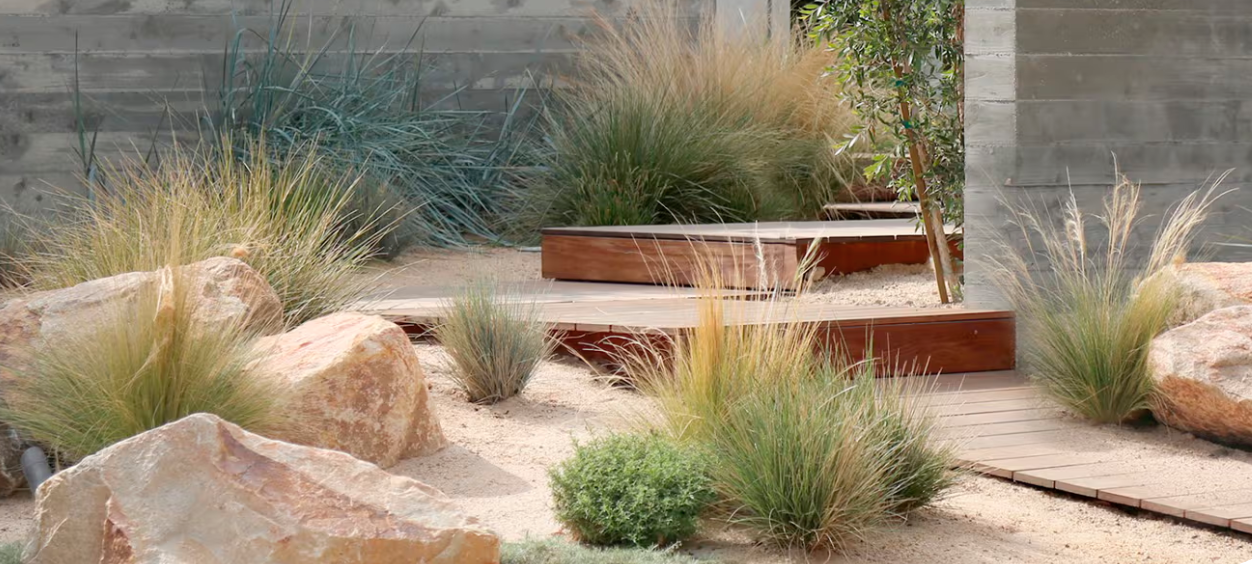
The best replacement depends on your climate, but healthier choices include:
- native drought-tolerant plants
- clover or low-water living groundcovers
- mulch play areas
- permeable pavers
- gravel with shade trees
- tiled or shaded courtyard spaces
The smartest yard is not the greenest-looking one. It is the one that stays cooler, drains properly, and supports life instead of shedding plastic.