Play spogomi the garbage picking sport and win a World Cup

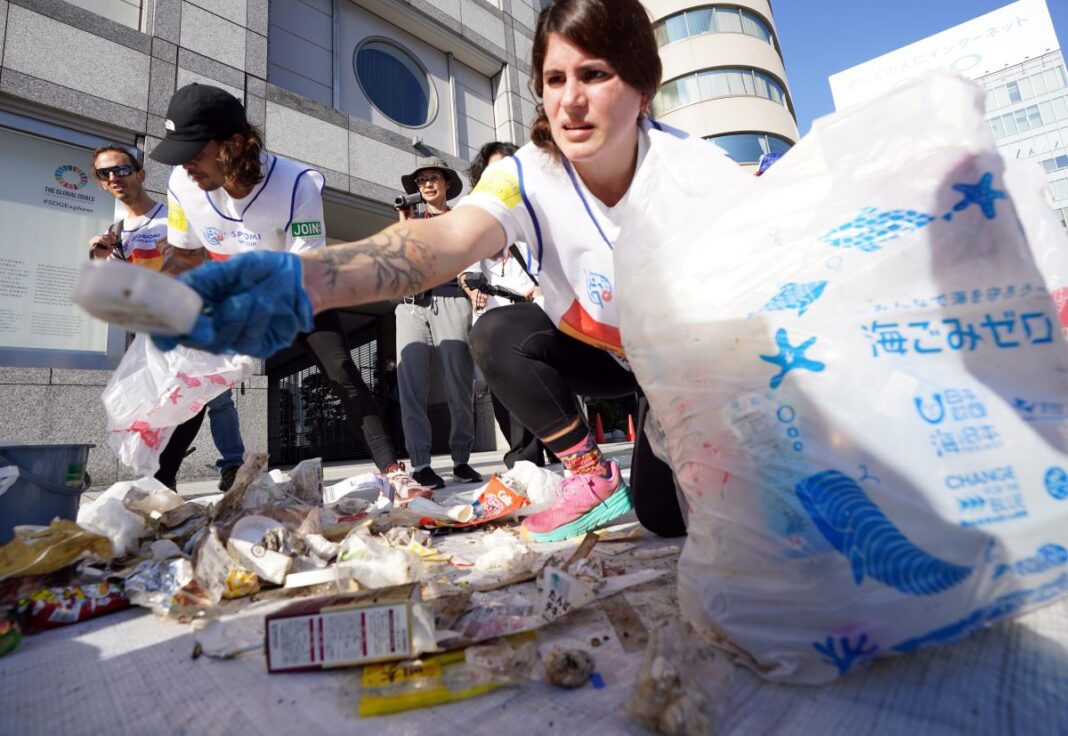
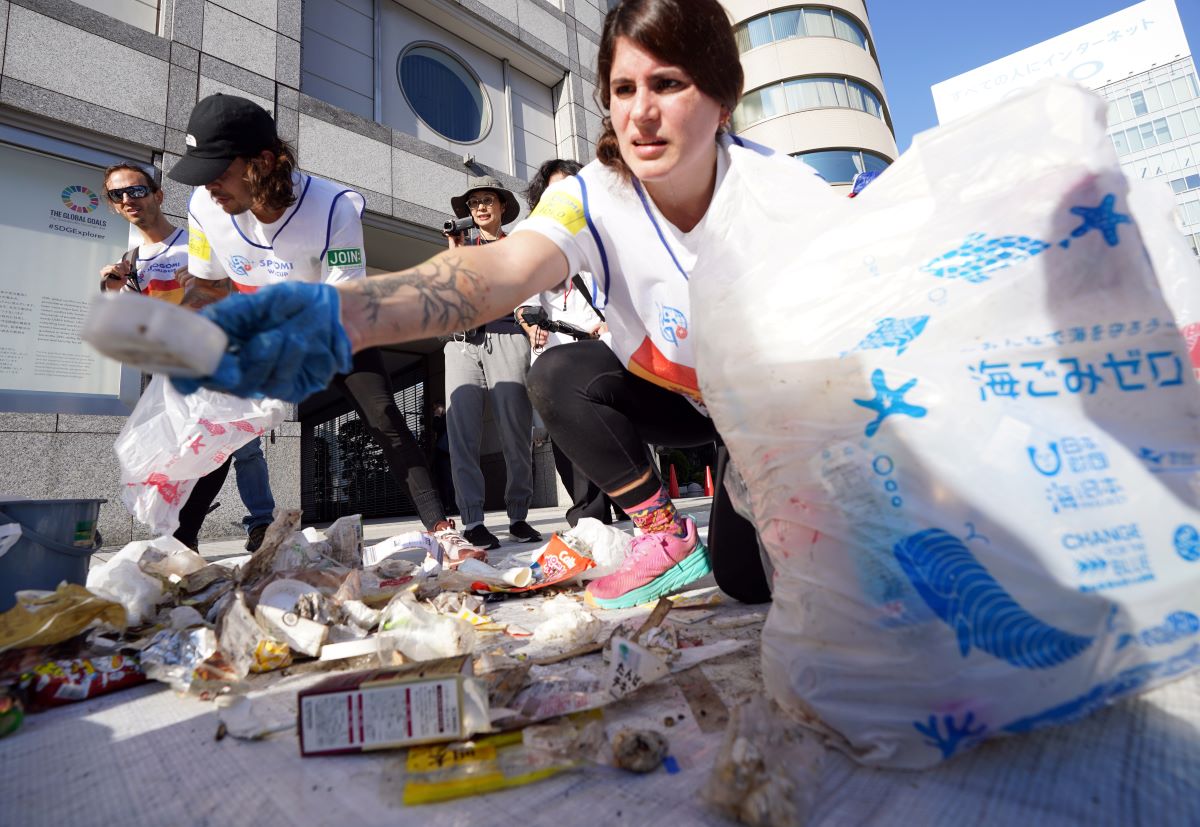
The Spanish team separates the garbage they picked up during the SPOGOMI World Cup.(©SANKEI by Kazuya Kamogawa)

“People who had never picked up trash before, and people who weren’t particularly interested in environmental issues, were starting to join. I think that’s because we presented litter picking as a sport.”

That insight comes from Kenichi Mamitsuka, the Japanese innovator who turned garbage collection into a competitive team sport known as spogomi — a portmanteau of sport and gomi, the Japanese word for trash. If you’ve ever visited Tokyo, you will get a taste for just how fussy the Japanese are about picking up trash. They use claw graspers for tiny bits of things, and scrub brushes on sidewalks.

What began as a local experiment has grown into something unexpectedly global. Spogomi now includes organized leagues, referees, time limits, scoring systems, and even a World Cup, drawing participants who might otherwise never attend a beach cleanup or environmental rally. The story, recently highlighted by National Geographic, points to a powerful truth: behavior change doesn’t always start with ideology. Sometimes, it starts with play.

Want to know the rules?

Environmental movements have long struggled with a perception problem. Too often, they feel moralistic, joyless, or reserved for the already converted. Spogomi flips that script. It reframes responsibility as action, and action as something social, physical, and — crucially — fun. Teams compete not just on volume of trash collected, but on sorting accuracy and teamwork. Winning isn’t symbolic – you can measure it.

There’s something quietly radical about this approach. By removing guilt and replacing it with momentum, spogomi attracts people motivated by camaraderie, competition, and pride rather than climate anxiety. It also sidesteps politics. You don’t need to agree on why waste is a problem to agree that it shouldn’t be on the street.

In a world saturated with environmental messaging, spogomi offers a reminder that solutions don’t always need to be heavier. Sometimes they need to be lighter — structured like a game, grounded in community, and designed to meet people where they already are.


 

TRENDING

Ski Japan and skip the cherry blossoms

apan’s winters reveal a quieter magic far from the cherry blossoms — a landscape of deep snow, mountain silence, and steaming hot springs. From Niseko’s legendary powder in Hokkaido to the Olympic slopes of Hakuba and the ancient baths of Nozawa Onsen, Japan offers some of the world’s most sustainable and culturally rich ski experiences. With efficient bullet-train access, renewable-powered resorts, and geothermal onsens under falling snow, this is how to ski Japan responsibly — where tradition, technology, and climate awareness meet on the same mountain.

Octopus falls for the rubber arm trick – time to take them off the menu?

From a sustainability standpoint, this study feeds into a growing conversation around how we value marine life and intelligence in environmental policy. If octopuses exhibit this level of sentient processing, how should that affect the way we fish, farm, or conserve them?

Five Innovative Architecture Firms Building with Bamboo

Bamboo, often referred to as the "green steel" of the future, is quickly gaining popularity as a sustainable alternative to traditional building materials. With its fast growth cycle, minimal environmental footprint, and impressive strength, bamboo is emerging as a game-changing material for the construction industry. Not only is it an eco-friendly choice, but its versatility allows it to be used in everything from flooring to scaffolding, and even entire buildings.

Japanese factory lets you knit your own socks with a bicycle

The workshop on socks provides an immersive experience, guiding participants through the complete process of sock-making. After the knitting phase, SOUKI’s skilled staff steps in to sew the toes and apply a press-finish, ensuring the socks are ready for wear.

Get clean with a Japanese folding bathtub

Japanese designers LIXIL create a wonderful hanging and foldable tub for modern living.

Should You Invest in the Private Market?

startustartup Unlike public stock exchanges, which offer daily trading, strict...

How to build a 100-year-company

Kongō Gumi is a Japanese construction company, purportedly founded in 578 A.D., making it the world's oldest documented company. What can we learn about building sustainable businesses from them?

From Pilot Plant to Global Stage: How Aduro Clean Technologies’ 2026 Expansion Signals a Turning Point for Chemical Recycling Investors Like Yazan Al Homsi

The company's Next Generation Process (NGP) Pilot Plant in London, Ontario, has officially moved into initial operating campaigns, generating the kind of structured, repeatable data that separates laboratory promise from commercial viability.

How AI Helps SaaS Companies Reduce Repetitive Customer Support Work

SaaS products are designed for large numbers of users with different levels of experience, and also in renewable energy.

Pulling Water from the Air

Faced with water shortage in Amman, Laurie digs up...

Turning Your Energy Consultancy into an LLC: 4 Legal Steps for Founders in Texas

If you are starting a renewable energy business in Texas, learn how to start an LLC by the books.

Tracking the Impacts of a Hydroelectric Dam Along the Tigris River

For the next two months, I'll be taking a break from my usual Green Prophet posts to report on a transnational environmental issue: the Ilısu Dam currently under construction in Turkey, and the ways it will transform life along the Tigris River.

6 Payment Processors With the Fastest Onboarding for SMBs

Get your SMB up and running fast with these 6 payment processors. Compare the quickest onboarding options to start accepting customer payments without delay.

Related Articles

Popular Categories