

A new analysis published today by Urgewald, a German NGO, reveals that the European Union continues to play a central role in sustaining Russia’s Arctic gas exports, despite its public commitment to phase out Russian LNG imports by 2027.
Using cargo-level data from Kpler, the report shows that in 2025 the Kremlin’s flagship Yamal LNG terminal generated an estimated €7.2 billion in revenue from LNG shipments to EU ports alone. Of the 19.7 million tonnes exported globally from Yamal last year, 15 million tonnes — more than 76% — were delivered to Europe, making the EU by far the project’s most important customer.
“While Brussels celebrates agreements to phase out Russian gas, our ports continue serving as the logistics lung for Russia’s largest LNG terminal,” said Sebastian Rötters, Sanctions Campaigner at Urgewald. “In the current geopolitical situation, we cannot afford another year of complicity.
“We are not just customers; we are the essential infrastructure keeping this flagship project alive. Every cargo that offloads at an EU terminal is a direct deposit into a war chest that fuels the slaughter in Ukraine. We must stop providing the oxygen for Russia’s energy profits and shut the Yamal loophole now.”
The findings suggest that rather than declining, Europe’s reliance on Yamal LNG intensified in 2025. Yamal cargoes accounted for 14.3% of the EU’s total LNG imports, equivalent to roughly one in every seven LNG ships arriving at European terminals.

France emerged as the single largest importer of Yamal LNG in 2025, receiving 6.3 million tonnes across 87 shipments at the ports of Dunkirk and Montoir. Belgium’s Zeebrugge terminal also played a critical role, receiving more Yamal LNG than China over the same period.
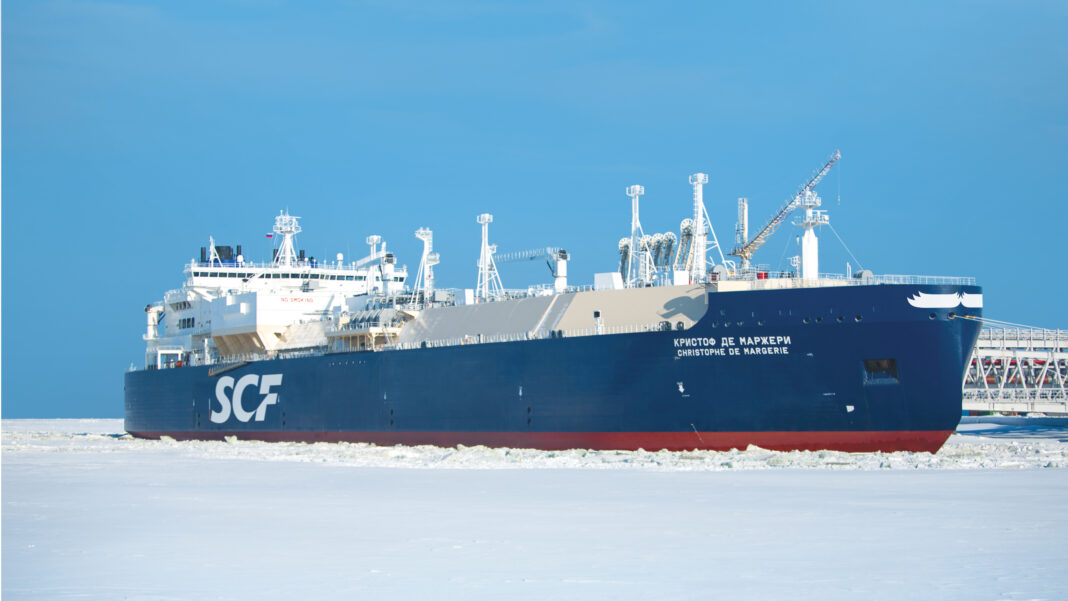
According to the analysis, Europe’s importance goes beyond demand. Yamal LNG’s Arctic location makes it entirely dependent on a small fleet of 14 Arc7 ice-class tankers, which must operate on short routes to function efficiently. By allowing these vessels to unload in nearby European ports, the EU enables rapid turnaround times that keep exports flowing year-round.
The report also highlights the role of European shipping companies, noting that UK-based Seapeak and Greece’s Dynagas together control over 70% of the Arc7 tanker fleet serving Yamal LNG.
Urgewald warns that unless action is taken soon, Europe risks losing its leverage. As charter agreements expire later this year, the specialized tanker fleet could be transferred into opaque “shadow fleet” structures, further entrenching Russia’s Arctic LNG exports.
“The data shows the EU holds decisive influence over Yamal LNG,” Rötters said. “What’s missing is the political will to use it — and to close the Yamal loophole now.”